










As global temperatures climb to unprecedented highs and severe heatwaves increase in both frequency and intensity, the immediate instinct for millions of people seeking relief is to prioritize comfort above all else. During periods of extreme heat, consumers rarely pause to consider the ethical and environmental implications of their clothing choices, focusing instead on garments that promise immediate relief from sweltering conditions. However, contemporary climate science indicates that these extreme weather events are no longer anomalies; they represent a persistent structural shift driven by anthropogenic climate change. This meteorological reality forces a critical examination of how everyday habits, including fashion consumption, intersect with environmental stewardship.
The convergence of rising temperatures and ecological consciousness reveals a fortunate alignment in the textile industry: many of the most effective breathable fabrics designed to combat high temperatures are also among the most ecologically responsible materials available. As large regions of Europe and other continents experience record-shattering temperatures season after season, consumers face the dual challenge of adapting to immediate climate impacts while reducing their long-term carbon footprint. Navigating this landscape requires a deliberate approach to garment selection, moving away from high-impact synthetic fibers and toward regenerative, natural alternatives.
The Macro Context of Rising Global Temperatures
To understand the urgency behind sustainable warm-weather dressing, one must examine the broader environmental context. According to meteorological data compiled by international climate agencies, the past decade has recorded the hottest temperatures in human history. Urban heat islands, amplified by concrete infrastructure and asphalt, exacerbate these effects, making daily life increasingly uncomfortable for city dwellers.
Public health organizations and meteorological institutes have issued recurring warnings regarding heat-stress morbidity, prompting municipalities to establish cooling centers and emergency protocols. Within this framework, personal apparel acts as the first line of defense against thermal exhaustion and heatstroke. Yet, the traditional textile industry has historically relied heavily on petrochemical-derived synthetics, which contribute significantly to greenhouse gas emissions and microplastic pollution.
Industrial analysts note that shifting consumer demand toward breathable, natural fibers during peak heat seasons presents a vital opportunity to reduce the fashion sector’s overall environmental impact. By choosing materials that naturally regulate body temperature, consumers can mitigate their personal heat exposure while supporting regenerative agricultural practices.
Chronology of the Sustainable Fashion Shift
The transition toward eco-friendly summer wardrobes has evolved significantly over the past two decades, driven by advancements in textile science and a growing consumer awareness of the environmental cost of fast fashion.
- Early 2000s: The sustainable fashion movement primarily focused on niche organic cotton initiatives, with limited mainstream availability for specialized warm-weather textiles.
- 2010s: Increased scientific research highlighted the environmental hazards of synthetic microfibers shedding from activewear during washing cycles. Brands began exploring alternative cellulosic fibers such as TENCEL Lyocell and bamboo-viscose.
- Late 2010s to 2020: The popularization of circular fashion concepts and increased transparency in supply chains led to wider commercial adoption of European flax linen and industrial hemp as premium, low-impact summer alternatives.
- 2020 to Present: Escalating frequency of extreme summer heatwaves catalyzed a surge in consumer demand for climate-adaptive apparel, pushing brands to innovate with bio-based activewear, eco-friendly suncare, and closed-loop swimwear.
Prioritizing Lighter, Biodegradable Materials
In hot and humid environments, heavy or tightly woven fabrics trap body heat and perspiration, leading to discomfort and skin irritation. The primary objective when dressing for high temperatures is maximizing airflow and moisture evaporation. From an environmental perspective, the sourcing and end-of-life cycle of these fabrics are paramount.
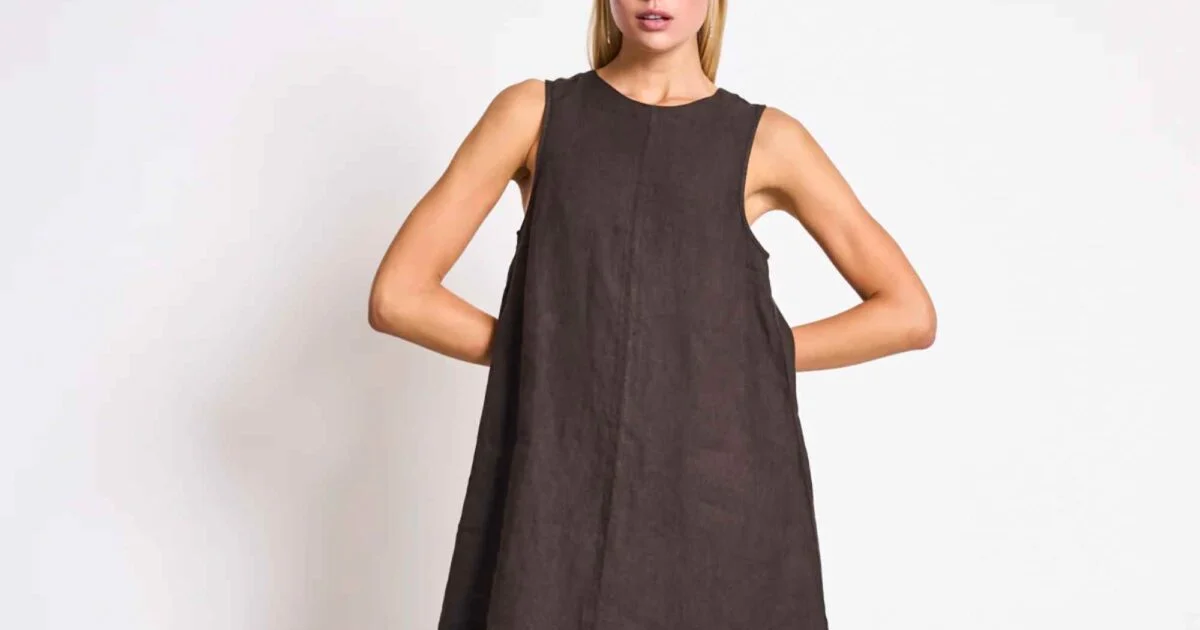
Organic linen and hemp emerge as the premier choices for warm-weather garments. Flax, the plant from which linen is derived, requires minimal water and synthetic pesticides compared to conventional cotton, and it thrives in diverse climates. Similarly, industrial hemp is a fast-growing crop that enriches the soil in which it is planted while requiring virtually no chemical fertilizers. Both materials are entirely biodegradable when left untreated with harsh chemical finishes or synthetic dyes, ensuring they do not persist in landfills for centuries.
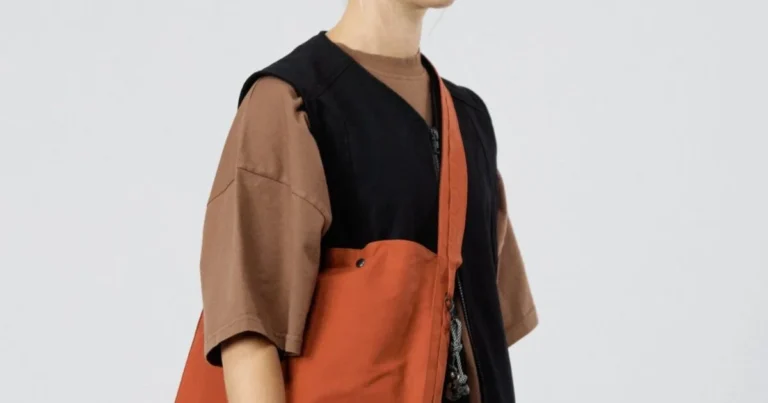
Other notable materials include TENCEL Lyocell—derived from sustainably managed wood sources in a closed-loop system that recycles solvents—and certified organic or recycled cotton. These fibers offer comparable breathability and quick-drying characteristics, making them optimal for enduring high temperatures without compromising ethical standards. Brands such as India-based SUI exemplify this approach by utilizing local workshops to craft mindful womenswear collections using lower-impact textiles.
Redefining Activewear for Thermal Comfort
Physical activity during warm weather inevitably induces perspiration, prompting many individuals to reach for specialized athletic wear. However, standard commercial activewear relies heavily on virgin polyester, nylon, and elastane. These petroleum-based synthetics not only restrict natural airflow—thereby trapping heat against the skin and exacerbating discomfort—but they also shed millions of microplastic particles with every wash cycle, polluting marine and terrestrial ecosystems.
To address this dilemma, forward-thinking apparel manufacturers are introducing high-performance, plastic-free alternatives. Bamboo-viscose and advanced TENCEL Lyocell blends offer natural moisture-wicking and thermal-regulating properties that rival synthetic counterparts. For example, UK-based activewear brand BAM utilizes bamboo-viscose to manufacture versatile basics and sports apparel, emphasizing supply chain traceability and garment recycling initiatives to combat end-of-life textile waste.
Industry experts stress that transitioning away from virgin synthetics in athletic wear is crucial for long-term ecological preservation. As consumer standards evolve, the market for bio-based performance wear continues to expand, proving that high functionality and environmental responsibility are not mutually exclusive.
Comprehensive Sun Protection and Eco-Conscious Accessories
Effective sun protection is an essential component of warm-weather preparedness, yet conventional accessories often carry a heavy environmental toll. Sunglasses manufactured from virgin plastics and hats constructed from non-traceable synthetic blends contribute significantly to consumer waste.
Sustainable alternatives focus on circular design principles. Modern eco-friendly eyewear frequently utilizes bio-acetate, reclaimed ocean plastics, bamboo, or sustainably harvested wood. Similarly, summer headwear benefits from the same material logic applied to apparel: organic linen, hemp, and certified organic cotton provide necessary UV protection while maintaining breathability and minimal environmental degradation.
Canadian apparel enterprise tentree operationalizes this philosophy by embedding environmental restoration directly into its business model. By planting ten trees for every item purchased, the brand helps regenerate global ecosystems while maintaining strict adherence to fair labor practices and lower-impact material sourcing, including organic cotton and recycled blends.
Navigating Suncare and Skincare Responsibilities
The environmental implications of summer preparation extend beyond textiles into personal care products. Traditional sunscreens frequently contain chemical pollutants such as oxybenzone, octinoxate, and nano-sized mineral filters like zinc oxide and titanium dioxide, which have been scientifically linked to coral reef bleaching and aquatic toxicity.
Regulatory bodies and environmental scientists have increasingly advocated for mineral-based, reef-safe sunscreens that avoid synthetic petrochemicals and endocrine disruptors. Brands specializing in organic formulation, such as Odylique, adhere to rigorous standards set by certifying bodies like the Soil Association. These formulations ensure that sun protection products remain gentle on sensitive human skin while safeguarding marine ecosystems from ecotoxicological damage.
Sustainable Innovations in Swimwear
Swimming remains one of the most effective methods for mitigating the physical stress of intense heatwaves. However, swimwear presents a persistent paradox for sustainability advocates: conventional swim garments rely heavily on virgin nylon and spandex to achieve elasticity and water resistance. These materials are exceptionally difficult to recycle and represent a major source of microplastic pollution in aquatic environments.
To address this challenge, innovative brands are adopting regenerative materials such as ECONYL—a regenerated nylon created from post-consumer waste, including discarded fishing nets—and specialized hemp-blend textiles. Hemp-based swimwear, pioneered by labels like Natasha Tonic, offers natural antimicrobial properties, UV resistance, and durability without relying on petroleum-derived elasticity. Additionally, made-to-order models utilized by brands like ColieCo minimize deadstock and excess inventory by manufacturing garments exclusively upon purchase using responsibly sourced fabrics.
Broader Implications and Industry Analysis
The intersection of climate change and fashion choices underscores a fundamental transformation in consumer behavior. As extreme weather events become a permanent fixture of the global climate reality, the demand for climate-adaptive apparel will continue to accelerate.
Market analysts project that the pressure on fashion brands to transition away from synthetic fibers will intensify, driven by both tightening environmental regulations and shifting consumer expectations. Brands that fail to innovate in material science and supply chain transparency risk obsolescence as shoppers increasingly scrutinize the lifecycle impacts of their purchases.
Ultimately, dressing for extreme heat in a sustainable manner requires a holistic shift in perspective. By valuing durability over disposability, prioritizing natural and regenerative fibers, and supporting brands committed to ethical production, consumers can navigate the challenges of a warming planet while actively contributing to ecological preservation.