







Barbour, a brand synonymous with enduring British heritage and its iconic waxed cotton jackets, has recently received a "Not Good Enough" rating from independent sustainability assessors, prompting a crucial conversation about the environmental and social responsibilities of even the most revered fashion labels. This evaluation, based on the Barbour rating published in February 2025, highlights a significant disconnect between the brand’s reputation for longevity and its documented commitment to broader ethical and ecological practices, urging consumers seeking durable, weather-resistant outerwear to consider a host of more sustainable alternatives.
A Legacy Under the Lens: Barbour’s Enduring Appeal and Contemporary Challenges
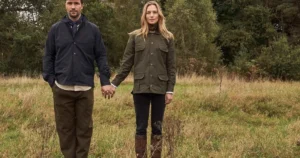
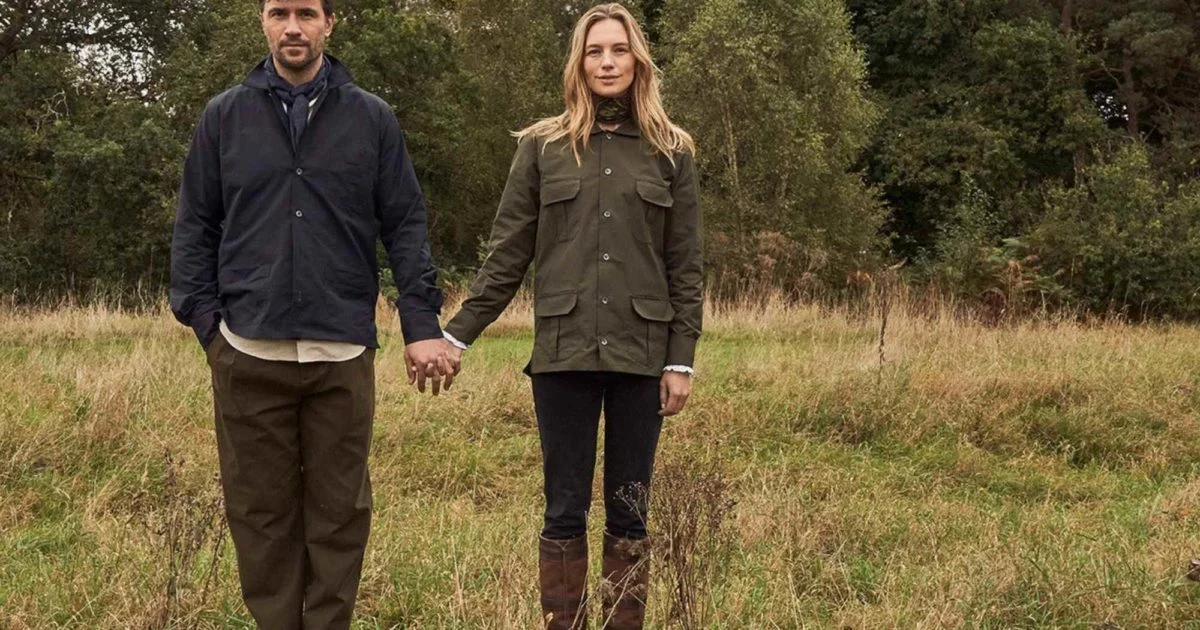
Since its inception by John Barbour in 1894, Barbour has woven itself into the fabric of English country life, evolving from a supplier of oilskins to fishermen and dock workers to a global fashion icon. Its signature waxed jackets, characterized by their distinctive navy or green hues, corduroy-lined cuffs and collars, and unparalleled ability to repel inclement weather, have transcended their practical origins to become symbols of timeless British style. The brand’s illustrious roster of wearers speaks volumes, from the late Queen Elizabeth II on her Scottish estates to cinematic spy Daniel Craig in James Bond, and contemporary style arbiter Alexa Chung at Glastonbury. These high-profile endorsements have cemented Barbour’s place in popular culture, propelling its waterproof outerwear to a coveted status that marries rugged utility with sophisticated casualwear.
In recent years, Barbour has further solidified its position in the contemporary fashion landscape through collaborations with avant-garde labels like GANNI (rated "It’s a Start") and Erdem (rated "We Avoid"). While these partnerships have injected fresh appeal and expanded Barbour’s reach, they also implicitly link the brand to a broader ecosystem of fashion, where sustainability efforts can vary significantly. The irony for Barbour, a brand built on garments designed to last for decades, is that its internal practices are now under increasing scrutiny, revealing a need to align its operational ethos with its products’ inherent durability.
Unpacking the "Not Good Enough" Verdict: Gaps in Environmental and Social Responsibility
The "Not Good Enough" rating is a comprehensive assessment that delves into Barbour’s impact across critical areas: planet, people, and animals. The findings from February 2025 reveal several concerning deficiencies that belie the brand’s image of steadfast reliability.
From an environmental standpoint, the assessment found a conspicuous lack of evidence regarding Barbour’s efforts to address textile waste. In an industry grappling with mountains of discarded clothing, a brand of Barbour’s stature is expected to demonstrate clear strategies for waste reduction, recycling, or circularity initiatives. Furthermore, there was no demonstrable commitment or action to protect biodiversity within its extensive supply chain. Given the global nature of textile production and its reliance on natural resources, safeguarding biodiversity is a critical component of environmental stewardship. The report also pointed to insufficient measures to reduce water usage, a significant concern in an industry known for its water-intensive processes, from raw material cultivation (like cotton) to dyeing and finishing. While Barbour’s repair programme—which sees thousands of jackets rewaxed annually, extending their lifespan—is commendable and contributes positively to reducing consumption, it alone does not offset the broader systemic gaps in environmental management.
On the social front, the assessment raised serious questions about Barbour’s labor practices. Critically, analysts found no evidence that the brand ensures a living wage is paid to workers across its supply chain. The concept of a living wage is fundamental to ethical labor, ensuring that workers can afford basic necessities for themselves and their families. The absence of such evidence suggests a potential vulnerability for workers in Barbour’s manufacturing network. Compounding this, there was no indication that Barbour provides financial security to its suppliers. A lack of financial stability for suppliers often correlates directly with poor working conditions and suppressed wages, as suppliers under financial duress may cut corners on labor costs and worker welfare. This omission signals a broader systemic issue within Barbour’s supply chain management, impacting the livelihoods and rights of countless individuals involved in producing its goods.
Regarding animal welfare, the report highlighted that Barbour, which utilizes animal-derived materials such as leather, wool, and down in its products, did not appear to trace these products to the first stage of production. This lack of traceability makes it exceedingly difficult to verify the welfare conditions of animals within its supply chain. Moreover, the brand lacked clear mechanisms for implementing its animal welfare policy, suggesting that even if a policy exists, its practical application and enforcement are not transparent or robust enough to meet current ethical standards. For consumers increasingly concerned about the origin and treatment of animal products, this represents a significant area of concern.
Incremental Steps Amidst Calls for Radical Transparency
It is important to acknowledge that Barbour has not remained entirely static. Since its previous rating in 2022, the brand has made some incremental improvements. Notably, it has begun measuring certain greenhouse gas emissions and has committed to targets approved by the Science-Based Targets initiative (SBTi). These are positive steps towards addressing its carbon footprint and aligning with global climate goals. However, these efforts, while welcome, are currently insufficient to elevate its overall sustainability standing. The core message from the assessment remains unequivocal: Barbour needs to adopt a far more transparent approach to its practices across all pillars of sustainability.
The call for greater transparency is not merely a suggestion but an industry imperative. In an era where consumers are increasingly informed and demand accountability, brands that withhold crucial information about their supply chains, labor practices, and environmental impacts risk eroding trust and alienating a growing segment of their market. For a heritage brand like Barbour, whose legacy is built on trust and quality, this lack of transparency poses a significant long-term risk to its brand equity and relevance in a conscious consumer landscape. The fashion industry, as a whole, is moving towards greater openness, and even venerable institutions like Barbour are expected to adapt or risk being left behind.
The Broader Implications: Navigating the Conscious Consumer Landscape
Barbour’s "Not Good Enough" rating underscores a fundamental shift in consumer expectations and the broader fashion industry. The era where a brand’s longevity and aesthetic appeal alone sufficed is rapidly fading. Today’s consumers, particularly younger demographics, are not just buying products; they are investing in values. They seek brands that demonstrate genuine commitment to environmental protection, fair labor, and ethical animal treatment. This growing demand for sustainable fashion places immense pressure on all brands, including those with deep historical roots, to re-evaluate and reform their operational models.
The dilemma for many loyal Barbour customers is palpable: how to reconcile a love for its iconic style and durability with concerns about its ethical footprint. This is where the role of independent rating systems becomes paramount, empowering consumers with the information needed to make informed choices. The market is evolving, and brands that fail to adapt to these new ethical and environmental benchmarks risk losing market share to agile, transparent competitors. For Barbour, the challenge is to leverage its heritage of quality and longevity into a holistic sustainability narrative, demonstrating that its commitment to enduring products extends to enduring planetary and social well-being. This involves not just product durability, but also ensuring that the entire lifecycle, from raw material to end-of-life, is managed responsibly.
Exploring Sustainable Alternatives: Building a Conscientious Outerwear Wardrobe
For those who admire Barbour’s classic aesthetic—its weatherproof waxed cotton jackets, robust wellington boots, and country-inspired apparel—but seek brands with a stronger commitment to ethical and sustainable practices, the market offers a compelling array of alternatives. These brands demonstrate that style, durability, and responsibility can coexist, offering lasting outerwear and apparel to withstand demanding weather and years of wear without compromising on ethical values.
Here’s a curated selection of brands leading the way in sustainable fashion, offering styles reminiscent of Barbour’s enduring appeal:
1. ISTO.
This Portuguese brand is built on a simple yet powerful mandate: to craft timeless garments that transcend seasonal trends, serving as year-round wardrobe staples. ISTO. eschews fast fashion’s endless cycles, offering a single, continuously available collection that prioritizes quality over quantity. Their commitment to transparency is a cornerstone, openly disclosing the true cost of each garment. By utilizing organic materials and focusing on enduring design, ISTO. offers a sophisticated, minimalist alternative for those seeking reliable, ethically made essentials. The range is available in XS-XL.
2. Wuxly Movement
Hailing from Canada, Wuxly Movement redefines outerwear by combining advanced tech-based and recycled materials to deliver elite performance. Drawing inspiration from Canada’s rich heritage in quality manufacturing, the founder innovated to create products that are not only high-performing but also entirely animal-free. Their commitment to ethical production ensures that warmth and protection come without compromise, making them a superb choice for those seeking vegan-friendly, durable rainwear and cold-weather gear. Find the range in 2XS-3XL.
3. Amble Outdoors
Formerly known as Team Timbuktu, Australia’s Amble Outdoors specializes in high-performance waterproof raincoats and sweat-wicking outdoor wear. Their commitment to sustainability is evident in their material choices, crafting garments from recycled plastic bottles. This approach not only diverts waste from landfills but also creates functional, stylish outerwear perfect for adventurous spirits who demand both performance and planetary care. Sizes offered in XS-4XL.
4. Outerknown
Founded by legendary surf champion Kelly Slater, Outerknown is a more responsible brand that seamlessly blends style and function with a deep commitment to protecting natural resources. The brand holds a Bluesign certification, signifying its adherence to strict environmental standards in textile production. Partnering with the Fair Labour Association, Outerknown also ensures ethical labor practices throughout its supply chain, offering a holistic approach to sustainable fashion for the conscious adventurer. Find the range in sizes XS-2XL.
5. Finisterre
Born from the rugged needs of British surfers, Finisterre stands as a pioneering, more sustainable outdoor brand. Its ethos is built on inspiring a love for the sea, underpinned by the creation of exceptional, durable products. Finisterre is known for its robust outerwear, knitwear, and accessories, all designed with longevity and environmental responsibility in mind, making it a natural fit for those seeking Barbour-esque durability with a clear ethical compass. Find most items in Sizes XS-2XL.
6. Rapanui
This award-winning, more responsible fashion brand from the UK crafts surf-inspired clothing in a wind-powered factory on the Isle of Wight. Rapanui is a beacon of transparency and circularity, offering a wide array of products—from surf towels and socks to hoodies—all made with lower-impact materials and designed for end-of-life recycling. Their innovative approach ensures that every step of production minimizes environmental impact, providing a truly sustainable option for casual and outdoor wear. Find the range in UK sizes 8-18.
7. Toad&Co
Based in the US, Toad&Co operates with a socially and environmentally minded approach, creating women’s and men’s wear that is equally suited for the rigors of the trail or the relaxed atmosphere of a tavern. Their commitment to sustainable materials, ethical manufacturing, and versatile design means their clothing is built to last and adapt to various lifestyles, offering a reliable choice for everyday adventures. Most items are available in sizes XS-2XL.
8. Opera Campi
Founded in 2017, Italian brand Opera Campi crafts premium quality garments from locally-sourced raw materials. The brand adopts a balanced approach to sustainability, making conscious choices throughout its supply chain and dedicating 4% of its profits to social causes. Their focus on quality and community makes them a distinguished choice for those seeking refined, ethically produced apparel. The brand is inclusively sized from 3XS-3XL.
9. Patagonia
A true titan in sustainable outdoor apparel, Patagonia genuinely lives and breathes the great outdoors. They produce high-performance clothing for a vast range of activities, including trail running, climbing, mountain biking, surfing, skiing, and snowboarding. Patagonia is renowned for its "Good" labor practices, extensive use of recycled polyester, and steadfast commitment to reducing energy use and emissions across its operations. Their repair and resale initiatives further solidify their commitment to a circular economy. The brand stocks sizes 2XS-3XL.
10. CARPASUS
CARPASUS is a Swiss menswear brand specializing in fine shirts, ties, socks, and pocket squares. Their commitment to sustainability is profound, utilizing GOTS certified cotton and manufacturing locally to significantly reduce their carbon footprint. They meticulously trace their supply chain and ensure that workers are paid a living wage, offering a sophisticated and responsible option for formal and smart-casual wear. Find most products in EU sizes 36-46.
11. WAWWA
The UK-based brand WAWWA is dedicated to creating clothing that prioritizes the Earth and its inhabitants. They produce organic, fair trade, and vegan-friendly clothing with a positive social impact. WAWWA employs lower-impact materials, including recycled content and non-toxic dyes, and actively reuses offcuts to minimize textile waste, showcasing a comprehensive approach to sustainable production. Find the range in sizes XS-2XL.
12. BEDI
Canadian brand BEDI creates handmade bags, knits, and outerwear, driven by a creative ethos to foster a better tomorrow. They champion circularity through the careful selection of lower-impact materials, from upcycled airline seat leather and fishing nets to innovative vegan cactus leather and sustainably grown cotton. BEDI’s slow fashion philosophy ensures their pieces are grounded in utility and constructed for life, intended to be cherished for generations. Find the range in sizes XS-XL.
13. Sheep Inc
Sheep Inc is a pioneering knitwear brand focused on responsibly sourcing the finest merino wool. Their founding principles are "respect for nature and a shared belief in the power of innovation… harmony with the environment and animal welfare." By transparently linking each garment to the sheep that produced its wool and investing in regenerative farming, Sheep Inc offers luxurious, ethical knitwear with a story. Find most garments in XS-2XL.
14. Neem
Hailing from the UK, Neem specializes in men’s clothing with a sharp focus on ensuring a transparent supply chain and safeguarding our environment. Their collection embodies a modern, responsible approach to menswear, offering versatile pieces made with carefully selected, lower-impact materials. Neem represents a sophisticated choice for those who value both contemporary style and ethical production. Find most items in sizes S-2XL.
15. NIKIN
If you’re a person who prefers to wear their morals on their sleeve, Swiss brand NIKIN offers a compelling choice. For every product purchased, a tree is planted, and customers receive a "TreeCertificate" to track their impact. This direct connection to reforestation, combined with their commitment to responsible production, makes NIKIN a unique brand for environmentally conscious consumers. Products are available in sizes XS-2XL.
16. tentree
Canadian brand tentree operates with a powerful mission: planting ten trees for every item purchased, contributing to ecosystem regeneration and creating planting jobs in communities worldwide. Having already planted over 65 million trees, tentree’s "Earth-first" approach means all products are crafted under fair, safe working conditions using lower-impact and recycled materials, offering a holistic model of sustainability. tentree’s clothes are typically available from XS-XL.
17. Komodo
The UK brand Komodo places people and the planet first with its range of menswear and womenswear. They utilize a variety of more responsible materials, including GOTS-certified organic cotton and hemp, ensuring a reduced environmental footprint. Komodo also prioritizes fair labor, ensuring that most of its suppliers pay a living wage to their workers, making it a comprehensive choice for ethical fashion. Find most of the range in UK sizes 8-16.
A Shifting Landscape for Fashion: The Future of Brand Responsibility
The scrutiny faced by Barbour is indicative of a broader transformation within the fashion industry. The demand for transparency and accountability is no longer a niche concern but a mainstream expectation. For iconic brands like Barbour, maintaining relevance in this evolving landscape requires more than just a commitment to product longevity; it demands a deep, verifiable commitment to environmental stewardship, ethical labor practices, and animal welfare across the entire value chain.
The proliferation of sustainable alternatives demonstrates that it is entirely possible to blend timeless style and robust durability with a strong ethical compass. Consumers now have the power to vote with their wallets, supporting brands that not only produce quality goods but also embody the values of responsibility and respect for people and planet. The journey towards a truly sustainable fashion industry is ongoing, and the spotlight on brands like Barbour serves as a critical reminder that even the most established icons must continually adapt and evolve to meet the demands of a more conscious world.