


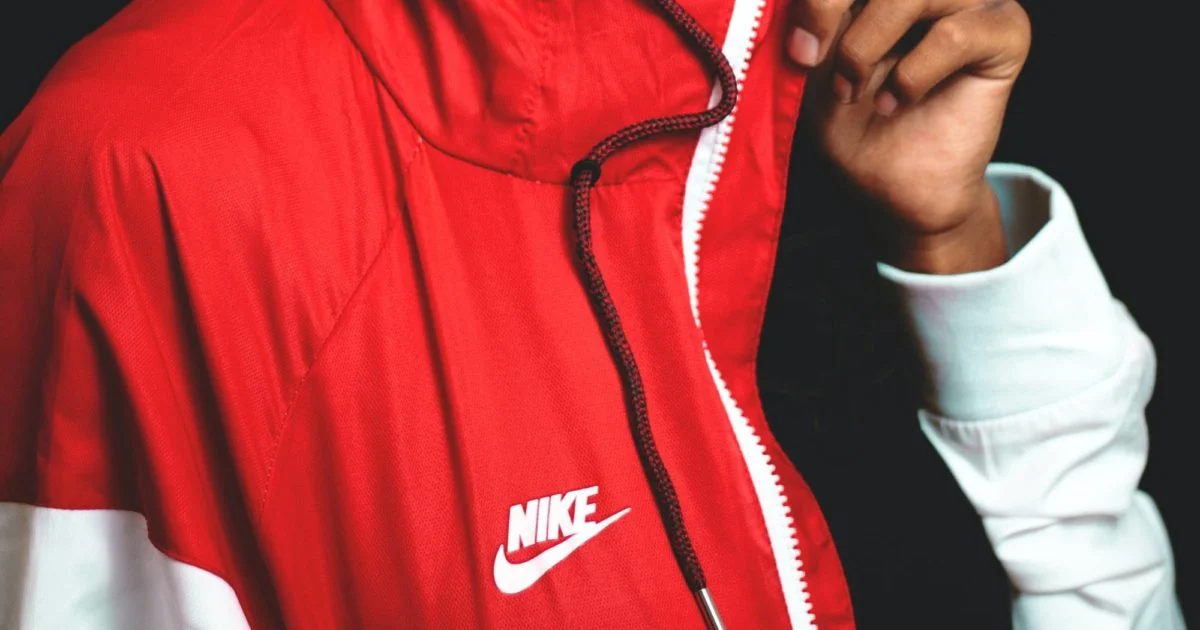
Nike, a global titan in sportswear, remains one of the most frequently scrutinized brands within the Good On You directory, reflecting widespread public interest in its ethical and sustainable practices. Despite its pervasive presence and inspiring marketing campaigns, an in-depth analysis of Nike’s operations suggests the brand still has considerable ground to cover to align with leading ethical standards. This comprehensive review, based on the brand’s "It’s a Start" rating published in January 2026 and updated with the latest insights as of March 2026, delves into Nike’s performance across critical environmental, labour, and animal welfare metrics.
Nike’s Enduring Ethical Landscape: A Historical Perspective
The journey of Nike, from its founding in 1964 to its current status as a multi-billion dollar enterprise, has been punctuated by both unprecedented commercial success and persistent ethical challenges. While its "Just Do It" slogan has become synonymous with athletic achievement and personal empowerment, the company’s manufacturing practices have, for decades, drawn criticism regarding labour conditions and environmental impact. This dichotomy between its public image and operational realities forms the core of ongoing discussions about Nike’s true ethical standing.
The brand’s popularity has, in many ways, developed despite a recurring spotlight on its supply chain. Since the 1970s, Nike has faced accusations of utilizing sweatshop labour, a term that gained significant public traction in the 1990s. Early reports, such as those by activist Jeffrey Ballinger in Harper’s Magazine in 1992, exposed stark realities within Indonesian factories, detailing low wages, unsafe working conditions, and the exploitation of workers, predominantly women. These revelations ignited a powerful global anti-sweatshop movement, spearheaded by organizations like United Students Against Sweatshops, which targeted Nike as a prominent symbol of corporate malfeasance.
Chronology of Labour Concerns and Responses
- 1970s-1980s: Initial, scattered reports and academic studies begin to raise questions about labour practices in the nascent globalized apparel industry, including factories supplying Nike.
- Early 1990s: The issue gains significant public awareness. Jeffrey Ballinger’s detailed accounts from Indonesian factories, published in Harper’s Magazine, provide concrete evidence of poor conditions and wages. Media attention, including reports on CBS, amplifies these concerns.
- Mid-1990s: The anti-sweatshop movement intensifies. United Students Against Sweatshops launches sustained campaigns, boycotts, and protests against Nike on university campuses and globally, demanding greater transparency and improved worker rights.
- Late 1990s: Under immense public pressure, Nike begins to implement changes. This includes improving monitoring efforts, establishing a minimum age for workers in its supplier factories, and increasing the frequency and scope of factory audits. While a step forward, critics argued these measures were often reactive and lacked independent verification.
- 2000s-2010s: Nike continues to face scrutiny but also invests in corporate social responsibility initiatives, developing codes of conduct for suppliers and reporting on some aspects of its supply chain. However, fundamental issues like living wages remain largely unaddressed across its vast network.
- 2017: A Step Backwards: The International Labor Rights Forum reports Nike’s decision to withdraw from its commitment to the Worker Rights Consortium (WRC). This move effectively removes an independent layer of oversight by labour rights experts, raising concerns about transparency and accountability in its supplier factories. Nike’s rationale for this decision, while not extensively detailed publicly at the time, was seen by many advocacy groups as a move to reduce external scrutiny.
- 2018: "Foul Play" Report: The Clean Clothes Campaign and Collectif Ethique sur l’Etiquette release the "Foul Play" report, critically examining the disparity between the escalating sponsorship deals with sports stars and marketing expenses, versus the stagnating or decreasing share of product price allocated to garment workers. The report specifically called on Nike to commit to paying living wages across its entire supply chain.
- 2020-2025: Ongoing Pressure and Delayed Compensation: During the COVID-19 pandemic, approximately 3,300 workers at the Thai supplier factory Hong Seng Knitting were allegedly pressured into taking unpaid leave. It took five years of sustained advocacy from a coalition of organizations, including the Clean Clothes Campaign, Fair Labor Association, Worker Rights Consortium, and Partners for Dignity and Rights, before Nike committed to providing compensation. This incident underscored a persistent pattern: Nike often requires significant external pressure before taking meaningful action on ethical grievances.
- Ongoing Challenges (2026): Despite adopting a living wage definition consistent with the Global Living Wage Coalition and ensuring payment in some final production stages, Nike has yet to implement living wages across its entire supply chain. Recent investigations by ProPublica and The Oregonian have accused Nike of strategically shifting production to regions in Indonesia with lower minimum wages, a practice that, if confirmed, directly contradicts the spirit of living wage commitments.
Environmental Impact: An "It’s a Start" Assessment
Nike’s environmental performance receives an "It’s a Start" rating, indicating initial efforts but significant room for improvement. While the brand has publicly acknowledged the urgency of climate action and resource stewardship, the depth and measurable impact of its initiatives remain a concern.
One positive aspect is Nike’s utilization of some lower-impact materials in its product lines. This typically includes materials like recycled polyester, organic cotton, and other sustainably sourced fibres. However, a critical transparency gap exists: Nike does not publish an aggregate breakdown of the materials used across its entire product portfolio. Without this crucial data, it becomes challenging for external observers and consumers to ascertain the true proportion of lower-impact fibres in Nike’s overall material mix, potentially opening the door to accusations of "greenwashing"—selectively highlighting positive environmental actions without revealing the full picture.
In terms of climate action, Nike has set a science-based target (SBT) to reduce greenhouse gas emissions generated from both its direct operations (Scope 1 and 2) and its extensive supply chain (Scope 3). Science-based targets are widely recognized as vital for aligning corporate emissions reductions with the goals of the Paris Agreement. While setting such a target is commendable, Nike has not consistently shared clear, verifiable evidence demonstrating whether it is on track to meet this ambitious goal. The absence of regular progress reports or detailed data makes it difficult to assess the effectiveness of its climate strategy and its actual contribution to global emissions reduction.
Nike has also introduced circularity initiatives aimed at reducing waste. Programs like "Re-Creation" involve product upcycling, giving new life to old garments, while "Refurbished" focuses on refreshing unsold or cosmetically imperfect sneakers (e.g., factory seconds or customer returns) for resale. These initiatives align with the broader industry shift towards a circular economy, which seeks to minimize waste and maximize resource utility. However, similar to its material breakdown, the scale and measurable impact of these circularity efforts are not clearly disclosed. Without specific data on the volume of materials diverted from landfill or the percentage of products given a second life, it is challenging to determine if these programs are meaningfully contributing to a reduction in the brand’s overall environmental footprint or if they represent relatively small-scale pilot projects.
Labour Conditions: A "Not Good Enough" Rating
The most significant area of concern for Nike lies in its labour practices, where its rating has unfortunately declined to "Not Good Enough." This reflects a persistent pattern of issues and a perceived reluctance to fully commit to robust, independently verified worker protection mechanisms.
The 2017 decision to disengage from the Worker Rights Consortium (WRC) was a critical setback. The WRC is an independent labour rights monitoring organization that investigates working conditions in factories around the globe and reports publicly on its findings, offering a vital layer of accountability for brands. Nike’s withdrawal effectively removed an important external check on its supply chain.
Furthermore, Nike’s continued refusal to sign the International Accord for Health and Safety in the Textile and Garment Industry is a glaring omission. This legally binding agreement, established in the wake of the devastating Rana Plaza factory collapse in Bangladesh in 2013 (which killed over 1,100 garment workers), is a cornerstone of improved factory safety standards. Many of Nike’s major competitors, including Adidas, have signed the Accord, committing to safer workplaces. Nike’s reluctance raises serious questions about its commitment to ensuring the fundamental safety of the workers who produce its vast array of products.
While Nike does conduct audits of some parts of its supply chain, including all final production stages, critics argue this is often the "easiest" stage to monitor. The complexities of global supply chains mean that exploitation can occur much further upstream, at the raw materials stage (e.g., cotton farms, dye houses), which are far less frequently audited or transparent. A truly ethical supply chain requires comprehensive oversight from raw material sourcing to final product assembly.
The issue of living wages remains a central point of contention. The 2018 "Foul Play" report highlighted a stark contrast: as Nike’s revenues and marketing expenditures (including massive athlete sponsorships) soared, the share of the final product price reaching the workers who made the garments continued to diminish. A living wage is defined as sufficient income for workers to afford a decent standard of living for themselves and their families, covering food, housing, healthcare, education, and some discretionary income. While Nike has adopted a living wage definition and methodology consistent with the Global Living Wage Coalition, and states it ensures payment in some final production stages, this falls short of a comprehensive, company-wide commitment. The recent ProPublica and The Oregonian investigation, alleging Nike’s strategic relocation of production to lower minimum wage regions in Indonesia, if substantiated, would further undermine claims of progress on living wages. For a company with Nike’s immense purchasing power and global reach, its responsibility to ensure long-term financial security for all workers in its supply chain is paramount.
Beyond wages and safety, concerns have also been raised regarding diversity and inclusion. While Nike often projects an image of championing diversity in its marketing, reports from publications like the Business of Fashion suggest a potential backtracking on internal commitments. Specifically, the brand reportedly did not publish a 2025 impact report related to its diversity goals and scaled back its Black History Month and Pride collections. Such actions, if accurate, contradict its outward messaging and raise questions about the sincerity of its internal diversity and inclusion efforts.
Animal Welfare: Another "Not Good Enough" Score
Nike’s performance in animal welfare also garners a "Not Good Enough" rating, a status that has remained unchanged for several years. The brand incorporates a range of animal-derived materials into its products, including wool, leather, down, shearling, and angora.
While Nike does use some recycled or certified alternatives to conventional leather and wool, these efforts are deemed insufficient to offset the brand’s overall demand for virgin animal fibres. The large-scale production volume of Nike means that its continued reliance on these materials contributes significantly to the demand for products derived from animal agriculture, an industry often associated with ethical concerns regarding animal treatment, land use, and environmental impact (e.g., methane emissions from livestock, deforestation for grazing).
For a brand of Nike’s stature, a stronger commitment to reducing its reliance on animal products, or ensuring the highest standards of animal welfare certification across its entire supply chain for any animal-derived materials it continues to use, is expected. The slow pace of change in this area indicates a disconnect with evolving consumer expectations and industry trends towards more vegan and cruelty-free alternatives.
Overall Rating: "It’s a Start" – A Call for Accelerated Progress
Based on the latest review, Nike’s overall rating remains "It’s a Start." This indicates that while the company has implemented some promising measures and shown a willingness to engage with sustainability, these efforts are often piecemeal, lack comprehensive transparency, or are not implemented at a scale commensurate with its global influence and market position.
Nike, as a leader in consumer culture and the sportswear industry, bears a significant responsibility to lead by example. The consistent and long-standing controversy surrounding labour exploitation, spanning over 35 years, underscores a critical area where fundamental change is still needed. A firm, unequivocal commitment to eliminating labour exploitation throughout its entire supply chain, coupled with the implementation of living wages for every worker, is not merely an ethical desideratum but a moral imperative.
Furthermore, enhanced transparency across all pillars – detailing material breakdowns, providing verifiable progress on environmental targets, and demonstrating the true scale of circularity initiatives – is crucial for building trust and avoiding accusations of superficial efforts. The absence of participation in key industry-wide safety accords also highlights a gap in its commitment to worker well-being.
Good On You’s ratings system evaluates hundreds of issues, and this summary offers a snapshot of Nike’s performance across the most salient points. For consumers seeking to make more informed purchasing decisions, understanding these nuances is essential. The power of collective consumer demand for greater accountability can serve as a potent catalyst for brands like Nike to accelerate their progress towards truly ethical and sustainable practices.
Good Swaps: Ethical Alternatives to Consider
For consumers who admire Nike’s aesthetic and functionality but prioritize supporting brands demonstrating higher ethical and sustainability standards (rated "Good" or "Great"), several alternatives exist. These brands are actively working to address environmental impact, ensure fair labour practices, and promote animal welfare.
- Tripulse: A Swedish activewear brand dedicated to high-performing activewear that prioritizes the planet and its people. Tripulse emphasizes fitness as a foundation for a healthy life and aims to empower individuals. Its range typically covers sizes XS-6XL.
- Flamingos’ Life: This brand offers sneakers crafted entirely from animal-derived material-free components. Utilizing lower-impact and PETA-approved vegan materials, including upcycled options, Flamingos’ Life provides a conscious choice for footwear, with sizes typically available from 36-46.
- Agazi: Hailing from Poland, Agazi specializes in vegan footwear, offering a diverse collection of sneakers, sandals, heels, and flats. The brand integrates non-animal-derived materials such as hemp, apple skin, and grape-based alternative leathers into its designs.
Empowering Consumer Choices and Advocacy
While these more sustainable brands offer excellent alternatives, practical considerations like price point or specific product availability may sometimes lead consumers back to mainstream options. In such instances, conscious consumption can still be exercised by seeking secondhand Nike products through resale platforms or local thrift stores, thereby extending product lifecycles and reducing demand for new production.
Crucially, consumers hold significant power in demanding change. By actively engaging with brands through social media, customer service channels, or dedicated platforms like the "Your Voice" function on the Good On You app, individuals can voice their expectations for improved ethical and sustainable practices. A collective chorus of consumer demand can compel even the largest corporations to re-evaluate their strategies and commit to more responsible operations.
Editor’s Note:
Feature image via Unsplash, all other images via brands mentioned. Good On You publishes the world’s most comprehensive ratings of fashion brands’ impact on people, the planet, and animals. Use our directory to search thousands of rated brands.
We updated this article on 17 March 2026. Our editors frequently make updates to articles to ensure they’re up to date. We updated this article and sources to reflect the most recent rating review.