









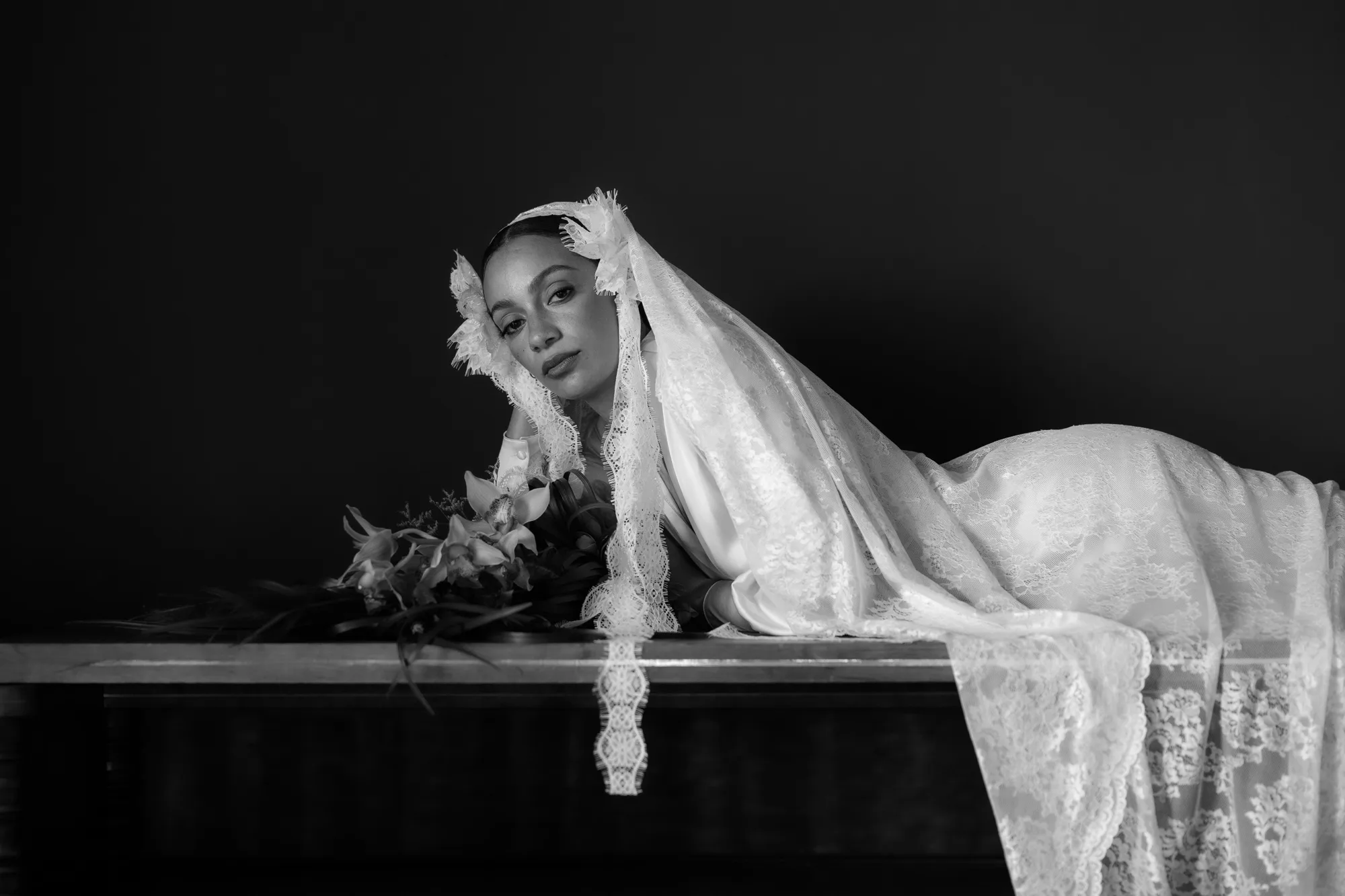
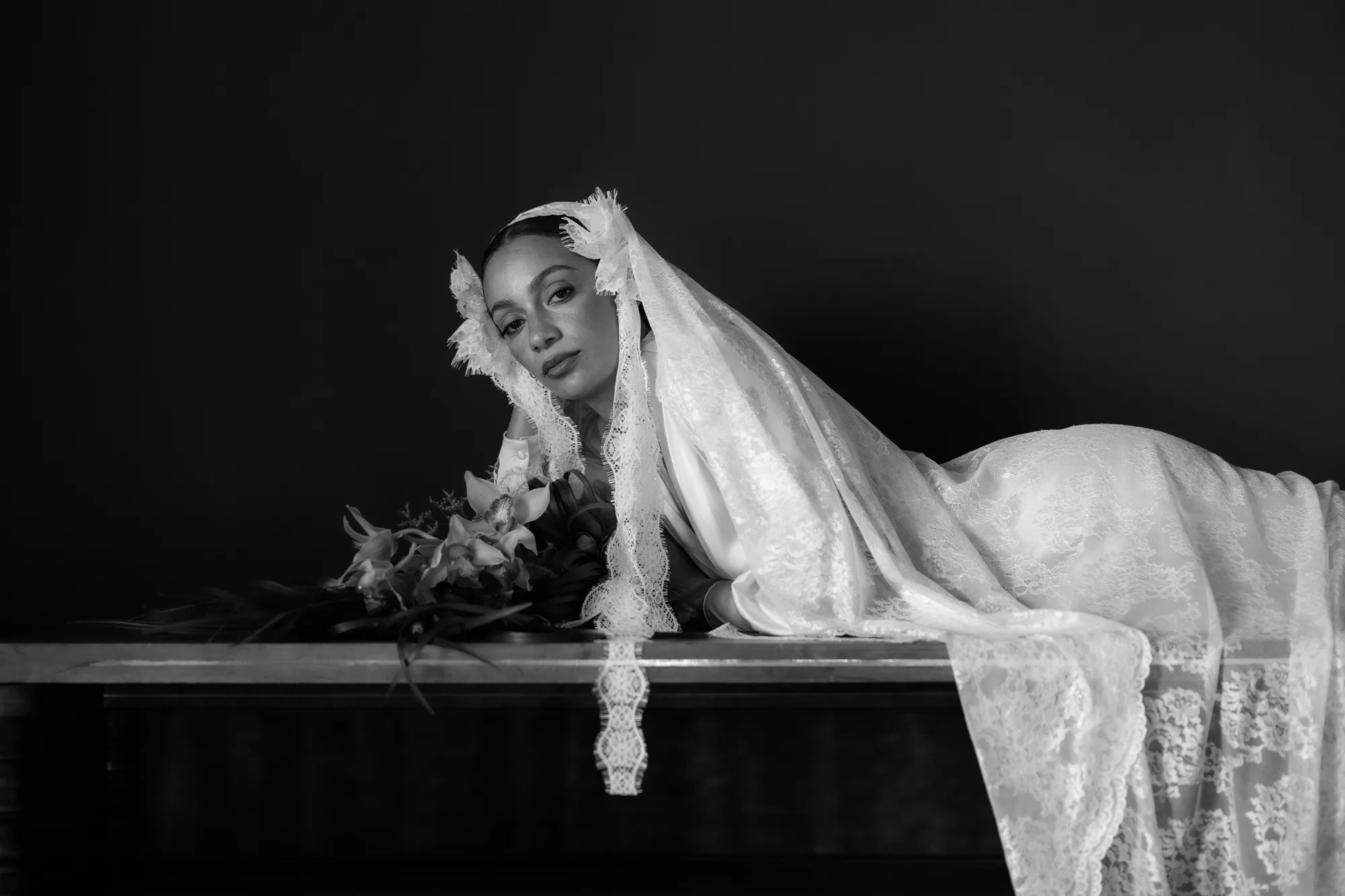
The luxury bridal market is currently witnessing a significant shift toward hyper-personalization, a trend exemplified by the latest collection from Devon-based studio Rebecca Anne Designs. Specializing in bespoke embroidered veils and bridal accessories, the label has announced an expansion of its creative repertoire, moving beyond traditional headpieces to incorporate intricate embroidery into broader elements of bridal attire. This evolution comes as the global bridal wear market, valued at approximately $61.1 billion in 2022, continues to pivot toward "slow fashion" and heirloom-quality products that prioritize individual storytelling over mass-produced aesthetics.
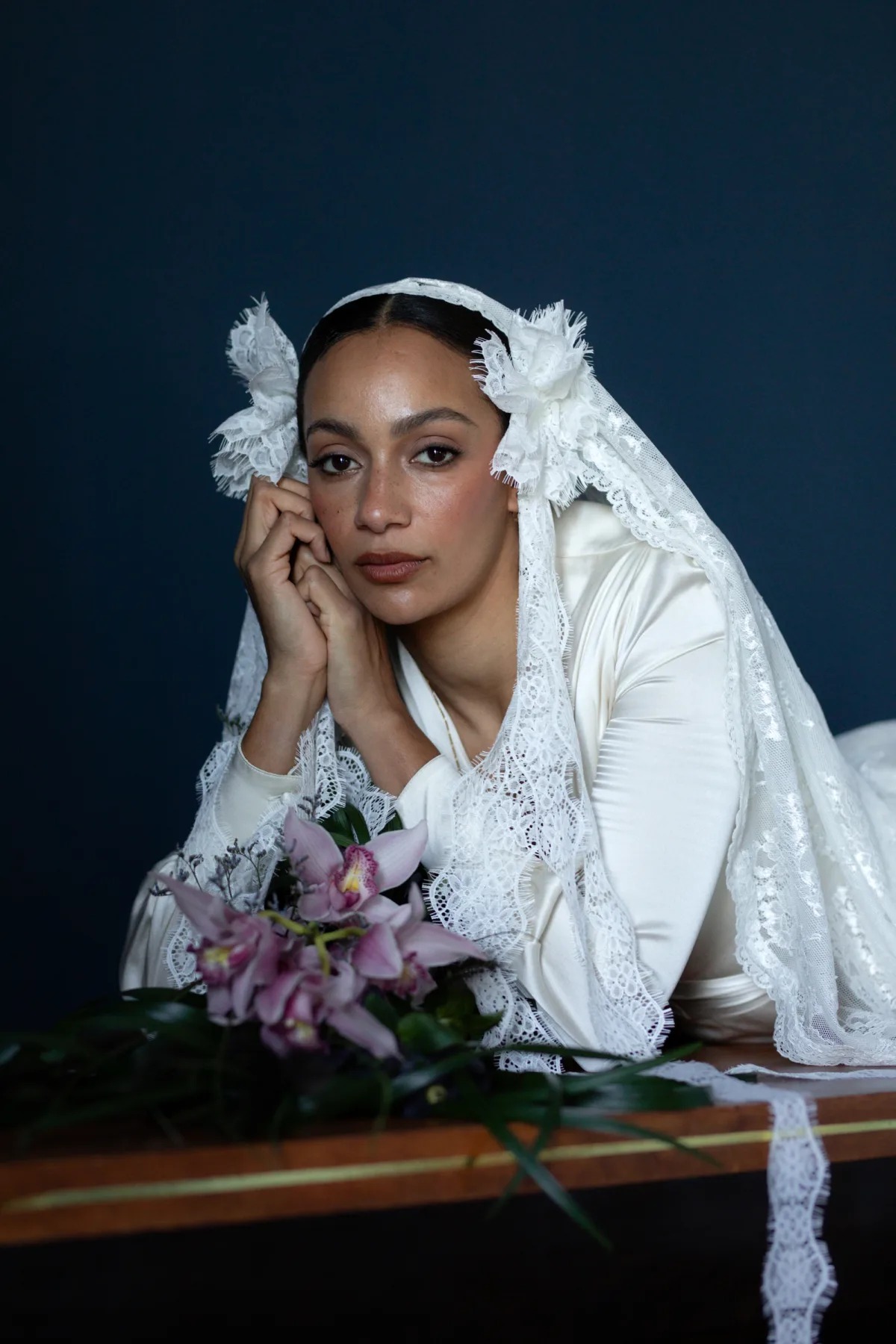
Founded by designer Rebecca Anne, the studio has spent the last decade establishing a niche within the UK’s artisanal textile sector. The new collection represents a technical milestone for the brand, introducing a signature "trapped lace" technique where delicate lace fabric is encased within embroidered linework. This method effectively merges two distinct textile traditions, allowing the designer to "draw" new patterns using thread to frame existing lace structures. By integrating these elements, the brand seeks to address a growing demand for multi-dimensional bridal accessories that serve as both fashion statements and sentimental keepsakes.
The Evolution of Bespoke Embroidery in the Modern Wedding Industry
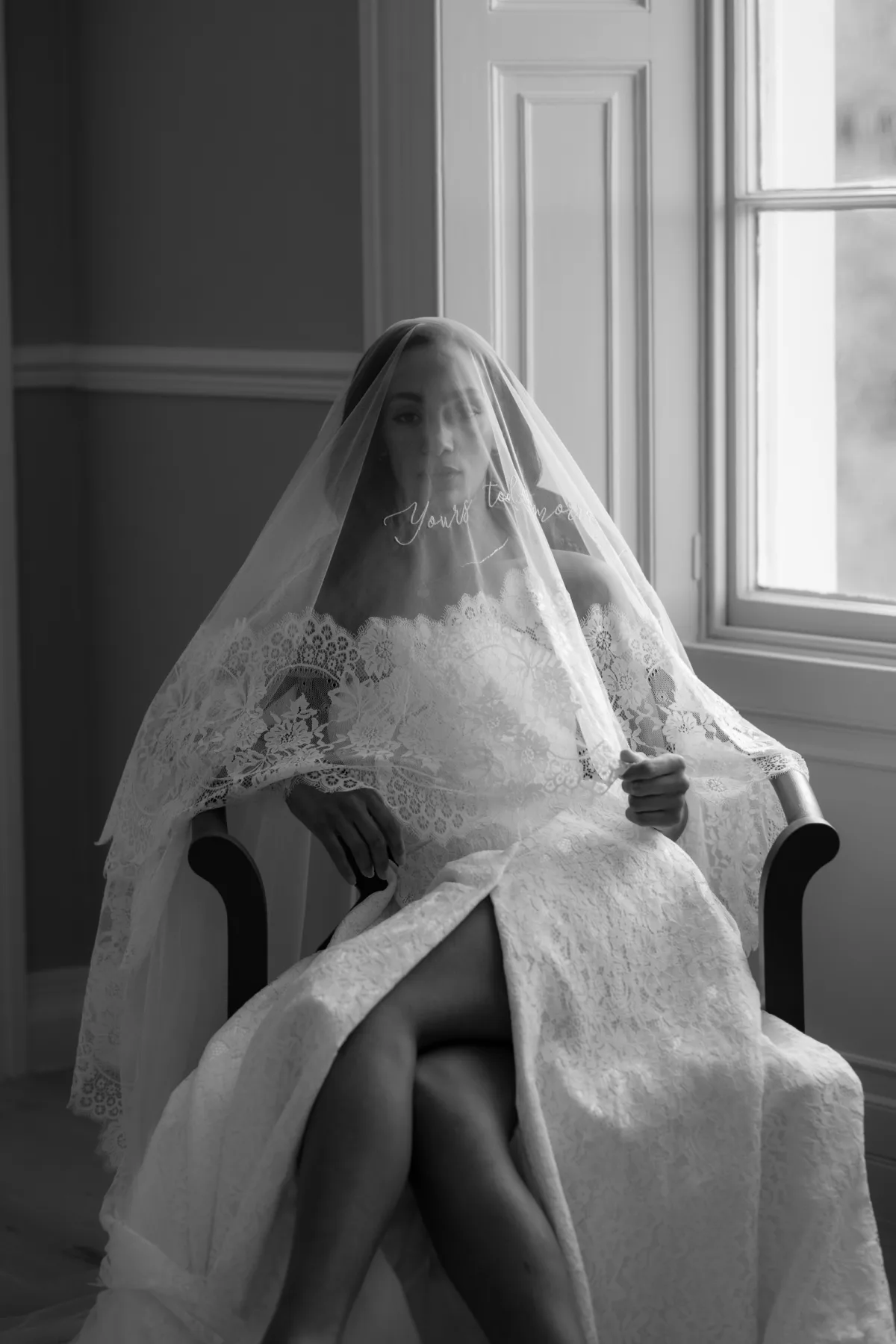
The rise of Rebecca Anne Designs mirrors a broader movement within the wedding industry where couples increasingly seek to embed personal history into their ceremony. According to industry reports from 2023, approximately 45% of high-end bridal clients now request some form of personalization, ranging from custom monograms to symbolic motifs. Rebecca Anne’s work facilitates this through hand-drawn art and digitized embroidery that can replicate specific handwriting, family flowers, or meaningful dates.
The designer’s background includes over 15 years in the wedding industry and a formal education in fashion design. This technical foundation is evident in the studio’s transition from simple veils to complex garments, such as the newly unveiled lace panel skirts featuring embroidered script on tulle. By treating the veil and accompanying accessories as a canvas for narrative, the studio occupies a unique space between traditional millinery and contemporary couture.
Technical Innovation: The Trapped Lace Technique
Central to the new collection is the integration of lace and embroidery, a process that requires precision at both the design and execution stages. Unlike traditional appliqué, where lace is sewn onto a surface, the "trapped lace" method involves securing lace fabric within a framework of custom-digitized embroidery. This creates a seamless appearance where the thread appears to grow out of the lace, allowing for a more fluid and modern aesthetic.
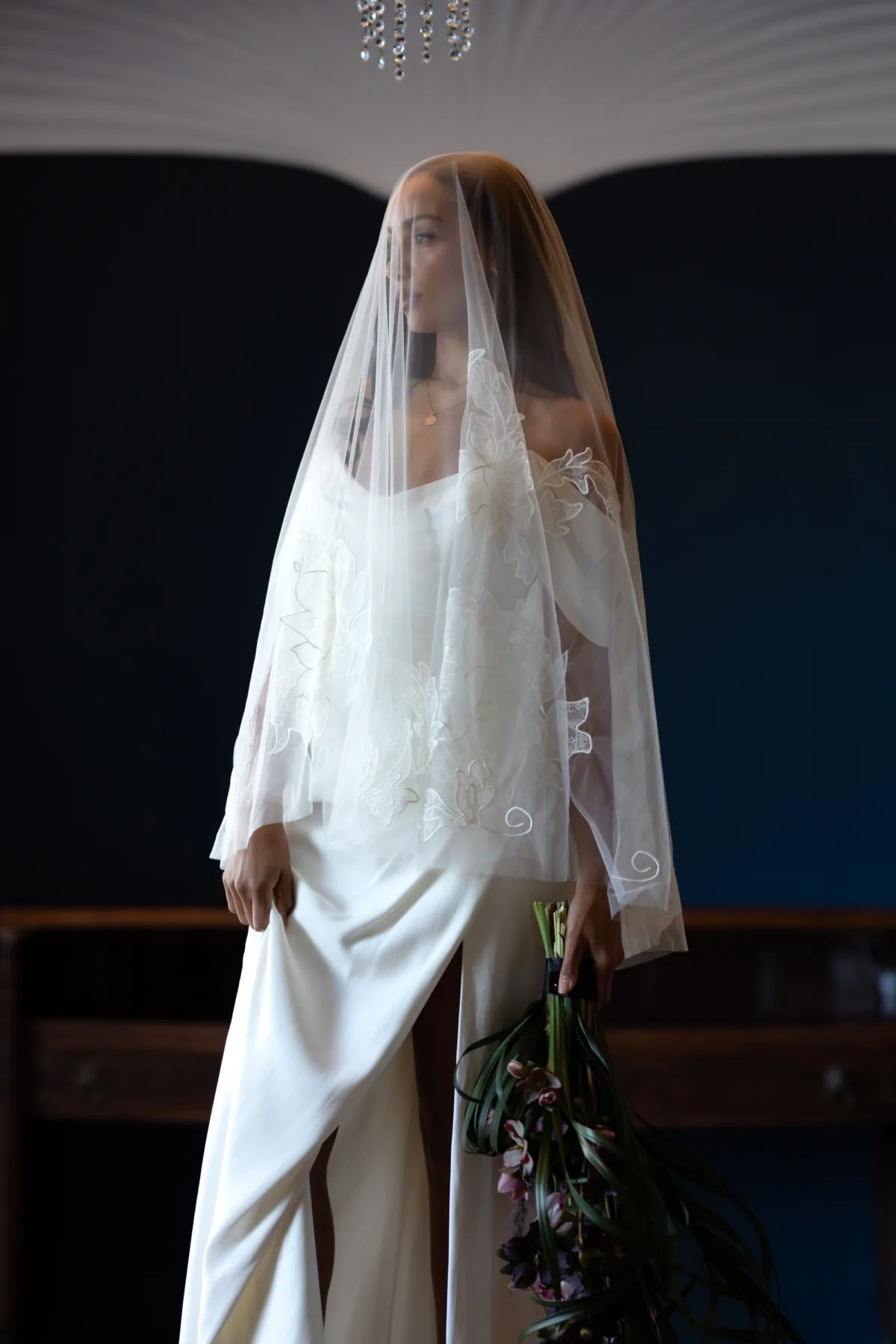
The process begins in the Devon studio with hand-drawn sketches. These illustrations are then digitized to determine the exact scale and stitch density required for the specific tulle being used. Given the delicate nature of bridal tulle, the tension and weight of the embroidery must be carefully balanced to ensure the fabric drapes correctly without tearing or sagging. This technical rigor ensures that the finished pieces remain wearable and elegant, despite the complexity of the designs.
Chronology of a Commission: From Consultation to Delivery
The operational model of Rebecca Anne Designs highlights the digital transformation of the luxury service sector. Despite maintaining a physical studio in the South West of England, the brand conducts the majority of its business through virtual consultations. This approach has allowed the studio to expand its reach to a global clientele while maintaining the intimacy of a small-batch producer.
- Initial Inquiry and Consultation: Brides typically engage with the studio four to twelve months before their wedding date. Virtual sessions via Zoom are used to discuss the gown’s silhouette, the wedding’s aesthetic, and the specific personal details to be embroidered.
- Design and Prototyping: Following the consultation, the designer creates visual mock-ups and stitch samples. This stage is collaborative, allowing the client to approve the scale and placement of motifs such as celestial symbols, floral arrangements, or sentimental phrases.
- Production and Hand-Finishing: Once the design is finalized, the embroidery is executed in-house. The final stages involve hand-sewing the veils to combs and performing quality checks. This phase often involves a small family team, including the designer’s mother, who assists with the final hand-finishing touches.
- Delivery: The studio aims to deliver the completed piece approximately ten weeks before the wedding, ensuring the bride can incorporate the accessory into her final dress fittings.
Market Analysis: The Shift Toward Sentimentality
The success of embroidered bridal wear is rooted in the emotional value of the product. In an era of digital photography and social media, the visual impact of a veil—often described as the "finishing touch" of a bridal ensemble—has taken on renewed importance. However, the move toward bespoke embroidery suggests that brides are looking for more than just a photogenic accessory.
Case studies from the studio’s recent commissions illustrate the diverse ways in which embroidery is used to honor family history. Recent projects have included translating floral paintings by a client’s late mother into stitch patterns, creating a "floral meadow" along a hem where each flower represents a different female relative, and embroidering handwriting from a grandparent’s letter onto the tulle. These examples demonstrate how the studio’s work functions as a form of "wearable storytelling," a concept that resonates deeply in a post-pandemic market where family connections and personal history are prioritized.
Operational Sustainability and the Family-Run Model
The business structure of Rebecca Anne Designs is a notable example of a modern, small-scale creative enterprise. By involving family members—including the designer’s husband in a supportive operational role and her mother in production—the brand maintains a low-overhead, high-quality output. This model is increasingly common in the UK’s "craft economy," where artisans leverage digital tools to manage global logistics while keeping production localized and sustainable.
By keeping all stages of production in-house, the studio avoids the ethical and quality control issues associated with outsourced manufacturing. This localized approach also allows for greater flexibility in lead times; while a four-month window is preferred, the studio’s agility enables it to accommodate shorter timeframes when necessary, a critical advantage in the fast-paced wedding industry.
Broader Impact and Industry Implications
The expansion of Rebecca Anne Designs into broader bridal attire categories suggests a potential shift in how accessories are viewed within the luxury market. Rather than being secondary to the dress, bespoke embroidered pieces are increasingly being treated as the centerpiece of the bridal look. This trend is likely to influence other designers to explore the intersection of embroidery, lace, and personalization.
Furthermore, the brand’s reliance on virtual consultations provides a blueprint for other artisanal businesses looking to scale without losing their bespoke appeal. As technology continues to bridge the gap between rural studios and urban or international clients, the "artisan designer" model is poised to become a permanent fixture of the luxury landscape.
In conclusion, the latest collection from Rebecca Anne Designs is more than a seasonal update; it is a reflection of the current cultural moment in the bridal industry. By combining technical innovation with deep-seated sentimentality, the studio provides a tangible link between fashion and emotion. As the demand for personalized, heirloom-quality goods continues to grow, the role of the specialist embroiderer will remain vital in transforming standard bridal attire into a unique narrative of human connection. Through the careful balance of thread, lace, and story, the studio ensures that the wedding veil remains not just a tradition, but a profound expression of individual identity.