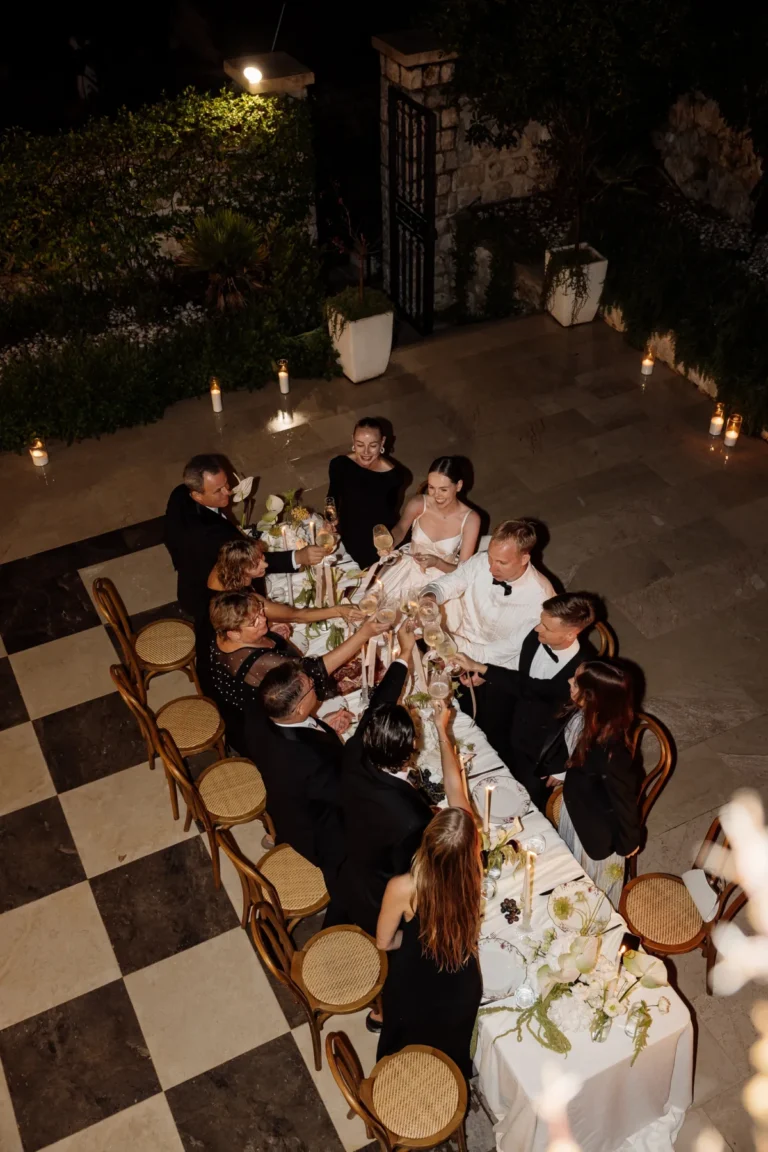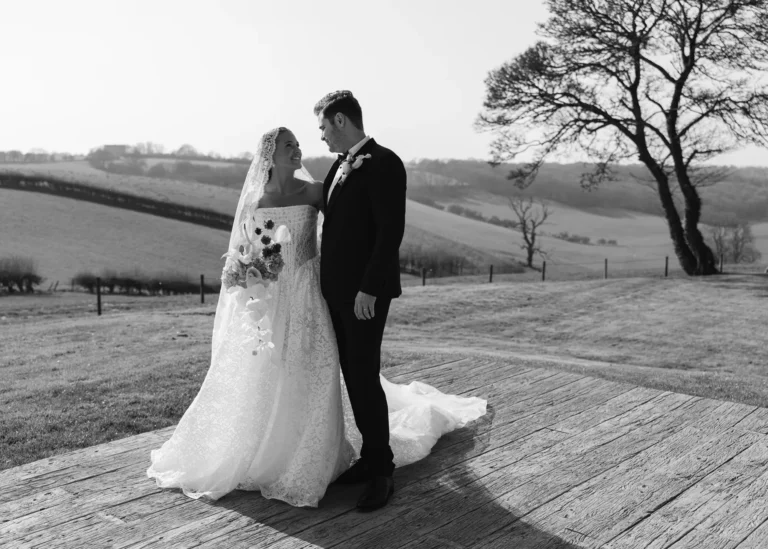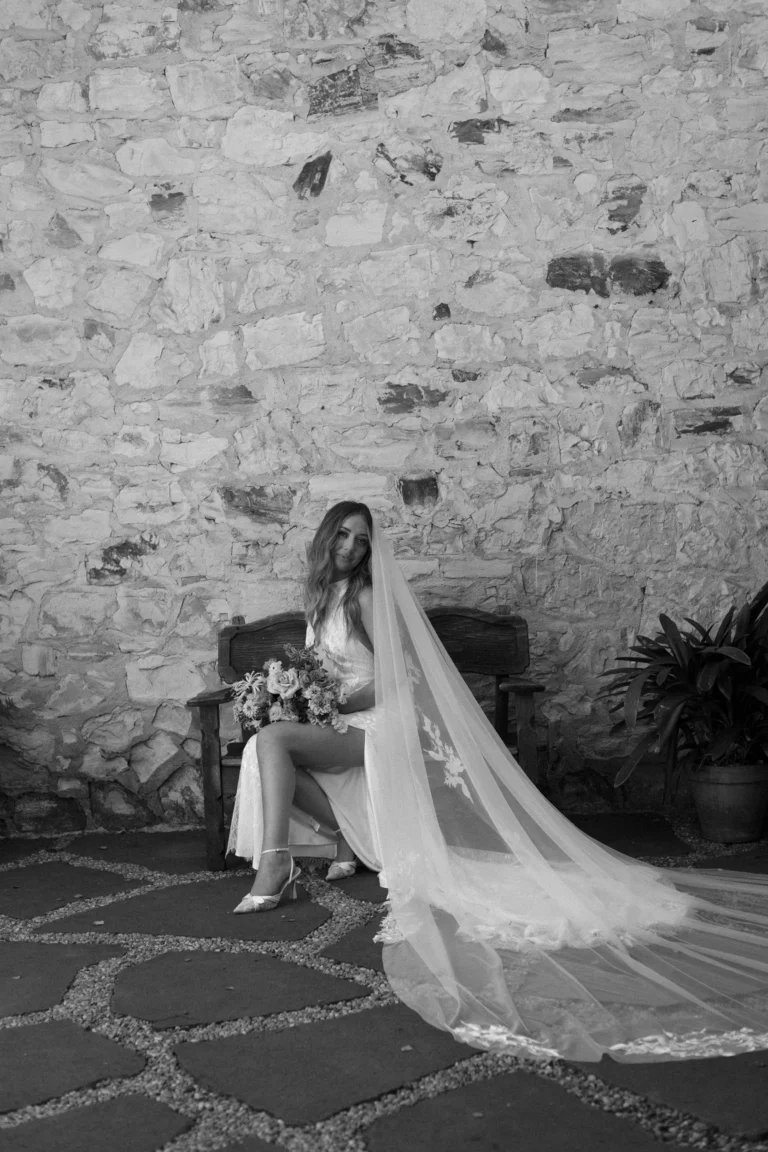








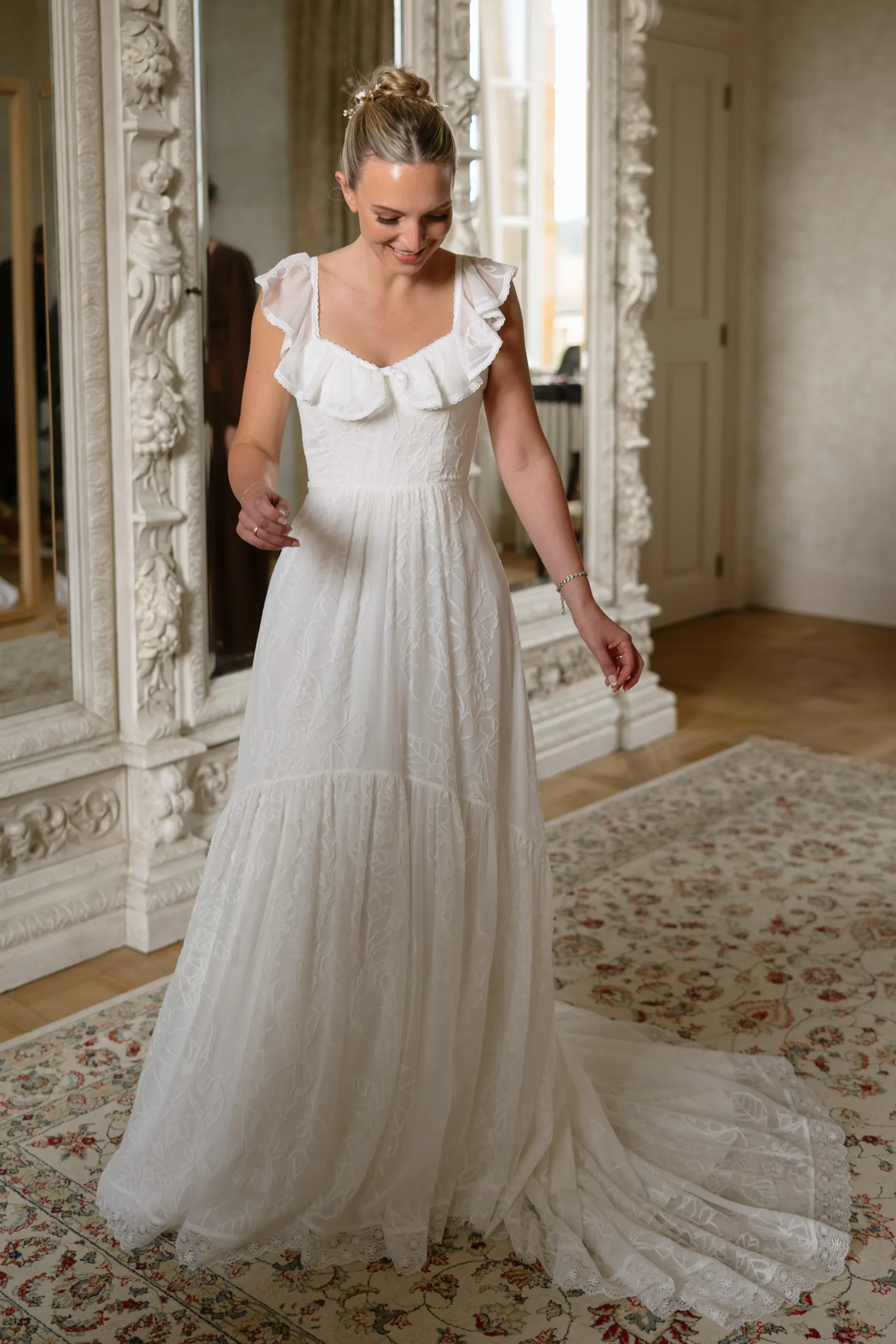
The nuptials of Laura and Ben, held on September 20, 2025, at the historic Chateau Cazenac in the Dordogne region of France, represent a growing shift in the international wedding market toward high-end destination events characterized by intimacy and regional authenticity. The couple, who share a long-standing personal history with the French countryside, opted for a celebration that emphasized seasonal aesthetics and close-knit social gatherings over large-scale traditional ceremonies. This event underscores the enduring appeal of the Nouvelle-Aquitaine region as a primary hub for the global destination wedding industry, which has seen a marked increase in demand for "slow weddings" that prioritize guest experience and local sourcing.
Strategic Selection of Location and Venue
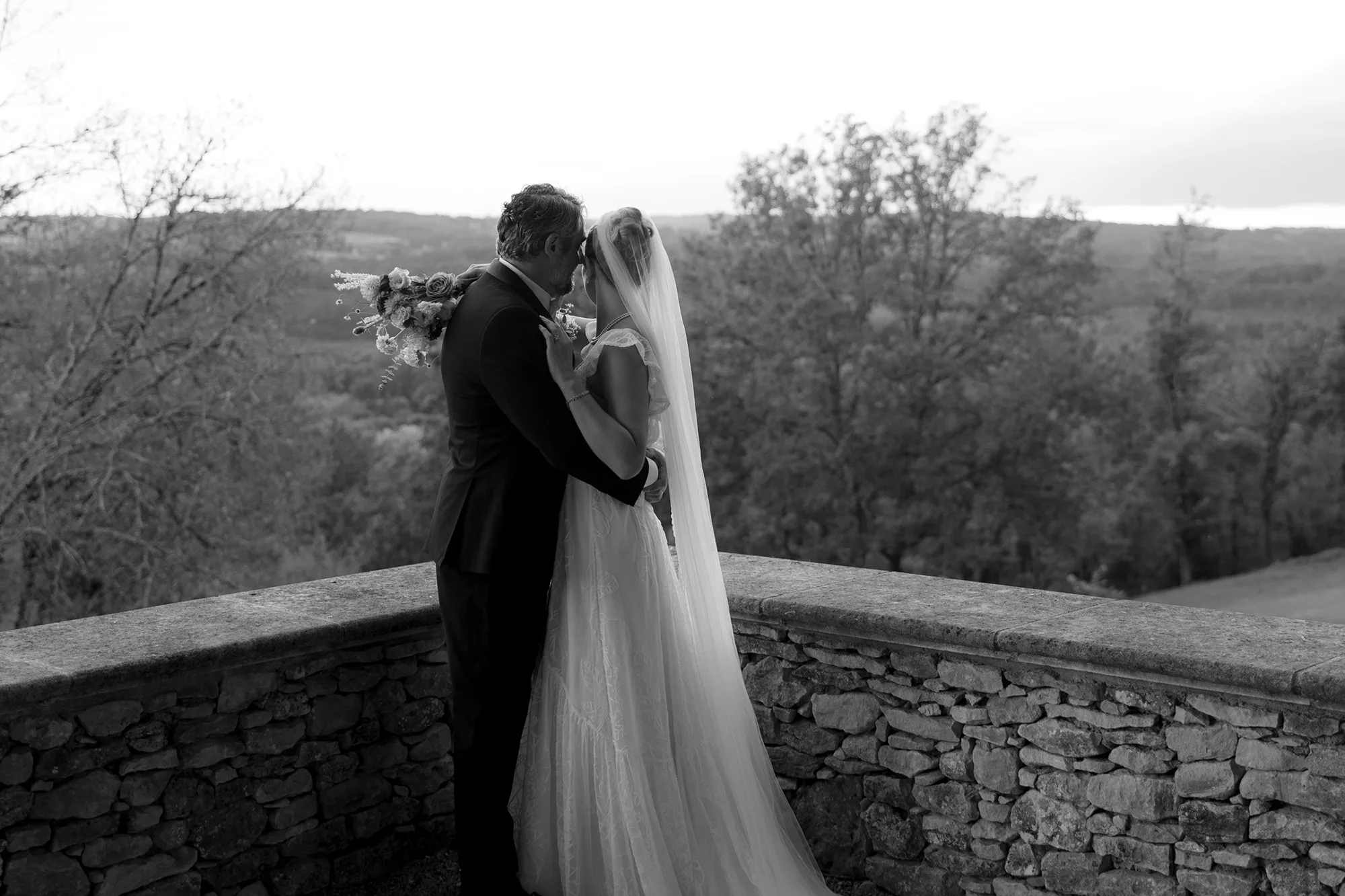
The choice of Chateau Cazenac was a calculated decision based on the couple’s decade-long history of vacationing in the Dordogne. Market analysts note that "sentimental geography"—choosing locations with prior personal significance—is a leading factor in venue selection for modern couples. Chateau Cazenac, situated in the heart of the "Land of 1,000 Chateaux," offers a combination of panoramic views and architectural heritage that appeals to the premium segment of the market.
The venue was the first and only site visited by the couple, a rare occurrence in a market where the average pair tours between four and seven venues before committing. The chateau’s ability to provide a romantic, secluded atmosphere while maintaining the infrastructure necessary for a multi-day international event was a primary driver for the selection. The Dordogne region itself remains a powerhouse in the French tourism sector; according to regional data, the wedding industry contributes significantly to the local economy, particularly in the shoulder seasons of May and September, when the climate is temperate and the natural light is optimal for professional photography.
Chronology of the Relationship and Planning Phase
The union of Laura and Ben followed a timeline that reflects contemporary courtship and engagement trends. The couple first met in 2012 in a London nightclub, with their inaugural date taking place in Covent Garden. This location would later serve as the backdrop for their engagement in November 2023, where Ben proposed under the Christmas tree, signaling the start of a two-year planning period.
A 24-month engagement is increasingly common among couples planning destination weddings, as it allows for the logistical complexities of international travel coordination and the securing of high-demand vendors. During this period, the couple focused on a "minimalist-luxe" philosophy, aiming to allow the natural beauty of the French estate to serve as the primary decorative element. The wedding was scheduled for late September to take advantage of the soft autumn tones and the seasonal availability of local flora.
Ethical Fashion and Artisan Craftsmanship
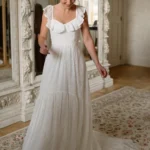
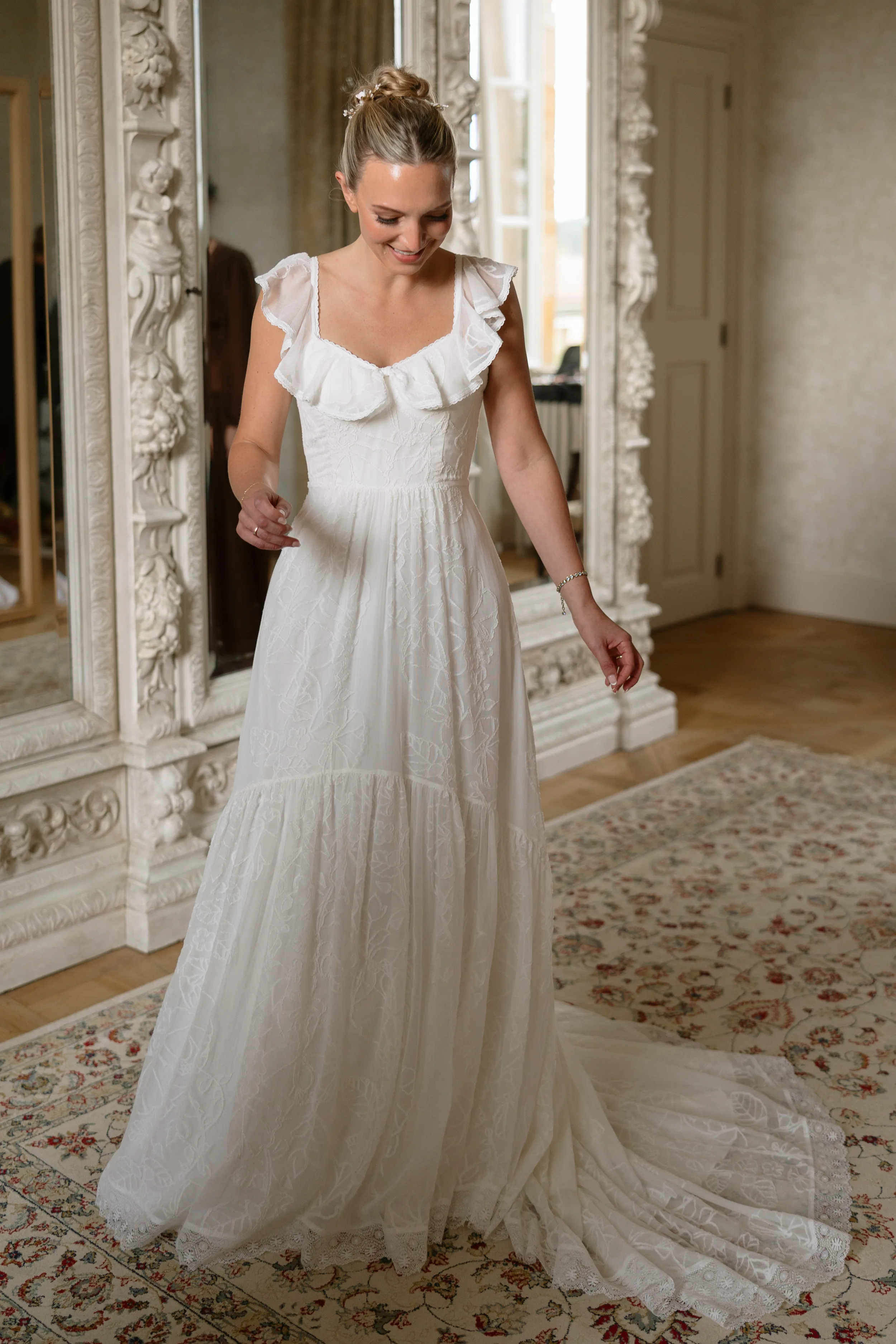
The bridal attire served as a focal point for the event’s aesthetic and ethical considerations. Laura selected the "Clementine" gown from Indie Bride London, a boutique known for its commitment to sustainable and ethical bridal wear. The dress was designed by Miina, a prominent figure in the sustainable fashion movement. Notably, the gown was chosen while still in the construction phase, highlighting a trend toward bespoke, artisan-led bridal fashion where the relationship between the designer and the client is prioritized over mass-produced alternatives.
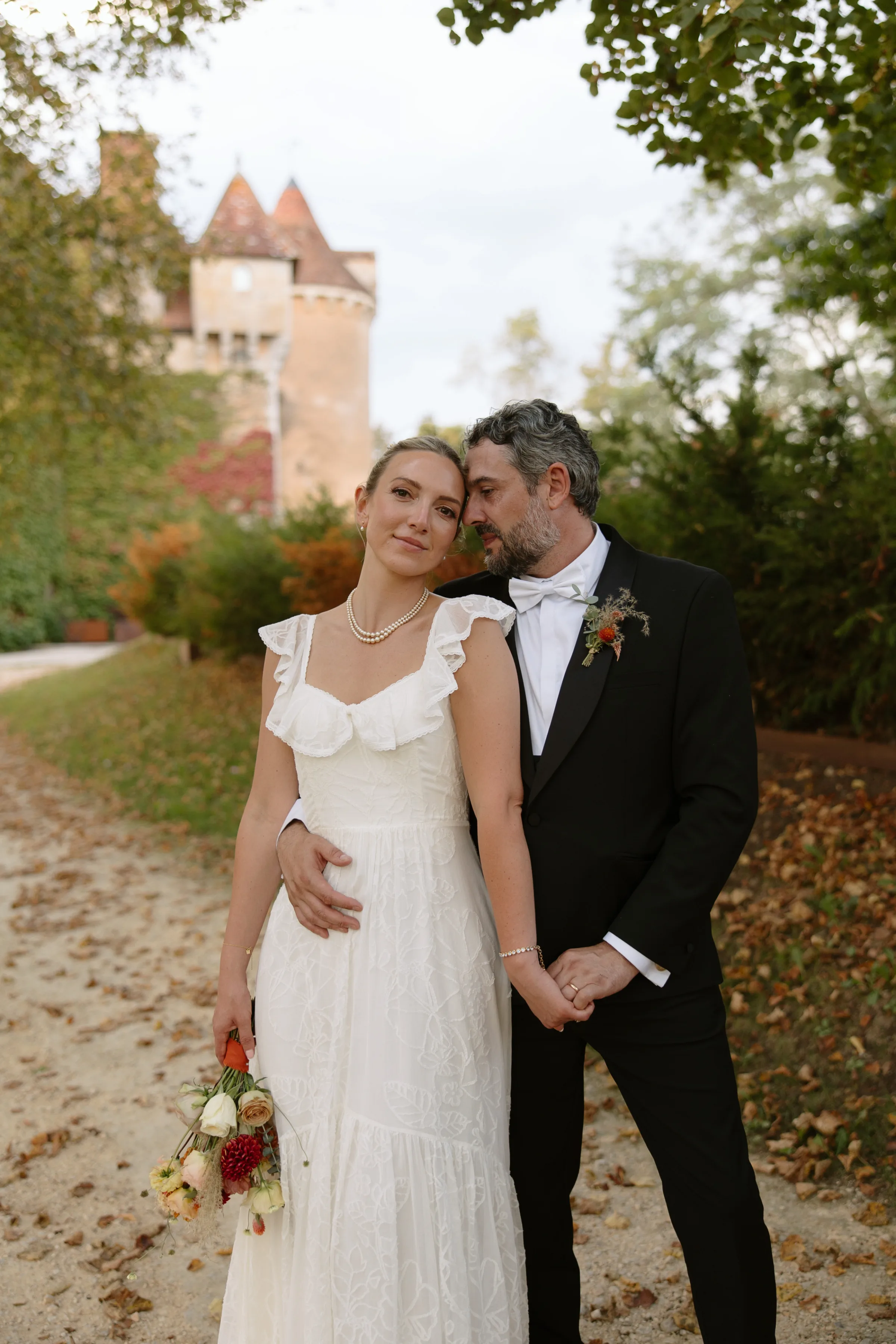
Complementing the gown were accessories with deep familial and artisanal roots. The bride wore pearl pins styled by her long-term friend and professional hair stylist, Aimée-Blu, and pearl earrings from the brand Kiki & Belle. In a nod to tradition and familial bonding, she also wore pearls loaned by the groom’s mother. This blend of new, ethical fashion and "something borrowed" heirlooms is a hallmark of the modern sentimental wedding.
The Ceremony and Procedural Elements
The ceremony was conducted outdoors on the grounds of Chateau Cazenac, led by celebrant Alison Phillips. The proceedings were characterized by a balance of traditional vows and highly personalized elements. Laura was escorted down the aisle by her mother to the sound of Whitney Houston’s "I Have Nothing," a choice that reflects the ongoing trend of incorporating contemporary power ballads into formal processions.
The ceremony included a reading of a short poem by the bride’s mother, emphasizing the family-centric nature of the event. The exchange of rings further anchored the wedding in its French setting; the bands were sourced from Atelier Lilor, a local jeweler based in the region. This commitment to local sourcing is an increasingly important metric for destination weddings, as couples seek to reduce the carbon footprint of their events while supporting the local economy of their host country.
Logistics, Catering, and Reception Management
The reception was held in the chateau’s Orangery, an architectural feature common in historic French estates. The décor was intentionally restrained, featuring a disco ball to transition the space into an evening venue while allowing the seasonal floral arrangements by Lucy at Les Fleurs De La Terre to dominate the visual landscape. The flowers were selected to mirror the natural transition of the Dordogne countryside into autumn.
Catering was managed by Lovage and Pumpernickel, a firm specializing in high-quality regional cuisine. In keeping with French tradition, the couple eschewed a standard tiered cake in favor of a croquembouche tower—a classic French dessert consisting of choux pastry puffs piled into a cone and bound with threads of caramel. This choice served as both a culinary highlight and a cultural homage to the venue’s heritage.
Logistical efficiency was maintained through the use of digital invitations and DIY stationery, facilitated by the platform Zazzle. The couple also opted for handmade guest favors, sourcing boxes from a local French haberdashery and filling them with locally purchased chocolates. These cost-saving measures allowed the couple to remain within their budget while maintaining a high standard of guest experience in other areas, such as photography and videography.
Documentation and Visual Media
The task of documenting the event was entrusted to photographer Frances Mary Sales and videographer Katy Fendall. Sales’ work is noted for its focus on natural light and candid emotional resonance, styles that are currently dominating the wedding photography market. In an era where visual content is often shared across social media platforms, the role of the photographer has shifted from mere documentation to the creation of a cohesive "brand" for the wedding day. The couple’s choice of vendors was based on a desire for a "fly-on-the-wall" approach that captured the atmosphere of the day without the intrusiveness of traditional posed photography.
Broader Impact and Industry Analysis
The Laura and Ben wedding serves as a case study for several key trends currently shaping the multi-billion dollar global wedding industry.
- The Rise of the "Micro-Destination" Wedding: By limiting the guest list to a close circle of family and friends, the couple was able to invest more deeply in the quality of the experience. This "quality over quantity" approach is a direct response to the rising costs of traditional large-scale weddings and a desire for more meaningful interactions.
- Sustainability and Ethical Sourcing: From the Indie Bride London gown to the local French jeweler and bakery, the event demonstrates a sophisticated understanding of ethical consumption. Couples are increasingly aware of the environmental and social impact of their celebrations.
- The Economic Resilience of Rural France: The continued success of venues like Chateau Cazenac highlights the importance of the wedding sector in sustaining rural economies. These events provide consistent revenue for local florists, caterers, and artisans, often outside the peak summer tourist season.
- DIY Integration: The use of digital tools for stationery and budgeting indicates a move toward "hybrid planning," where couples manage certain logistical aspects themselves while deferring to professionals for high-stakes elements like catering and photography.
Conclusion and Reflections on Wedding Wisdom
Following the event, the couple emphasized the importance of maintaining a personal vision amidst the pressures of wedding planning. Their strategy involved prioritizing the elements that held the most personal value—such as the ceremony and the evening celebration—while remaining flexible on minor details.
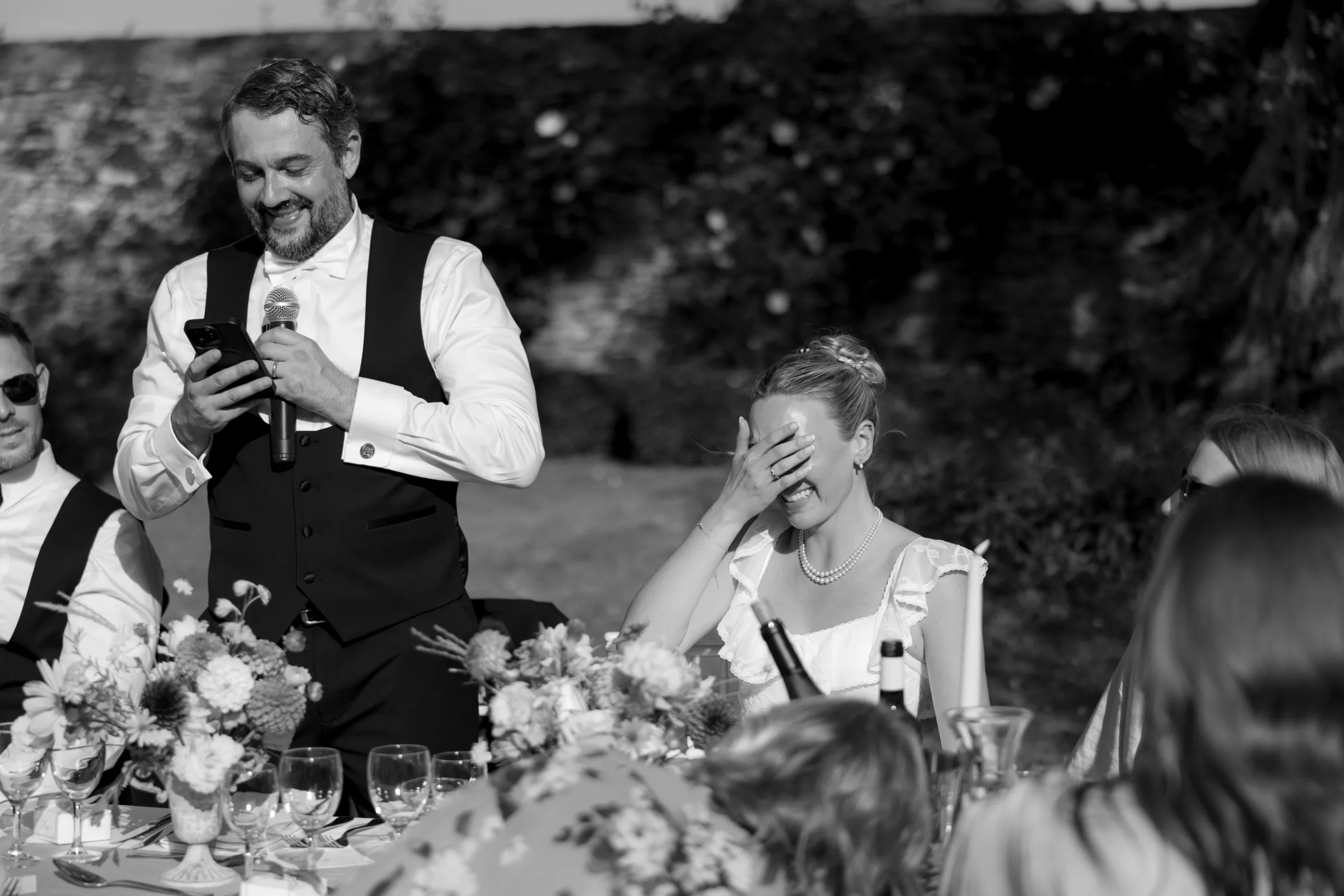
The success of the day, according to the couple, was rooted in the decision to "be present" and to trust that the extensive two-year planning phase would allow the day to unfold naturally. As the destination wedding market continues to evolve, the Laura and Ben nuptials at Chateau Cazenac stand as a definitive example of how tradition and modern sensibility can be successfully integrated in one of the world’s most iconic romantic landscapes.