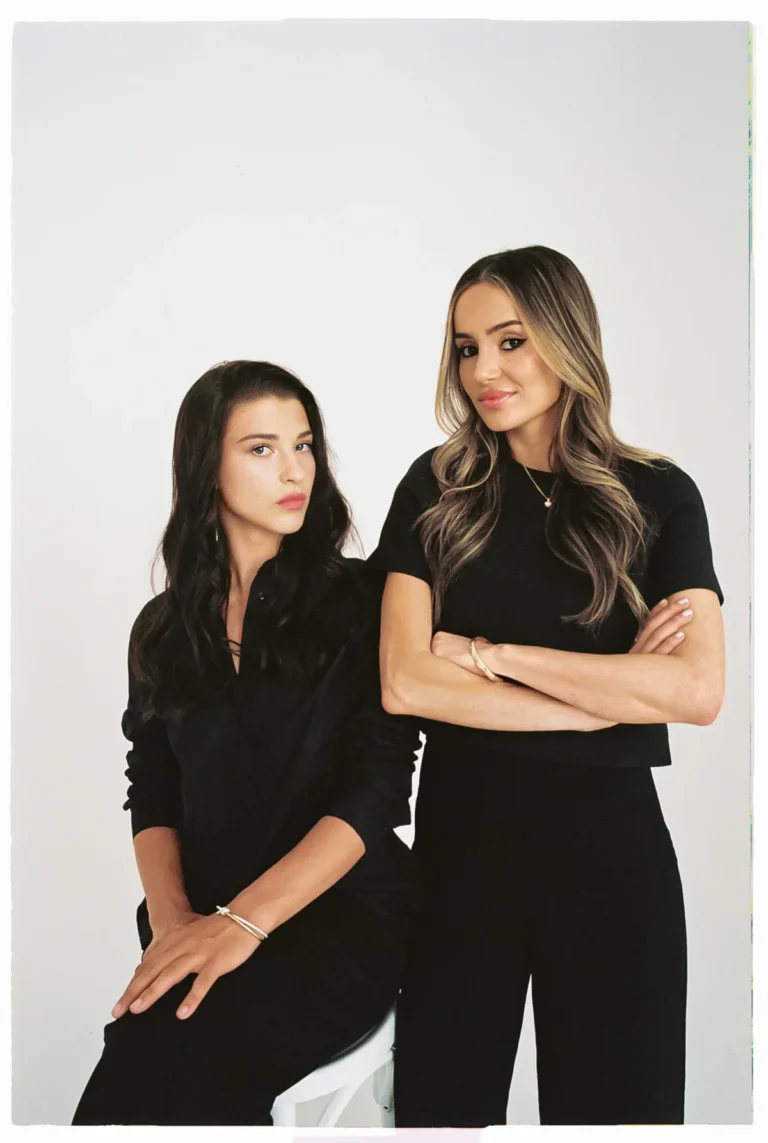









Alta, an artificial intelligence startup dedicated to personal styling and digital wardrobe management, has successfully closed an $11 million seed funding round led by Menlo Ventures. The investment marks a significant milestone for the company’s founder, Jenny Wang, a 28-year-old Harvard-trained engineer whose vision for a comprehensive digital stylist has been years in the making. The funding round attracted a diverse and prestigious group of investors, ranging from institutional venture capital firms to high-profile figures in the fashion, technology, and entertainment industries.
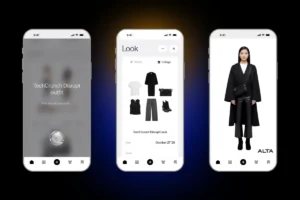
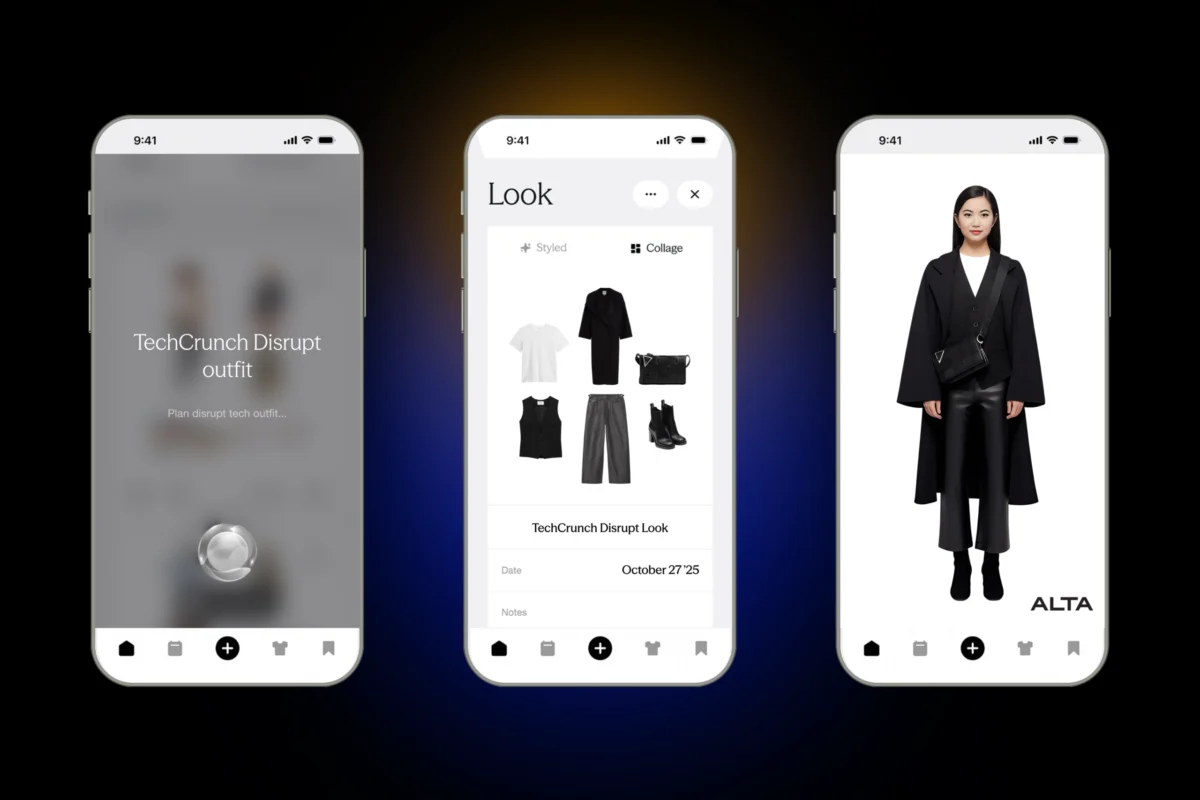
The core product offered by Alta is an AI-driven personal shopping and styling agent designed to alleviate the daily friction of choosing what to wear. By integrating a user’s budget, lifestyle, local weather patterns, and personal calendar, the platform provides tailored outfit recommendations. A central feature of the application is a personalized virtual avatar, which allows users to "try on" looks digitally before making a purchase or getting dressed. This functionality has drawn frequent comparisons to the iconic computerized closet depicted in the 1995 film "Clueless," a concept that has long been a "holy grail" for fashion technology but has historically struggled with technical execution.
The Technical Evolution of the Digital Closet
For Jenny Wang, the launch of Alta is the culmination of a persistent obsession with the intersection of fashion and technology. Throughout her career, which included roles as a technical advisor and investor, Wang attempted to build similar products, only to find that the underlying technology was insufficient for the complexity of human style. The recent explosion in generative AI and computer vision, however, provided the necessary infrastructure to bring her vision to life.
Unlike previous iterations of digital wardrobes that required tedious manual entry, Alta streamlines the process through several data-entry points. Users can populate their digital closets by uploading photos of their clothing, forwarding digital purchase receipts, or selecting items from Alta’s extensive existing database. The AI then processes these inputs to understand the user’s existing inventory. The "styling agent" layer of the software uses this data to suggest combinations, mixing items the user already owns with new pieces they may be considering for purchase.
The platform’s sophistication is further enhanced by its training methodology. Wang recruited Meredith Koop, the longtime stylist for former First Lady Michelle Obama, to help train the AI models. By incorporating the expertise of a world-class stylist, Alta aims to move beyond simple color-matching algorithms toward a more nuanced understanding of silhouette, occasion-appropriateness, and personal branding.
A High-Profile Cap Table and Strategic Backing
The $11 million seed round reflects a high level of confidence from both the technology and luxury sectors. Beyond lead investor Menlo Ventures, the round saw participation from Benchstrength and Aglaé Ventures, the investment arm of the Arnault family, which controls the LVMH luxury empire. The involvement of Aglaé Ventures is particularly strategic, as it signals potential future integrations with some of the world’s most prestigious fashion houses.
The investor list also includes Phenomenal Ventures, founded by Meena Harris, and the Anthology Fund, which is the venture arm of the AI research company Anthropic. Individual "angel" investors include a notable roster of industry leaders: Tony Xu, CEO and co-founder of DoorDash; Manish Chandra, CEO and co-founder of Poshmark; and Jenny Fleiss, co-founder of Rent the Runway. The presence of supermodels Karlie Kloss and Jasmine Tookes, as well as tech influencer Zita d’Hautville, suggests a strong focus on the intersection of high fashion and consumer technology.
Wang’s ability to assemble such a network is a testament to her career trajectory. As a former intern at DoorDash and a volunteer for Karlie Kloss’s "Kode With Klossy" initiative, Wang leveraged long-standing professional relationships to secure "aligned" capital. Her background as a technical founder who continues to code daily has reportedly been a key selling point for investors looking for "product-first" leadership in the crowded AI space.
Strategic Relocation and Global Expansion
While Wang was previously based in San Francisco, the traditional heart of the American tech industry, she recently relocated Alta’s headquarters to New York City. This move was strategic, placing the company at the epicenter of the American fashion industry and closer to European markets. New York City has recently seen a surge in "consumer AI" startups, benefiting from a talent pool that understands both high-level engineering and brand aesthetics.
The company has already begun its international push. With the help of LVMH-connected advisors and Zita d’Hautville, Alta is eyeing expansion into the European market, specifically Paris. Simultaneously, the company is making inroads into the Oceania and Pacific regions through a partnership with Marie Kondo, the world-renowned organizing consultant. This partnership suggests that Alta’s utility may extend beyond styling into the broader category of "wardrobe organization" and mindful consumption.
Domestically, Alta has secured a partnership with the Council of Fashion Designers of America (CFDA). This collaboration allows Alta to offer its technology to the CFDA’s extensive membership base, providing designers with a new way to engage with consumers and helping users integrate designer pieces into their daily rotations.
Market Context and Industry Implications
The fashion industry is currently grappling with high return rates in e-commerce, which often exceed 30% for apparel. A primary driver of these returns is "fit and style uncertainty"—the inability of a consumer to visualize how a garment will look on them or how it will fit into their existing wardrobe. By providing a virtual avatar and a "mix-and-match" feature with existing clothes, Alta aims to reduce this uncertainty, potentially offering a solution to one of retail’s most expensive logistical challenges.
Furthermore, the rise of "agentic AI"—AI that can perform tasks and make decisions on behalf of a user—is shifting the landscape of search and discovery. While platforms like Google Shopping and Pinterest have introduced AI features, Wang argues that the next generation of consumers will require entirely new user interfaces and technical architectures. Alta represents a shift from "search-based shopping" (where a user looks for a specific item) to "curation-based shopping" (where an AI suggests what the user needs based on their life context).
The global AI in fashion market was valued at approximately $0.65 billion in 2022 and is projected to reach several billion dollars by the end of the decade. Alta’s entry into this market, backed by both deep tech expertise and high-fashion royalty, positions it as a significant contender in the race to digitize the personal styling experience.
Future Outlook and Research Development
The $11 million in fresh capital is earmarked for team expansion and intensive research and development. Wang has emphasized that the company is continuously updating its in-house models based on community feedback. The next phase of the company’s roadmap involves deepening partnerships with global retailers. By integrating directly with retail inventories, Alta could eventually allow users to "pull" any item from the web onto their virtual avatar instantly, creating a seamless bridge between inspiration and acquisition.
As Alta grows, it faces competition from established apps like Whering and Cladwell, as well as the internal AI labs of tech giants. However, the company’s unique blend of "Silicon Valley" engineering and "Avenue Montaigne" fashion sensibility provides a competitive moat. Wang’s vision of a highly technical, fashion-obsessed team reflects a broader trend in the startup world: the emergence of specialized AI agents that do not just provide information, but understand the aesthetic and emotional nuances of human preference.
In the broader context of the venture capital landscape, Alta’s successful seed round is a notable bright spot for consumer-facing AI. While much of the recent "AI gold rush" has focused on enterprise software and foundational models, Alta’s traction suggests that there is still significant appetite for applications that solve everyday consumer problems through sophisticated, personalized technology. For Jenny Wang, the journey from an intern at DoorDash to the founder of a multimillion-dollar AI startup is a "dream come true," but for the fashion industry, it may be the beginning of a long-awaited technological transformation.