








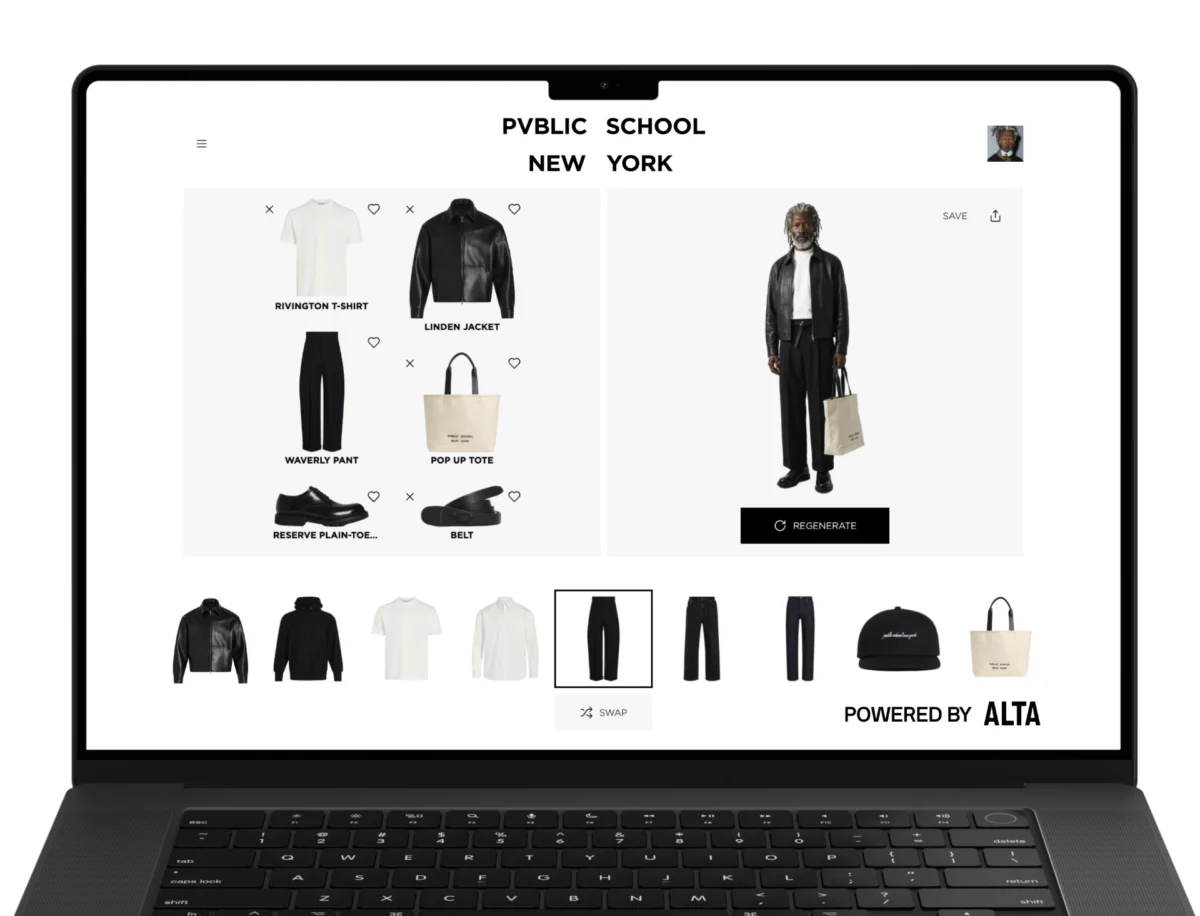
The fashion technology landscape is undergoing a fundamental transformation as Alta, the startup founded by Jenny Wang, transitions from a conceptual digital closet to a comprehensive infrastructure for virtual retail. During the most recent New York Fashion Week, Alta announced a landmark integration with the luxury streetwear brand Public School, marking the first time a major designer has embedded personalized avatar and styling technology directly into its e-commerce ecosystem. This development follows a period of rapid growth for Alta, which has evolved from a nostalgic nod to 1990s cinema into a sophisticated AI-driven platform capable of processing millions of outfit combinations for a global user base.
The Evolution of Alta: From Cinematic Inspiration to Market Reality
The genesis of Alta is frequently linked to the 1995 film "Clueless," specifically the computerized wardrobe system used by the protagonist, Cher Horowitz. While the film’s technology was a fictionalized vision of the future, Jenny Wang has spent the last several years materializing that vision through advanced artificial intelligence and computer vision. The company’s primary offering allows users to create digital versions of their existing wardrobes and utilize a personalized "Alta Avatar" to experiment with new styles.
The platform’s growth was accelerated last year by a successful $11 million funding round led by Menlo Ventures. The investment round attracted a diverse group of high-profile backers, signaling broad industry confidence in the intersection of fashion and generative AI. Participants included Anthology Fund (the venture arm of AI research firm Anthropic), Rent the Runway co-founder Jenny Fleiss, and prominent fashion figures such as models Karlie Kloss and Jasmine Tookes. This blend of technical and industry-specific capital has allowed Alta to refine its rendering engines and expand its enterprise capabilities.
Since its official launch in 2023, the Alta app has achieved significant market penetration. According to Wang, the platform has generated more than 100 million outfits, a metric that underscores the high level of consumer engagement with virtual styling tools. The innovation has not gone unnoticed by the traditional fashion establishment; both Time and Vogue recognized the app as one of the premier technological advancements of the past year. Furthermore, Alta has solidified its standing through strategic partnerships with the Council of Fashion Designers of America (CFDA) and the resale giant Poshmark.
The Public School Collaboration: A New Standard for E-commerce
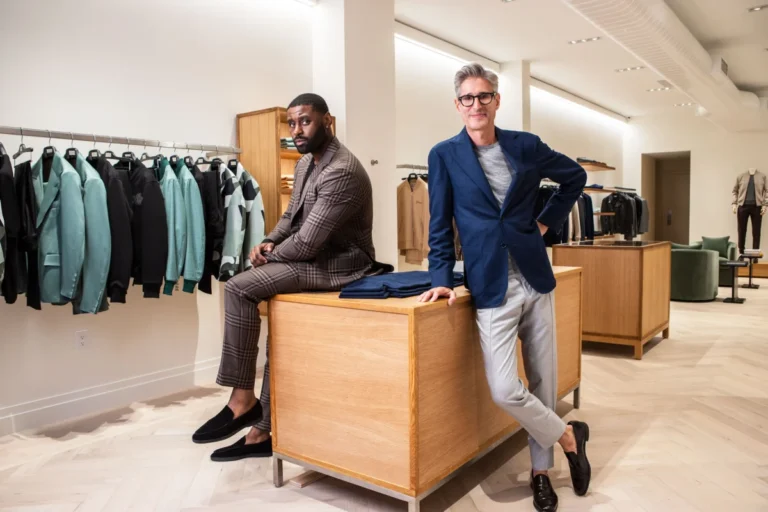
The integration with Public School New York represents a strategic shift for Alta, moving the technology from a standalone consumer app into the direct-to-consumer (DTC) workflows of established brands. Public School, led by designers Dao-Yi Chow and Maxwell Osborne, recently ended a multi-year hiatus, using the current New York Fashion Week to stage a high-profile "re-debut." The partnership with Alta was central to this return, providing a digital layer to their physical collection.
Under this new collaboration, shoppers visiting the Public School website can find a "Style with Alta" interface on product pages. By clicking this icon, customers are redirected to the Alta environment where they can see how specific garments, such as the Linden Jacket, look on their personalized avatars. This functionality addresses one of the most persistent hurdles in online luxury retail: the inability to visualize fit and drape on one’s own body type before committing to a high-value purchase.
The connection between the two companies was facilitated by the founder of Poshmark, who serves as an angel investor for both entities. According to Wang, the designers at Public School were specifically seeking an AI partner that could provide a seamless virtual try-on experience. Dao-Yi Chow had reportedly been a user of the Alta app prior to the formal business arrangement, providing a foundation of organic product-market fit.
Technical Superiority and Competitive Analysis
The virtual try-on (VTO) space is becoming increasingly crowded, with legacy retailers like Zara and high-fashion houses like Balmain experimenting with digital avatars. However, Wang notes that Alta’s proprietary technology offers significant performance advantages over existing solutions. In a comparative analysis, Wang pointed out that while Zara’s digital avatars are limited to wearing approximately four items and can take up to two minutes to render, Alta’s system allows an avatar to be outfitted in eight or more items within seconds.

This speed and capacity are critical for the "styling" aspect of the app. Modern consumers do not simply shop for individual items; they shop for "looks." By allowing for the simultaneous rendering of multiple layers—such as shirts, jackets, trousers, and accessories—Alta provides a more holistic representation of an outfit. The efficiency of the rendering engine is a result of Alta’s focus on the "data layer" of fashion, which categorizes garments based on their physical properties and how they interact with different body geometries.
Chronology of Alta’s Growth and Strategic Milestones
The trajectory of Alta illustrates the rapid pace of AI adoption within the retail sector. The following timeline outlines the company’s path from its inception to its current status:
- 2023: Alta officially launches its consumer-facing app, allowing users to digitize their closets. The app quickly gains traction, leading to its recognition by major fashion and tech publications.
- Mid-2024: The company closes its $11 million funding round led by Menlo Ventures. This capital infusion is earmarked for scaling the AI infrastructure and developing enterprise-level integrations.
- Late 2024: Alta surpasses the milestone of 100 million outfits generated on its platform. Partnerships with the CFDA and Poshmark are established to bridge the gap between new designs and the secondary market.
- Early 2025: The company moves into its "enterprise phase," focusing on embedding its technology directly into brand websites.
- February 2026 (NYFW): Alta unveils its first major brand integration with Public School New York, marking the transition from a styling tool to a fundamental e-commerce utility.
The Role of Tech in the Modern Designer’s Vision
For designers like Chow and Osborne, the adoption of Alta’s technology is not merely a marketing gimmick but a necessary evolution of the business model. During a discussion at a TechCrunch event, Chow emphasized that the landscape of fashion retail has shifted irrevocably since the mid-2010s. "We have to look at tech as a partner in the business today," Chow stated. "It’s not 2015 anymore."
The founders of Public School articulated a vision where technology serves as an extension of storytelling. In an era where physical fashion shows are accessible to only a select few, virtual try-on technology allows a global audience to interact with a collection in a personal, tactile way. This democratization of the "front row" experience is a key component of Public School’s strategy to re-engage with its community after its years-long hiatus.
Broader Impact: Agentic Commerce and the Future of Identity
Beyond the immediate benefits of virtual try-ons, Jenny Wang views Alta as a critical component of "agentic commerce." This term refers to a future where AI agents act on behalf of consumers to find, style, and purchase goods based on deeply personalized data. For this to function effectively, there must be a "personal identity layer" that understands a user’s unique style preferences, past purchase history, and physical likeness.
"For agentic commerce to truly work, we need a data layer that understands the shopper’s style preferences, such as their closet, past purchases, and their avatar, likeness, and body, which is Alta," Wang explained. By positioning Alta as this identity layer, the company aims to become the intermediary through which all AI-driven shopping occurs.
The implications for the global fashion industry are substantial. High return rates remain a multi-billion-dollar problem for e-commerce, with many returns driven by poor fit or style mismatches. By providing a high-fidelity virtual representation of how a garment will look on a specific individual, Alta has the potential to significantly reduce return volumes, thereby increasing margins for retailers and reducing the environmental impact of reverse logistics.
As Alta continues to announce more brand partnerships in the coming months, the focus will likely remain on creating a seamless "omnichannel" identity. Whether a user is browsing a luxury website, a resale platform like Poshmark, or their own digital closet, the Alta Avatar remains the consistent thread, allowing for a unified and highly personalized shopping experience. The success of the Public School integration serves as a proof of concept for this vision, suggesting that the "Clueless" closet is no longer a cinematic fantasy, but the new standard for the digital fashion economy.