








The Evolution of a Luxury Brand: A Twelve-Year Chronology
The trajectory of The Abigail Bloom Cake Company reflects a broader trend in the British economy over the last decade: the rise of the "creative entrepreneur" who transitions from the corporate world to the artisanal sector. Before launching her brand, Abigail Bloom served as a Personal Assistant to the CEO of a prominent City of London headhunting firm. This high-pressure environment provided the foundational organizational skills necessary to manage the complex logistics of the wedding industry, where timing and precision are non-negotiable.
In 2010, Bloom identified a gap in the market for wedding cakes that offered a "light, elegant crumb" and a refined finish, moving away from the historically heavy, overly sweet fruitcakes that had dominated British tradition for decades. Drawing on her prior education—which included a four-year hospitality degree and rigorous training at Le Cordon Bleu—Bloom spent the first eight months of the company’s existence in a research and development phase. During this period, she engineered twelve core recipes designed to maintain structural integrity while providing a delicate mouthfeel. This commitment to technical excellence allowed the company to scale quickly, catering to high-profile venues across London and eventually expanding its delivery footprint to include the entirety of the United Kingdom.
Technical Standards and the Cordon Bleu Influence
The standard of excellence at ABCC is rooted in the classical Cordon Bleu tradition, a pedagogical approach that emphasizes the balance of flavor, the chemistry of ingredients, and the precision of technique. In a professional news context, this distinction is vital; it separates "home-baked" aesthetics from "couture" confectionery. Bloom’s adherence to these standards ensures that every sponge and filling is prepared from scratch, avoiding the commercial pre-mixes often found in large-scale production.
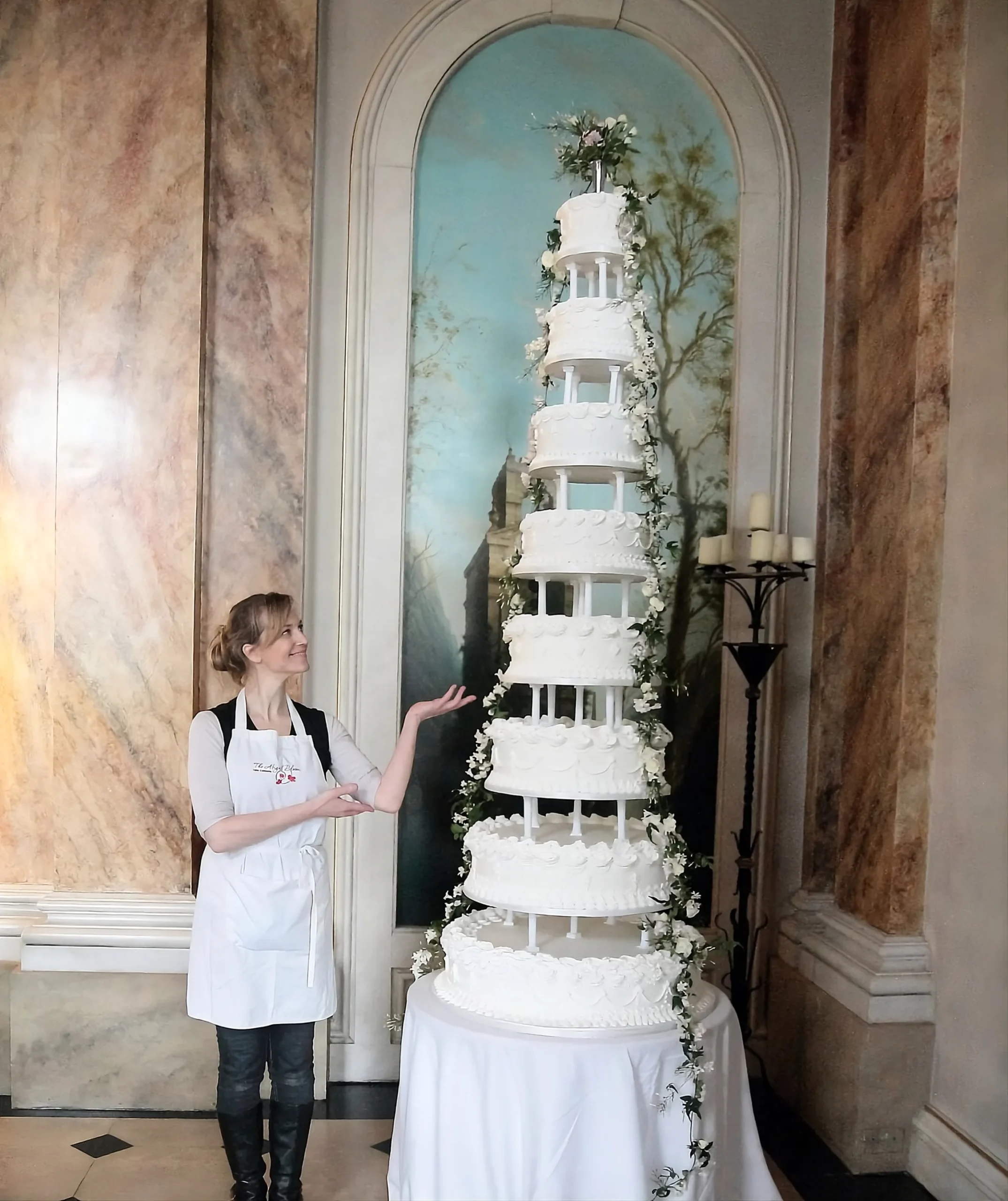
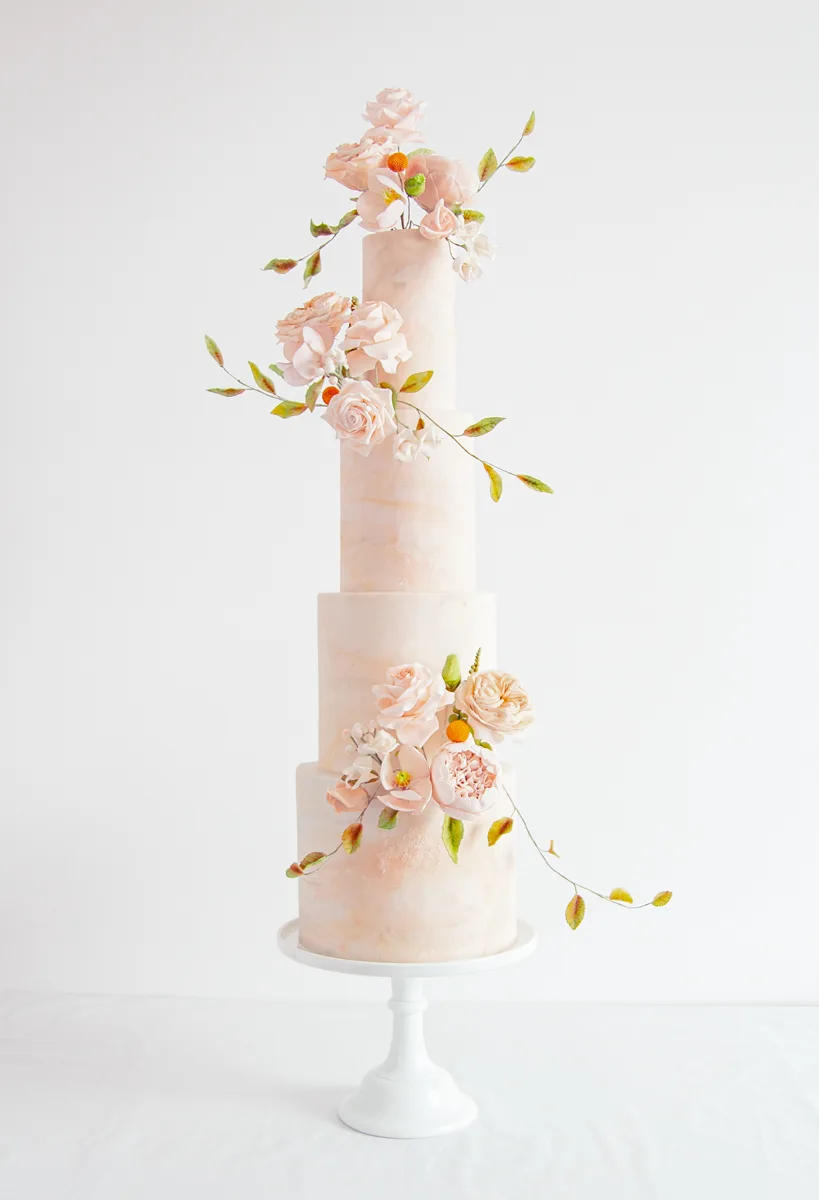
From a structural perspective, the engineering of a multi-tiered wedding cake requires an understanding of physics as much as flavor. The Abigail Bloom Cake Company utilizes specific ratios of fats and proteins to ensure that even the most "delicately light" sponges can support the weight of several tiers and the elaborate sugar work that characterizes the brand’s visual identity. According to industry analysis, the demand for "tall cakes"—those exceeding four tiers—has grown by 15% in the luxury sector over the past five years, necessitating the level of technical expertise Bloom provides.
The Artistry of Realistic Sugar Flowers
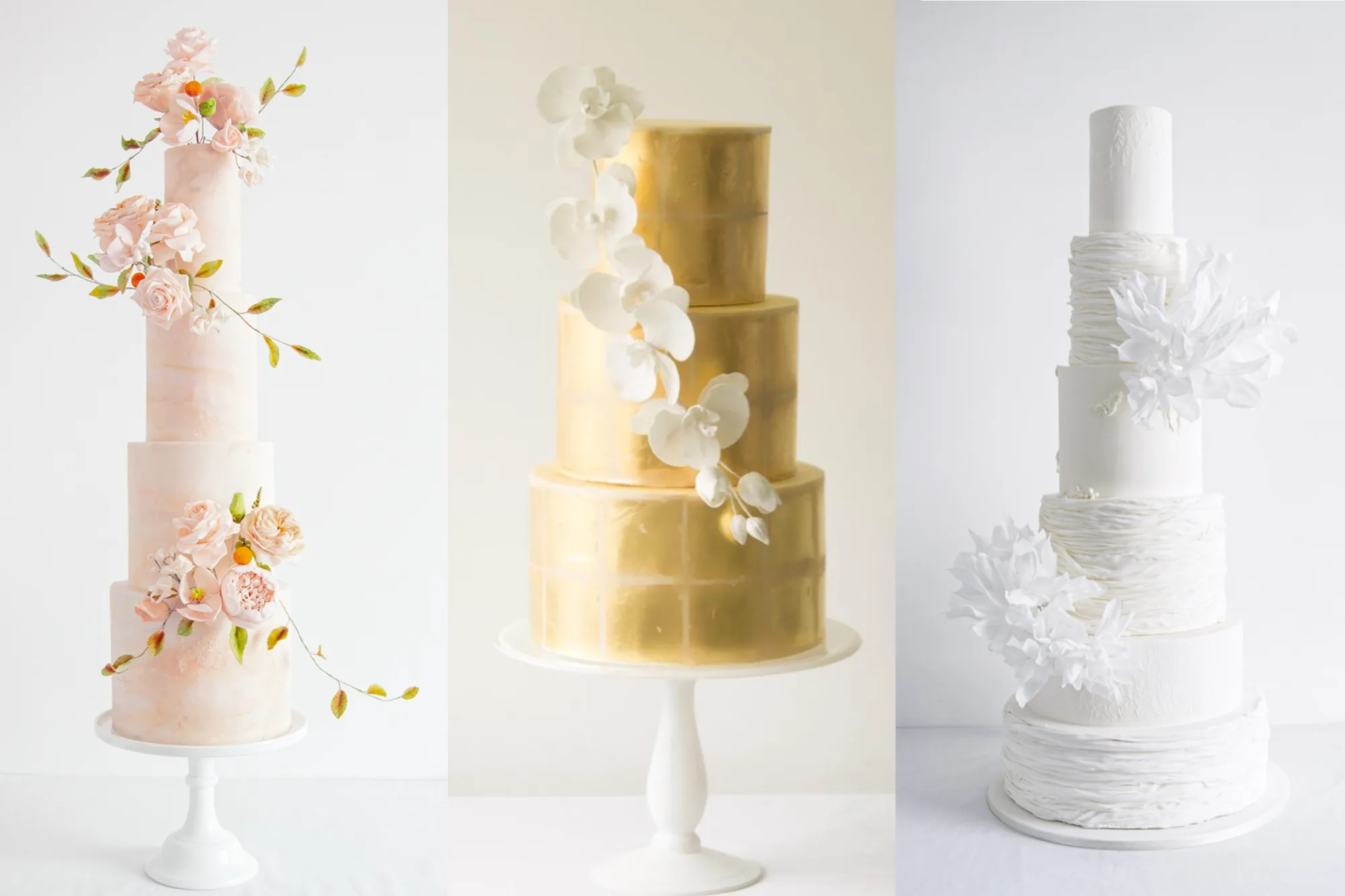
One of the defining characteristics of an Abigail Bloom cake is the use of botanical sugar artistry. Unlike fresh flowers, which can wilt or introduce pesticides to the food surface, sugar flowers are hand-sculpted from a specialized paste, petal by petal. This process is remarkably time-intensive; a single complex bloom, such as a David Austin rose or a peony, can take several hours to complete.
The realism achieved in these designs serves a dual purpose: it acts as a permanent keepsake for the couple and ensures that the cake remains a pristine focal point throughout a long wedding day. In the luxury wedding market, where "Instagrammability" and unique visual narratives are high priorities for consumers, this level of human craftsmanship represents a significant value proposition. Industry data suggests that couples in the premium segment (weddings costing £50,000 or more) are increasingly prioritizing "edible art" over traditional decor, viewing the cake as a primary installation within the reception space.
Operational Logistics and the Consumer Experience
Operating out of London, The Abigail Bloom Cake Company has developed a logistics model that accommodates clients nationwide. Central to this is the "tasting box" service, a method that has become a standard in the high-end wedding industry. This allows couples to sample a minimum of five flavors—including the popular classic vanilla and the "unexpectedly popular" banana cake—delivered via next-day courier.

For bespoke commissions, the company follows a structured consultation process:
- Initial Briefing: Assessment of venue, guest count, and color palette.
- Design Phase: Creation of detailed sketches and mood boards.
- Flavor Selection: Home tasting or in-person London consultations.
- Production: Hand-baking and sculpting in a professional kitchen environment.
- Installation: On-site assembly at the venue to ensure structural safety.
This structured approach mitigates the risks associated with large-scale events and provides a professional framework for what is often an emotional purchase. Bloom’s methodology emphasizes that the venue choice often dictates the scale and style of the cake, ensuring that the final product is proportionate to its surroundings—a critical factor in architectural cake design.
Market Trends and the Future of the Wedding Centerpiece
The Abigail Bloom Cake Company’s longevity—spanning over thirteen years—is a testament to the enduring nature of the wedding cake tradition. Despite the rise of alternative "dessert tables" or "donut walls" in the mid-2010s, current market data indicates a return to the "statement cake." Modern couples are viewing the "cutting of the cake" not just as a photo opportunity, but as a symbolic act of hospitality.
Bloom has publicly advocated for the strategic placement of the cake within wedding venues, suggesting that positioning it near high-traffic areas like the bar or the drinks reception maximizes its impact as a conversational catalyst. This insight reflects a deeper understanding of event flow and guest psychology.
Furthermore, the company’s focus on flavor balance—avoiding the "overly sweet" profile of traditional icing—aligns with broader culinary trends toward sophisticated, less saccharine desserts. This shift is particularly evident in the "London style" of baking, which favors light sponges and artisanal fillings over heavy marzipan and fondant layers.
Broader Economic and Cultural Implications
The success of ABCC highlights the resilience of the luxury artisan sector in the face of fluctuating economic conditions. While the broader "cost of living" crisis has impacted some areas of consumer spending, the high-end wedding market remains relatively robust, with a continued emphasis on "quality over quantity." Consumers are increasingly seeking out brands with a clear provenance, professional accreditation (such as Cordon Bleu training), and a track record of reliability.
The Abigail Bloom Cake Company also contributes to the preservation of traditional craft skills in the UK. By maintaining a focus on hand-made sugar work and bespoke baking, the company supports a niche ecosystem of skilled artisans. In an era of increasing automation and mass production, the human-centric approach of ABCC serves as a benchmark for excellence in the British luxury food industry.
In conclusion, The Abigail Bloom Cake Company represents a sophisticated intersection of culinary science and visual art. Through a combination of rigorous professional training, strategic business management, and a commitment to artisanal craftsmanship, Abigail Bloom has secured a position as a leading figure in the UK’s luxury wedding market. As the industry continues to evolve, the company’s focus on the dual importance of "how it looks" and "how it tastes" remains a foundational principle for modern celebrations. For couples navigating the complexities of wedding planning, ABCC offers a template for how tradition can be modernized through technical precision and creative vision.