









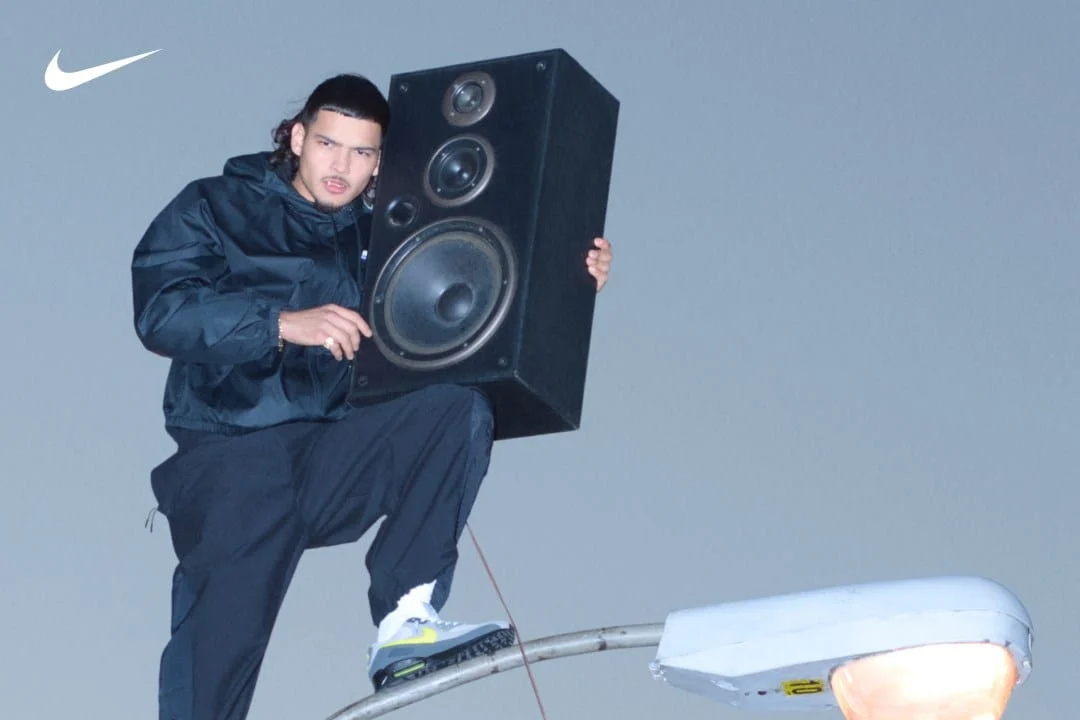
Nearly four decades since the groundbreaking release of the first Nike Air Max, the iconic style continues to be a cornerstone for sneaker enthusiasts, fashion trendsetters, and casual wearers across the globe. In an era where the fashion landscape is perpetually reshaped by ephemeral microtrends and fleeting fads, the Air Max offers a compelling and comforting counter-narrative: a design rooted in tangible history, pioneering innovation, and profound cultural resonance, rather than the transient dictates of algorithms. This rich lineage is precisely what Air Max Day, observed annually on March 26th – the precise date of the original model’s debut in 1987 – seeks to celebrate, commemorating a sneaker that fundamentally altered the footwear industry and streetwear culture forever.
The Genesis of an Icon: Tinker Hatfield and the Revolutionary Air Max 1
While the Air Max silhouette is instantly recognizable worldwide, the intricate narrative behind its inception often remains less explored. The story begins not in a traditional footwear design studio, but with an architect by trade, Tinker Hatfield. Hatfield joined Nike in 1981, initially tasked with designing the Oregon-based brand’s retail stores and showrooms. His background in architecture, honed during his time at the University of Oregon, where he was coached by Nike co-founder Bill Bowerman, instilled in him a unique perspective on structure, form, and functionality. It was this architectural sensibility that would soon revolutionize sneaker design.
Driven by an innate curiosity and a desire to explore new creative avenues, Hatfield eventually petitioned to try his hand at shoe design. He was subsequently tasked with a monumental challenge: to give a compelling visual identity to Nike’s then-nascent Air technology. Nike Air, a cushioning system featuring pressurized air encapsulated in a durable urethane bag, had first been introduced in the Nike Tailwind running shoe in 1978. While revolutionary for its comfort and performance benefits, the technology itself remained hidden within the shoe’s midsole – an invisible innovation.
The pivotal moment in the Air Max’s genesis occurred during a research trip to Paris. Hatfield found profound inspiration in the Centre Pompidou, the audacious cultural institution in the city’s Beaubourg neighborhood. Designed by Renzo Piano and Richard Rogers, the Centre Pompidou is a marvel of "inside-out" architecture, with all its functional elements – escalators, plumbing, electrical conduits, and structural steel beams – visibly displayed on the exterior. This radical deconstructivist approach, which often led passersby to mistake the building for one under perpetual construction, struck Hatfield with a profound realization: why conceal the very technology that made Nike shoes superior?
Returning to Beaverton, Oregon, Hatfield translated this architectural philosophy into footwear. He envisioned a shoe where the Air cushioning unit, the very heart of Nike’s innovation, would be visible to the wearer and the world. This daring concept led to the painstaking development of the Air Max 1, with its distinctive midsole cutout revealing a window to the encapsulated air bag. It was a design decision that was initially met with skepticism by some within Nike, who feared it might compromise the shoe’s structural integrity. However, Hatfield’s vision prevailed, leading to a sneaker that was not only aesthetically striking but also offered a tangible connection to its underlying technology. The Air Max 1, released on March 26, 1987, was not just a shoe; it was a statement, a revolution, and the birth of a legend.
A Chronology of Innovation: Key Air Max Models and Their Enduring Legacy
The success of the Air Max 1 paved the way for an unparalleled lineage of innovation, with each subsequent model pushing the boundaries of design, technology, and cultural impact. The Air Max franchise evolved rapidly, introducing new iterations that captivated athletes and fashion enthusiasts alike:
- Air Max 1 (1987): The original, forever etched in history for its visible Air unit and groundbreaking design. Its initial colorways, particularly the "University Red," remain iconic.
- Air Max Light (1989): Building on the AM1’s foundation, the Air Max Light introduced lighter materials and a more streamlined silhouette, offering enhanced flexibility without sacrificing cushioning.
- Air Max 90 (originally Air Max III) (1990): This model elevated the Air Max aesthetic with a larger visible Air unit, bolder color blocking (most famously the "Infrared"), and multi-layered paneling. It quickly became a cultural phenomenon, especially in hip-hop and streetwear scenes globally, cementing its status as an enduring classic. Its design language was more aggressive, symbolizing speed and dynamism.
- Air Max 180 (1991): A collaboration between Tinker Hatfield and Bruce Kilgore (designer of the Air Force 1), the Air Max 180 featured a revolutionary 180-degree visible Air unit, directly connecting the Air bag to the outsole. This design offered an even greater sensation of cushioning and a more sophisticated aesthetic.
- Air Max BW (Big Window) (1991): As its name suggests, the BW (short for "Big Window") emphasized an even larger visible Air unit than its predecessors. This model found immense popularity in specific subcultures, particularly the Gabber scene in Europe, becoming synonymous with distinct musical and fashion movements.
- Air Max 95 (1995): A radical departure from previous designs, the Air Max 95, designed by Sergio Lozano, drew inspiration from human anatomy. Its layered upper mimicked muscle fibers, ribs, and skin, while the gradient colorways (most notably the "Neon") and the introduction of visible Air in the forefoot were revolutionary. Initially controversial, its bold, aggressive aesthetic quickly resonated with street culture, becoming a staple in numerous urban communities worldwide and a significant force in the sneaker resale market.
- Air Max 97 (1997): Designed by Christian Tresser, the Air Max 97 was inspired by the sleek, metallic design of Japanese bullet trains and the ripple effect of water drops. It introduced the first full-length visible Air unit, creating an unparalleled cushioning experience. Its futuristic, metallic silver aesthetic made it an instant hit, particularly in Italy and across Europe, and it remains a highly sought-after model.
- Air Max Plus (TN) (1998): Designed by Sean McDowell, the Air Max Plus introduced "Tuned Air" technology, which incorporated hemispheres of responsive plastic into the Air unit for enhanced stability and cushioning. Its distinctive flame-like overlays, vibrant colorways (especially the "Hyper Blue" and "Tiger"), and whale tail-inspired shank plate gave it an aggressive, defiant look that resonated deeply with specific youth subcultures, particularly in Australia and Europe.
The turn of the millennium saw continued innovation, with models like the Air Max 360 (2006), which delivered the first full-length, uncaged Air Max sole unit, offering 360 degrees of visible air cushioning. More recently, Nike has continued to push boundaries with designs like the VaporMax (2017), which eliminated the traditional foam midsole entirely, allowing the foot to sit directly on the Air unit, and lifestyle-focused models such as the Air Max 270 (2018) and Air Max 720 (2019), which boasted the tallest Air units ever produced, emphasizing extreme cushioning and bold aesthetics. This relentless pursuit of innovation, balanced with reverence for its heritage, underscores the Air Max franchise’s enduring vitality.
Air Max Day: A Global Celebration of Heritage and Future
Air Max Day, officially inaugurated on March 26, 2014, was conceived by Nike as a strategic global marketing initiative to celebrate the 27th anniversary of the Air Max 1. The event was not merely a retrospective; it was designed to be a dynamic fusion of past, present, and future, serving as a platform to honor the shoe’s storied history, engage its passionate global fanbase, and launch new, innovative Air Max models and collaborations.
Since its inception, Air Max Day has grown into a global phenomenon, marked by special product releases, limited-edition drops, interactive events, and community-driven celebrations worldwide. Nike leverages this day to connect with sneakerheads through curated experiences, pop-up shops, and digital campaigns that delve into the design stories, technological advancements, and cultural impact of the Air Max line. It’s a testament to Nike’s astute understanding of brand building and community engagement, transforming a product anniversary into a significant cultural moment. The day also serves as a crucial moment for Nike to showcase its ongoing commitment to innovation, often previewing or releasing future-forward Air Max concepts that hint at the direction of cushioning technology and design.
Cultural Resonance and Market Impact: Beyond the Track
The Air Max’s journey from a performance running shoe to a global cultural icon is a testament to its exceptional design and profound adaptability. It transcended its athletic origins to become a ubiquitous staple in streetwear, high fashion, and various subcultures, proving its enduring appeal across diverse demographics and style sensibilities.
The shoe’s adoption by various subcultures is particularly noteworthy. From the hip-hop artists of the East Coast to the "grime" scene in the UK, the Air Max 90 and 95, in particular, became symbols of urban cool and individuality. In regions like the Netherlands, the Air Max BW found its identity within the hardcore techno and Gabber scenes. This organic adoption by diverse communities speaks volumes about the Air Max’s universal appeal and its ability to represent more than just a shoe; it became a statement of identity, aspiration, and belonging.
Nike’s strategic use of collaborations has further amplified the Air Max’s cultural footprint and market desirability. The article mentions the 2015 partnership with Japanese fashion house Sacai, which reimagined the Air Max 90 into a laceless version, showcasing a minimalist yet bold aesthetic. This was followed in 2017 by the highly anticipated collaboration with the late legendary founder of Off-White, Virgil Abloh. Abloh’s "The Ten" collection, which included a deconstructed take on the Air Max 90, dubbed "The Revealing," stripped back the shoe to its core elements, exposing foam, stitching, and branding. This design philosophy, in theme with the shoe’s original deconstructed nature (visible Air), perfectly fused the existing Air Max aesthetic with Off-White’s quintessential avant-garde and industrial feel, creating one of the most coveted sneaker releases in history.
Beyond these, collaborations with brands like Supreme, Patta, and Atmos have consistently generated immense hype, driven secondary market prices, and reinforced the Air Max’s status as a collector’s item and a fashion statement. These partnerships underscore Nike’s ability to maintain the Air Max’s relevance and desirability in a fiercely competitive market, tapping into both nostalgia and contemporary trends.
From an economic perspective, while specific Air Max sales figures are proprietary, the franchise undeniably contributes significantly to Nike’s multi-billion-dollar annual revenue. The brand’s consistent investment in research and development, coupled with strategic marketing and collaborations, has maintained the Air Max’s position as a premium product. The vibrant secondary market for limited-edition Air Max models, where prices can skyrocket to many multiples of their retail value, further illustrates the immense demand and cultural capital associated with the line. This robust market activity not only generates significant revenue for resellers but also reinforces the perceived value and exclusivity of the Air Max brand, contributing to Nike’s overall market leadership in the global athletic footwear industry.
The Enduring Legacy: Why Air Max Continues to Thrive
The longevity of the Air Max franchise, nearly 40 years since its initial release, is a testament to several core principles that transcend fleeting trends. At its heart lies a brilliant design philosophy—the harmonious marriage of aesthetics and engineering. Tinker Hatfield’s architectural eye, combined with Nike’s relentless pursuit of performance innovation, resulted in a product that was both visually striking and functionally superior. The visible Air unit, once a controversial idea, became the signature element, a tangible representation of advanced cushioning that captivated consumers.
Furthermore, the Air Max’s success is rooted in its ability to balance reverence for its rich past with a continuous drive for reinvention. Nike has masterfully navigated the delicate act of honoring classic silhouettes while introducing new technologies and design concepts, ensuring the line remains fresh and relevant. This constant evolution prevents stagnation, appealing to both seasoned collectors seeking nostalgic re-releases and new generations looking for cutting-edge designs.
Finally, the global community of Air Max enthusiasts plays a crucial role in its enduring appeal. This passionate fanbase, spanning continents and demographics, actively participates in the culture surrounding the shoe, whether through collecting, customizing, or simply integrating Air Max into their daily style. Their loyalty and engagement transform the Air Max from mere footwear into a shared cultural phenomenon.
In an era increasingly dominated by rapidly changing digital trends and transient fashion cycles, the Air Max stands as a powerful symbol of enduring design and timeless appeal. Its history is not dictated by algorithms but by the tangible vision of its creators and the organic adoption by communities worldwide. From its architectural inspiration to its technological innovations and its profound cultural impact, the Air Max franchise remains a singular force in the footwear industry, a true icon that continues to shape the future while celebrating its extraordinary past.