








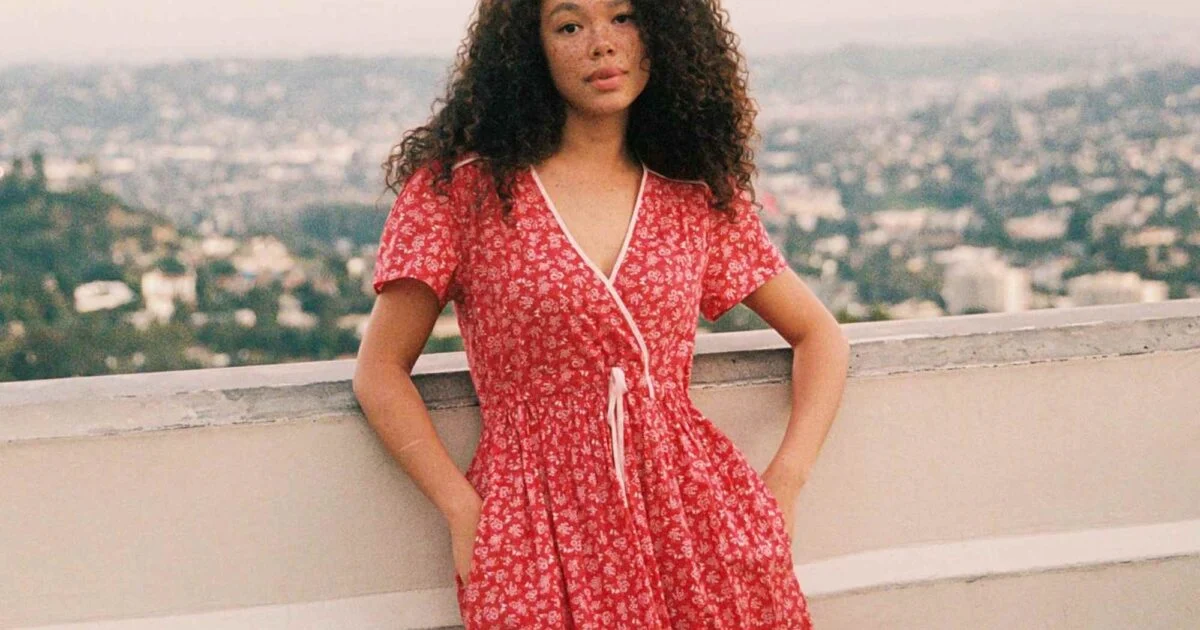
The global fashion industry, valued at trillions of dollars, has long operated on a standardized sizing model that inadvertently alienates a significant portion of the consumer base. While mass production necessitates a degree of uniformity, the prevalence of garments designed for an idealized, often taller, body shape has left individuals with shorter frames struggling to find clothing that fits comfortably and elegantly. This persistent challenge has spurred a growing demand for inclusive sizing, particularly within the burgeoning sustainable fashion movement, which seeks to reconcile aesthetic appeal with ethical production and environmental responsibility. This article explores the systemic issues within fashion sizing, clarifies the concept of "petite," and highlights innovative sustainable brands that are leading the charge in offering well-proportioned options for shorter individuals.
The Pervasive Challenge of Standardized Sizing
For decades, the fashion industry has largely relied on a "one-size-fits-most" approach, basing garment patterns on fitting models whose dimensions rarely reflect the true diversity of the population. In major markets like the UK, US, and Australia, womenswear is frequently designed for models around 5’9" (approximately 175 cm), while menswear patterns often target individuals around 6’1" (approximately 185 cm). This standardized height benchmark creates a significant disconnect for anyone falling outside these parameters. For instance, the average height for women in the United States is approximately 5’3.5" (161.3 cm), and in the UK, it’s around 5’3" (161 cm). These figures starkly contrast with the industry’s design standard, rendering a vast majority of shorter individuals underserved.
The consequences of this sizing disparity extend beyond mere inconvenience. Ill-fitting clothes can lead to discomfort, a feeling of self-consciousness, and a diminished sense of personal style. Consumers are often forced into costly and time-consuming alterations, or worse, they purchase garments that are worn infrequently or discarded prematurely due to poor fit. This contributes to the staggering waste generated by the fast fashion cycle, where garments are bought, worn briefly, and then discarded. The financial impact is also substantial, with a high volume of returns attributed to sizing issues, leading to increased shipping emissions and processing costs for retailers. The very subjectivity and inconsistency of sizing across different brands further compounds the problem, emphasizing the arbitrary nature of the so-called "average" body shape in fashion design.
Deconstructing "Petite": A Focus on Proportion, Not Weight
The term "petite" in fashion has frequently been misunderstood and misused, often erroneously associated with a person’s weight or slender build. However, in the context of apparel, "petite" specifically refers to clothing designed for individuals with shorter frames, typically those under 5’4" (approximately 163 cm), regardless of their dress size or body shape. The critical distinction lies in proportion: petite garments are not simply scaled-down versions of standard sizes. Instead, they are meticulously re-engineered to account for shorter torso lengths, narrower shoulders, shorter arm and leg lengths, and adjusted knee and waist placements.
The evolution of "petite" ranges in mainstream fashion began to gain traction in the mid-to-late 20th century as brands slowly recognized the market demand. Early iterations were often limited and uninspired, but as consumer awareness and advocacy grew, so too did the sophistication and variety of petite offerings. Today, a truly inclusive petite range considers the nuanced proportional differences, ensuring that hemlines fall correctly, sleeves don’t bunch, and waistlines sit at the natural curve of a shorter body, thereby providing a fit that is both flattering and comfortable.
Production Complexities and the Sustainable Dilemma
Historically, finding "petite" options among more sustainable brands has been challenging. The reasons are largely rooted in the economics and complexities of garment production. Creating specialized sizing, whether for petite, tall, or extended ranges, involves significant additional work for fashion brands. Garment patterns, which are the blueprints for clothing, must be meticulously graded – or scaled – to different proportions, not just sizes. This requires skilled pattern makers and designers to ensure that the aesthetic integrity and fit of the original design are maintained across varying heights. Each new proportional range necessitates the creation and sampling of multiple prototypes to verify that sleeve lengths, waistlines, and hemlines fall in the correct places, and that darts and seams are appropriately positioned.
For smaller, independent sustainable brands, which often operate on tighter margins and prioritize ethical production practices, this additional labor can represent a substantial cost. Investing in specialized pattern development, increased sample production, and managing a more diverse inventory can be financially prohibitive, especially if the perceived consumer uptake for these niche ranges is lower than for a standard, "one-length-fits-all" approach. Furthermore, sustainable production often emphasizes minimizing waste. Developing multiple patterns and prototypes for various heights, while necessary for good fit, can potentially increase fabric waste during the sampling phase, presenting an inherent tension for brands committed to eco-friendly practices. This dilemma has meant that while larger fast fashion retailers might offer extensive petite lines due to economies of scale, they often do so without the same commitment to ethical labor or environmental stewardship that defines sustainable brands.
Innovative Solutions for Inclusive and Ethical Sizing
Despite the inherent challenges, a growing number of sustainable fashion brands are demonstrating a commitment to inclusive sizing, recognizing that a truly ethical approach must cater to diverse body types. Their strategies vary, reflecting innovation and a dedication to consumer needs:
- Dedicated Petite Ranges: These collections offer garments specifically designed with shorter proportions, addressing arm lengths, torso lengths, and inseams. This is the most direct approach to serving the petite market.
- Shorter In-Seam Lengths: Many brands now offer trousers and jeans with shorter in-seams, typically 28 inches instead of the standard 30 or 32 inches, providing a straightforward solution for pant length without altering overall proportions.
- Made-to-Measure Services: This personalized approach involves creating garments tailored precisely to an individual’s unique measurements. While often a premium service, it guarantees a perfect fit, significantly reduces returns, and minimizes waste by producing only what is ordered. It aligns perfectly with sustainable principles of conscious consumption and longevity.
- Customisable Designs: Some brands integrate customization options directly into their ordering process, allowing customers to specify lengths for sleeves, hemlines, and other features, providing a semi-bespoke experience at a more accessible price point.
- Virtual Sizing Tools and AI: Advancements in technology are also playing a role, with some brands employing virtual size guides, augmented reality apps, or AI-powered recommendation engines to help customers find their best fit and even visualize how garments will look on their specific body type.
These approaches not only solve the immediate problem of ill-fitting clothes but also reinforce the core values of sustainable fashion: promoting longevity, reducing waste, and valuing individual needs over generic mass production.
Beyond Fit: Broader Implications for Body Positivity and Sustainability
The movement towards more inclusive sizing in sustainable fashion carries significant broader implications. Firstly, it champions body positivity by acknowledging and celebrating the natural diversity of human body shapes and sizes. When clothing is designed to fit a wider range of individuals, it sends a powerful message that all bodies are valid and worthy of well-made, stylish garments. This fosters greater self-esteem and reduces the pressure to conform to unrealistic beauty standards often perpetuated by the fashion industry.
Secondly, it has a direct positive impact on sustainability. When garments fit well, consumers are more likely to wear them frequently and keep them for longer. This directly combats the disposable nature of fast fashion, which thrives on rapid trend cycles and poorly made, ill-fitting items that are quickly discarded. By reducing the need for alterations, returns, and premature disposal, inclusive sizing contributes to a circular economy model, minimizing waste, conserving resources, and reducing the carbon footprint associated with shipping and manufacturing. A garment that fits perfectly is a garment that will be cherished and utilized to its full potential, representing a more responsible approach to consumption.
Spotlight: Leading Sustainable Brands Offering Shorter Options
The following brands exemplify the commitment to both sustainability and inclusive sizing, providing ethically produced options for individuals with shorter frames. These brands have been rigorously assessed by editorial standards, with purchases potentially earning commissions that support independent journalistic work.
Christy Dawn
This US-based brand distinguishes itself through its minimalist, vintage-inspired women’s clothing and footwear. Christy Dawn operates with a "Great" rating for its sustainable practices, notably by using surplus fabric (deadstock) to create new garments, thereby diverting textiles from landfills and reducing demand for new material production. This commitment to resource efficiency extends to its sizing, where the brand offers not only standard sizes XS-XL but also dedicated Extended and Petite collections. This multi-faceted approach ensures that more body types can access their ethically crafted pieces, aligning perfectly with their mission for responsible fashion.
Nudie Jeans
A pioneer in sustainable denim, Nudie Jeans is renowned for its 100% organic cotton denim and remarkable transparency throughout its production chain. The brand’s commitment to product longevity is evident in its unique offerings: a free repair service for life, a program to resell second-hand products, and a recycling initiative for worn-out items. Recognizing the challenge of denim fit, Nudie Jeans assists customers in finding their ideal size with a Virtual Size Guide on product pages. While not a dedicated "petite" range, their diverse cuts and lengths, coupled with comprehensive sizing assistance, allow shorter individuals to find well-fitting jeans, supported by their unwavering commitment to circularity.
Citizen Wolf
Hailing from Australia, Citizen Wolf employs revolutionary technology to deliver high-quality, custom-fit t-shirts, guaranteeing an unparalleled fit. Their innovative "Magic Fit" system captures precise customisations, allowing customers to achieve a bespoke fit without traditional tailoring. Each tee is handmade in Sydney using certified lower-impact fabrics such as organic cotton, hemp, and Merino wool, milled locally in Melbourne. This made-to-order model inherently addresses sizing disparities, including those for shorter frames, by creating garments exactly to an individual’s unique measurements, thereby eliminating the issues associated with standardized sizing and reducing production waste.
WILDA.ECO
WILDA.ECO is a vegan fashion brand that champions minimalism, timeless design, and inclusive sizing. Their core philosophy is centered around creating versatile pieces that endure, both in style and construction. A key aspect of their offering is the personalisability of their clothing for different heights. This flexibility allows individuals with shorter frames to adjust garment lengths, ensuring a fit that respects their unique proportions without compromising on the brand’s ethical and aesthetic values. WILDA.ECO’s focus on individual customisation aligns with the broader sustainable goal of creating garments that are truly cherished and worn for years.
Reformation
The LA-based brand Reformation has carved out a niche for creating "killer clothes that don’t kill the environment." Their sustainability credentials are strong, with a focus on using lower-impact materials and ensuring that a proportion of their suppliers pay a living wage, alongside providing training to improve working conditions. Reformation is notable for its comprehensive sizing, with many of its ranges available from XS-3XL, and importantly, specific petite collections. This dual commitment to ethical production and inclusive sizing makes Reformation a go-to for shorter individuals seeking stylish and responsibly made apparel that truly fits.
Opera Campi
Founded in Italy in 2017, Opera Campi crafts premium quality garments from locally-sourced raw materials, embodying a balanced approach to sustainability across its supply chain. The brand further extends its ethical commitment by donating 4% of its profits to social causes. Opera Campi’s dedication to inclusivity is reflected in its extensive sizing, offering garments from 3XS-3XL. While not explicitly a "petite" range, their broad spectrum of sizes and careful design consideration allow for a better fit across a wider array of body types, including those with shorter frames, reinforcing their holistic vision for responsible and accessible fashion.
Baukjen
London-based womenswear brand Baukjen is celebrated for its focus on ethical and sustainable style, designing clothes "for you, and designed for good." The brand prioritizes lower-impact materials, including recycled content, which significantly reduces the environmental footprint by minimizing chemical, water, and wastewater usage. Baukjen’s commitment to its diverse customer base is evident in its sizing range, typically available from XS-L, and its specific petite options within collections. This ensures that shorter individuals can access their thoughtfully designed, environmentally conscious garments that are crafted to fit well and last.
SeamsFriendly
SeamsFriendly stands out for its extensive customisation options, creating beautifully tailored pieces for all body types. The brand’s core principle revolves around function and utility in design, utilizing lower-impact materials such as organic cotton and linen. What truly sets SeamsFriendly apart is its unparalleled customisation: shoppers can modify neck styles, depths, sleeve lengths, garment lengths, fabric choices, and more on virtually any item. Their product sizing is customisable across an impressive range—bust sizes from 26″-70″ and waist sizes from 19″-63″ for womenswear, encompassing petite, regular, and tall heights. Menswear offers chest sizes from 34″ to 76″ and above with free custom sizing, and even a kids’ range (bust: 18″-28″, waist: 19″-26″). This bespoke approach directly addresses the challenges of finding clothing that fits shorter frames, making SeamsFriendly a leading example of how sustainable production can meet individual sizing needs through innovative, made-to-order models. The current offers, providing an exclusive 15% off with code SF-GY15 on reversible and convertible clothing, best-selling styles, and jumpsuits (a notoriously difficult item for petite fit), further highlight their dedication to accessible, perfectly-fitting sustainable fashion.
The Future of Fashion Sizing: A Call for Inclusivity and Responsibility
The journey towards a truly inclusive and sustainable fashion industry is ongoing. While significant strides have been made by brands like those highlighted, the broader industry still has much work to do in moving away from archaic sizing standards. The increasing demand from consumers for both ethical production and genuine fit is a powerful catalyst for change. As technology advances, made-to-measure and customisation services are likely to become more accessible, further democratizing access to well-fitting clothing for all body types, including shorter individuals.
Ultimately, the goal is not just to provide more options, but to cultivate a fashion landscape where feeling comfortable and confident in one’s clothes is a universal experience, unhindered by arbitrary sizing conventions. By supporting brands that prioritize both people and the planet, consumers can drive the industry towards a future where style, sustainability, and inclusivity are seamlessly interwoven. The move towards specialized sizing for shorter frames is not merely a niche market adjustment; it is an essential step towards a more equitable, responsible, and truly representative global fashion ecosystem.