



On September 20, 2025, the historic Dordogne region of Southwestern France served as the backdrop for the nuptials of Laura and Ben, a couple whose decade-long relationship culminated in an intimate celebration at the prestigious Chateau Cazenac. The event, characterized by its focus on seasonal aesthetics, sustainable fashion, and familial participation, reflects a broader shift within the destination wedding industry toward "experiential luxury"—a trend where couples prioritize personal history and guest experience over traditional opulence. The selection of the Dordogne was a strategic and sentimental choice, as the couple had frequented the region for holidays over several years, establishing a deep-rooted connection to the local landscape and culture.
Historical and Geographical Context of the Venue
Chateau Cazenac, the chosen site for both the ceremony and reception, is situated in the heart of the Perigord Noir, a sub-region of the Dordogne known for its medieval architecture, limestone cliffs, and dense forests. The chateau itself is an example of classical French elegance, offering panoramic views of the surrounding valley. For Laura and Ben, the venue was selected during their initial viewing, a decision driven by the estate’s ability to provide a secluded, romantic atmosphere that aligned with their desire for an intimate gathering.
The Dordogne has long been a primary destination for British expatriates and tourists, but in recent years, it has seen a surge in the "micro-wedding" sector. According to regional tourism data, destination weddings in France contribute significantly to the local economy, with the average international wedding party spending considerably more per head than standard leisure travelers. By choosing a venue they knew well, the couple bypassed the typical logistical hurdles of destination planning, instead leveraging their familiarity with the area to curate a bespoke event.
A Chronology of the Relationship: From London to the Dordogne
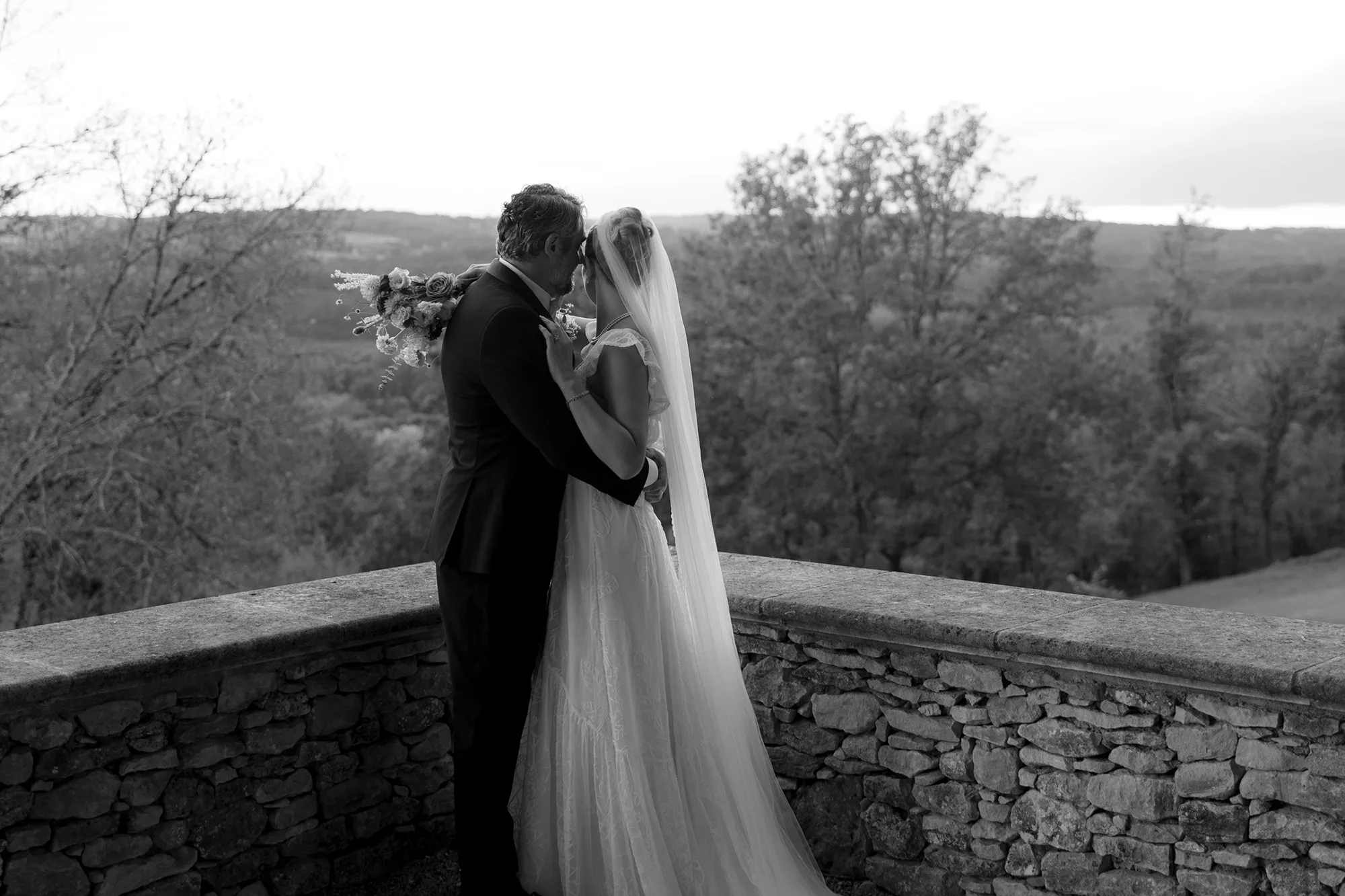
The union of Laura and Ben is the result of a thirteen-year trajectory that began in London. The couple first met in 2012 at a nightclub, followed by a first date in the historic district of Covent Garden. This location would later serve as the setting for their engagement in November 2023, when Ben proposed under the Christmas tree, echoing the geography of their initial meeting.
The two-year engagement period allowed for a meticulous planning process that focused on two core pillars: intimacy and seasonality. By scheduling the wedding for late September, the couple took advantage of the "shoulder season" in France, a period characterized by milder temperatures and the transition of the landscape into autumnal hues. This timing was essential for the wedding’s visual identity, which utilized soft autumn tones to complement the natural stone of the chateau and the changing foliage of the Dordogne valley.
Sustainable Bridal Couture and the "Slow Fashion" Movement
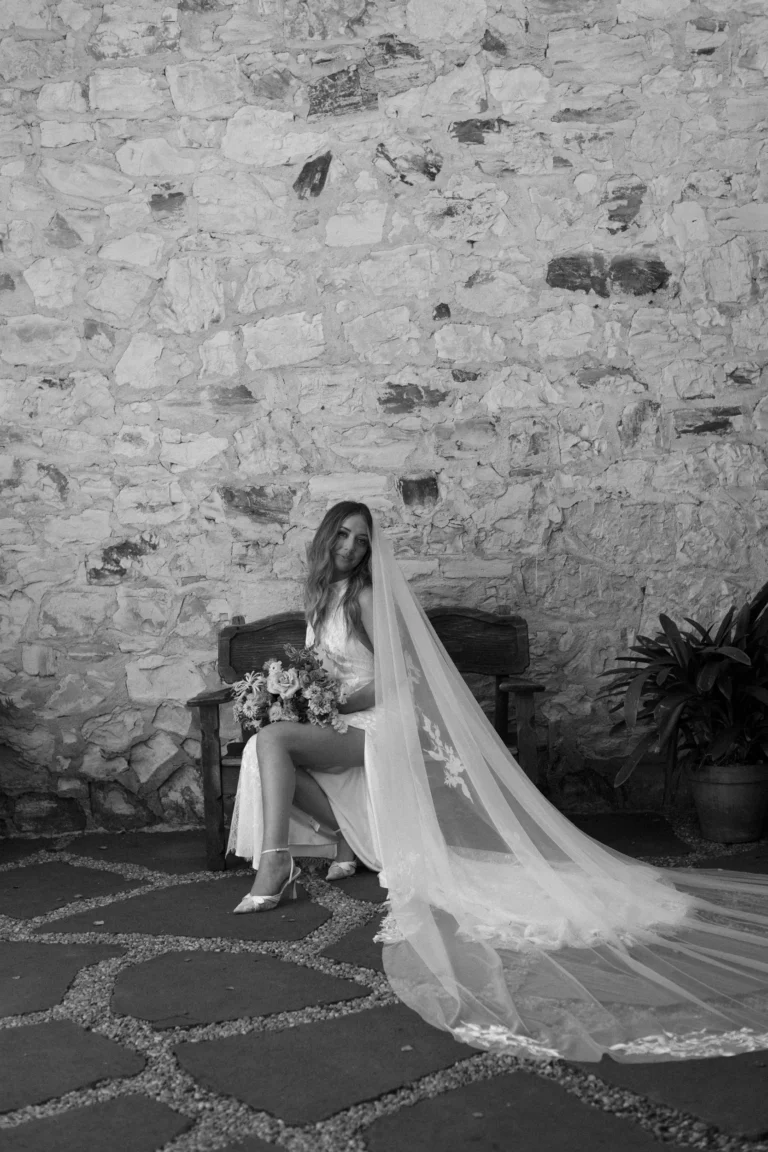
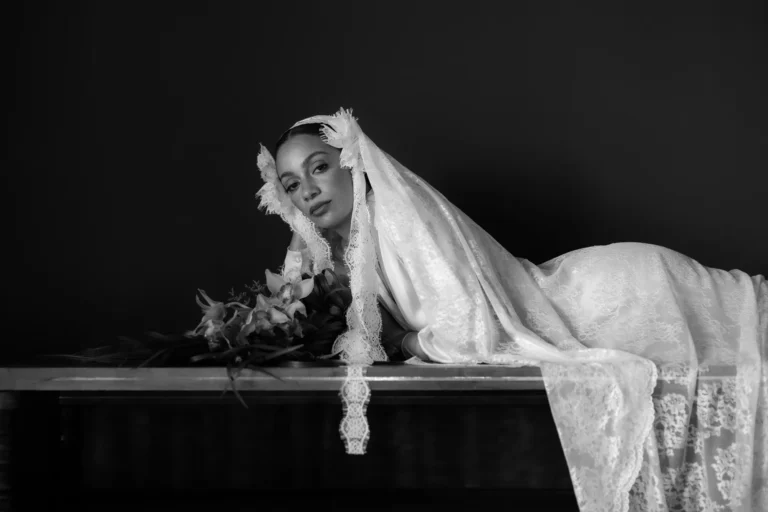
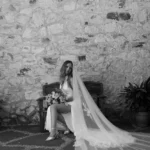
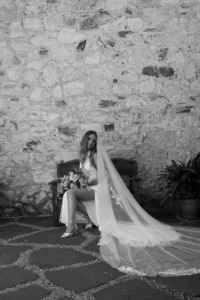
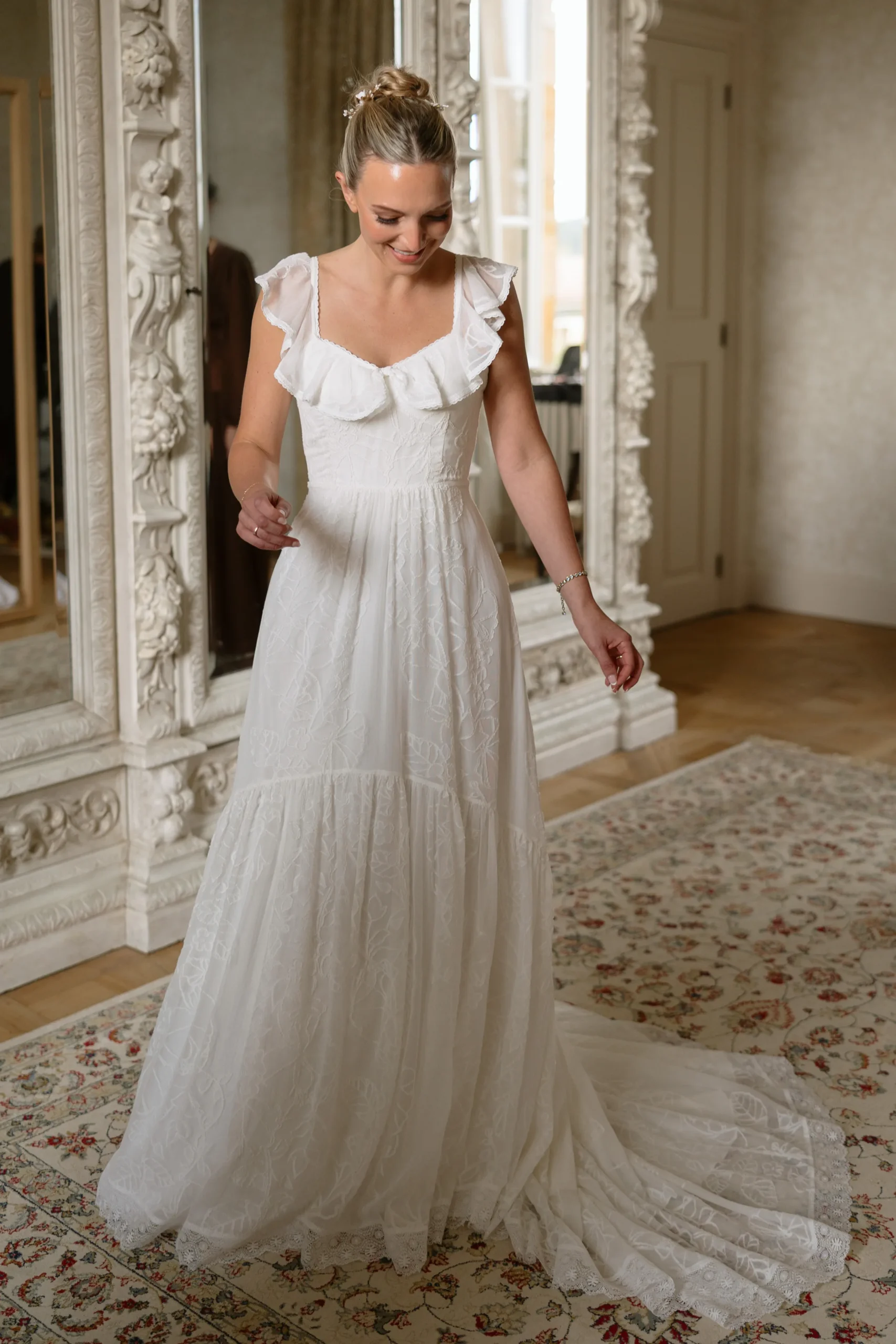
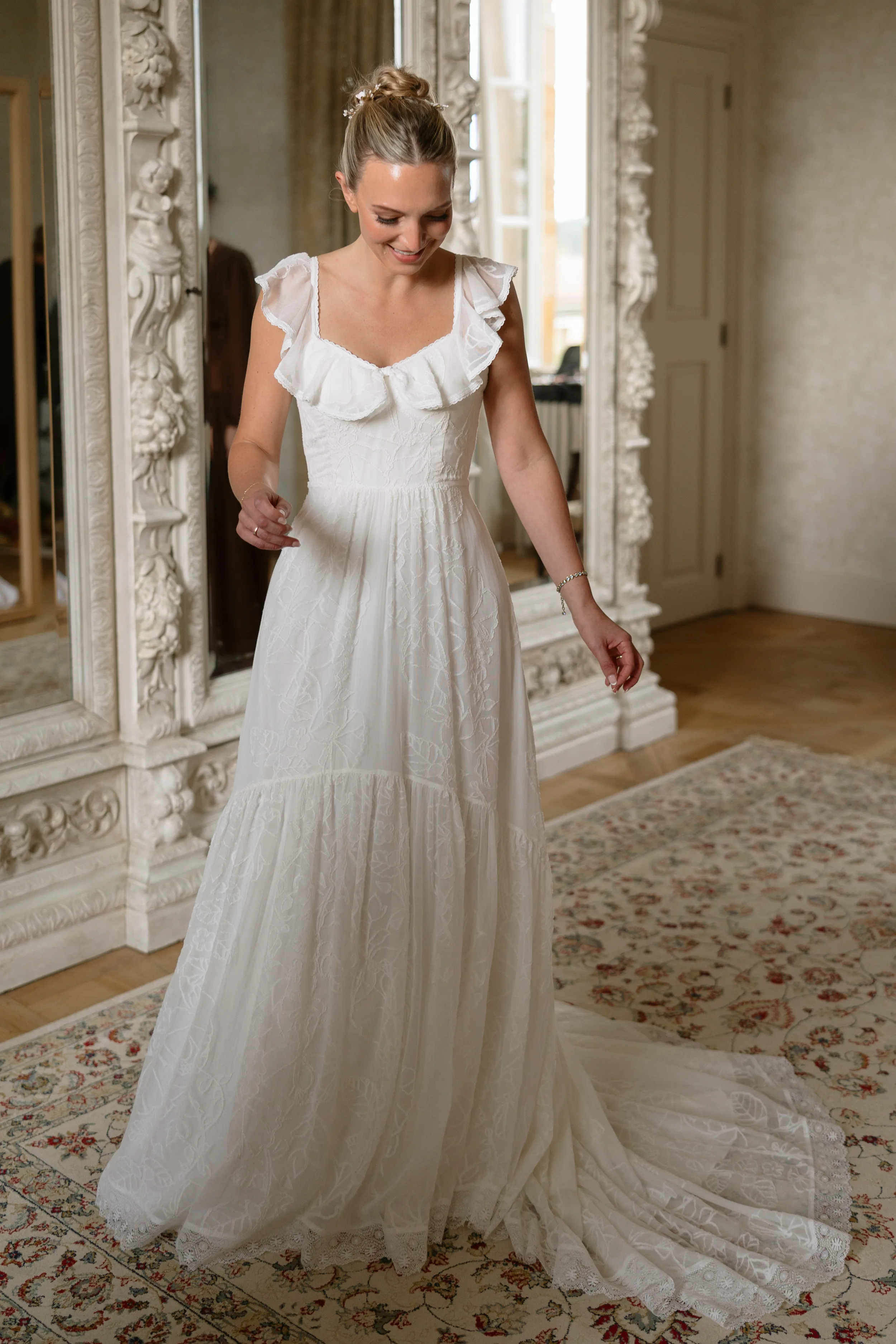
One of the most notable elements of the wedding was the bride’s attire, which underscored a growing movement toward ethical and sustainable bridal wear. Laura wore the "Clementine" gown, a creation by Miina, the lead designer at Indie Bride London. Indie Bride London is recognized in the industry for its commitment to "slow fashion," utilizing recycled laces, organic silks, and sustainable production methods within their London-based atelier.
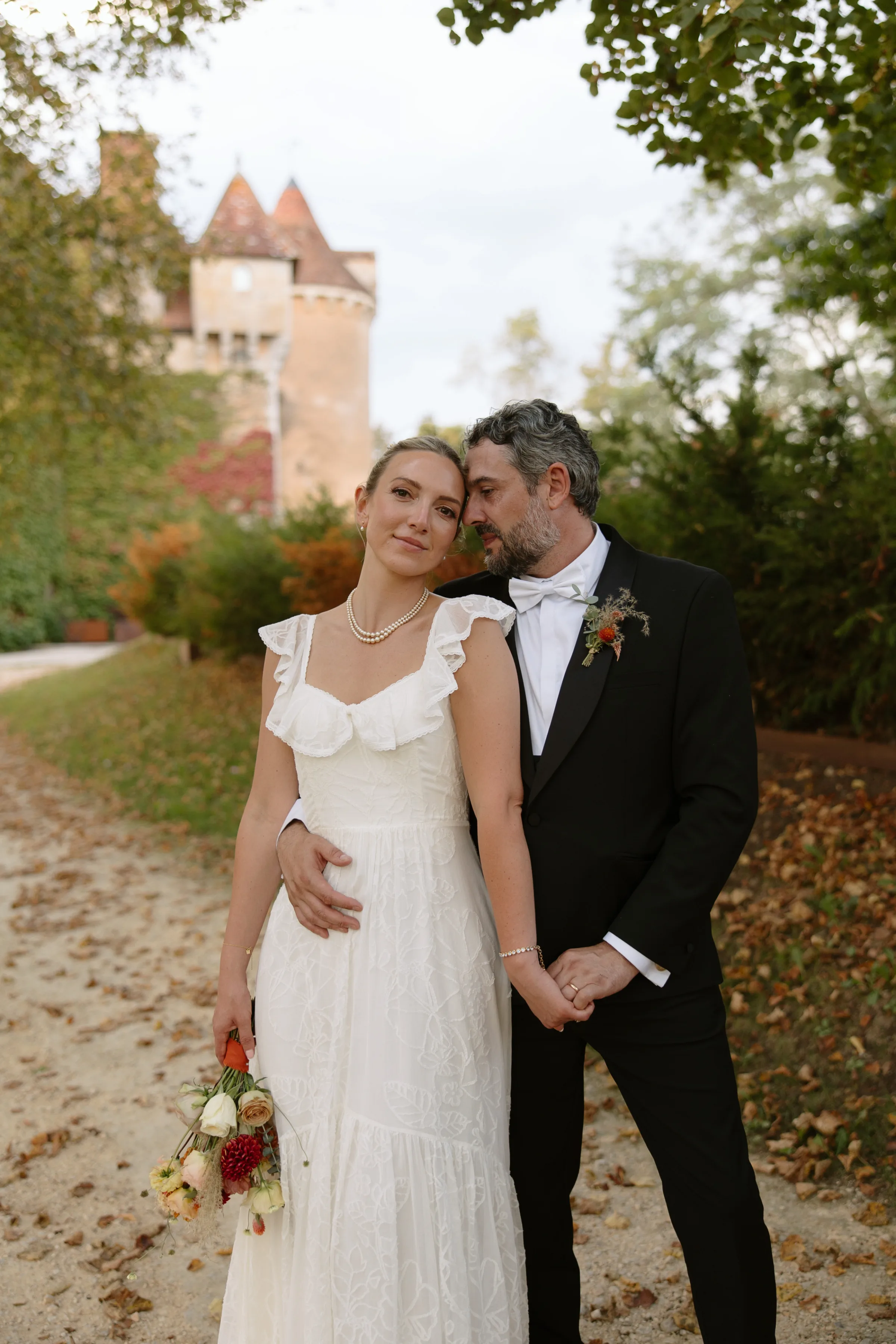
The acquisition of the gown was a unique process; Laura discovered the design while it was still in its construction phase. This choice highlights a trend among modern brides who are increasingly seeking artisanal, unfinished, or customizable pieces rather than mass-produced silhouettes. The gown’s bohemian aesthetic was paired with accessories that held sentimental and ethical value. The bride’s hair was styled with simple pearl pins by her friend and professional stylist Aimee-Blu, while her jewelry included borrowed pearls from the groom’s mother and a pair of pearl earrings from Kiki & Belle, a brand known for its minimalist, high-quality designs.
The Ceremony: A Fusion of Tradition and Personalization
The ceremony took place outdoors on the grounds of Chateau Cazenac, led by celebrant Alison Phillips. In a departure from some traditional formats, Laura was escorted down the aisle by her mother to the strains of Whitney Houston’s "I Have Nothing." This choice of music and the maternal accompaniment reflect a modern shift in wedding processionals, where couples frequently modify traditional roles to better represent their personal family dynamics.
While the couple opted for traditional vows, the ceremony was punctuated by personal contributions, including a poem read by the bride’s mother. The exchange of rings further anchored the event in its French setting; the bands were sourced from Atelier Lilor, a local jeweler located in the region. Supporting local artisans is a key component of the "sustainable destination wedding" model, as it reduces the carbon footprint associated with shipping and supports the economic infrastructure of the host community.
Gastronomy and Aesthetic Minimalism in the Reception
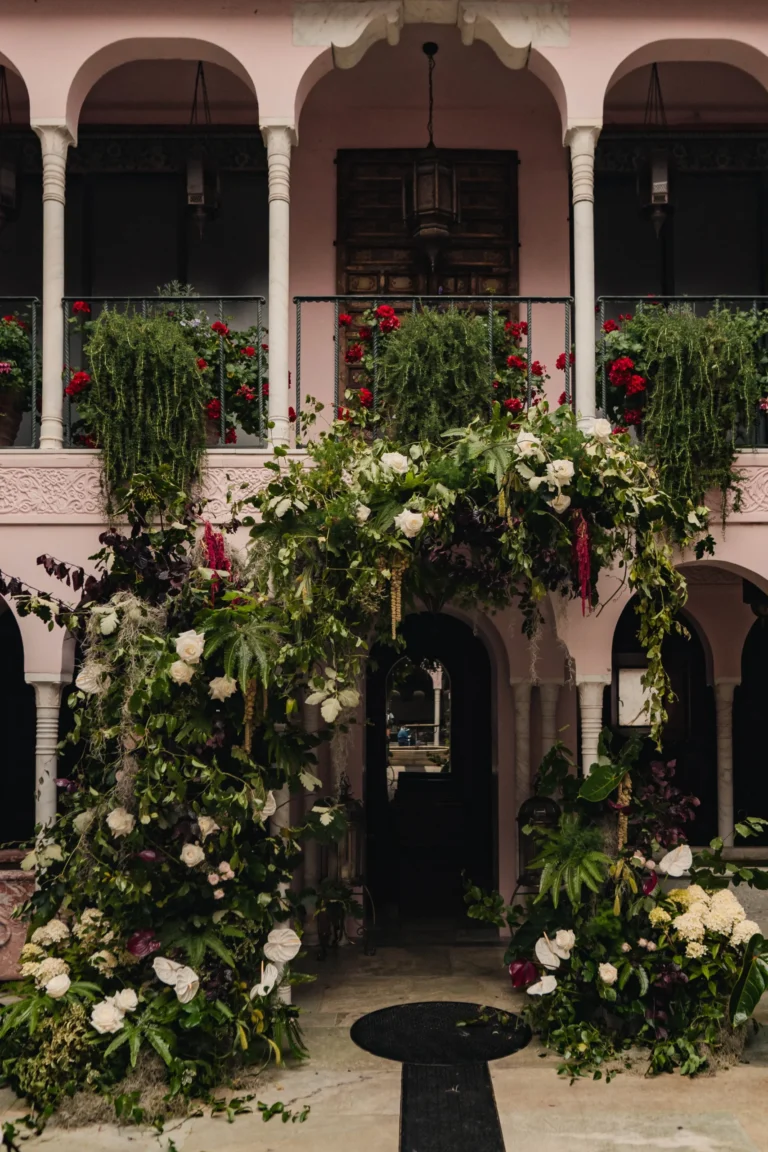
The reception was held in the chateau’s orangery, a structure designed to maximize natural light. The decor was intentionally minimal, featuring a single disco ball and floral arrangements provided by Lucy at Les Fleurs De La Terre. The floristry focused on seasonal varieties, ensuring that the botanical elements felt organic to the time and place.
The culinary offerings were managed by Lovage and Pumpernickel, a catering firm specializing in high-quality, locally sourced ingredients. The centerpiece of the evening’s gastronomy was the wedding cake—a traditional French croquembouche. This choice is significant; while many international couples opt for tiered sponge cakes, the selection of a croquembouche (a tower of choux pastry puffs bound with caramel) pays homage to French patisserie traditions dating back to the late 18th century.
In a move toward cost-efficiency and personal involvement, the couple managed several aspects of the reception themselves. The stationery was designed by the bride using the Zazzle platform, and guest favors—small boxes of chocolates—were hand-assembled using materials sourced from a local French haberdashery.
The Economic Landscape of Destination Weddings in 2025
The wedding of Laura and Ben occurred within a complex economic framework for the global wedding industry. Following the inflation peaks of 2023 and 2024, many couples in 2025 have moved toward "budget-conscious luxury." This involves maintaining high standards for core elements—such as photography and venue—while reducing costs through digital invitations and minimal decor.
Laura noted that while they maintained a spreadsheet to track expenses, the final budget was managed with flexibility. By utilizing digital invites and DIY stationery, the couple redirected funds toward high-priority vendors. Industry analysts suggest that this "hybrid" planning model—combining professional services with DIY elements—has become the standard for the mid-to-high-end wedding market, allowing couples to achieve a high-end "editorial" look without the associated costs of a full-service planning agency.
Visual Documentation and Industry Professionalism
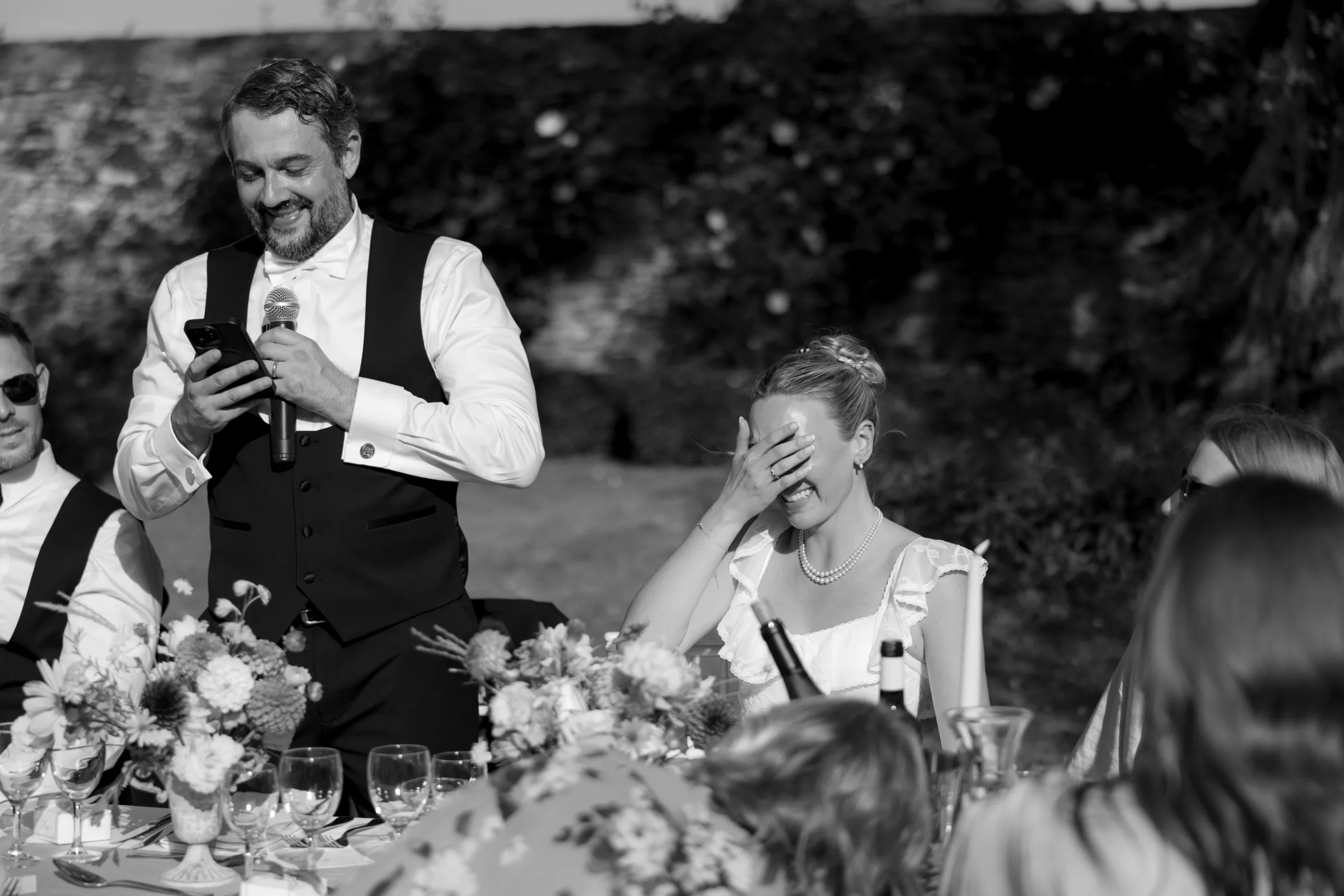
The task of documenting the event was entrusted to photographer Frances Mary Sales and videographer Katy Fendall Films. Sales is noted for her ability to capture natural light and candid emotional moments, a style that has seen increased demand as couples move away from overly staged or filtered photography. The importance of high-quality visual documentation in the destination wedding sector cannot be overstated; for many couples, the photographs and film serve as the primary record of an event that many extended family members may not have been able to attend due to the intimate guest list.
Broader Implications and Industry Trends
The celebration at Chateau Cazenac serves as a case study for several emerging trends in the 2025 wedding market:
- Intimacy over Scale: The preference for a "close gathering of friends and family" reflects a continued move away from the large-scale, 200+ guest weddings that dominated the pre-2020 era.
- Regional Expertise: By choosing a location they had visited for years, the couple mitigated the risks associated with destination weddings, such as unfamiliarity with local customs or vendor reliability.
- Sustainable Sourcing: From the Indie Bride London gown to the local jeweler and seasonal florist, the event prioritized a low-impact, high-meaning approach to consumption.
- Emotional Presence: The couple’s advice to future newlyweds—to "be present" and "take moments out"—highlights a growing psychological focus within the industry on the mental well-being of the couple during the high-pressure environment of a wedding day.
In conclusion, the wedding of Laura and Ben at Chateau Cazenac was more than a personal milestone; it was a reflection of contemporary values in the bridal industry. By balancing the grandeur of a French chateau with the intimacy of a small guest list and the ethics of sustainable fashion, the couple curated an event that prioritized authenticity and emotional resonance over traditional spectacle. As the destination wedding market continues to evolve, the "Cazenac model"—characterized by local sourcing, personal history, and aesthetic restraint—is likely to remain a blueprint for couples seeking a meaningful international celebration.