









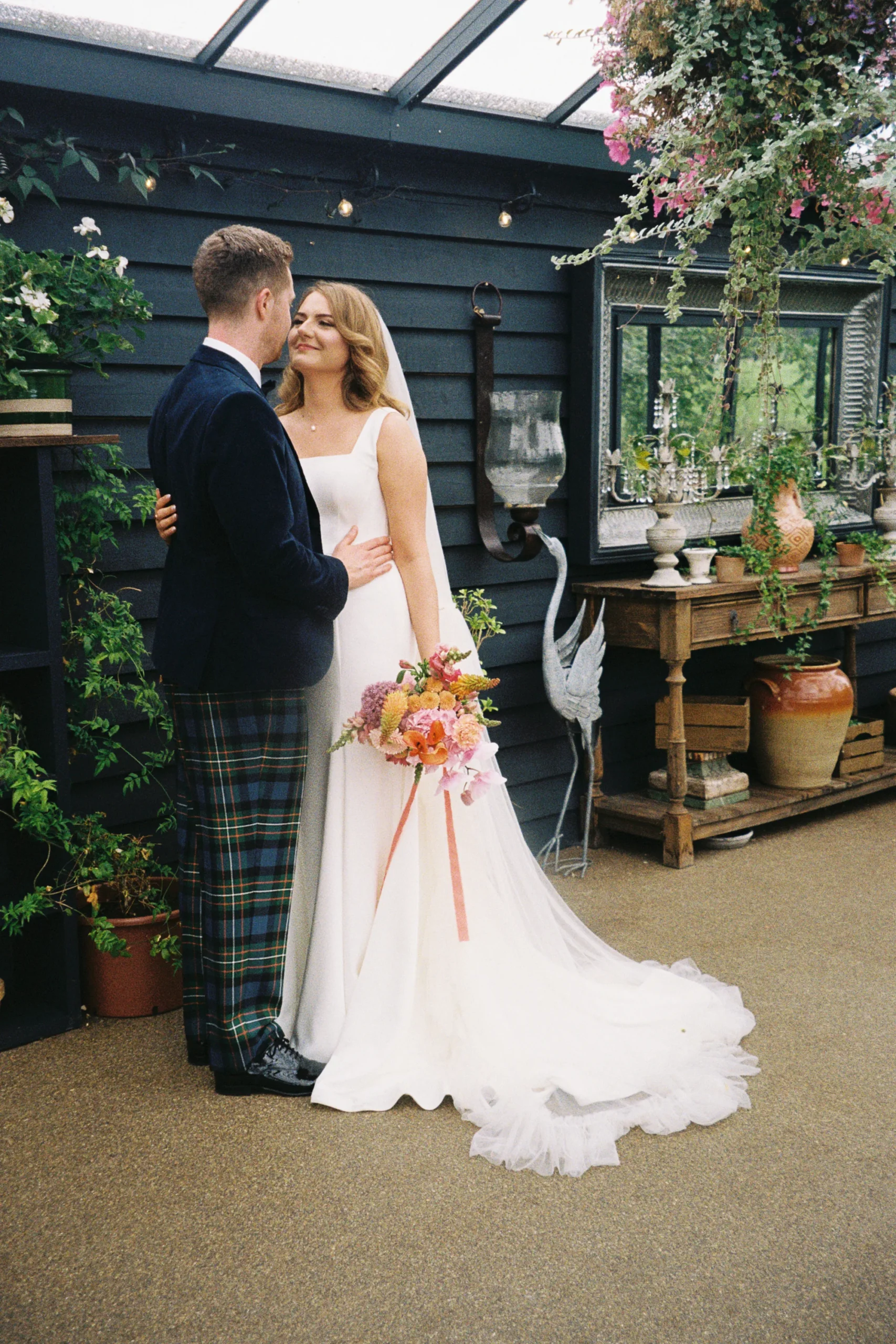
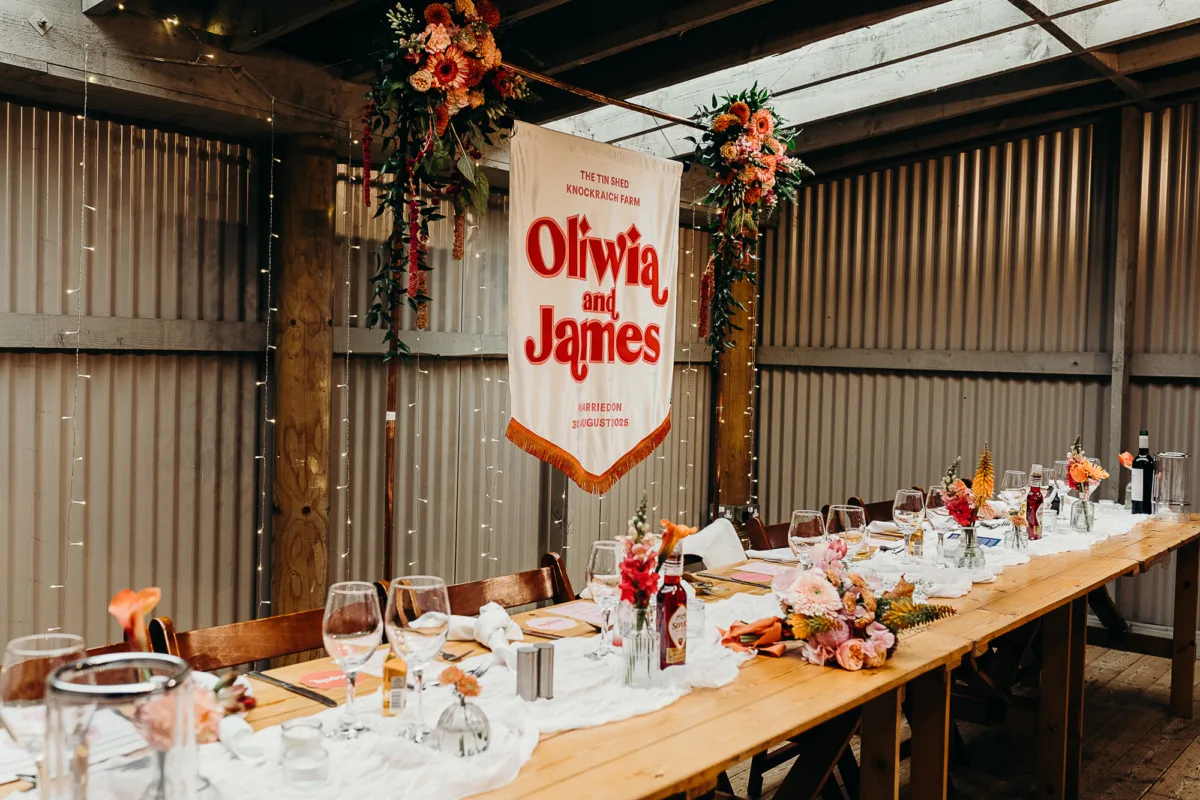
The nuptials of Oliwia and James, celebrated on August 30, 2025, represented a significant cultural synthesis within the rural landscape of Stirlingshire. Held at The Tin Shed at Knockraich Farm in Fintry, the event served as a sophisticated amalgamation of Scottish heritage and Polish tradition. The choice of venue was deeply rooted in the couple’s personal geography; Stirlingshire is not only the region where the pair first met but also the location of their recently purchased first home. This transition from domestic partners to a married couple within their own community underscores a broader trend in contemporary weddings where location serves as a narrative anchor for the couple’s history.
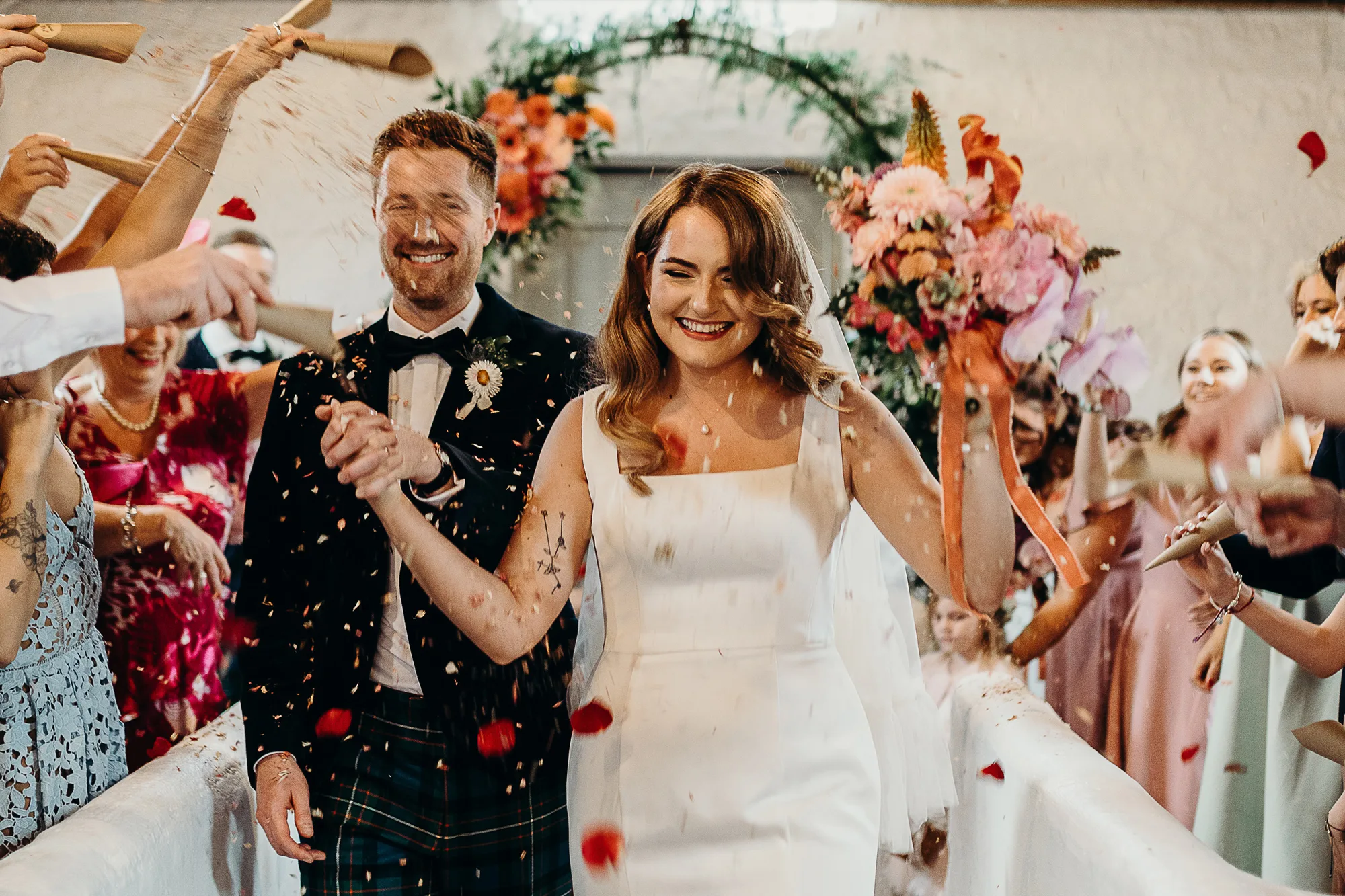
The Chronology of a Modern Union
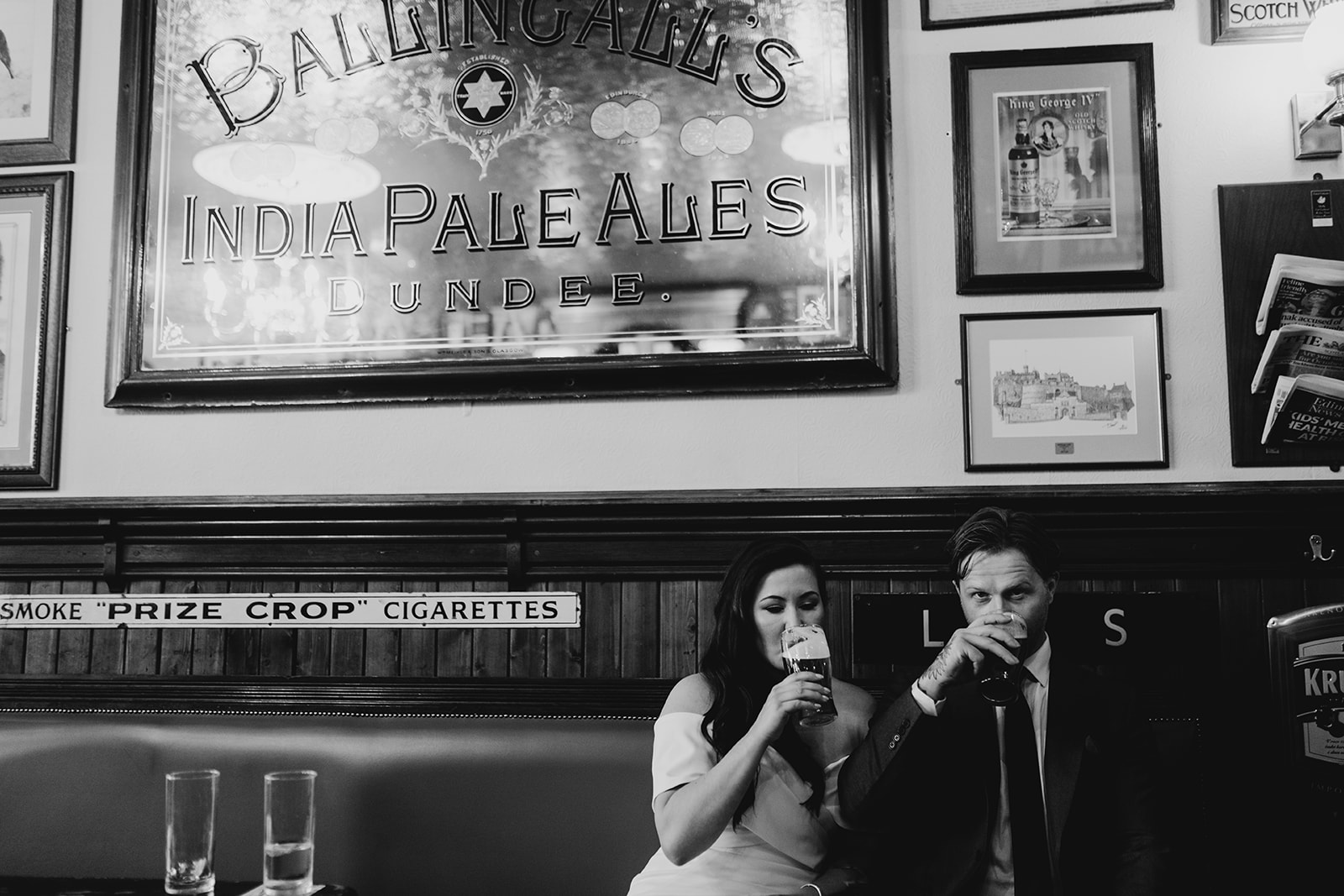
The relationship between Oliwia and James began in 2020, facilitated by the digital dating platform Hinge during the height of the global COVID-19 pandemic. Their initial meeting occurred at the Allan Park Hotel in Stirling, coinciding with the gradual easing of social restrictions. This period of courtship was defined by the unique constraints of the era, leading to a rapid strengthening of their bond. In 2021, the couple expanded their household by adopting a dog, Bonnie, from Poland, further cementing the cross-cultural nature of their domestic life in the Leith area of Edinburgh.
The engagement followed in 2024 during a curated travel experience in Sicily. James executed a surprise proposal on a hotel balcony overlooking the Ionian Sea and Mount Etna, following a professional wine-tasting session. The year-long engagement that followed was characterized by meticulous planning and a focus on integrating their disparate cultural backgrounds into a cohesive ceremony.
A Convergence of Rituals: Scottish and Polish Traditions
The ceremony was structured around several symbolic acts that honored both the groom’s Scottish roots and the bride’s Polish ancestry. Officiated by Linda Robertson—a close family friend known affectionately as "Auntie Linda"—the proceedings maintained an atmosphere of intimate familiarity while adhering to the gravity of the legal union.
The Scottish Handfasting and the Quaich
Central to the Scottish elements was the handfasting ceremony. This ancient Celtic tradition involves the literal "tying of the knot," symbolizing the binding of two lives. The ritual was performed by Oliwia’s younger brother, Cyprian, using Ferguson and Stirling tartans. The use of specific tartans is a traditional method of representing the joining of two distinct family lines.

Following the handfasting, the couple participated in the "Loving Cup" or Quaich ceremony. The Quaich, a two-handled shallow bowl, is a vessel of friendship and trust in Scottish culture. By sharing a drink from the cup, the couple signaled their mutual reliance and the blending of their social circles.
The Polish Bread, Salt, and Vodka Ceremony
In a poignant nod to Polish custom, the couple’s parents presented them with three symbolic elements: bread, salt, and vodka. Each element carries a specific blessing for the marriage:
- Bread: Symbolizing the hope that the couple will never know hunger and that their home will always be a place of abundance.
- Salt: Serving as a pragmatic reminder that life involves challenges, and that enduring "salty" or difficult times together is necessary for a resilient marriage.
- Vodka: Representing the joy and celebratory spirit of the union.
Adding a layer of personal craftsmanship to the ritual, the bread used in the ceremony was baked by Oliwia’s father. This inclusion of family-made artifacts is increasingly common in modern weddings, as couples seek to move away from mass-produced commercial elements in favor of artisanal, sentimental contributions.
Aesthetic Direction: Mid-Century Retro Meets Rural Rustic
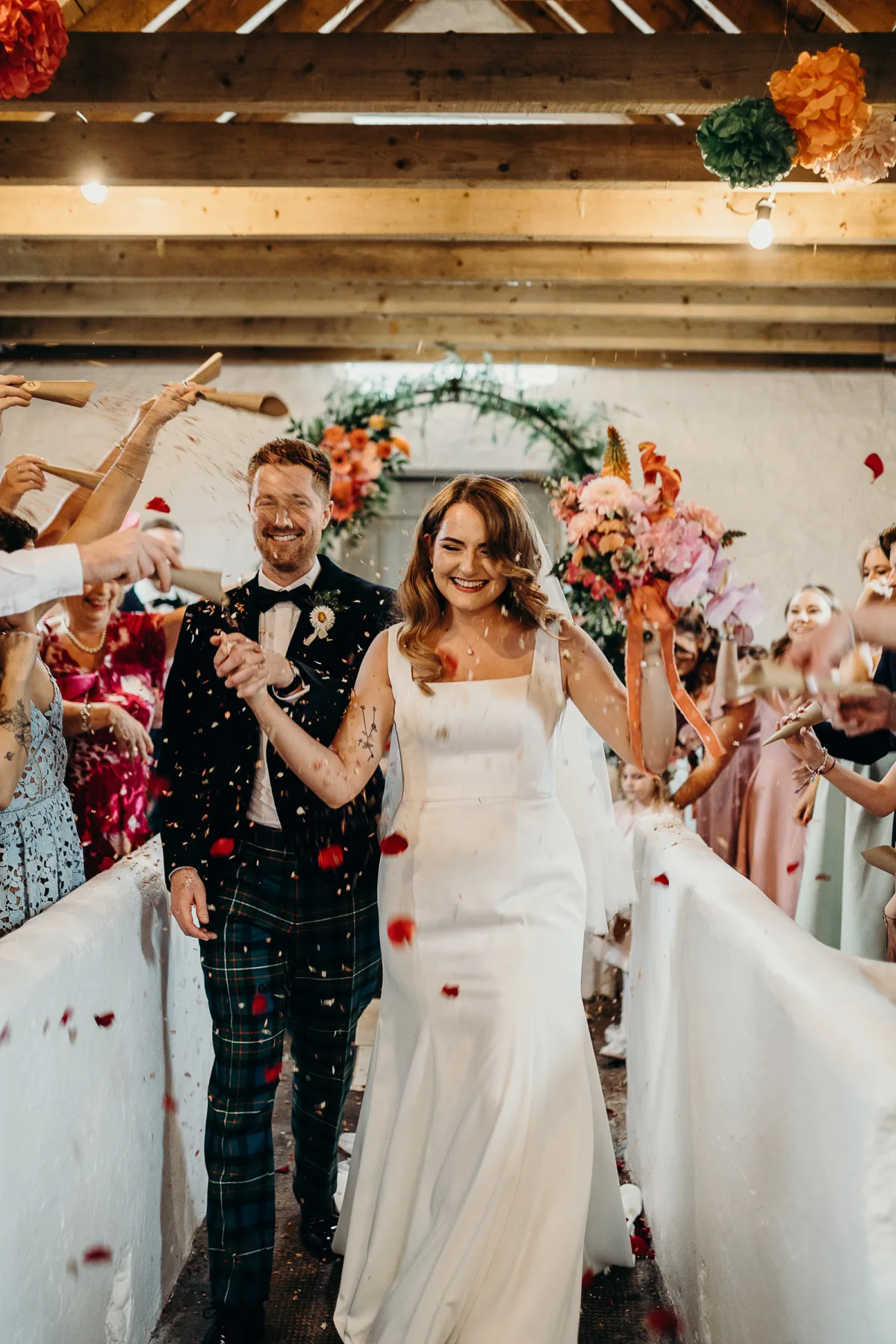
The visual identity of the wedding was defined by a bold color palette of pinks, reds, and oranges, departing from the more traditional muted whites and pastels often associated with farm weddings. The couple cited mid-century modern design and "retro-rustic" styles as their primary inspirations. This aesthetic choice was reflected in the vibrant streamers provided by Peace in the Neighbourhood and a bespoke banner created by artist Tara Collete.
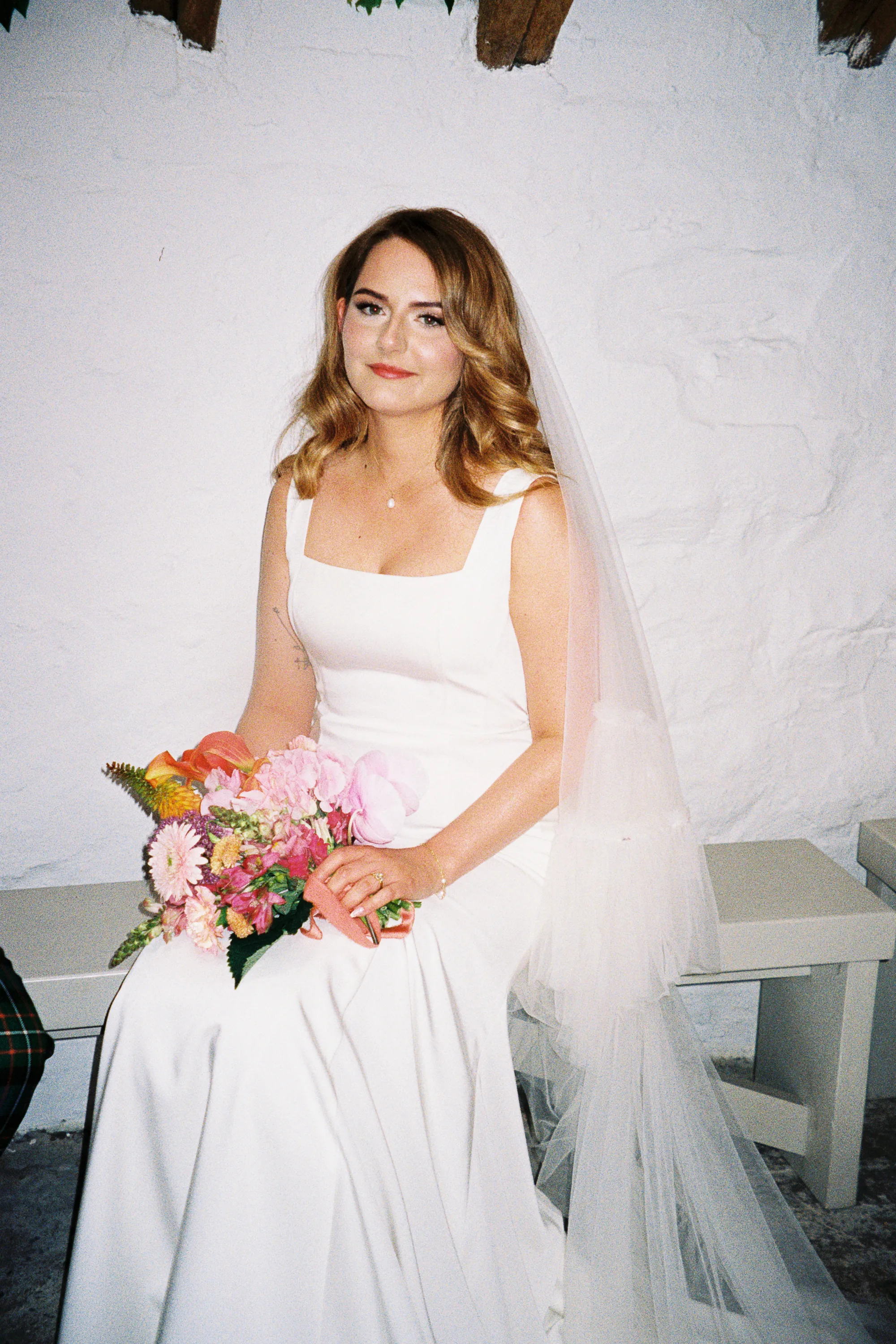
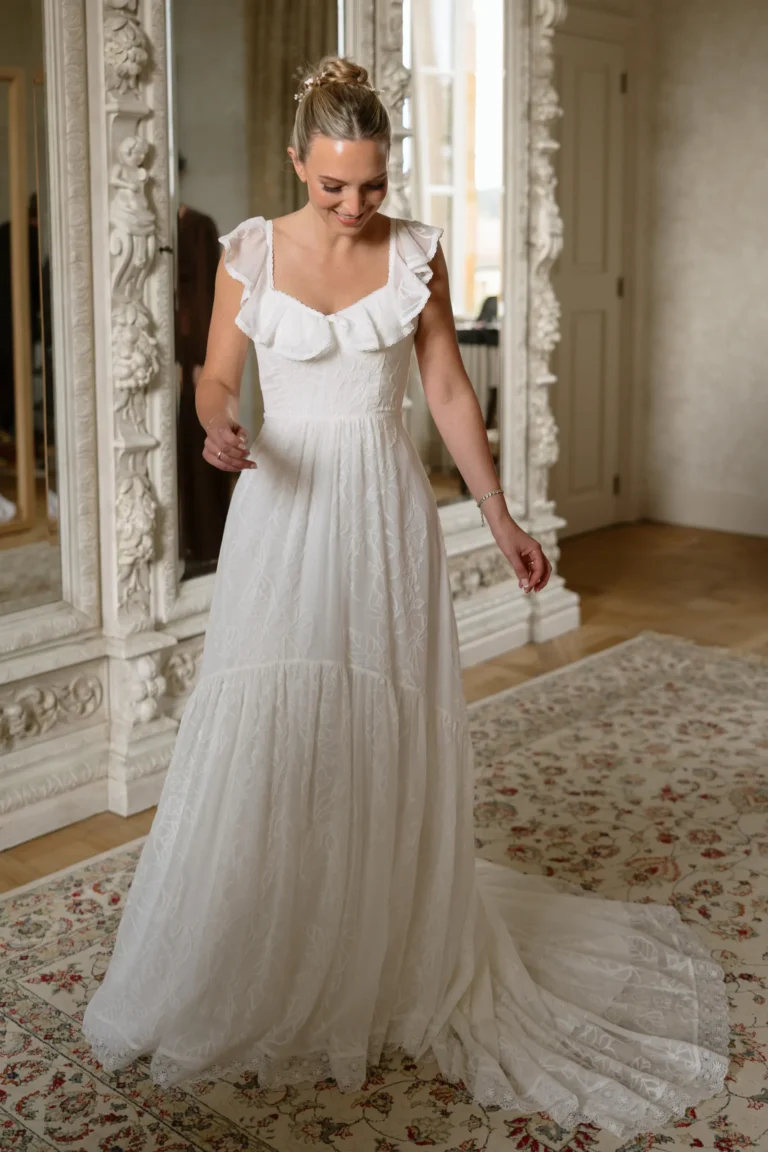
The bride’s attire featured the Berkeley gown by Freda Bennet, sourced from Emma Roy of Edinburgh. The gown’s design complemented the day’s "unusual but authentic" theme. In a tribute to her maternal lineage, Oliwia wore a gold ring with a red stone that belonged to her late grandmother—a piece the matriarch had reportedly worn every day of her life.
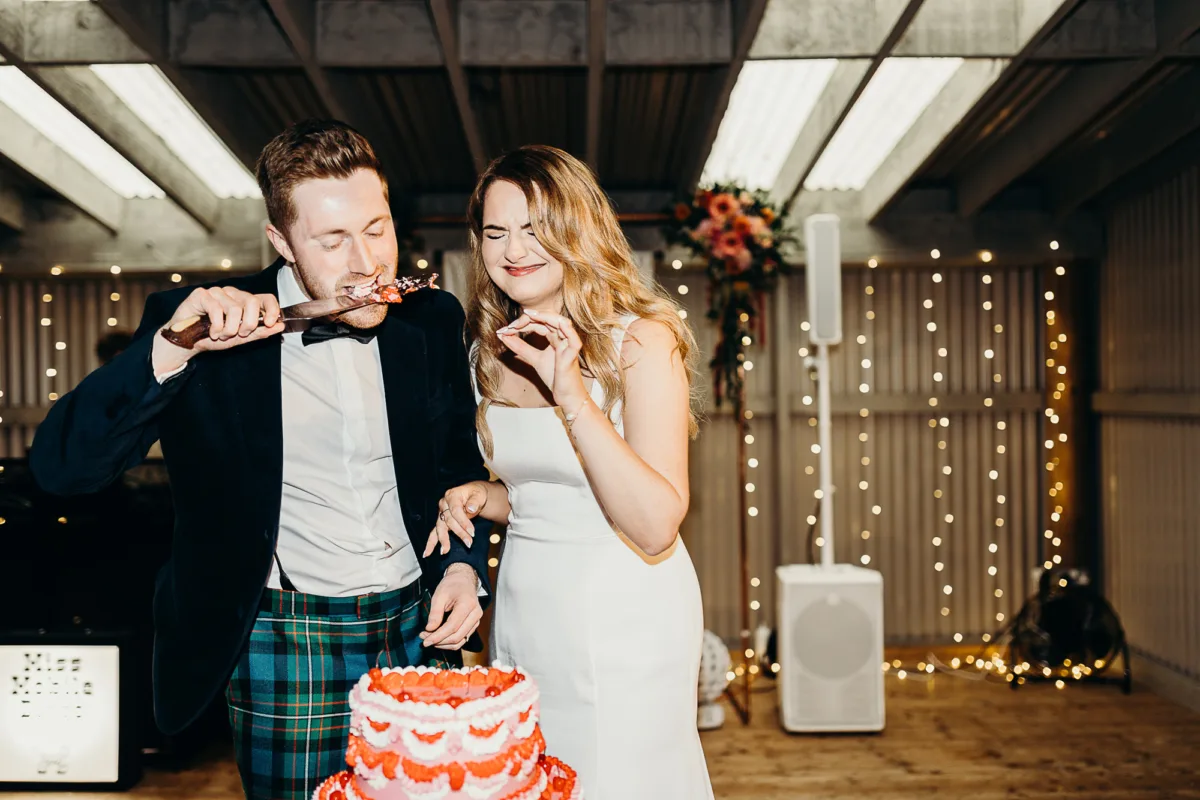
The groom and his party adhered to highland dress standards with a contemporary twist. James wore tartan trews in the Ferguson ancient tartan, paired with a midnight navy velvet jacket and a black bowtie, all tailored by the historic Edinburgh-based outfitters Kinloch Anderson. His ensemble was completed by his late father’s wristwatch, incorporating a significant paternal heirloom into the day’s proceedings.
Culinary Fusion and Logistical Execution
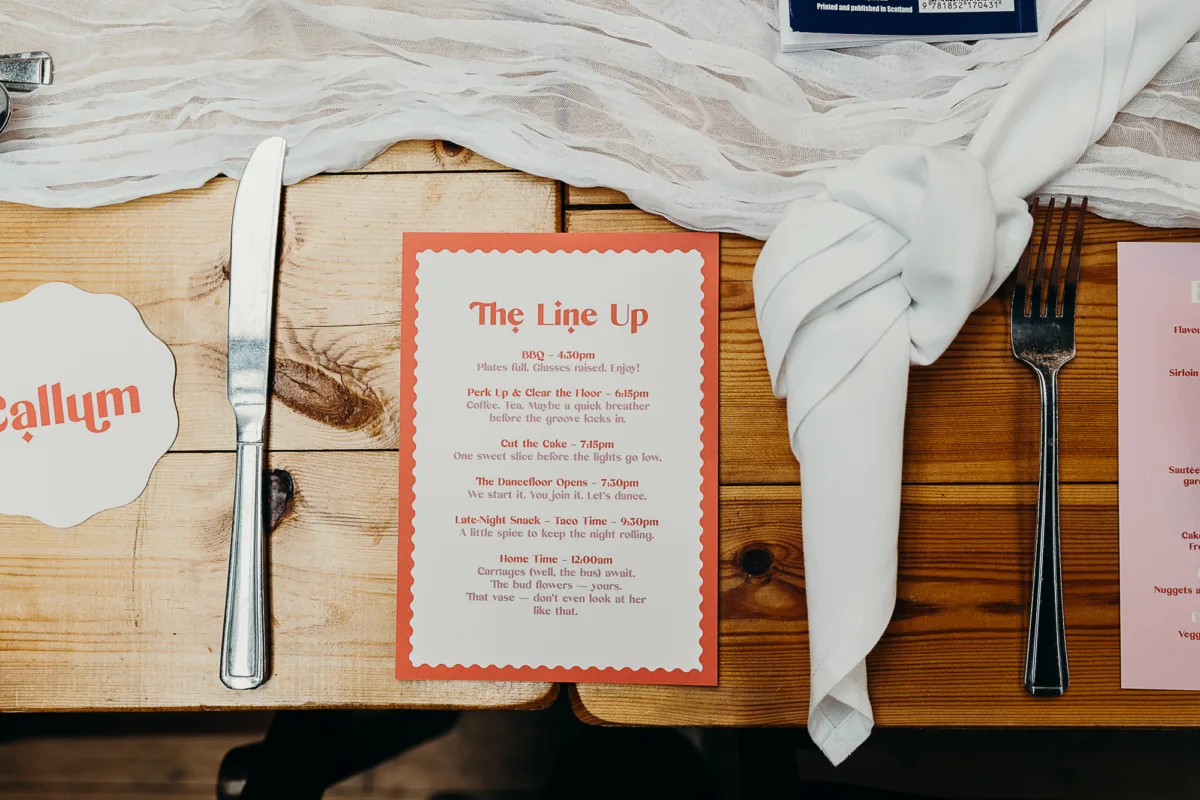
The catering, managed by Regis Banqueting, mirrored the wedding’s theme of relaxed sophistication. The primary meal consisted of a barbecue buffet featuring a variety of meats and seafood. However, the highlight of the evening reception was the "Polish Countryside Table," a traditional installation known as a strzecha.
Built by Oliwia’s family, the strzecha—a rustic, hut-style display—offered guests an authentic taste of Polish culinary heritage. It featured:

- Traditional smoked sausages and pork loin.
- Artisanal sourdough bread and pickles.
- Smalec: A traditional Polish spread made of rendered lard seasoned with herbs and meat pieces.
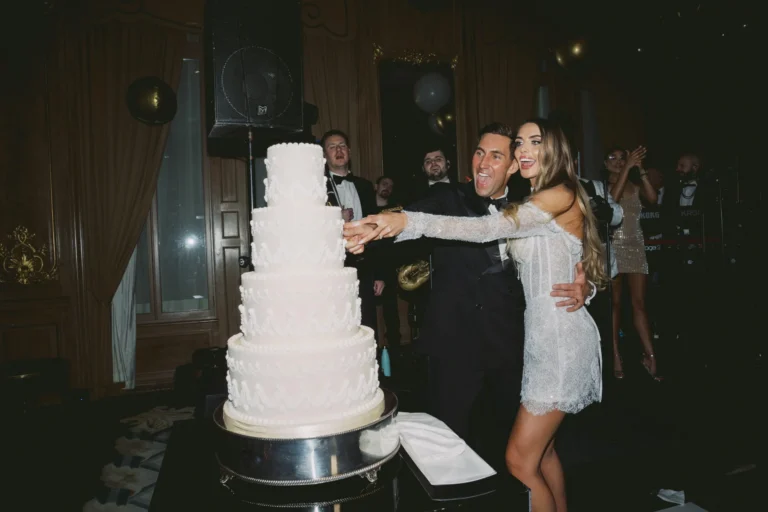
The dessert course centered on a heart-shaped, two-tiered chocolate and raspberry cake with retro-style red and cream ruffles, produced by Rude Cookies. The choice of bakery was intentional, as the proprietors share Polish heritage, further reinforcing the day’s cultural themes.
Economic and Industry Context
The Fintry wedding occurs at a time of shifting dynamics within the UK wedding industry. According to recent market data, there is a growing demand for "exclusive hire" venues like The Tin Shed at Knockraich Farm, which allow for greater customization compared to traditional hotel ballrooms. The industry has seen a 15% rise in multicultural "fusion" weddings over the last five years, as couples increasingly prioritize personal identity over rigid adherence to a single tradition.
Furthermore, the couple’s decision to utilize a mix of professional suppliers and DIY elements reflects a broader economic trend. While they admitted to exceeding their original budget, they emphasized the value of strategic spending to avoid long-term debt—a sentiment echoed by financial advisors specializing in the wedding sector. The use of local artisans, such as jeweler Ian Gallagher for the bespoke rings, also highlights a preference for regional economic support among millennial and Gen Z couples.
Broader Implications and Cultural Synthesis
The successful integration of Scottish and Polish rituals at the Knockraich Farm ceremony serves as a microcosm of the modern British social fabric. As international migration and digital connectivity continue to reshape how individuals meet and form families, the "traditional" wedding is being redefined as a bespoke cultural event.
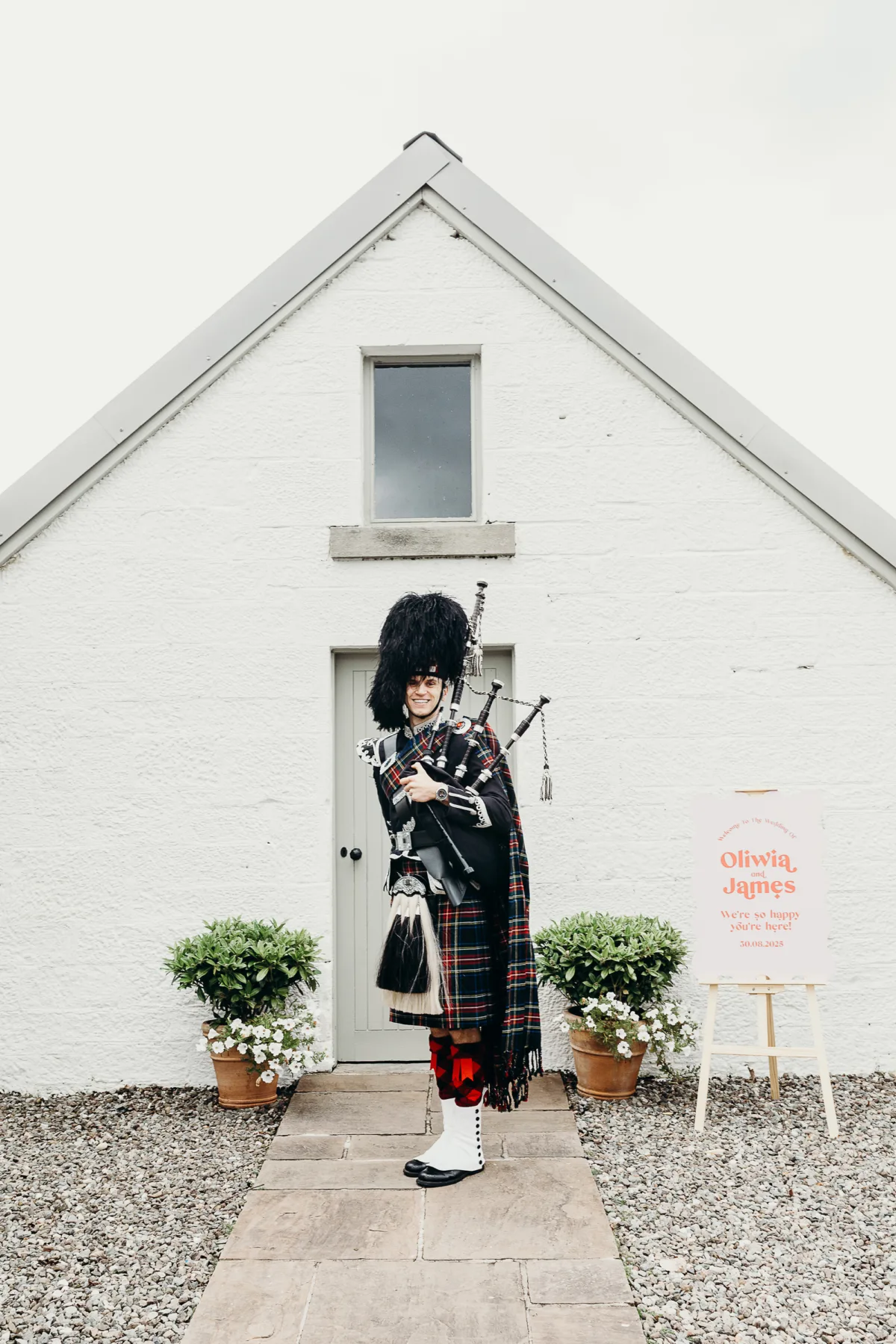
The presence of the bagpiper playing The Rowan Tree as the bride walked down the aisle, contrasted with the evening’s Polish pop music provided by Miss Mobile Disco, illustrates a seamless cultural coexistence. This duality is not merely aesthetic; it represents the practical reality of many modern UK households.
Conclusion and Reflections on Modern Matrimony
The wedding of Oliwia and James stands as a testament to the power of intentional planning and cultural respect. By honoring the past through heirlooms and ancient rituals while embracing the present through modern design and digital origins, the couple created a ceremony that was uniquely theirs.
Industry experts suggest that the "Fintry model"—prioritizing location, cultural fusion, and personal narrative—will likely become the standard for 21st-century weddings. As the couple embarks on their new life in Stirlingshire, their ceremony remains a vivid example of how disparate traditions can be woven together to create a new, shared heritage. The event concluded with a spirited first dance to Frankie Valli’s Can’t Take My Eyes Off You, a choice that perfectly encapsulated the energetic, inclusive, and joyful atmosphere of the day.