








Winston Churchill is indelibly etched in global memory as a formidable figure: the resolute "bulldog" visage, the stirring speeches that rallied a nation, and the ever-present aura of cigar smoke. Far from being accidental accouterments, these and other personal items were a carefully curated "everyday carry" – a personal suit of armor, not forged of steel, but crafted from metal, silk, tortoiseshell, and velvet. These were the tangible extensions of a man who understood the profound power of image, ritual, and enduring quality in shaping his leadership and legacy. This examination delves into eight such items, exploring their historical context, Churchill’s specific relationship with them, and how they collectively served as vital instruments in his extraordinary life.

The Pillars of Provenance: Heritage and Precision
Central to Churchill’s identity were objects that anchored him to his distinguished past and meticulously managed his present. These were not mere accessories but potent symbols of continuity and control.
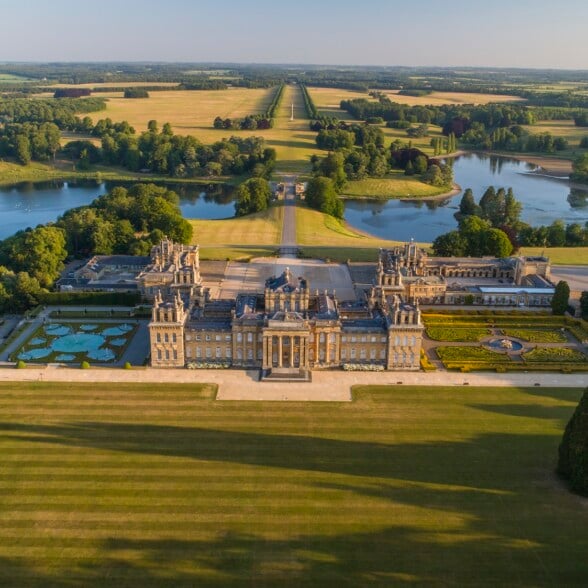
The Spencer-Churchill Signet Ring: For Churchill, heritage was not an abstract concept but a palpable presence, literally at his fingertips. His gold signet ring, likely crafted by Garrard, the esteemed royal jeweler, bore the intricate Spencer-Churchill arms. This emblem served as a direct, constant link to the illustrious Dukes of Marlborough and to Blenheim Palace, his ancestral home and birthplace. Unlike the more flamboyant Continental style of wearing a signet ring on the pinky finger, Churchill chose the ring finger of his right hand. This placement underscored its significance not as a flashy adornment, but as a sober and perpetual connection to his lineage and the profound duties that came with it. It was a silent, weighty reminder of the historical mantle he carried, a testament to the deep sense of obligation he felt towards his forebears and his nation.
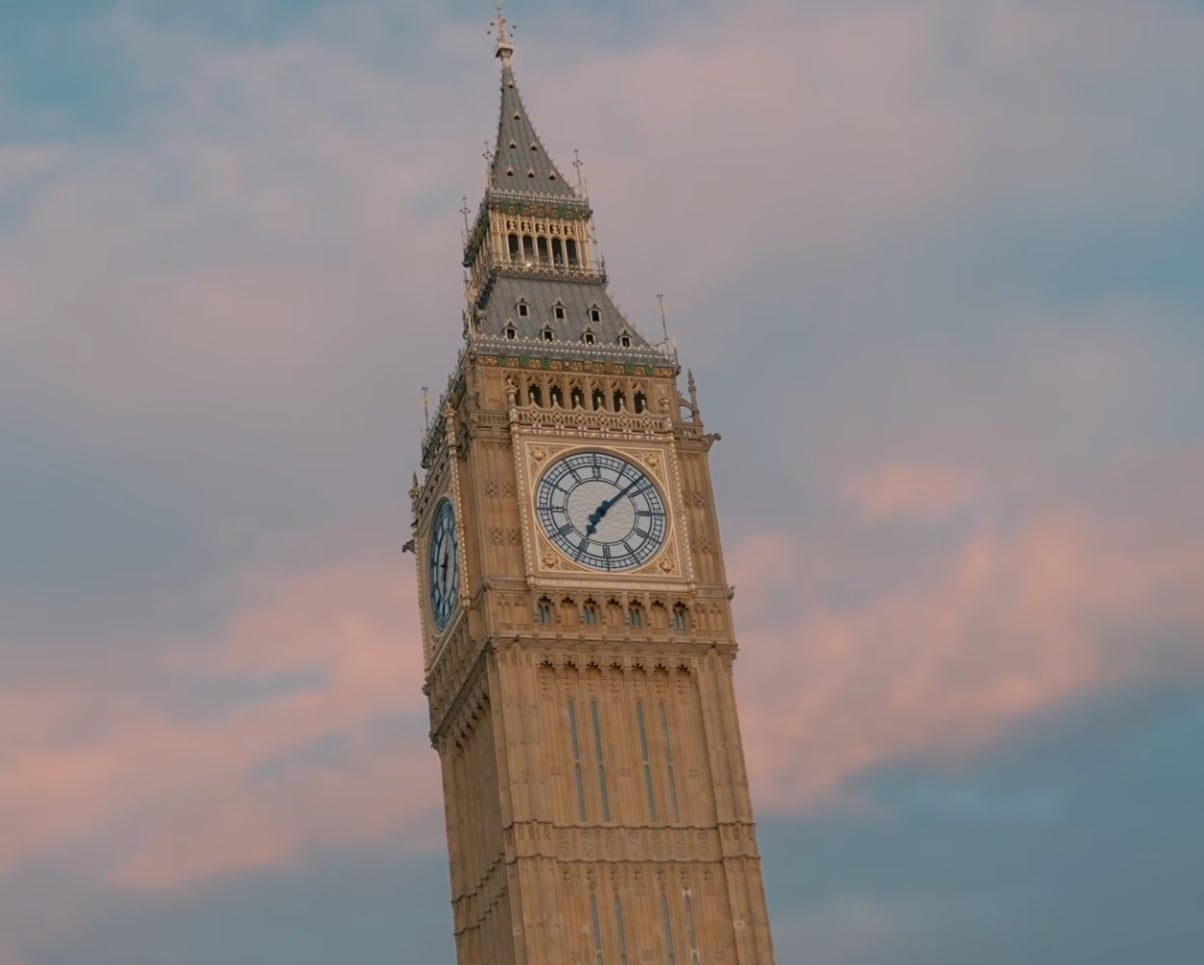
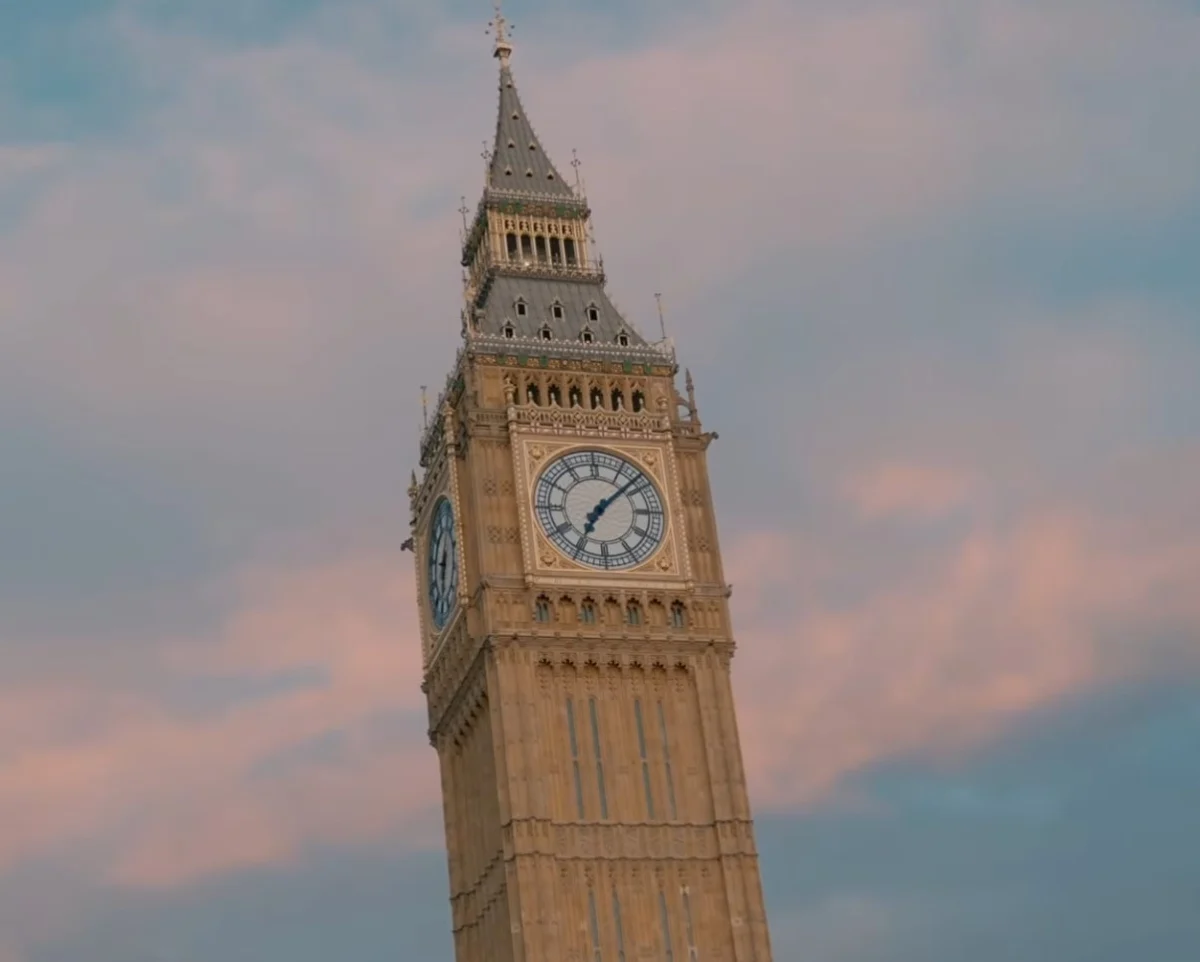
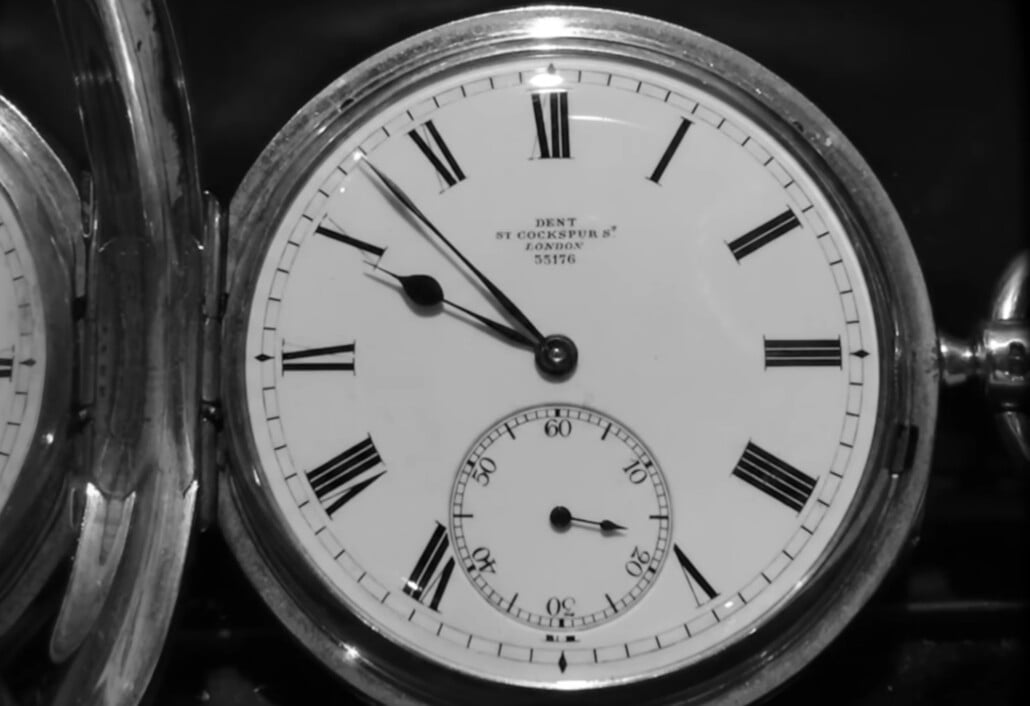
“The Turnip:” The Breguet Pocket Watch: In an era witnessing the widespread adoption of the wristwatch, particularly among military men, Churchill maintained a staunch loyalty to the traditional pocket watch. His chosen timepiece was a Breguet reference number 765, affectionately nicknamed “the Turnip” due to its sizable, bulbous 18k gold case. This was no ordinary watch; it was equipped with a minute-repeating complication, a marvel of horological engineering that allowed him to chime the exact time in the dark – a practical and vital feature, especially during the blackouts of the Blitz. The origins of "The Turnip" further deepened its significance. It was originally commissioned in 1890 by John Spencer-Churchill, the 7th Duke of Marlborough, from Dent, the renowned London watchmaker famous for crafting the Great Clock at Westminster (colloquially known as Big Ben). Upon inheriting it, Winston carried it with immense pride. For a gentleman of Churchill’s stature in the early to mid-20th century, clinging to a pocket watch was a distinct mark of traditionalism and gravitas, contrasting sharply with the perception of a wristwatch as a modern gadget. The deliberate ritual of reaching into his waistcoat to consult the time perfectly complemented Churchill’s methodical nature and underscored his profound respect for time itself. He famously articulated this philosophy: "Time is one thing that can never be retrieved. One may lose and regain friends. One may lose and regain money. Opportunity, once spurned, may come again, but the hours that are lost in idleness can never be brought back to be used in gainful pursuits."
The Arsenal of Advocacy: Communication and Cognition
Churchill’s effectiveness as a leader hinged on his unparalleled ability to communicate, both through spoken word and the written page. The tools he used were integral to this mastery.
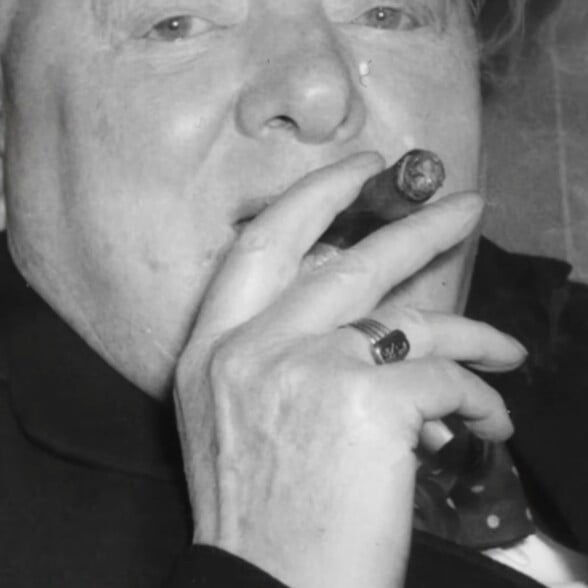
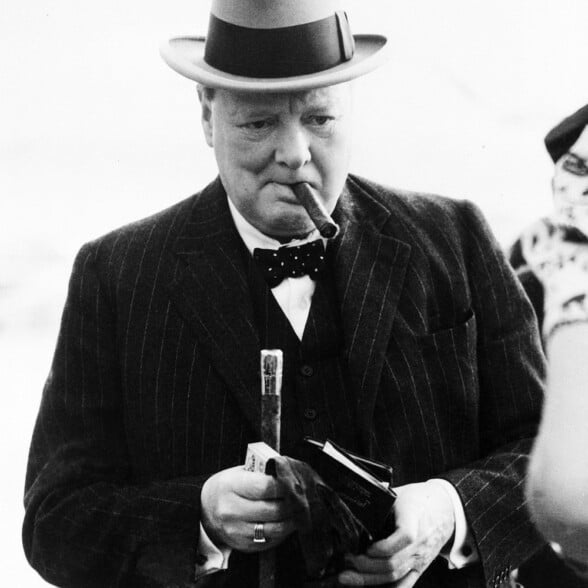
The Cuban Signature: Romeo y Julieta Cigars: No single accessory is more intrinsically linked to Winston Churchill than his cigar, which became his ultimate signature. More than a mere habit, Churchill strategically employed cigars as a tool to cultivate his public image – simultaneously portraying him as a relentless leader and a connoisseur of life’s finer pleasures. His preferred brands were Cuban, primarily Romeo y Julieta (still in production today) and the now-defunct La Aroma de Cuba. So strong was his association with the Romeo y Julieta brand that his preferred cigar size, once marketed as the "Clemenceau" (after the French Prime Minister), was famously renamed "Churchill" by the company, a designation it retains to this day. Churchill favored cigars that were long in size and mild in strength. He reportedly consumed eight to ten cigars daily, though not always by smoking them to the end. He frequently lit one only to be interrupted by urgent demands, or he would simply chew them down to nubs – a habit so pronounced that his wife, Clementine, would occasionally make him wear a bib. To keep his fingers clean while writing, he devised a DIY paper wrap he humorously called a "bellybando." This constant presence of a cigar, whether lit or chewed, became an iconic symbol of his unwavering resolve and characteristic defiance.
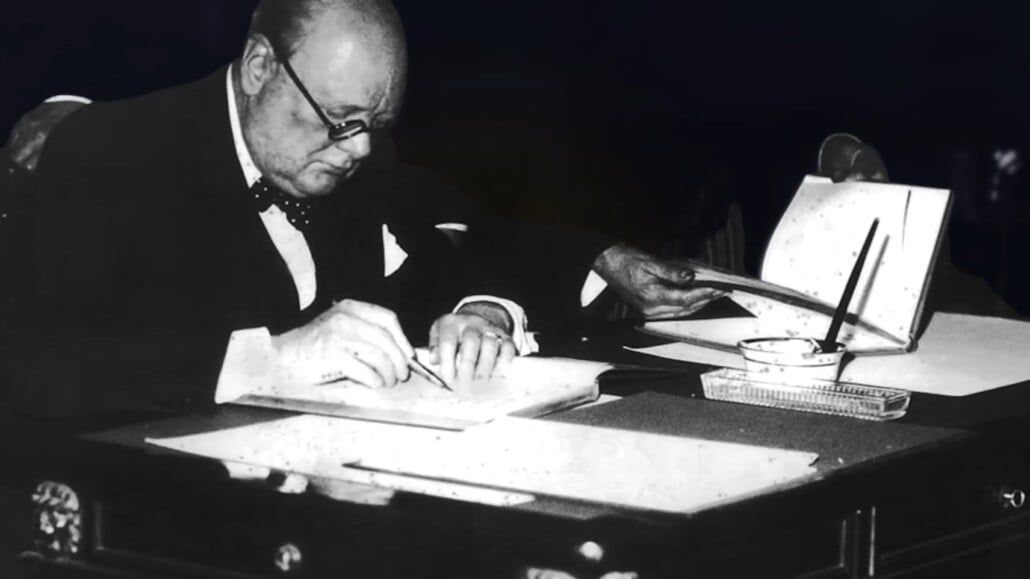
The Fountain Pen: While celebrated as a wartime prime minister and an orator of historic magnitude, Winston Churchill inherently understood that the pen was indeed mightier than the sword. Beyond his legendary speeches, Churchill was an incredibly prolific writer, authoring numerous books, articles, and countless memos. He held a deep conviction that the quality of the writing instrument was as important as the ideas it conveyed. Naturally, he favored British-made pens from storied manufacturers. In his younger years, he often used pens from Mabie Todd, particularly a model called the "Swan." Later, he gravitated towards Onoto and Conway Stewart. He specifically preferred the Onoto plunger-filler for its generous ink capacity, which allowed him to write lengthy manuscripts without interruption. Typically fitted with gold nibs, these were not disposable items but precise, weighted tools that felt significant in the hand, facilitating the flow of his powerful thoughts onto paper.
The Garments of Governance: Image and Authority
Churchill’s sartorial choices were never accidental; they were carefully selected elements that contributed to his formidable public persona, projecting an unmistakable aura of authority and statesmanship.
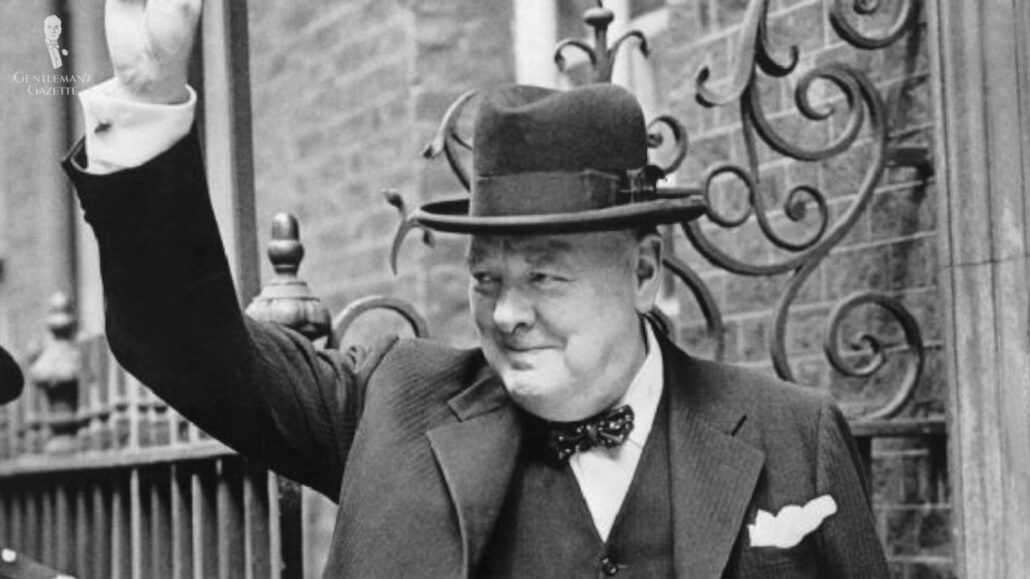
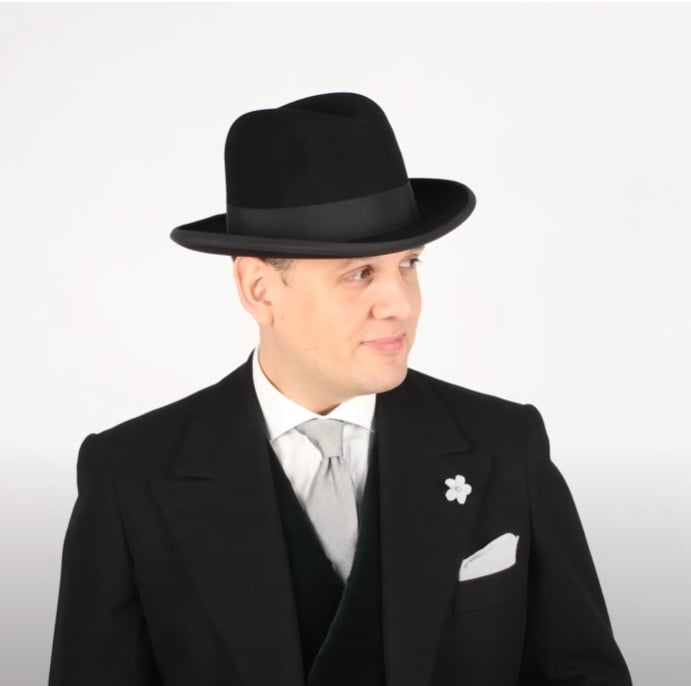
The Homburg Hat: While many American gentlemen of the era favored the fedora, and formal occasions demanded a top hat, Churchill cultivated a distinct preference for the homburg. This hat style, characterized by its rigid, rolled brim and a single lengthwise crease in the crown, originated in Bad Homburg, Germany. Its global popularity, however, was significantly influenced by two British figures: first, Edward VII, who adopted it after vacationing in Bad Homburg in the 1880s-90s, and then Churchill himself. His near-constant wearing of the homburg helped transform it into a worldwide symbol of British statesmanship. Churchill’s preference for the homburg over the more pliable fedora was likely a conscious choice regarding his silhouette. The homburg’s stiff, structured, and authoritative form did not slouch or lose its shape, commanding respect instantly. It offered the perfect middle ground: serious and dignified without the overt pomp of a top hat, aligning perfectly with his image as a resolute leader.
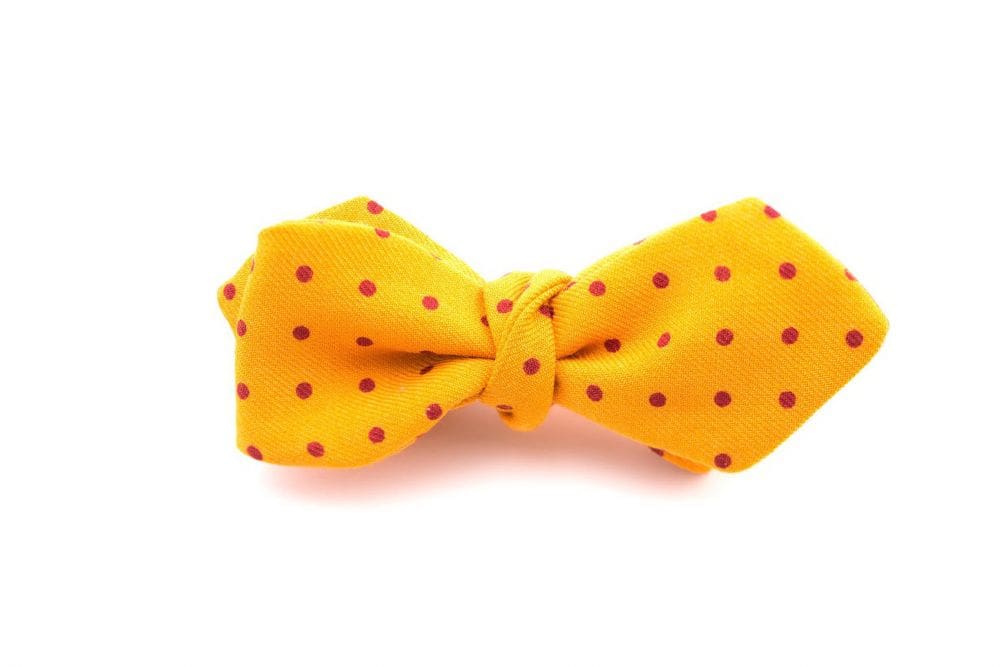
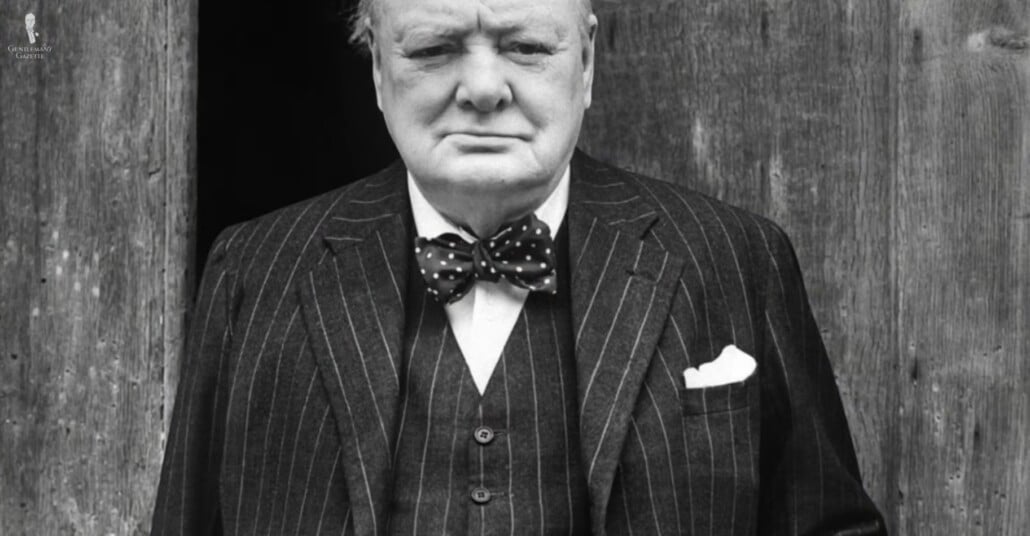
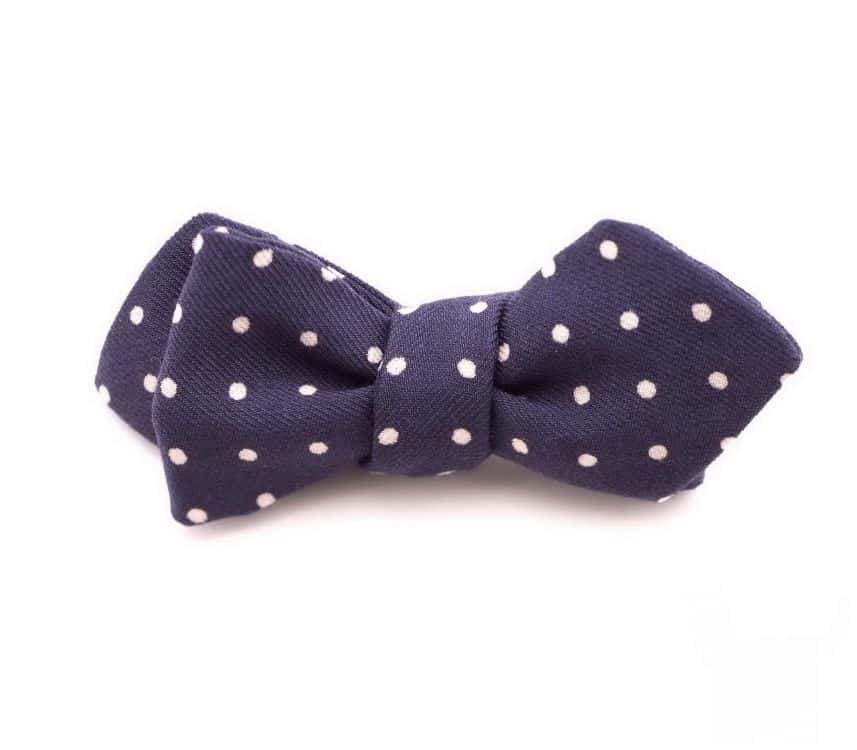
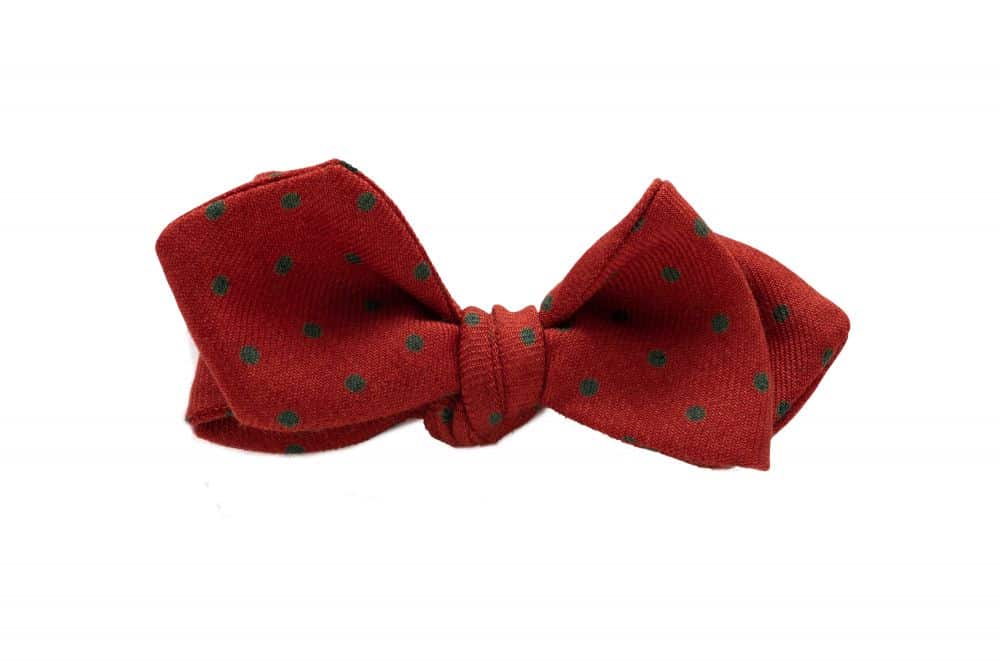
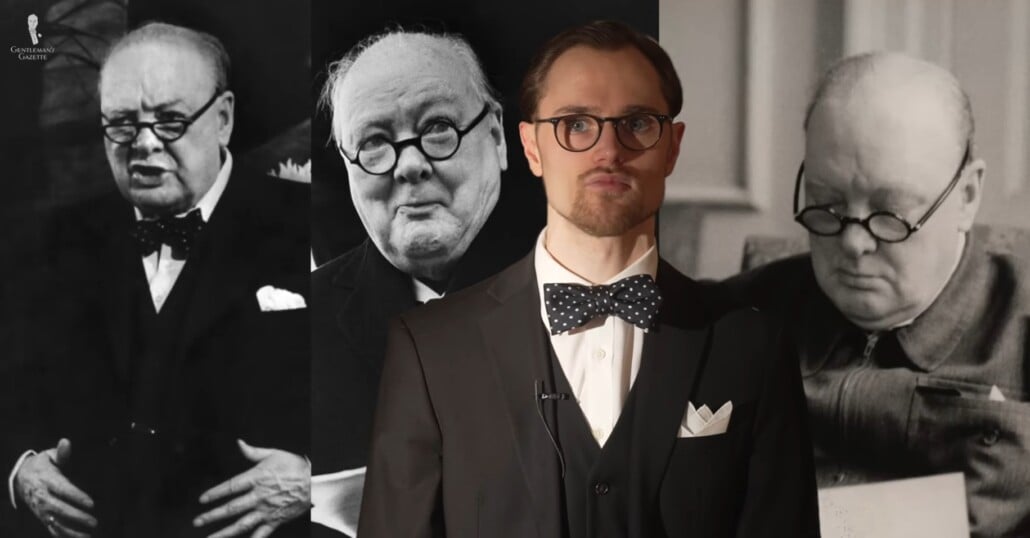
The Navy Spotted Bow Tie: Perhaps no sartorial accessory is as uniquely and instantly associated with Winston Churchill as his spotted bow tie. It was almost invariably the same pattern: navy blue with white polka dots. This was a deliberate, strategic choice on his part. Whether standing in Parliament, captured by flashbulbs for newspaper photos, or filmed for newsreels, the sharp color contrast and memorable pattern made him instantly identifiable to the public. In a sea of somber suits and plain ties, the bow tie acted as a focal point and a distinctive flourish of personality, signaling his arrival and projecting a confident, almost defiant, individuality. So deeply ingrained did this particular style become in his public image that haberdashers of the time would occasionally market it as the "Blenheim," in a direct nod to the ancestral Churchill estate, further cementing its iconic status.
The Sanctuaries of Self: Comfort and Clarity
Even a leader of Churchill’s monumental stature required tools for personal comfort and clarity, especially during moments of respite or intense intellectual effort.
Specialized Tortoiseshell Spectacles: Given that Churchill suffered from poor eyesight, which progressively worsened with age, eyeglasses were an absolute necessity. However, he did not settle for a single pair to manage every situation. He commissioned specific tortoiseshell frames, primarily from the distinguished firm of C.W. Dixey & Son, meticulously tailored to his various daily tasks. These were functional tools, yet he ensured the frames maintained a dignified, old-world style that complemented his face. To quickly distinguish between his specialized pairs, he had the temple tips discreetly marked with dots: one dot denoted his reading glasses, while two dots identified the pair specifically used for speechwriting. Other pairs were reserved for sketching, painting, or playing cards. He treated his eyewear with the same level of consideration as any other element of his dress, recognizing it as a frequent and prominent component of his appearance.
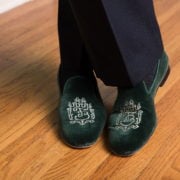
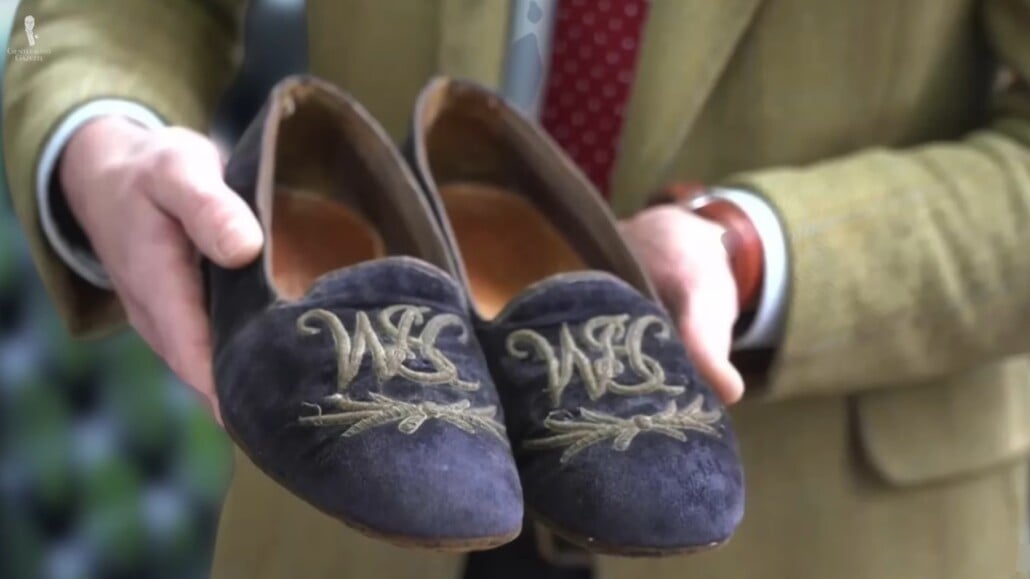
Monogrammed Albert Slippers: After enduring the immense pressures of managing global crises, Churchill would retreat to his beloved country home, Chartwell, and change into comfortable house shoes. His preferred style? Albert slippers. This traditional style of house shoe is typically crafted with black velvet uppers and a stiffer sole than other slipper types, giving them a more refined, almost dress-shoe like quality. They can feature the same grosgrain silk ribbon as the closely related opera pump, but more often, the vamp is either plain or adorned with embroidered motifs. The slipper is named in honor of Prince Albert, husband and consort of Queen Victoria, who played a significant role in popularizing this style in the mid to late 19th century. Churchill tended to favor fairly conventional Albert slippers; his first known pair was a gift from his friend, Lady Diana Cooper, in black velvet with his monogram embroidered in gold. He grew to appreciate the style so much that he commissioned subsequent pairs, generally in deep blue or maroon velvet, embroidered with his initials in either gold or white. Intriguingly, photographs from the era reveal that he not only wore his Albert slippers at home but occasionally ventured out in public while wearing them, blurring the lines between private comfort and public presence.

Beyond the Objects: A Legacy of Deliberate Design
Winston Churchill’s everyday carry items were far more than mere personal preferences; they were a deliberate, strategic extension of his character and leadership. Each object, from the ancestral signet ring to the humble Albert slipper, played a role in constructing the formidable public persona that guided Britain through its darkest hour. They reflected his profound connection to heritage, his meticulous attention to detail, his unwavering commitment to quality, and his acute understanding of the power of ritual and symbolism.
Collectively, these items formed a kind of sartorial and functional "suit of armor" that reinforced his authority, aided his immense intellectual and administrative tasks, and made him instantly recognizable. His choices underscored a man who was deeply rooted in tradition yet forward-thinking in his strategic use of personal branding. The deliberate selection and consistent use of these items contributed significantly to the enduring iconography of Winston Churchill, offering a compelling case study in how personal objects can become integral to a leader’s identity and historical legacy. His everyday carry reminds us that even the smallest, most personal items can hold profound significance, reflecting the character, discipline, and strategic intent of the individual who wields them.