








The highly anticipated collaboration between Swatch and Audemars Piguet, dubbed the "Royal Pop," has ignited a firestorm of discussion within the horological community. While intended to bring a touch of accessible luxury to a wider audience, the launch was marred by scenes of chaos, raising critical questions about the ethics of limited-edition releases, the role of resellers, and the evolving psychology of watch collectors. This article delves into the events surrounding the "Royal Pop" launch, examining the immediate fallout, the underlying market dynamics, and the broader implications for the watch industry.
The Genesis of the "Royal Pop" and the Overnight Frenzy
The collaboration, a surprise announcement that sent ripples through the watch world, aimed to fuse the playful accessibility of Swatch with the iconic design language of Audemars Piguet. The "Royal Pop" collection, featuring a range of vibrant, colorful interpretations of a stylized pocket watch, was positioned as an entry point into the esteemed Audemars Piguet aesthetic, albeit in a significantly more affordable package. However, the market’s reaction far outstripped the planned distribution strategy.
Reports from major cities worldwide painted a consistent picture of unprecedented demand. Enthusiasts, ranging from seasoned collectors to curious newcomers, began queuing outside Swatch boutiques days before the official launch on May 11, 2024. In locations such as London, New York, and Tokyo, these lines swelled into overnight encampments, transforming retail spaces into temporary communities of the eager and the determined. The sheer volume of individuals seeking to acquire one of these limited-edition pieces highlighted a palpable hunger for a more accessible connection to high-end watchmaking.
Chronology of Chaos: From Anticipation to Disappointment
The timeline leading up to and immediately following the "Royal Pop" launch is characterized by a rapid escalation of events:
- Pre-Launch Buzz: Following the official announcement, speculation and excitement built exponentially. Social media platforms were flooded with discussions, renders, and leaked information, fueling anticipation.
- Early Queuing (Days Prior): Determined individuals began establishing positions outside Swatch stores, some even setting up makeshift camps with sleeping bags and provisions, demonstrating the intensity of the desire to secure a timepiece.
- Launch Day Disruption (May 11, 2024): As stores opened, the pent-up demand erupted. In many locations, the limited stock was depleted within minutes, leading to frustration and disappointment among those who had waited for extended periods.
- Police Intervention: The sheer volume of crowds and the potential for disorder led to police presence and intervention in several key cities, with authorities at times cordoning off areas or advising Swatch to manage crowd flow more effectively.
- Reseller Market Surge: Almost immediately after the initial sales, the "Royal Pop" watches appeared on secondary markets, often at significantly inflated prices. This rapid flip of inventory exacerbated the frustration of genuine collectors who were unable to purchase the watches at retail. Reports indicated prices ranging from $500 to over $3,000, a substantial markup on the original retail price of approximately $350.
- Social Media Outcry: A wave of discontent and criticism flooded online forums and social media. Collectors voiced their disappointment with the launch’s execution, the perceived unfairness of the distribution, and the rampant scalping that followed.
Supporting Data and Market Dynamics
The "Royal Pop" phenomenon is not an isolated incident but rather a symptom of broader trends within the luxury watch market. The scarcity of desirable timepieces, amplified by the success of brands like Rolex and Audemars Piguet in controlling supply, has driven significant interest in any offering that promises a taste of that exclusivity, even at a lower price point.
- Limited Production Runs: While specific production numbers for the "Royal Pop" were not publicly disclosed by Swatch or Audemars Piguet, the rapid sell-out across multiple global locations suggests a carefully managed, limited release. This scarcity, a well-established tactic in the luxury goods market, is designed to generate demand and desirability.
- The "Entry-Level Luxury" Appeal: The "Royal Pop" offered a unique proposition: the cachet of Audemars Piguet at a price point accessible to a much broader demographic. This "entry-level luxury" segment is a growing area of interest for brands looking to cultivate future clientele and capitalize on aspirational purchasing power.
- The Secondary Market’s Influence: The secondary market, or grey market, for watches has become a powerful force. The "Royal Pop" launch highlighted how quickly these platforms can absorb and re-price limited-edition items. The profit potential for resellers incentivizes aggressive acquisition strategies, often at the expense of genuine enthusiasts. Data from platforms like Chrono24 and eBay indicate a consistent trend of rapid price appreciation for hyped releases.
- The "FOMO" Factor: The fear of missing out (FOMO) plays a significant role in driving such intense demand. The perceived rarity and the allure of owning a piece associated with a prestigious brand create a psychological imperative to acquire, regardless of practical considerations.
Analysis of the "Royal Pop" Launch: Clever Collaboration or PR Fiasco?
The "Royal Pop" launch has been dissected with a fine-tooth comb, with arguments presented for both its strategic brilliance and its spectacular failure.
Arguments for a Clever Collaboration:

- Brand Visibility and Engagement: The event undoubtedly generated immense global attention for both Swatch and Audemars Piguet. The sheer volume of media coverage and social media discussion far surpassed what a standard product launch might achieve.
- Cultivating Future Collectors: By offering a more accessible entry point, Swatch and Audemars Piguet may have successfully captured the attention and interest of a new generation of watch enthusiasts who might otherwise have been priced out of the Audemars Piguet universe. This could lead to long-term brand loyalty.
- Highlighting Design Heritage: The "Royal Pop" collection, despite its playful aesthetic, drew inspiration from the iconic Royal Oak design. This served as a powerful reminder of Audemars Piguet’s design legacy and its enduring appeal.
Arguments for a PR Fiasco:
- Negative Collector Experience: The overwhelming majority of genuine collectors who participated in the launch were left disappointed. The chaotic scenes, the inability to purchase at retail, and the immediate availability on the secondary market created a sense of unfairness and frustration.
- Fueling Reseller Culture: The launch inadvertently amplified the negative aspects of the reseller market, where profit often trumps genuine appreciation for the product. This can alienate core enthusiasts who feel that the hobby is becoming increasingly commodified.
- Brand Perception Risk: For Audemars Piguet, a brand synonymous with exclusivity and meticulous craftsmanship, associating with scenes of disorder and aggressive consumerism, even indirectly, carries a risk to its carefully cultivated image. While the pocket watch format itself is unusual and perhaps not intended for practical use, the focus on its acquisition rather than its function underscored the speculative nature of the demand.
Broader Impact and Implications for the Watch Industry
The "Royal Pop" incident offers several critical insights into the current state and future trajectory of the luxury watch market:
The Evolving Role of the Pocket Watch
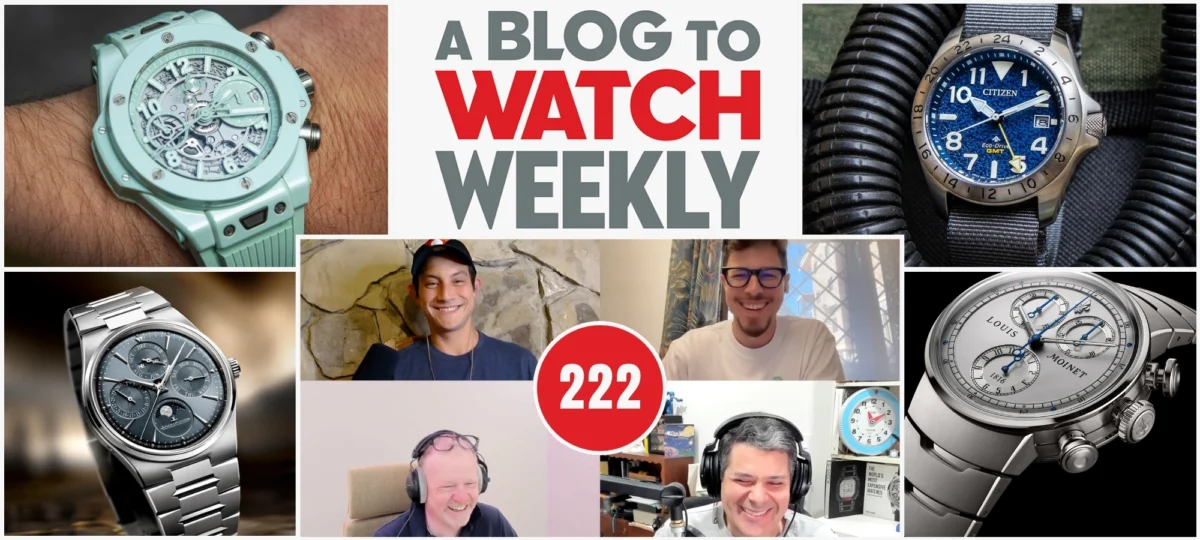
The "Royal Pop" collection’s most distinctive feature is its pocket watch format, a departure from the wrist-worn timepieces for which Audemars Piguet is renowned. This choice raises questions about its intended function and the collector’s mindset. The discussions within the aBlogtoWatch panel, as indicated by their debate on its practicality, highlight a disconnect between the traditional purpose of a pocket watch and the modern collector’s desire for status and design. It suggests that for many, the acquisition was driven by the brand association and the limited-edition status rather than the functional utility of a pocket watch. This trend is not entirely new, as certain novelty watches or collaborations often prioritize aesthetic and brand appeal over traditional usability.
The Need for More Equitable Distribution Models
The "Royal Pop" launch has intensified calls for more transparent and equitable distribution methods for limited-edition releases. Brands are under increasing pressure to implement strategies that mitigate the influence of resellers and ensure that products reach genuine enthusiasts. This could involve:
- Lottery Systems: Implementing randomized lottery systems for popular releases, offering a fair chance to a wider pool of interested buyers.
- Verified Purchaser Programs: Requiring proof of genuine interest or prior engagement with the brand to qualify for limited-edition purchases.
- Staggered Releases and In-Store Availability: Distributing limited stock across multiple locations and over longer periods to manage demand and reduce the incentive for immediate resale.
- Direct-to-Consumer (DTC) Focus: Exploring more robust DTC channels that allow brands greater control over the sales process.
The Blurring Lines Between Playful Luxury and Serious Investment
The "Royal Pop" collection, with its vibrant colors and unconventional format, aimed to inject an element of fun into the high-end watch market. However, the subsequent resale frenzy underscores how quickly even playful luxury items can be viewed as speculative investments. This dichotomy presents a challenge for brands: how to maintain an image of exclusivity and desirability while also fostering a sense of genuine appreciation for the craft and design. The mint-green Hublot Big Bang Unico, as mentioned in the context of the aBlogtoWatch discussion, represents another example of a brand embracing playful luxury. The team’s defense of such watches suggests a growing recognition that "fun" luxury pieces deserve a place in collectors’ hearts and collections, moving beyond purely investment-driven acquisitions.
The Power of Community and the Future of Watch Collecting
The online discussions and debates surrounding the "Royal Pop" highlight the immense power of watch communities. While these communities can amplify excitement, they also serve as platforms for critique and accountability. The sentiment expressed regarding wrist shots in group chats, for instance, points to a desire for authenticity and a potential fatigue with performative displays of wealth. As the watch market continues to evolve, brands will need to navigate these community dynamics carefully, understanding that genuine engagement and a positive collector experience are paramount to long-term success. Citizen’s Promaster GMT, presented as a value-packed travel watch, offers a counterpoint to the hype-driven releases, emphasizing practicality and accessibility for a different segment of the market. This suggests a diverse and evolving landscape where both aspirational luxury and functional value hold significant appeal.
In conclusion, the Swatch x Audemars Piguet "Royal Pop" launch served as a powerful case study in the complexities of the modern luxury watch market. It exposed the intense demand for accessible haute horlogerie, the pervasive influence of the secondary market, and the critical need for brands to implement thoughtful and ethical distribution strategies. While the collaboration undoubtedly generated significant buzz, its legacy will be defined by the lessons learned regarding crowd management, collector satisfaction, and the ongoing debate about the true spirit of watch collecting in an increasingly speculative world.