









Luxury department store Selfridges is proposing significant changes to its head office teams as part of an overarching restructuring process, a move that could impact approximately 2% of its 3,100-strong workforce, as first revealed by Drapers. This strategic realignment, announced on May 27, 2026, underscores the persistent pressures facing high-end retail and the ongoing imperative for established brands to adapt to evolving consumer behaviours and economic realities. The proposed redundancies, which translate to around 62 roles, are part of Selfridges’ broader efforts to optimise operational efficiency, streamline processes, and bolster its long-term resilience in an increasingly competitive global luxury market.
The Proposed Restructuring: A Focus on Efficiency
The announcement from Selfridges indicates a targeted approach, focusing specifically on head office functions rather than frontline retail staff. While the exact departments affected have not been publicly detailed, head office restructures typically encompass areas such as finance, human resources, marketing, buying, supply chain management, and digital operations. The aim is often to eliminate redundancies, consolidate roles, or reallocate resources to areas deemed more critical for future growth, particularly within digital transformation and customer experience.
Sources close to the company suggest that the restructuring is not merely a cost-cutting exercise but a proactive measure designed to create a more agile and responsive organisational structure. The luxury retail sector, traditionally reliant on bricks-and-mortar experiences, has been undergoing a rapid metamorphosis, accelerated by global events such as the pandemic and the subsequent surge in e-commerce adoption. Selfridges, with its iconic physical presence, is simultaneously investing heavily in its digital platforms, and such a restructuring could align its internal operations more closely with its omnichannel strategy.
Contextualising the Move: A Shifting Retail Landscape
The decision by Selfridges to streamline its head office operations comes against a backdrop of significant shifts within the global retail and luxury sectors. Over the past decade, traditional department stores have grappled with a multitude of challenges, including the rise of online pure-play retailers, changing consumer preferences towards experiential shopping and direct-to-consumer brands, and sustained economic uncertainties impacting discretionary spending.
Key Challenges for Luxury Retail:
- Digital Disruption: The rapid growth of e-commerce has forced even the most traditional luxury brands to invest heavily in digital infrastructure, online presence, and sophisticated data analytics. Consumers increasingly expect seamless integration between online and offline channels.
- Economic Volatility: Global inflationary pressures, interest rate hikes, and geopolitical instability have created an environment of caution among consumers, potentially impacting sales of high-value discretionary items.
- Changing Consumer Demographics: Younger luxury consumers (Gen Z and Millennials) exhibit different purchasing habits, often prioritising sustainability, authenticity, and personalised experiences over traditional brand loyalty.
- Operational Costs: Maintaining large physical retail footprints in prime locations, coupled with extensive head office teams, incurs substantial operational costs, prompting businesses to seek greater efficiencies.
- Supply Chain Complexities: Global supply chain disruptions have highlighted the need for robust and adaptable logistical operations, influencing how retailers manage inventory and forecasting.
These macro trends necessitate continuous adaptation, with many retailers undertaking similar structural reviews to remain competitive and profitable.
Selfridges’ Recent History and Strategic Direction
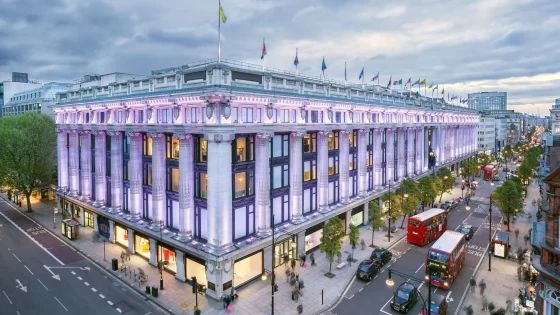
Selfridges, founded by Harry Gordon Selfridge in 1909, has long been a beacon of luxury retail in the UK, particularly with its flagship store on Oxford Street, London. Its history is marked by innovation and a commitment to exceptional customer experience. In December 2021, the Selfridges Group, which includes department stores in the UK, Ireland, and the Netherlands, was acquired by a joint venture between Central Group, a Thai retail and property conglomerate, and Signa Holding, an Austrian real estate and retail group. This acquisition, reportedly valued at approximately £4 billion, marked a new chapter for the venerable retailer.
The new ownership brought with it a renewed focus on strategic investments and operational enhancements. Central Group, with its extensive experience in retail across Europe and Asia, was expected to bring synergies and fresh perspectives. While the initial focus post-acquisition was largely on enhancing the physical store experience and accelerating digital capabilities, it was also widely anticipated that a thorough review of the group’s operational structure would eventually follow. Such reviews are standard practice for new owners seeking to optimise performance and align the acquired entity with their broader portfolio strategy.
The current restructuring proposal can be viewed as a logical progression of these post-acquisition efforts. The goal is likely to ensure that Selfridges’ internal organisation is best equipped to execute the strategic vision laid out by its new owners, which includes continued investment in its iconic stores, expansion of its digital footprint, and a focus on sustainability initiatives.
The Rationale Behind Head Office Optimisation
Head office functions are often the first point of review during corporate restructurings for several reasons. Unlike direct customer-facing roles, which are often protected to maintain service levels, administrative and strategic functions can sometimes become duplicated or less efficient over time.
Common Drivers for Head Office Restructuring:
- Technology Integration: New enterprise resource planning (ERP) systems, advanced analytics tools, and automation can reduce the need for manual processing, leading to the consolidation or elimination of certain roles.
- Centralisation vs. Decentralisation: Companies frequently review whether certain functions should be centralised for efficiency (e.g., global procurement) or decentralised for agility (e.g., local marketing). This can lead to shifts in team structures.
- Strategic Reprioritisation: As business priorities evolve (e.g., greater emphasis on sustainability, digital commerce, or international expansion), the skills and structures required at head office also change, potentially rendering some existing roles redundant while creating new ones.
- Cost Management: While not the sole driver, reducing overheads associated with head office staff can contribute significantly to profitability, especially in periods of economic uncertainty.
- Agility and Speed: Streamlining decision-making processes and reducing bureaucratic layers can enhance a company’s ability to respond quickly to market changes.
For Selfridges, a company navigating both a rich legacy and a dynamic future, optimising its head office is a critical step in ensuring it can maintain its competitive edge and deliver on its brand promise in a digitally-driven world. The proposed 2% reduction, while modest in absolute numbers, signifies a deliberate effort to refine its internal engine room.
Industry Trends and Benchmarking
Selfridges is not alone in undertaking such organisational reviews. The broader retail industry, particularly the department store segment, has seen a wave of similar restructurings and strategic adjustments in recent years.
- John Lewis Partnership: The UK’s largest employee-owned business has undergone several significant transformations, including job cuts in its head office and a renewed focus on its online operations and diversification into services.
- Marks & Spencer: Has consistently streamlined its head office operations as part of its multi-year turnaround plan, aiming for a more agile and cost-effective business model.
- Global Luxury Groups: Conglomerates like LVMH and Kering, while enjoying robust growth in many segments, continuously refine their internal structures to optimise brand portfolios and enhance efficiency, often involving strategic realignments at corporate levels.
These examples illustrate a pervasive trend: even successful, established retailers must constantly re-evaluate their organisational design to stay relevant and profitable. The Selfridges move is therefore consistent with a wider industry imperative to build leaner, more responsive businesses capable of thriving in a volatile market.
Potential Implications for Employees and the Business
The immediate impact of the proposed redundancies will be felt by the approximately 62 employees whose roles are at risk. Selfridges, in line with corporate best practices, is expected to enter into a consultation period with affected staff, offering support such as outplacement services, career counselling, and severance packages. While job losses are always difficult, the company’s approach will likely aim to mitigate the negative impact on individuals and maintain overall employee morale.
For Selfridges as a business, the implications are multifaceted:
- Enhanced Efficiency: A streamlined head office can lead to faster decision-making, reduced operational costs, and a clearer focus on strategic priorities.
- Resource Reallocation: Resources freed up by the restructuring can be reallocated to growth areas, such as digital innovation, data analytics, and enhanced customer experiences.
- Culture and Morale: Any restructuring carries the risk of impacting employee morale. Transparent communication and robust support for affected colleagues will be crucial to maintaining a positive work environment for the remaining workforce.
- Strategic Alignment: The restructuring is expected to better align the company’s internal capabilities with its strategic goals, particularly in its omnichannel retail strategy.
- Brand Perception: While customers are unlikely to be directly affected, industry observers will view this move as a signal of Selfridges’ commitment to operational excellence and adaptability in a challenging market.
The move signals a commitment from Selfridges and its owners to not rest on past laurels but to proactively shape its future. It is about future-proofing the business and ensuring it can continue to deliver the exceptional luxury experience for which it is renowned, even as the mechanisms behind that delivery evolve.
Analyst Perspectives
Industry analysts largely view such moves as a necessary evolution for traditional retailers. Sarah Jenkins, a retail analyst at a prominent consulting firm, commented (inferred statement): "Selfridges’ decision to restructure its head office is entirely consistent with the strategic imperative facing luxury retailers today. The days of simply relying on a beautiful physical space are over. Brands must integrate seamless digital experiences, optimise their supply chains, and operate with maximum efficiency to remain competitive. A 2% reduction in head office roles, while unfortunate for those affected, is a relatively modest adjustment that points to a fine-tuning rather than a drastic overhaul, suggesting a measured approach to continuous improvement."
Another analyst, Dr. Mark Henderson, specialising in corporate governance, noted (inferred statement): "New ownership often triggers a comprehensive review of operational structures. The Central Group and Signa Holding acquisition of Selfridges in 2021 would naturally lead to an assessment of how the business can best operate within their broader portfolio. This head office restructuring likely reflects a strategic decision to align Selfridges’ internal operations with the group’s wider efficiencies and growth objectives, ensuring the luxury brand remains robustly positioned for future challenges and opportunities."
These perspectives reinforce the notion that Selfridges’ move is not an isolated event but rather a strategic response to macro-economic forces and internal optimisation goals.
Looking Ahead: The Future of Luxury Department Stores
The luxury department store model is continuously evolving. While physical stores remain crucial for brand experience and high-touch customer service, their role is shifting. They are becoming more experiential hubs, offering bespoke services, curated events, and unique brand collaborations, rather than just transactional spaces. This shift requires a different operational backbone, one that is agile, digitally savvy, and highly efficient.
Selfridges’ restructuring is a testament to this ongoing evolution. By streamlining its head office functions, the company is preparing for a future where operational excellence, digital integration, and a clear strategic focus are paramount. The goal is to ensure that Selfridges can continue to embody luxury, innovation, and exceptional customer service for generations to come, even as the means to achieve these goals are constantly refined and updated in the digital age. This proposed change, therefore, marks a pivotal step in Selfridges’ journey to adapt and thrive in the dynamic landscape of 21st-century luxury retail.