










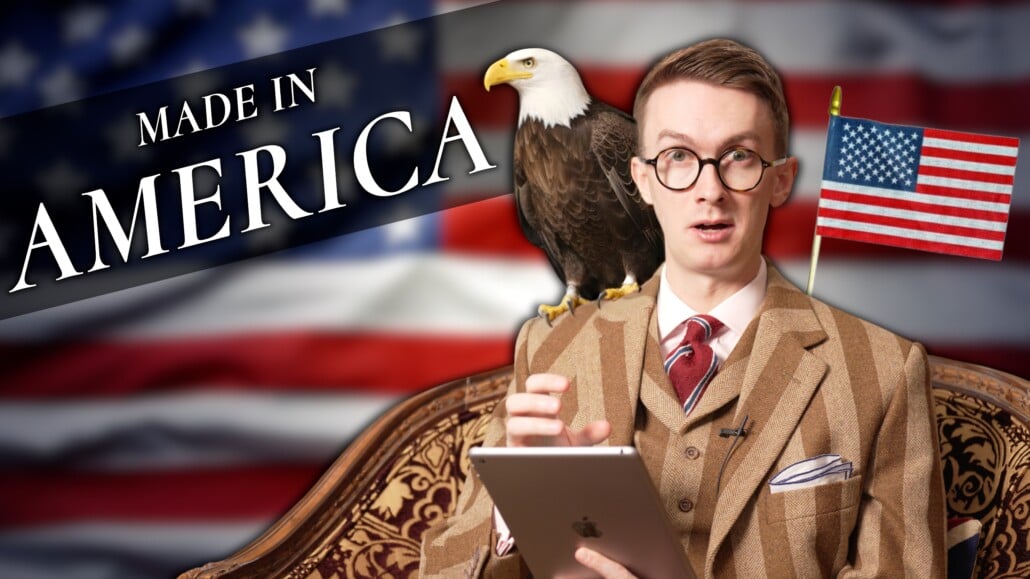
In an era defined by intricately globalized supply chains and the pervasive influence of "fast fashion," the once ubiquitous label "Made in USA" has become an increasingly rare sight within the apparel industry. For generations, iconic American brands such as Brooks Brothers and Ralph Lauren not only shaped the sartorial landscape of the 20th century but also symbolized a distinct American approach to quality and style. However, the relentless pressures of cost-efficiency and market competitiveness have compelled many of these heritage labels to largely relocate their manufacturing operations overseas, leaving consumers with a diminished selection of domestically produced goods. This fundamental shift begs a critical question for the discerning consumer: is it still genuinely feasible for the modern gentleman to curate a complete, high-quality, ready-to-wear outfit composed exclusively of items crafted by American labor? A recent exploration into the contemporary menswear market, conducted through extensive digital sourcing, sought to answer this very query, revealing both the enduring pockets of American craftsmanship and the significant premium associated with it.
The Elusive "Made in USA" Label: A Historical Perspective
The decline of domestic textile and apparel manufacturing in the United States is not a sudden phenomenon but rather the culmination of several decades of economic and industrial transformation. Following World War II, the U.S. was a manufacturing powerhouse, with a robust textile industry and countless apparel factories across the nation. Brands flourished, producing everything from workwear to high-end tailoring, supported by a strong domestic workforce and a burgeoning consumer market. The "Made in USA" label was not merely a mark of origin; it was often synonymous with quality, durability, and a certain American aesthetic.

However, starting in the latter half of the 20th century, particularly from the 1970s onwards, globalization began to reshape the landscape. Trade liberalization policies, the rise of multinational corporations, and significant disparities in labor costs between developed and developing nations spurred a massive exodus of manufacturing jobs. Countries in Asia, Latin America, and eventually Eastern Europe offered considerably lower wages, fewer regulatory hurdles, and often more flexible production capabilities, making them attractive alternatives for brands seeking to maximize profit margins and reduce retail prices.
The North American Free Trade Agreement (NAFTA) in 1994, followed by China’s entry into the World Trade Organization (WTO) in 2001, further accelerated this trend. American factories, unable to compete with the drastically lower overheads of overseas operations, shuttered their doors in droves. Data from the U.S. Bureau of Labor Statistics illustrates this stark reality: between 1990 and 2010, the number of jobs in textile mills and apparel manufacturing in the U.S. plummeted by over 70%. This period also saw the meteoric rise of "fast fashion," a business model predicated on rapid trend cycles, low prices, and high volumes of production, almost exclusively reliant on cheap overseas labor. Brands like Zara, H&M, and Shein revolutionized consumer expectations, making quickly disposable, affordable clothing the norm, thereby making domestic production seem economically unviable for many mainstream brands.
Defining "Made in USA": Regulatory Landscape and Consumer Expectations
To clarify the parameters for identifying genuinely American-made products, the Federal Trade Commission (FTC) sets stringent guidelines. For an item to carry the unqualified "Made in USA" label, "all or virtually all" of the product must be made in the United States. This means that all significant parts and processing that go into the product must be of U.S. origin, and the final assembly or processing must take place in the U.S. This standard is designed to prevent deceptive claims, ensuring that consumers who prioritize domestic manufacturing receive authentic American-made goods.
For consumers, the "Made in USA" label often carries a multifaceted appeal. Beyond patriotic sentiment, it frequently implies higher quality due to perceived superior labor standards and craftsmanship, more ethical production practices, and support for local economies and job creation. Research consistently shows a segment of consumers willing to pay a premium for domestically produced goods, reflecting a growing awareness of supply chain ethics and a desire for more sustainable consumption patterns. However, the economic reality of higher U.S. labor costs often translates into significantly higher retail prices, creating a tension between consumer values and affordability.
The Modern Gentleman’s Quest: A Deep Dive into the All-American Wardrobe
The digital shopping expedition undertaken to assemble a complete, high-quality, ready-to-wear outfit using only American labor proved to be a revealing exercise. While challenging, the endeavor confirmed that a full ensemble is indeed possible, though it requires meticulous research and a willingness to invest substantially. The selected items represent a blend of enduring heritage brands and contemporary manufacturers committed to domestic production, adhering strictly to the "all or virtually all" Made in USA criteria.
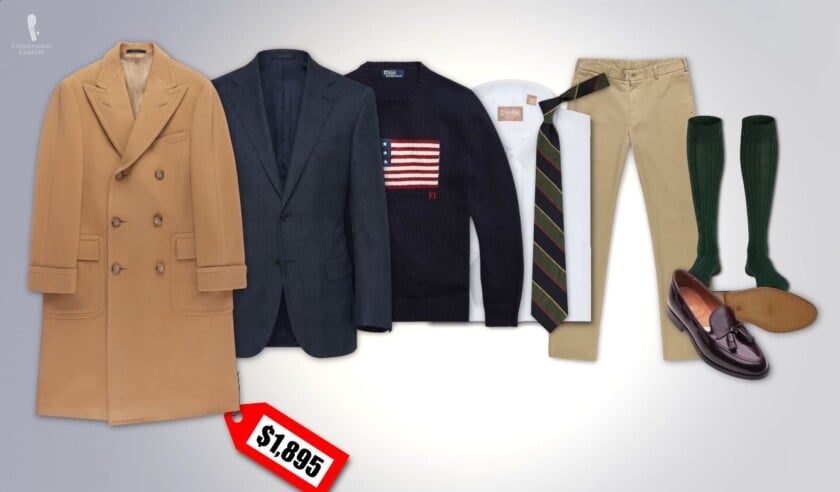
The comprehensive outfit breakdown, laid out to showcase every piece from foundation to finishing touches, comprised:
-
Foundation: Shoes & Socks
- Alden 563 Tassel Moccasin: $967
Alden Shoe Company, founded in 1884 in Middleborough, Massachusetts, stands as a formidable pillar of American shoemaking tradition. Renowned for its meticulous craftsmanship and use of premium materials, particularly shell cordovan, Alden has maintained its domestic production despite industry shifts. The tassel loafer, a style that emerged in the U.S. in the mid-20th century, epitomizes classic American elegance. Crafted from Color 8 shell cordovan, a rich, deep burgundy leather known for its durability and unique patina, these loafers are versatile enough for both formal tailoring and more casual, relaxed combinations. Each pair undergoes a rigorous process involving numerous skilled artisans, reflecting a commitment to quality that transcends fast fashion trends. - Boardroom Socks: $19.50
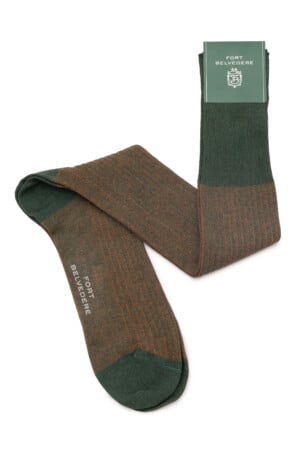
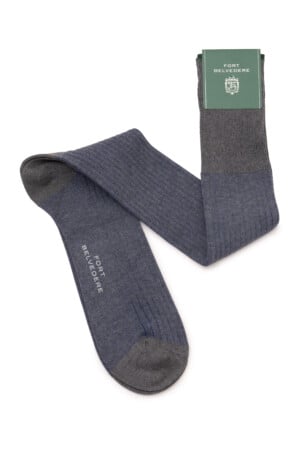
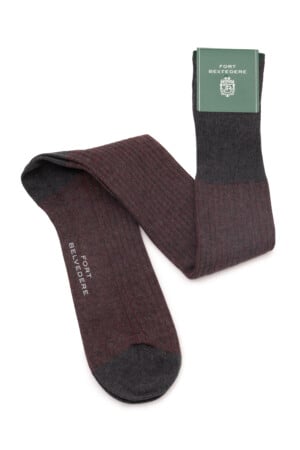
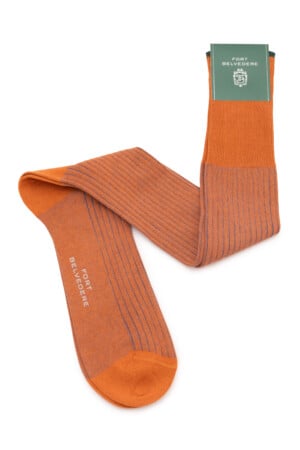
Finding American-made socks that meet high standards for both comfort and durability can be a nuanced task. Boardroom Socks, based in North Carolina, offers dependable over-the-calf options, a crucial detail for maintaining a polished appearance by preventing socks from slouching. Their selection includes classic colors like forest green. However, their standard blend of 74% Cotton / 23% Nylon / 3% Spandex, while offering stretch and shape retention, introduces a significant proportion of artificial fibers. This blend can lead to increased perspiration and overheating, especially in warmer climates or during extended wear. In contrast, alternatives like Fort Belvedere’s midweight cotton socks, crafted from 100% natural cotton yarns, offer superior breathability and moisture-wicking properties, ensuring a cooler and more comfortable experience. Fort Belvedere also provides a broader spectrum of refined colors and offers lightweight options for summer and is developing heavyweight options for colder seasons, catering to diverse needs while prioritizing natural fiber comfort.
- Alden 563 Tassel Moccasin: $967
-
Mid-Section: Shirt & Trousers
- Gitman Brothers Gold OCBD: $235
The Oxford Cloth Button Down (OCBD) shirt is a quintessential cornerstone of American style, particularly associated with the Ivy League aesthetic. Gitman Brothers, a family-owned business tracing its roots back to 1932 in Ashland, Pennsylvania, continues to produce some of the finest examples of this garment. Their "Gold" line signifies premium quality, featuring a characteristically soft collar roll that is highly prized by aficionados of classic menswear. The shirts are cut and sewn in the U.S., upholding a legacy of quality and authentic design that has defined the Ivy look for decades. - Bill’s Khakis Original Twill: $195
Bill’s Khakis, established in Reading, Pennsylvania, was founded on a commitment to recreating the authentic, robust chinos worn by American soldiers during WWII. Their Original Twill trousers deliver exceptional durability and a higher rise, a design feature often absent in contemporary mass-market offerings, which tend towards lower, slimmer cuts. This traditional fit provides comfort and a classic silhouette that pairs seamlessly with both knitwear and tailored jackets, embodying a timeless, understated American sensibility.
- Gitman Brothers Gold OCBD: $235
-
Layering: Knitwear & Tailoring
- Ralph Lauren Flag Sweater: $398
The Ralph Lauren Flag Sweater is a globally recognized icon, emblematic of American aspirational style. While Ralph Lauren’s broader manufacturing footprint is largely international, certain specialized or iconic items, such as this sweater, are sometimes produced domestically, reflecting a strategic decision to maintain a connection to American craftsmanship for specific collections. The navy crew neck variant, a versatile piece, layers effectively over a shirt and tie, providing both warmth and a distinct visual statement that integrates well into a classic wardrobe. Its enduring popularity underscores its status as a cultural touchstone. - Joseph Abboud Plaid Sport Coat: $460
Joseph Abboud stands as a significant proponent of domestic tailoring, with much of its production based in the New Bedford factory in Massachusetts—one of the last remaining large-scale tailoring facilities in the United States. This factory is a testament to the preservation of skilled garment manufacturing in an increasingly outsourced industry. A plaid sport coat from this brand offers superb versatility, allowing for sophisticated layering without the formality or rigidity of a full suit. The use of varied patterns and textures, such as plaid, provides visual interest and personal expression within the confines of classic style. - J. Press Rep Stripe Tie: $165
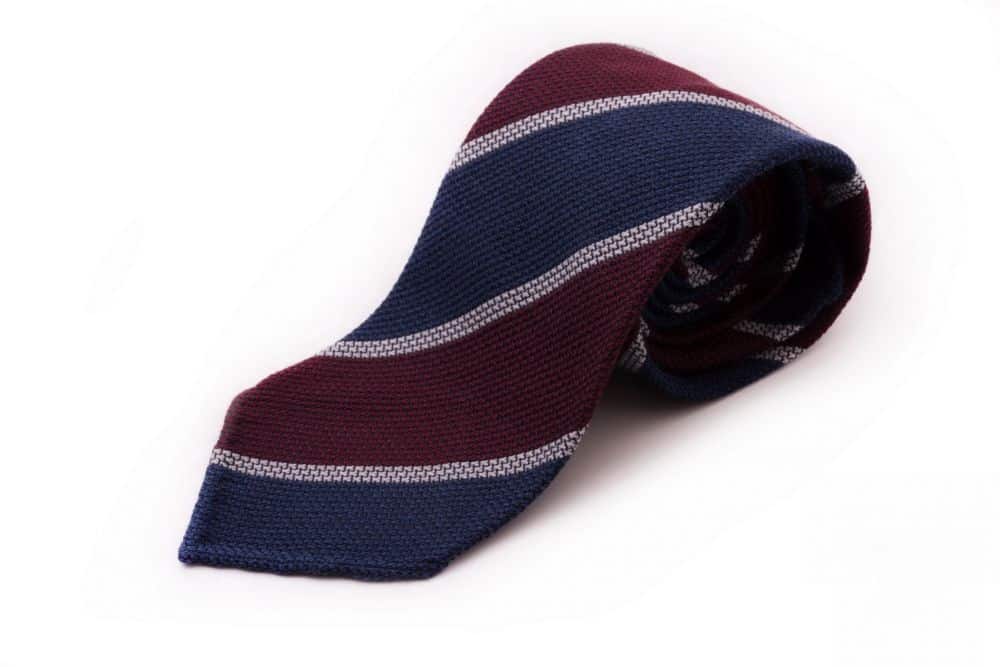
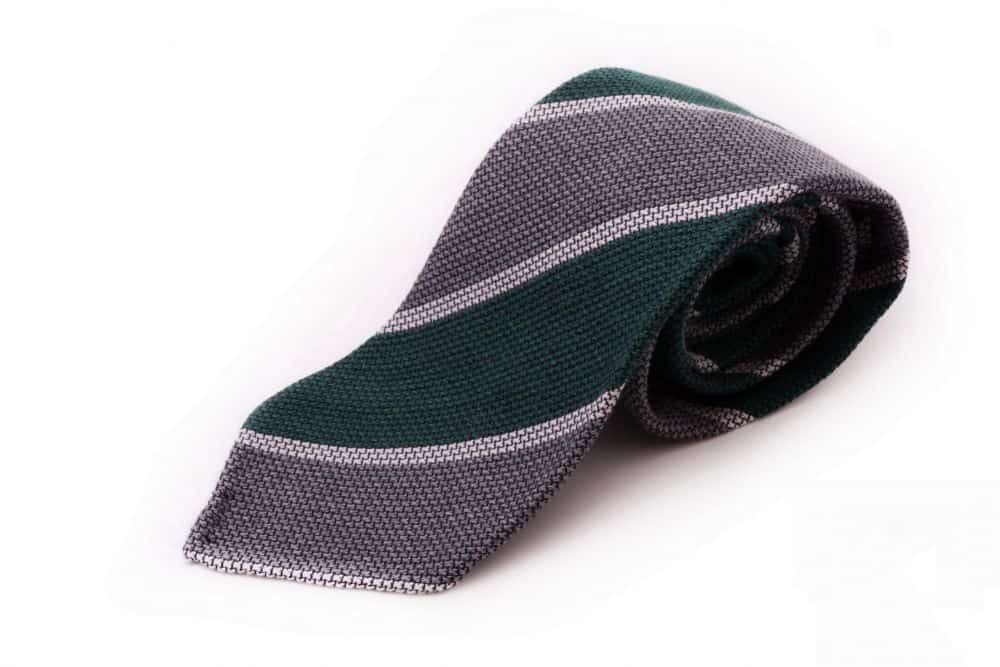
J. Press, another bastion of Ivy League style founded in 1902, continues to uphold traditions in neckwear. Their classic rep stripe ties are produced domestically, reflecting decades of collegiate and traditional American style. The rep stripe tie is a true Ivy staple, offering a subtle yet distinct touch of refinement. These ties are often characterized by their specific fabric weaves and color combinations, designed to complement the broader aesthetic of American traditional menswear.
- Ralph Lauren Flag Sweater: $398
-
Outerwear & Finishing Touches
- J. Press Camel Hair Polo Coat: $1,895
The polo coat is a defining piece of American outerwear, originally conceived for polo players to wear between chukkers. J. Press offers a camel hair version that combines luxurious warmth, elegant structure, and rich heritage. This garment represents a significant investment piece within the outfit, designed for longevity and timeless appeal. Its double-breasted silhouette and classic styling make it a standout item that elevates any cold-weather ensemble. - Stetson Whippet Fedora: $265
Stetson, a name synonymous with American hat-making since 1865, extends beyond its iconic Western hats to produce refined dress hats. The Whippet Fedora, made in the U.S., offers a classic, sophisticated silhouette that perfectly complements tailored clothing. It represents a commitment to preserving traditional hat-making techniques and materials, providing a distinguished finishing touch to the all-American ensemble.
- J. Press Camel Hair Polo Coat: $1,895
What Does It Cost to Dress American Today? The Economic Reality
The total expenditure for this meticulously curated, fully American-made outfit amounts to $4,619.50. This figure starkly illustrates that while building an entirely domestically manufactured wardrobe is indeed possible, it comes at a substantial price. The "heritage premium" is not merely a marketing term; it reflects the true economic costs associated with production in the United States.

Several factors contribute to this elevated cost:
- Higher Labor Wages: The primary driver is the significantly higher wages paid to skilled workers in the U.S. compared to many overseas manufacturing hubs.
- Regulatory Compliance: American factories must adhere to a comprehensive set of labor laws, environmental regulations, and safety standards, all of which add to operational costs.
- Smaller Production Runs: Many of the brands committed to American manufacturing operate on smaller scales, producing limited quantities of specialized goods. This contrasts sharply with the mass production models prevalent overseas, where economies of scale drastically reduce per-unit costs.
- Specialized Machinery and Maintenance: Maintaining state-of-the-art or even traditional, specialized machinery requires significant investment and ongoing maintenance, often by skilled technicians.
- Domestic Sourcing of Materials: While some materials are sourced globally, a commitment to "Made in USA" often extends to seeking domestically produced raw materials where possible, which can also carry a higher price point.
- Skilled Craftsmanship: The expertise required for artisanal shoemaking, precision tailoring, or intricate knitwear often comes from a diminishing pool of highly skilled individuals, whose labor is appropriately valued.
Compared to garments produced in low-wage countries, even those from traditionally luxury brands that outsource extensively, the cost of American-made clothing is invariably higher. This premium is, for many consumers, a conscious investment in values beyond the garment itself: supporting local economies, ensuring ethical labor practices, and acquiring products designed for longevity rather than obsolescence.
Beyond the Price Tag: Broader Implications
The discussion around "Made in USA" menswear extends far beyond mere cost. It touches upon significant economic, social, and cultural implications.
- Economic Impact: Supporting American manufacturers directly contributes to job creation within the U.S., from factory workers to designers, logistics personnel, and raw material suppliers. This stimulates local economies, fosters regional specialization (e.g., shoe manufacturing in New England, denim in California), and contributes to a more diversified and resilient national industrial base.
- Sustainability and Ethics: While not automatically guaranteeing sustainability, domestic production often implies shorter supply chains, reducing the carbon footprint associated with international shipping. Furthermore, U.S. labor laws and environmental regulations generally ensure more ethical working conditions and less harmful production practices compared to some offshore manufacturing sites, where transparency can be lacking. Higher quality, American-made garments are also often designed to last longer, counteracting the wasteful cycle of fast fashion.
- Cultural Significance and Preservation of Craft: Maintaining domestic manufacturing helps preserve traditional crafts and specialized skills that might otherwise be lost. The ability to produce complex items like tailored jackets, Goodyear-welted shoes, or intricate knitwear ensures that generations of artisanal knowledge are passed down, contributing to a unique American cultural heritage in fashion.
- Challenges for American Manufacturers: Despite the benefits, American manufacturers face ongoing challenges. Intense global competition, a shortage of skilled labor (as fewer young people enter traditional manufacturing trades), and the higher cost of doing business in the U.S. all present hurdles. Moreover, sourcing all raw materials domestically for every garment can be difficult, with many textile mills having also moved overseas.
The Future of "Made in USA" Menswear
The future of "Made in USA" menswear appears to be a dynamic landscape, likely bifurcated between a niche market for high-quality, heritage goods and a growing interest in transparent, ethically produced items. While mass-market appeal remains challenging due to price points, there’s a discernible resurgence of interest among consumers who prioritize quality, provenance, and sustainability.

Direct-to-consumer (DTC) brands and small-batch manufacturers are increasingly leveraging the internet to connect directly with this segment of the market, bypassing traditional retail channels and often telling compelling stories about their commitment to American craftsmanship. Consumer activism and the demand for greater transparency in supply chains are also pushing more brands to consider domestic or nearshore production, even if for limited collections.
The ongoing balance between cost, quality, and origin will continue to shape the industry. For the foreseeable future, a fully American-made wardrobe will remain a premium choice, a testament to enduring craftsmanship and a conscious decision to invest in a specific set of values. However, the fact that such an ensemble is still possible offers hope that while American manufacturing may no longer dominate the global fashion stage, its distinct contribution to quality and style continues to be celebrated and sustained by dedicated brands and discerning consumers.
Ultimately, the decision to invest in an all-American-made wardrobe boils down to individual priorities. Would one pay the accumulated sum of $4,619.50 to support "Made in USA" craftsmanship, or does the "heritage premium" prove too steep for practical wardrobe considerations? The answer reflects not just an economic calculation, but a personal philosophy on consumerism, quality, and national identity in an interconnected world.