




As summer approaches and the call of the water becomes irresistible, consumers are increasingly seeking swimwear that aligns with their values. This article, curated by our editorial team, spotlights highly-rated brands that have undergone a rigorous assessment by our proprietary ratings system. Transparency is paramount; buying through the links provided may generate a commission, directly supporting the independent journalistic work we undertake.
The Quest for the Perfect, Ethical Bikini
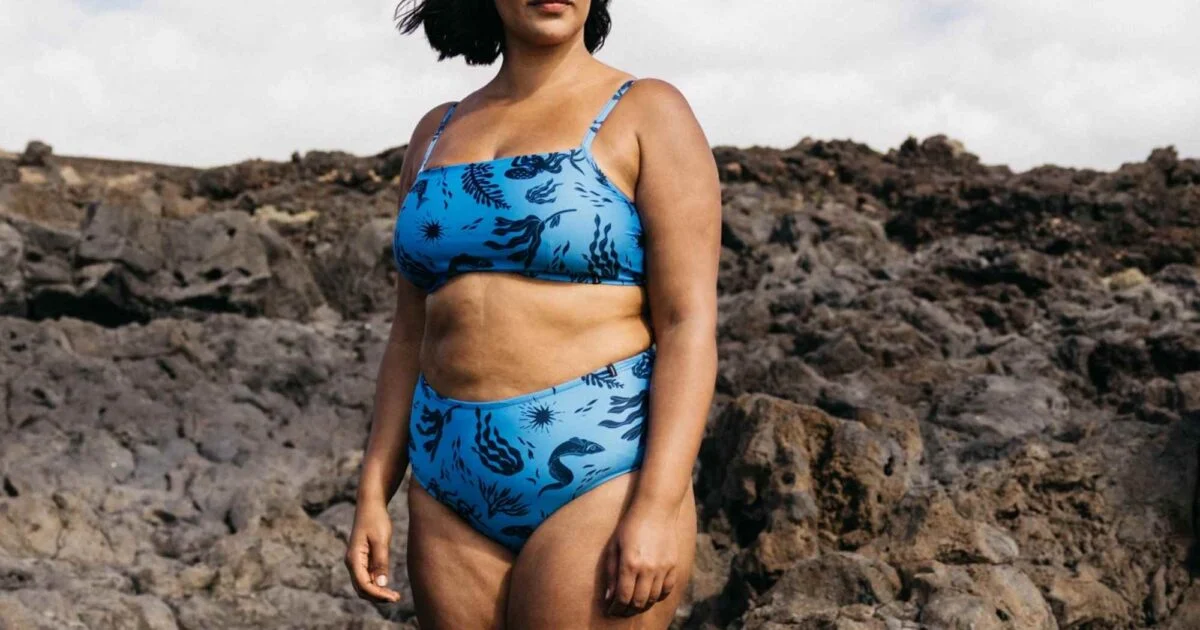
The search for the ideal bikini often involves a detailed checklist: a fit that flatters, durability against the elements, and comfort for various activities, from leisurely poolside lounging to active snorkeling. However, a crucial, yet often overlooked, dimension of this quest is the ethical and environmental impact of swimwear production. Like intimate apparel, a bikini should not only feel good but also reflect a conscious choice, empowering wearers while minimizing harm to the planet and its inhabitants. This comprehensive guide delves into the complexities of sustainable swimwear and highlights brands making significant strides in responsible fashion.
The Environmental Imperative: Unpacking Swimwear’s Plastic Problem
The global swimwear market, valued at approximately $21 billion in 2023 and projected to grow steadily, presents a significant environmental challenge due to its heavy reliance on synthetic materials. For many years, the industry has favored fabrics like nylon, polyester, and spandex. These synthetic polymers, derived from petroleum, are lauded for their moisture-wicking properties, elasticity, and quick-drying capabilities—attributes perfectly suited for swimwear. They are also relatively inexpensive and versatile, making them staples not just for bikinis but also for activewear, outerwear, and various fast fashion garments.
However, this widespread use comes at a steep environmental cost. The primary issue is that these materials are plastics, meaning they are non-biodegradable and persist in the environment for hundreds of years. The production phase itself is resource-intensive, consuming significant energy and often relying on fossil fuels. Furthermore, a critical problem arises during the use and washing of synthetic garments: the release of microfibers. Each laundry cycle can shed hundreds of thousands of microscopic plastic particles into waterways. Studies, such as those conducted by Plymouth University, have estimated that a single wash of a polyester garment can release up to 700,000 microfibers. These tiny plastics bypass wastewater treatment plants, entering rivers, lakes, and oceans, where they are ingested by marine life, accumulating up the food chain, and ultimately impacting ecosystems and potentially human health. At the end of a garment’s life, its non-biodegradable nature contributes to ever-growing landfills. The fast fashion cycle exacerbates this problem, encouraging frequent purchases and rapid disposal, further accelerating textile waste accumulation.
Innovating for a Greener Future: Sustainable Material Solutions
Fortunately, the fashion industry has begun to respond to these environmental pressures by developing innovative, lower-impact alternatives to virgin plastics. A leading example is ECONYL, a regenerated nylon yarn created by the Italian firm Aquafil. This material is produced from synthetic waste, including industrial plastic scraps, discarded fishing nets (ghost gear), and waste fabric collected from oceans and landfills. Through a complex regeneration process, this waste is depolymerized and then re-polymerized into new nylon yarn that possesses the same quality and performance characteristics as virgin nylon. This closed-loop system not only diverts waste from polluting environments but also significantly reduces the need for new raw materials and lowers the carbon footprint associated with production.
Beyond ECONYL, other eco-friendly materials are gaining traction. REPREVE, another prominent recycled fiber, transforms post-consumer plastic bottles into high-quality yarns used in various applications, including swimwear. Many brands are also innovating in-house, developing their own proprietary fabrics from recycled nylon or other recycled synthetics, often blended for optimal performance.
While recycled synthetics offer a crucial pathway to sustainability, natural alternatives are also emerging. Hemp, for instance, is gaining recognition for its environmental benefits. Hemp cultivation requires significantly less water and fewer pesticides compared to conventional cotton, and it enriches the soil. When processed for swimwear, hemp fibers can offer durability, UV resistance, and antimicrobial properties. However, natural fibers still face challenges in matching the stretch and quick-drying properties of synthetics, leading some brands to explore blends.
Consumers must remain vigilant against greenwashing—the practice of making unsubstantiated or misleading claims about the environmental benefits of a product. It is crucial to look beyond just material claims. True sustainability encompasses the entire lifecycle of a garment, from the ethical treatment of labor and animal welfare to transparent supply chains and responsible manufacturing processes.
Beyond Materials: Ethical Labor and Circularity
The environmental impact of materials is only one facet of sustainable fashion. Ethical labor practices and circular design principles are equally vital. The garment industry, particularly in its conventional fast fashion models, has been plagued by issues of exploitative labor, unsafe working conditions, and inadequate wages. Brands committed to sustainability often prioritize fair wages, safe environments, and transparent supply chains, frequently partnering with certified factories that uphold international labor standards. Certifications such as Fair Trade or SA8000, though not universally applied to swimwear, signify a commitment to social responsibility.
Circular design aims to minimize waste and pollution by keeping products and materials in use for as long as possible. This involves designing for durability, repairability, and recyclability, as well as implementing take-back or recycling programs for end-of-life garments. By embracing these principles, brands move away from the linear "take-make-dispose" model towards a regenerative system.
Spotlight on Sustainable Swimwear Brands
The following brands represent leaders in the sustainable swimwear movement, each contributing to a more ethical and environmentally responsible fashion industry. Our editors’ selections are based on comprehensive ratings that consider their impact on people, the planet, and animals.
Underprotection
Hailing from Denmark, Underprotection exemplifies a brand where ethics and aesthetics seamlessly intertwine. Specializing in underwear, loungewear, and swimwear, the brand meticulously crafts its collections from lower-impact materials such as organic cotton and recycled synthetics. Beyond materials, Underprotection’s commitment to sustainability extends to its packaging, which utilizes recycled or biodegradable paper and polybags. A core tenet of their philosophy is the belief that "fair working conditions and fair wages are human rights," leading them to collaborate exclusively with certified factories. This dedication ensures transparency and ethical treatment throughout their supply chain. Underprotection’s mission is to empower and celebrate women of all body types, designing pieces that offer both beauty and unparalleled comfort. Their full range is available in sizes XS-XL, catering to a diverse clientele seeking both style and substance.
Loop Swim
Founded by two visionary women from the US and India and headquartered in Shanghai, Loop Swim is a brand built on the powerful mission of closing the loop on waste and championing circular design. The brand ingeniously transforms post-consumer plastic bottles into high-performance REPREVE UP50+ sun protective swimwear for men, women, and children. This innovative approach not only diverts plastic from landfills and oceans but also provides exceptional functionality for wearers. Loop Swim’s designs are intentionally trendless, focusing on timeless elegance and superior quality. Their garments are engineered to retain shape and color even after countless swims, promoting longevity and reducing the need for frequent replacements. Most items are available in sizes XS-XL, reflecting a commitment to inclusive sizing within their sustainable framework.
1 People
1 People is a Danish-designed lifestyle and luxury brand that elegantly merges Scandinavian minimalism with a conscious approach to fashion. Their collections are characterized by sophisticated color palettes and effortless elegance, appealing to the discerning, conscious-minded consumer. Each piece is thoughtfully crafted by small, family-run manufacturers, underscoring a commitment to local economies and artisanal quality. The brand prioritizes the use of lower-impact and certified materials, ensuring that environmental responsibility is woven into the very fabric of their products. This holistic approach to design and production resonates with consumers seeking high-quality, ethically made garments. The collection is available in sizes XS-XL, offering refined options for a broad audience.
Anekdot
Based in Berlin, Anekdot stands out with its unique approach to sustainable designer underwear, swimwear, and loungewear. The brand champions the philosophy of upcycling, transforming production leftovers, deadstock fabrics, and vintage trimmings into exquisite, limited-edition intimate apparel. This creative reuse of materials not only minimizes waste but also imbues each piece with a unique story and character, fostering a sense of exclusivity and individuality. By giving these materials a new life, Anekdot actively contributes to a circular economy model, challenging the conventional wastefulness of the fashion industry. Their handmade process ensures meticulous attention to detail and craftsmanship. Most products are available in sizes XS-XL, allowing many to embrace their distinctive sustainable style.
ColieCo
ColieCo, a Portuguese brand, distinguishes itself through its dedication to handmade-to-order lingerie, underwear, and swimwear. This bespoke production model significantly reduces waste, as garments are only created when an order is placed, eliminating excess inventory. Every single piece is meticulously manufactured using lower-impact and responsibly sourced fabrics, reflecting a deep commitment to environmental stewardship. The brand’s focus on craftsmanship and ethical sourcing ensures that each garment is not only beautiful but also produced with integrity. Their comprehensive range is available in sizes 2XS-3XL, demonstrating an impressive commitment to size inclusivity, ensuring that a wider array of body types can access their premium, sustainable offerings.
Natasha Tonic
Natasha Tonic revolutionizes swimwear with its pioneering use of hemp fabric. For decades, swimwear has been dominated by polyester, a non-biodegradable material with potential skin irritants. Natasha Tonic’s innovative hemp swimwear fabric, however, is derived from a unique, natural hemp fiber that boasts an array of impressive properties: it is anti-microbial, naturally UV resistant, and remarkably durable. Beyond its functional advantages, hemp represents a healthier choice for both the wearer’s skin and the delicate marine ecosystems. The brand further enhances its unique appeal by hand-printing each piece, ensuring that every sustainable bikini is subtly distinct and tailored for an individual, gorgeous aesthetic. Their collections are available in sizes XS-L, inviting consumers to embrace a truly natural and artful approach to swimwear.
Kampos
Kampos is a luxurious Italian brand that embodies a profound belief in creating a world of integrity and conscience for current and future generations. The brand’s mission extends beyond fashion, actively aiming to raise awareness about critical environmental issues such as over-fishing and marine pollution. Kampos offers discerning consumers unique swimwear pieces crafted from innovative, recycled materials, including plastic bottles and discarded fishing nets, alongside other lower-impact organic fabrics. This blend of luxury, environmental advocacy, and material innovation positions Kampos as a leader in sustainable resort wear. Most products are available in sizes XS-2XL, providing elegant and responsible options for a wide range of customers.
Finisterre
Born from the demanding needs of hardy British surfers, Finisterre has evolved into a pioneering, more sustainable outdoor brand. Its ethos is deeply rooted in inspiring a profound love for the sea, underpinned by the creation of exceptionally durable and responsibly made products. Finisterre’s commitment to sustainability is evident in its material choices and robust construction, designed to withstand the rigors of the ocean environment. The brand’s narrative is one of adventure and respect for nature, resonating with individuals who seek performance gear that also aligns with their environmental values. Most items are available in sizes XS-2XL, ensuring that their high-quality, sustainable designs are accessible to a broad spectrum of outdoor enthusiasts.
BONDI BORN
BONDI BORN, an Australian brand, offers swimwear and resort wear that epitomizes versatility and a silky, luxurious feel, all while maintaining a strong commitment to conscious production. Their "conscious crop," for example, is a flared mini cami top that gracefully ends above the waist, featuring delicate rouleau shoulder straps that elegantly accentuate the décolletage. This piece is designed to pair seamlessly with their universal wrap skirt, creating a cohesive and stylish ensemble. Critically, this crop is sustainably crafted from a premium Bulgarian linen blend, highlighting the brand’s dedication to lower-impact materials. BONDI BORN’s garments are available in sizes XS-L, providing chic and environmentally responsible options for those who appreciate refined design and ethical manufacturing.
Modibodi
Modibodi, an Australian innovator, has garnered international recognition for offering original period and leak-proof underwear for everyone. While primarily known for its functional underwear, Modibodi’s pioneering work in developing highly absorbent, yet comfortable and reusable, fabric technologies underscores its significant contribution to sustainable textile innovation. The brand addresses a critical area of personal care by providing an alternative to disposable products, thereby reducing waste. This approach to functional apparel showcases how innovative materials can deliver both performance and environmental responsibility. Modibodi is particularly notable for its inclusive sizing, with some products available from 3XS-6XL, ensuring accessibility and comfort for a very broad demographic.
NIKIN
Swiss brand NIKIN offers a unique proposition for consumers who wish to visibly demonstrate their environmental commitment. Their slogan, "wear your morals," is made tangible through a direct action: for every NIKIN product purchased, a tree is planted. This clear, impactful initiative resonates deeply with environmentally conscious buyers, allowing them to feel a direct connection to positive ecological change. Beyond this core initiative, NIKIN focuses on producing garments responsibly, aligning their supply chain with their overarching environmental mission. Products are available in sizes XS-2XL, offering a range of sustainable apparel that carries a powerful message of reforestation and environmental stewardship.
TWOTHIRDS
TWOTHIRDS positions itself as a brand for individuals who are acutely aware of the immense value of our oceans, yet also possess a discerning thirst for style and substance. This Spanish brand’s philosophy is deeply intertwined with marine conservation, reflected in its design inspiration and operational practices. To minimize its carbon footprint, TWOTHIRDS manufactures all its products locally within Europe, ensuring greater control over working conditions and reducing transportation emissions. Furthermore, the brand rigorously audits all stages of its final production, upholding transparency and accountability in its supply chain. The clothes can be found in sizes XS-L, offering stylish and ocean-conscious apparel for a dedicated clientele.
Spell
Spell is an iconic Australian fashion brand whose aesthetic is beautifully inspired by far-off places, cherished vintage treasures, and nostalgic childhood memories. This bohemian-luxe brand prides itself on designing and sampling its collections in Byron Bay, Australia, maintaining a strong connection to its creative roots. Production is carried out responsibly in factories around the world, where the brand strives to ensure ethical working conditions and sustainable practices. Spell’s commitment to quality and unique design, combined with its efforts towards responsible production, makes it a favorite among those seeking distinctive, ethically produced fashion. Most garments are available in sizes 2XS-2XL, reflecting a broad appeal for their free-spirited designs.
Afends
Born in the vibrant coastal town of Byron Bay, Australia, Afends is a pioneering brand at the forefront of the hemp fashion revolution. Drawing profound inspiration from the natural environment, streetwear culture, and the surf lifestyle, Afends’ mission is to create more sustainable clothing through continuous innovation, decisive action, and positive change. As staunch advocates for hemp, the brand has taken a remarkable step by purchasing 100 acres of farmland, aptly named Sleepy Hollow, to cultivate its own hemp crops. This vertical integration underscores their deep commitment to the material and their aspiration to ignite a broader hemp revolution in the fashion industry. Most of their range is available in sizes XS-XL, offering durable, stylish, and environmentally friendly options.
CASAGiN
CASAGiN, an Italian brand, designs apparel for individuals committed to fostering a more sustainable and conscious lifestyle, extending beyond just their wardrobe. The brand’s ethos is rooted in creating high-quality, durable garments that minimize environmental impact throughout their lifecycle. CASAGiN emphasizes thoughtful material selection and responsible production processes, reflecting the sophisticated Italian approach to design blended with a strong ethical foundation. By offering versatile pieces that are both stylish and sustainable, CASAGiN empowers consumers to make choices that support a more mindful existence. Most items are available in sizes XS-2XL, providing accessible options for those seeking to align their fashion choices with their broader sustainability goals.
Koraru
Koraru, named after the Japanese pronunciation of the English word ‘coral,’ is a Tokyo-based brand deeply inspired by marine life and dedicated to circularity principles. The brand meticulously creates swimwear using lower-impact materials, emphasizing resource efficiency and waste reduction. Beyond material choices, Koraru implements a comprehensive recycling program, allowing customers to return their worn garments for proper disposal and material recovery. The brand also partially traces its supply chain, striving for greater transparency and accountability in its production processes. This multi-faceted approach to sustainability underscores Koraru’s commitment to environmental protection and responsible fashion. Available in sizes XS-XXL, Koraru offers beautifully designed swimwear that truly embodies its namesake’s fragile beauty.
Navigating the Conscious Consumer Landscape: Challenges and Opportunities
While the growth of sustainable swimwear brands is encouraging, the conscious consumer landscape remains complex. Challenges include the higher price point often associated with ethical production, the difficulty in verifying green claims (greenwashing), and the ongoing need for consumer education. However, these challenges also present opportunities for brands to innovate further, for industry standards to strengthen, and for consumers to wield their purchasing power more effectively. The demand for transparent, ethical, and environmentally friendly products is steadily rising, pushing the industry towards more responsible practices. This shift is not merely a trend but a fundamental reorientation towards a future where fashion harmonizes with planetary well-being.
The Future of Sustainable Swimwear
The trajectory of sustainable swimwear points towards continued innovation in materials, enhanced circularity, and greater transparency across global supply chains. As technology advances, we can expect to see new bio-based materials, more efficient recycling technologies, and sophisticated tracking systems that provide consumers with verifiable information about their garments. The collective responsibility of brands, policymakers, and consumers will be crucial in accelerating this transition. Choosing a sustainable bikini is more than just a fashion statement; it is an active participation in safeguarding our oceans and supporting a more equitable future for the fashion industry.
Editor’s Note
The feature image for this article is provided via Finisterre, with all other images courtesy of the brands mentioned. Good On You is committed to publishing the world’s most comprehensive ratings of fashion and beauty brands’ impact on people, the planet, and animals. We encourage readers to use our directory to search thousands of rated brands and make informed purchasing decisions.
This article was updated on 15 April 2026. Our editorial team regularly reviews and updates content to ensure accuracy and relevance, refreshing our selection of featured brands to reflect current ratings and innovations in the sustainable fashion market.