








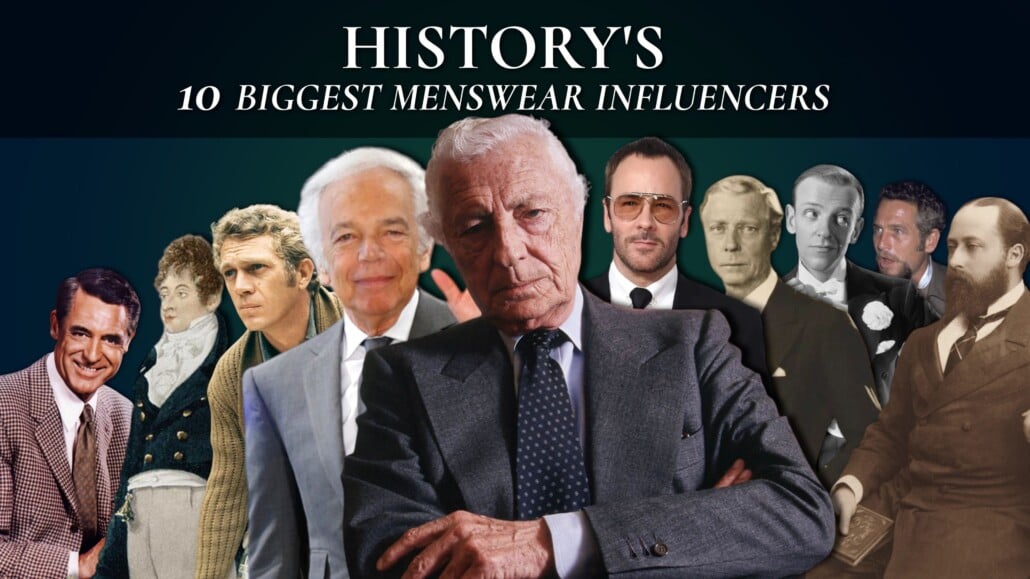
The landscape of men’s fashion, from the precision of a structured Italian suit to the effortless ease of a rugged weekend ensemble, is not merely a collection of garments but a meticulously curated living museum of sartorial history. Every detail, from the way a jacket is buttoned to the precise height of trouser cuffs, carries an echo of innovation, a testament to individuals who dared to defy convention and, in doing so, forged the very rules and aesthetics we navigate today. This article delves into the profound impact of ten such trailblazers whose vision and personal style irrevocably shaped the trajectory of menswear across centuries, examining their contributions, the historical context in which they emerged, and the enduring implications of their groundbreaking choices.
The Genesis of Modern Elegance: Beau Brummell and the Rise of the Dandy
The narrative of modern menswear arguably begins with George Bryan "Beau" Brummell (1778–1840). Before Brummell’s ascendancy during the English Regency era, men’s fashion was characterized by an extravagant display of lace, powdered wigs, vibrant silks, and elaborate embroidery, reflecting aristocratic opulence. Brummell, however, ushered in a radical paradigm shift. He championed the concept of the "Dandy," emphasizing impeccable fit, meticulous grooming, and an understated palette of dark colors. His philosophy was a departure from overt ostentation, focusing instead on subtle perfection and a refined simplicity that spoke volumes.

Brummell’s innovations were not merely stylistic; they were foundational. He replaced the knee-breeches and silk stockings that had dominated men’s lower bodywear for centuries with full-length, tailored trousers, a move that permanently altered the male silhouette. Furthermore, he pioneered the use of starched neckcloths, meticulously tied creations that were the direct ancestors of the modern necktie. This emphasis on crisp lines, clean presentation, and precise tailoring laid the groundwork for contemporary formalwear. His influence was so pervasive that even King George IV, then Prince Regent, sought his sartorial advice, solidifying Brummell’s status as the ultimate arbiter of taste. The lasting lesson from Brummell is clear: true elegance stems from an impeccable fit and meticulous grooming, far outweighing the transient allure of flashy ornamentation. His legacy underscores the enduring power of simplicity and precision in personal presentation, a principle that continues to resonate in bespoke tailoring and ready-to-wear fashion alike.
Royal Influence and Evolving Formalities: King Edward VII and The Duke of Windsor

The British monarchy, particularly during the late 19th and early 20th centuries, played an undeniable role in codifying and, at times, subverting menswear conventions. Two figures stand out: King Edward VII and his grandson, Edward VIII (later the Duke of Windsor).
-
King Edward VII: Setting the Standards
Born in 1841, King Edward VII’s reign (1901-1910) marked a period of significant social and technological change. A man of considerable physical stature, his personal comfort often dictated his style choices, which, owing to his royal status, frequently became global standards. He is widely credited with originating the tradition of leaving the bottom button of a waistcoat undone. While initially a practical measure for his comfort – he found waistcoats too restrictive when fully buttoned – this became an informal rule of etiquette that persists to this day. This seemingly minor adjustment highlights how practicality and personal preference, when endorsed by influential figures, can embed themselves into the fabric of sartorial tradition. Edward VII also played a pivotal role in popularizing the Homburg hat, a formal felt hat with a dented crown and a curled brim, which he discovered during a visit to Bad Homburg in Germany. His adoption transformed it from a regional novelty into a symbol of upper-class elegance across Europe and America. The key takeaway from King Edward VII’s influence is that practicality and personal comfort can often be the unexpected catalysts for the most enduring style "rules," demonstrating that fashion is not always dictated by rigid aesthetic theory but often by functional necessity.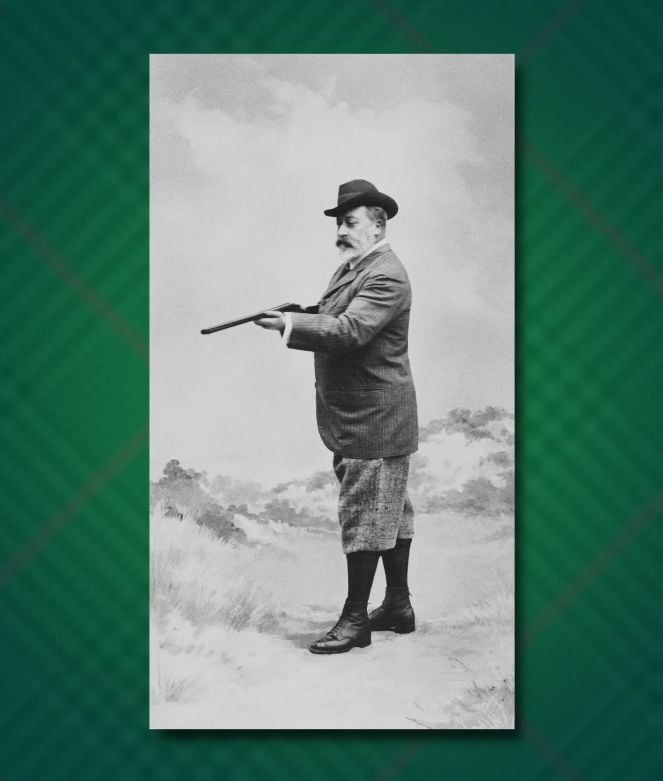
-
The Duke of Windsor: Challenging Conventions
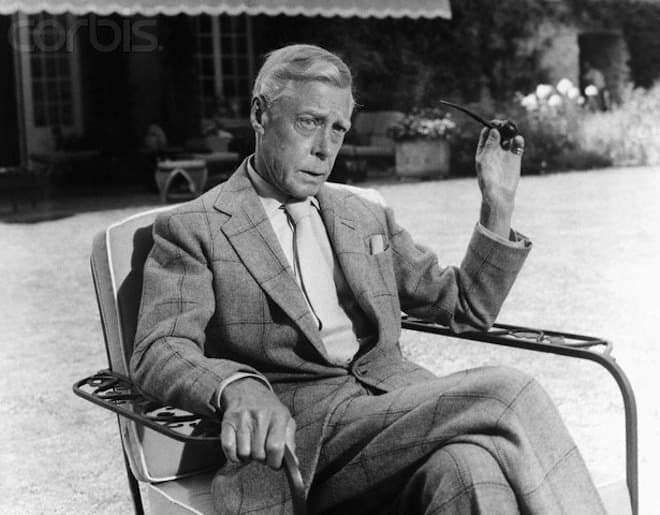
Edward VIII, later the Duke of Windsor (1894–1972), was perhaps the most influential style icon of the 20th century. His personal style was characterized by a bold willingness to prioritize comfort and visual interest over the rigid Victorian formality that still largely dominated menswear. He deliberately pushed boundaries, influencing generations of men and designers alike. He popularized the eponymous Windsor knot, a broader, more substantial tie knot that suited the wider spread collars he favored. He championed "soft" dress shirts with attached collars, moving away from the stiff, detachable collars that were common for formalwear, thereby introducing a new level of comfort and casual elegance. The Duke was also a connoisseur of bold patterns and textures, most notably popularizing the Prince of Wales check (a pattern ironically named after his great-grandfather, Edward VII). His adoption of this intricate plaid, along with other rich tweeds and patterns, brought a vibrant character to otherwise conventional suits. His abdication from the throne in 1936, though for personal reasons, inadvertently cemented his image as a rebellious, independent spirit whose unconventional choices extended to his wardrobe. His style became synonymous with a sophisticated, yet subtly defiant, approach to dressing. The Duke of Windsor’s legacy teaches us the value of informed risk-taking: don’t be afraid to stand out and imbue your personal style with character when the opportunity arises, ensuring your sartorial choices reflect your individuality.
Hollywood’s Golden Age and the Art of Persona: Fred Astaire and Cary Grant
Mid-20th-century Hollywood served as a powerful global amplifier for menswear trends, with leading men becoming de facto style arbiters. Fred Astaire and Cary Grant exemplified distinct yet equally influential approaches to elegance.
-
Fred Astaire: The Poise of Movement
Fred Astaire (1899–1987), the legendary dancer and actor, brought an unprecedented sense of "careful carelessness" – known in Italian as sprezzatura – to formal wear. His signature style wasn’t just about the clothes themselves but how they moved with him. Astaire famously insisted on dancing in his newly tailored suits before filming, ensuring that they allowed for fluid, unconstrained movement rather than restricting him. This practical approach to tailoring meant his suits were not just visually impeccable but also functionally superior, enabling his iconic dance routines. His preference for lightweight fabrics, relaxed silhouettes, and perfectly balanced proportions ensured that his elegance was always dynamic and never stiff. His commitment to seamless integration of attire and motion redefined how men perceived comfort and fluidity in formal dressing. The key lesson from Astaire’s legacy is profound: clothes should never wear the man; rather, they should enhance his natural grace and confidence. Comfort, he demonstrated, is not antithetical to elegance but facilitates it, allowing the wearer’s personality and poise to shine through.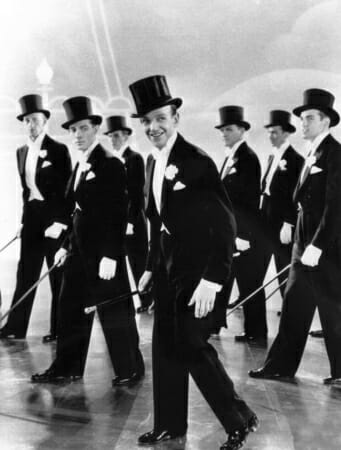
-
Cary Grant: The Epitome of Enduring Elegance
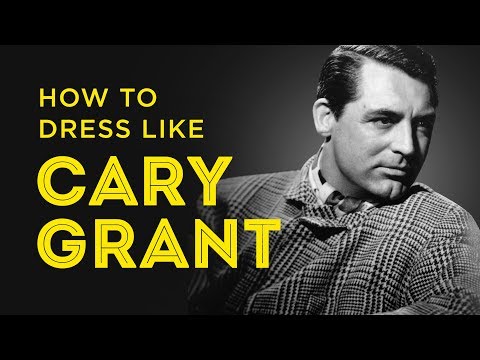
Cary Grant (1904–1986), the quintessential leading man of Hollywood’s Golden Age, was the undisputed master of "Middle-of-the-Road" style. His sartorial philosophy eschewed fleeting trends in favor of timeless, classic pieces that ensured he was never too trendy nor too dated. Grant possessed an innate understanding of his own physical proportions, meticulously selecting garments that enhanced his natural physique. He frequently opted for high-waisted trousers, a choice that visually elongated his silhouette, giving him an even more commanding and elegant presence. His wardrobe, often comprising custom-made suits from Savile Row tailors, was characterized by impeccable tailoring, muted color palettes, and a focus on quality fabrics. Grant’s style was about subtle perfection, an almost invisible mastery of proportion and fit that made him appear effortlessly debonair. This consistency became the hallmark of his personal brand, making him a perpetual benchmark for masculine elegance. The enduring lesson from Cary Grant is that consistency in high-quality, classic choices is the hallmark of a truly powerful and personal brand, creating an aesthetic that transcends passing fads and projects unwavering confidence.
Global Influencers: European Flair Meets American Ruggedness
The latter half of the 20th century saw style icons emerge from diverse backgrounds, each contributing a unique flavor to the evolving menswear lexicon. Gianni Agnelli, Paul Newman, and Steve McQueen, though distinct in their origins and approaches, collectively showcased how personal style could be both distinctive and universally aspirational.
-
Gianni Agnelli: The Art of Intentional Imperfection
Gianni Agnelli (1921–2003), the legendary Italian industrialist and head of Fiat, was a true icon of sprezzatura – the art of making something difficult look easy, of studied carelessness. Agnelli was famous for his "signature errors," deliberate style quirks that signaled his transcendence of conventional rules and an almost aristocratic nonchalance. He would famously wear his wristwatch over his shirt cuff, a small but audacious detail that defied standard etiquette. He paired rugged hiking boots with impeccably tailored bespoke suits, a juxtaposition that became his personal trademark. Other eccentricities included leaving his tie slightly askew, wearing button-down collars unbuttoned, or even donning a swimsuit with a blazer. These seemingly "mistakes" were, in fact, calculated statements, asserting his individuality and demonstrating that true style comes from confidence and a willingness to break rules with panache. His influence cemented the idea that personal flair could elevate even the most formal attire. Agnelli’s key lesson is a bold one: if executed intentionally and with conviction, what might be considered a mistake by others becomes a distinctive feature of your personal style, a testament to your confidence and individuality.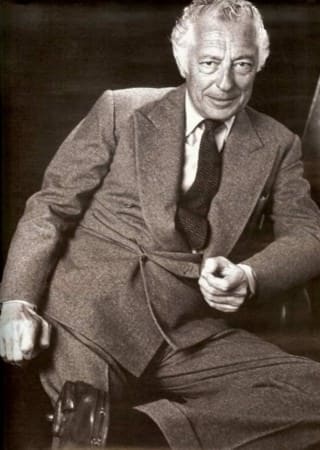
-
Paul Newman: Bridging Worlds with Casual Sophistication
Paul Newman (1925–2008), the revered American actor, effortlessly bridged the gap between classic tailoring and the burgeoning world of American sportswear. Newman embodied a "sophisticated ruggedness" that redefined masculinity for his era. He demonstrated that a man could appear equally dapper and authentic whether in a meticulously tailored tuxedo for a red-carpet event or a simple denim shirt and chinos for a casual outing. His style was characterized by a focus on comfort, quality, and an unpretentious confidence. Newman championed functional, durable pieces like polo shirts, khakis, and well-worn leather jackets, elevating them through his innate charisma and a discerning eye for fit. He proved that authenticity and ease were as vital to elegance as formality. His enduring appeal lies in his ability to make classic American casual wear look utterly sophisticated, showcasing that attitude and presentation often outweigh the inherent formality of the garments themselves. The crucial lesson from Newman’s style is that the way you wear your clothes, imbued with confidence and authenticity, can be far more impactful than the inherent prestige or cost of the clothes themselves. -
Steve McQueen: The Unfiltered Appeal of Utility
Steve McQueen (1930–1980), "The King of Cool," represented a distinct facet of American menswear: a style rooted in utility, masculinity, and an almost effortless, no-nonsense appeal. McQueen’s wardrobe drew heavily from military surplus, motorsport attire, and workwear, translating these functional items into mainstream fashion. His iconic pieces included the Baracuta G9 Harrington jacket, rugged denim jeans, Persol sunglasses, and desert boots – all items chosen for their practicality, durability, and understated cool. He wore his clothes with an air of rugged authenticity that resonated deeply with a generation seeking genuine style over superficial trends. McQueen’s choices were often dictated by his passions for racing and adventure, lending an inherent credibility to his fashion. He demonstrated that style could be powerful without being loud, emphasizing quality basics that served a purpose. The core lesson from McQueen is to invest wisely in high-quality, foundational pieces that are not only aesthetically pleasing but also serve a practical purpose, creating a wardrobe that is both stylish and functional.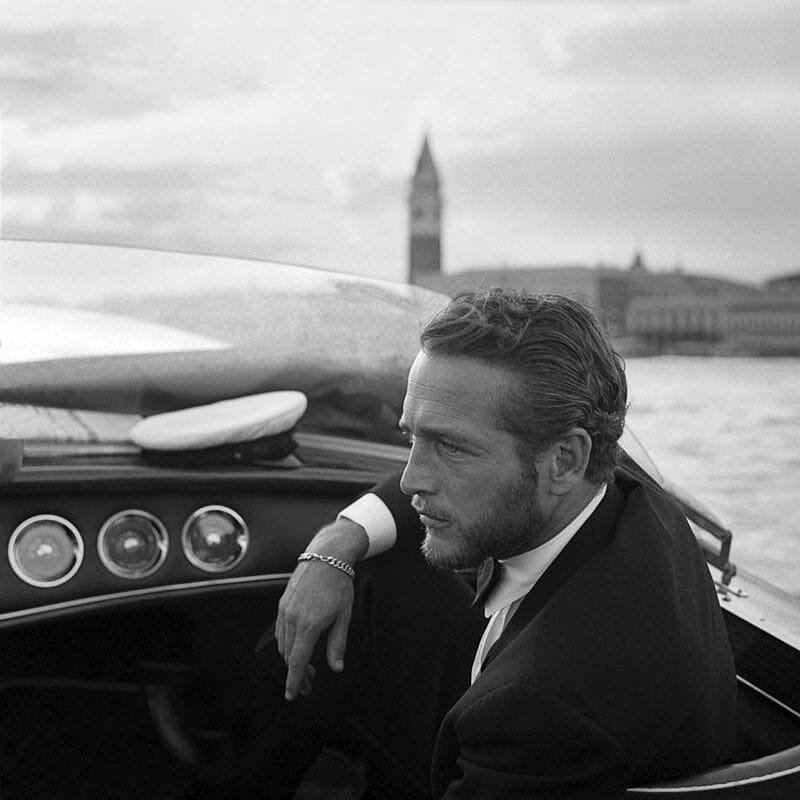
Modern Visionaries: Crafting Lifestyles and Redefining Glamour
The late 20th and early 21st centuries saw designers and cultural figures take on the mantle of style shapers, not just dictating individual garments but crafting entire aspirational lifestyles. Ralph Lauren and Tom Ford exemplify this modern approach.
-
Ralph Lauren: Crafting the American Dream Aesthetic
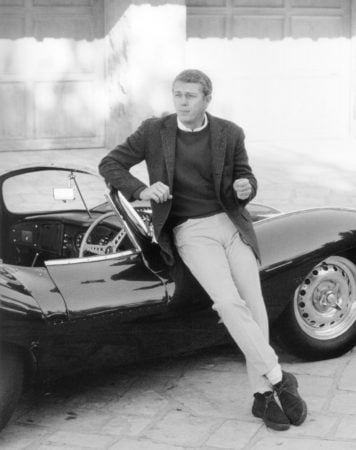
Ralph Lauren (b. 1939) didn’t merely design clothes; he meticulously crafted and marketed an aspirational lifestyle, becoming a titan of the American fashion industry. His genius lay in his ability to synthesize disparate aesthetics – the refined elegance of the British aristocracy, the rugged individualism of the American West, and the preppy sensibility of Ivy League campuses – and make them accessible to a broad, modern professional audience. Lauren’s collections told stories, evoking images of polo matches, grand country estates, and frontier adventures, all infused with a distinctly American optimism. He popularized classics like the polo shirt, tweed blazers, cable-knit sweaters, and tailored denim, elevating them to symbols of understated luxury and timeless good taste. His brand, Polo Ralph Lauren, became synonymous with a polished yet comfortable aesthetic that embodies a particular vision of the American Dream. Lauren’s work underscores the profound truth that style is ultimately a form of storytelling, where clothing choices articulate a desired identity and narrative. -
Tom Ford: Reshaping Contemporary Glamour
Tom Ford (b. 1961) emerged as a dominant force in menswear, particularly after the minimalist and often oversized silhouettes that characterized much of the 1990s. Ford’s vision was a powerful reintroduction of sex appeal, sharp lines, and luxurious confidence into men’s fashion. During his tenure at Gucci and Yves Saint Laurent, and later with his eponymous brand, Ford championed a return to impeccably tailored suits with a distinct, often daring, silhouette. His designs frequently featured slim cuts, bold peak lapels, and rich fabrics, exuding a sense of refined sensuality and power. Ford’s aesthetic is characterized by a meticulous attention to detail, a sophisticated color palette, and a commitment to glamour. He successfully positioned menswear as an arena for unapologetic self-expression and potent allure, defining a contemporary vision of masculine sophistication. His famous dictum, "Dressing well is a form of good manners," encapsulates his philosophy that presentation reflects respect for oneself and others. The key lesson from Tom Ford’s transformative impact is that a bold silhouette, when underpinned by precise and masterful tailoring, can be a powerful statement of modern glamour and confidence.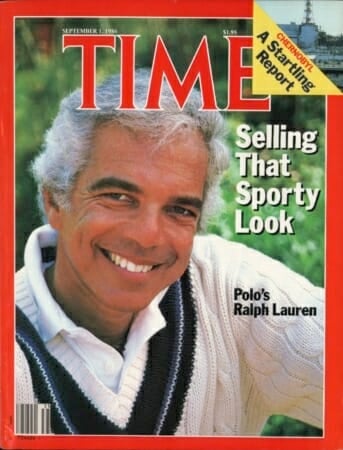
Conclusion: The Enduring Legacy of Sartorial Pioneers
The evolution of menswear is a continuous dialogue between tradition and innovation, comfort and elegance, utility and aesthetic appeal. Understanding the contributions of these ten seminal figures is not merely an exercise in historical appreciation; it is about grasping the underlying "why" behind contemporary style choices. Each icon, from Brummell’s revolutionary dandyism to Ford’s architectural glamour, contributed distinct threads to the rich tapestry of men’s fashion.
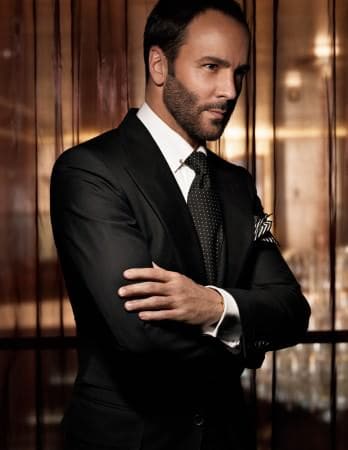
Whether dressing for a formal black-tie gala, a business meeting, or a casual Saturday afternoon, every man stands on the shoulders of these sartorial giants. Their innovations in fit, fabric, silhouette, and attitude continue to inform and inspire. Their collective legacy demonstrates that fashion is not static but a dynamic reflection of cultural shifts, personal expression, and an enduring quest for both beauty and practicality. The styles we adopt today are a testament to their rule-breaking spirit and enduring influence, reminding us that true style is a blend of history, individuality, and conscious choice.