






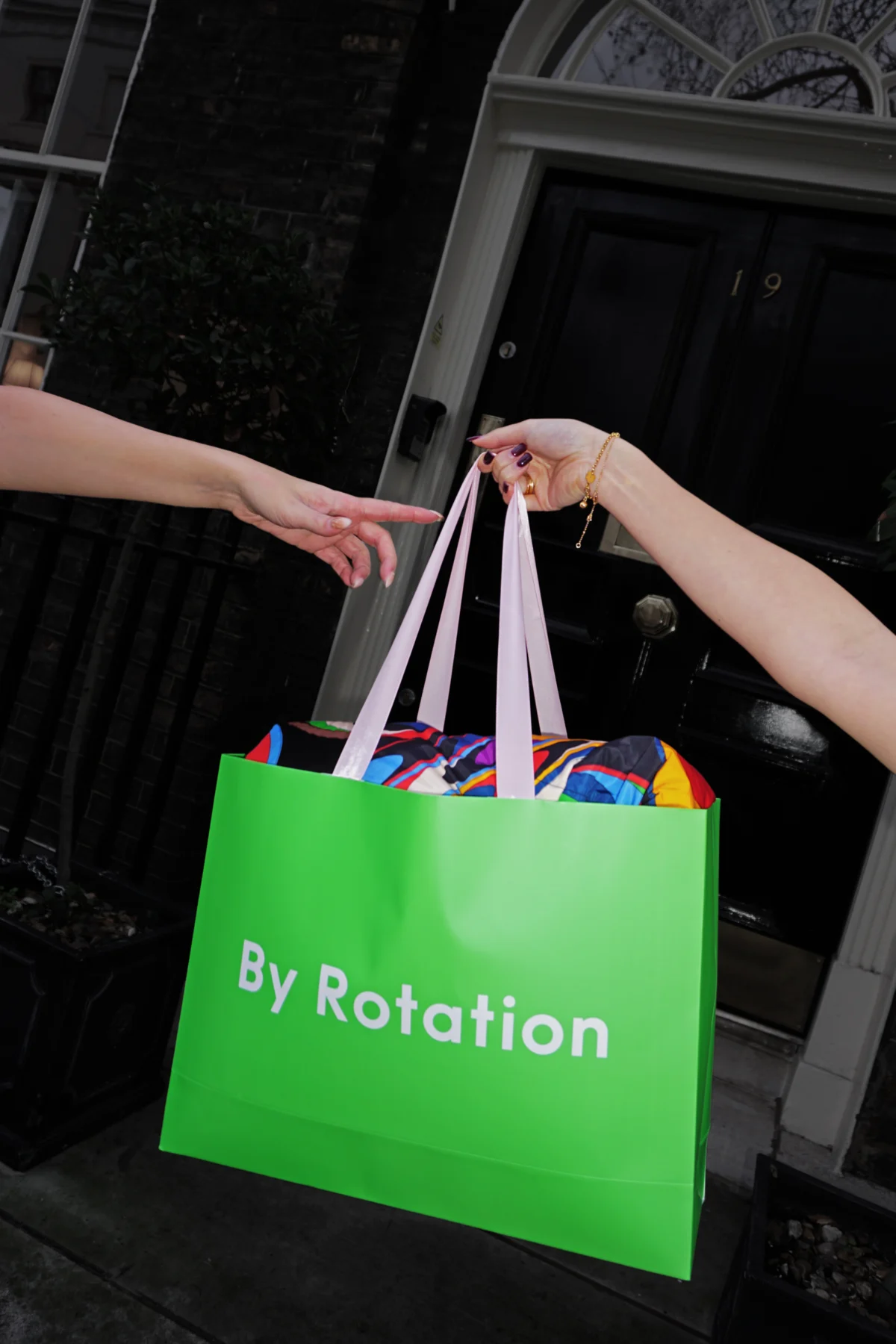
In a move designed to bridge the gap between sustainable fashion and the high-speed demands of modern e-commerce, the peer-to-peer fashion rental platform By Rotation has announced a strategic partnership with the ride-sharing and delivery giant Uber. This collaboration, which is scheduled to run through May 31, allows users in the United Kingdom to rent high-end designer outfits from within their local neighborhoods and receive them via Uber’s courier network in under 60 minutes. To incentivize the adoption of this hyper-local delivery model, the partnership includes a 10% discount on delivery fees, automatically applied through a dedicated integration within the By Rotation mobile application.
While the service is available for the platform’s entire inventory, the initiative is strategically focused on the seasonal demand for ski and winter performance gear. By Rotation’s internal data indicates that 30% of users seeking ski-related items require same-day pickup, a figure that highlights the logistical challenges inherent in traditional rental models. By leveraging Uber’s extensive logistics infrastructure, By Rotation aims to eliminate the "friction point" of transporting bulky, expensive technical apparel, which often serves as a deterrent for consumers who might otherwise opt for the circular economy over purchasing new, single-use items.
Addressing the Logistics Friction in the Emergency Economy
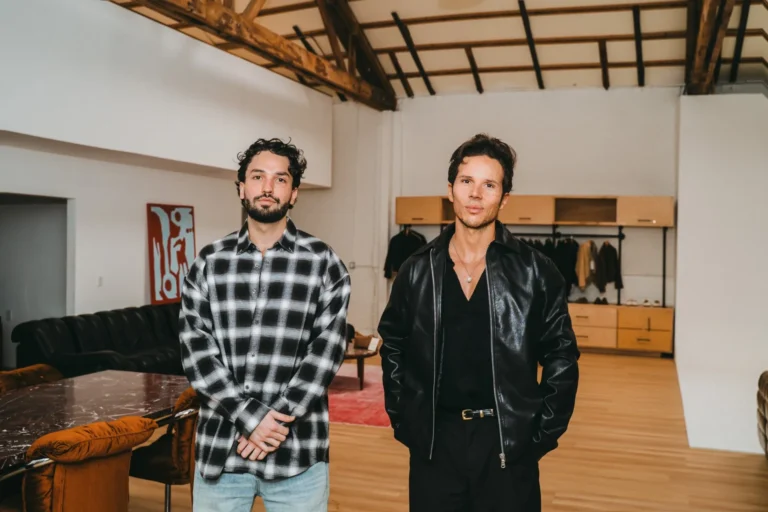
The partnership is a direct response to a phenomenon that By Rotation founder and CEO Eshita Kabra-Davies describes as the "emergency economy." Internal consumer behavior metrics from the platform reveal that one in four rentals are finalized within 48 hours of an intended event. This window of "sartorial panic"—the realization that one lacks a suitable outfit for an imminent occasion—traditionally drives consumers toward fast-fashion retailers that offer next-day delivery or immediate brick-and-mortar availability.
By integrating Uber Courier into the checkout process, By Rotation is attempting to replicate the "instant gratification" of traditional retail while maintaining a commitment to sustainability. "With one in four rentals made within 48 hours of an event, logistics was the final friction point," Kabra-Davies stated. The goal is to shift consumer behavior away from "panic purchases"—often low-quality, disposable garments—toward high-value, pre-owned items that can reach the consumer’s doorstep with the same velocity as a fast-fashion delivery.
The Strategic Focus on Seasonal Ski Wear
The decision to emphasize ski gear in this rollout is supported by broader market trends across Europe. As skiing remains a premier pastime for U.K. travelers, the cost of entry for high-quality technical wear—such as Moncler jackets or Prada ski suits—remains prohibitively high for many. Furthermore, the logistical burden of storing and transporting heavy winter gear makes the rental model particularly attractive.
According to industry data, the U.K. saw a 7% increase in the number of skiers during the most recent season, and "ski-chic" has emerged as a dominant fashion trend on social media platforms like TikTok and Instagram. By offering 60-minute delivery on these items, By Rotation and Uber are tapping into a high-intent market segment that values both the aesthetic of luxury brands and the convenience of on-demand logistics. This move effectively positions peer-to-peer rental as a viable alternative to the traditional "hire shops" found at ski resorts, which often lack the fashion-forward inventory found on By Rotation.
A History of Creative Collaborations
This collaboration with Uber is not By Rotation’s first foray into cross-industry partnerships. The company previously teamed up with Airbnb to offer complimentary rental wedding outfits for guests attending destination weddings booked through the travel platform. Such collaborations reflect a broader business strategy aimed at meeting consumers at the point of need.
By aligning with global leaders in the sharing economy like Uber and Airbnb, By Rotation is reinforcing the idea that the "shared wardrobe" is a logical extension of the shared vehicle or the shared home. These partnerships serve to normalize the circular economy, making it as accessible and reliable as the legacy services it seeks to disrupt.
The Evolution of By Rotation and the Rise of Circular Fashion
Since its inception in 2019, By Rotation has grown from a niche startup into one of the world’s largest peer-to-peer fashion rental ecosystems. The platform currently boasts more than 1 million registered users, including high-profile figures such as singer-songwriter Ellie Goulding. The total value of the luxury inventory managed by the platform now exceeds $100 million, representing a significant shift in how luxury goods are perceived and utilized.
The platform’s success is a reflection of a wider cultural shift toward "slow fashion." The global fashion industry is frequently cited as one of the most polluting sectors, responsible for approximately 10% of global carbon emissions and significant water waste. In response, younger demographics—particularly Gen Z and Millennials—have gravitated toward circular models. Unlike traditional rental services that operate from centralized warehouses, By Rotation’s peer-to-peer model utilizes existing wardrobes, thereby reducing the carbon footprint associated with large-scale inventory management and industrial cleaning processes.
Socio-Economic Impact and the Empowerment of Lenders
Beyond the environmental benefits, the partnership highlights the economic potential of the sharing economy for individual lenders. By Rotation has evolved into a significant source of supplemental income for its community members. Kabra-Davies noted that the platform has empowered users to reach major life milestones; one notable example involves a top lender who utilized her wardrobe earnings to fund an IVF journey, which eventually led to a successful surrogacy.
This "monetization of the closet" allows consumers to treat luxury fashion as an asset class rather than a depreciating expense. By improving the logistics of the platform through the Uber partnership, By Rotation is essentially increasing the "liquidity" of these assets, making it easier for lenders to fulfill orders and for renters to access them on short notice.
Global Ambitions and Future Market Expansion
The collaboration with Uber comes at a time of aggressive international expansion for By Rotation. After establishing a dominant position in the U.K. market, the company successfully launched in New York City, tapping into the dense, fashion-conscious demographic of the United States’ primary fashion hub. The brand has also set its sights on the United Arab Emirates (UAE), a region known for high luxury consumption and a growing interest in sustainable tech solutions.
Kabra-Davies has been vocal about the company’s global aspirations, noting that her ambition mirrors that of Uber. The ultimate goal is to make the "rotating wardrobe" the default mode of fashion consumption globally. By solving the logistics puzzle in a dense market like the U.K., the company is creating a blueprint for on-demand circular fashion that can be exported to other major metropolitan areas worldwide.
Industry Analysis: The Integration of Delivery-as-a-Service
For Uber, this partnership represents a continued diversification of its "Uber Direct" and courier services. As the ride-sharing market matures, Uber has increasingly sought to position itself as the "operating system for local commerce." By facilitating the movement of fashion rentals, Uber is demonstrating the versatility of its fleet beyond food delivery and passenger transport.
Industry analysts suggest that this "Delivery-as-a-Service" (DaaS) model is essential for the survival of the circular economy. While peer-to-peer platforms offer superior inventory variety compared to centralized rental companies, they have historically struggled with the "last-mile" delivery problem. Relying on traditional postal services often results in multi-day lead times, which fails to satisfy the "emergency economy" consumer. The 60-minute delivery window provided by Uber Courier effectively levels the playing field between sustainable peer-to-peer platforms and the logistics-heavy fast-fashion giants.
Conclusion and Outlook
The partnership between By Rotation and Uber is a landmark moment for the U.K.’s fashion-tech sector. By combining the inventory of a million-person community with the logistics power of a global transportation leader, the initiative addresses the primary barriers to sustainable consumption: time, convenience, and effort.
As the May 31 deadline approaches, the success of this pilot program will likely be measured by its ability to convert "panic buyers" into "rotators." If successful, this model could signal a permanent shift in the retail landscape, where the speed of a courier is no longer reserved for food or fast fashion, but is instead the engine that drives a more sustainable, circular future for the global wardrobe. With plans for further expansion into the UAE and a strengthening presence in the U.S., By Rotation is well-positioned to lead the charge in making fashion rental a ubiquitous, on-demand reality.