





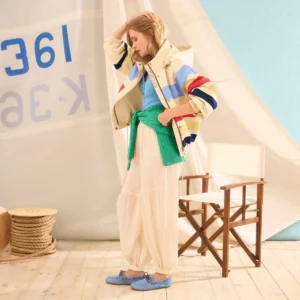

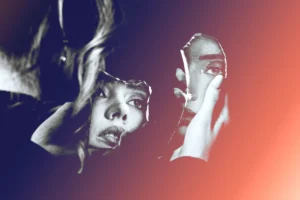

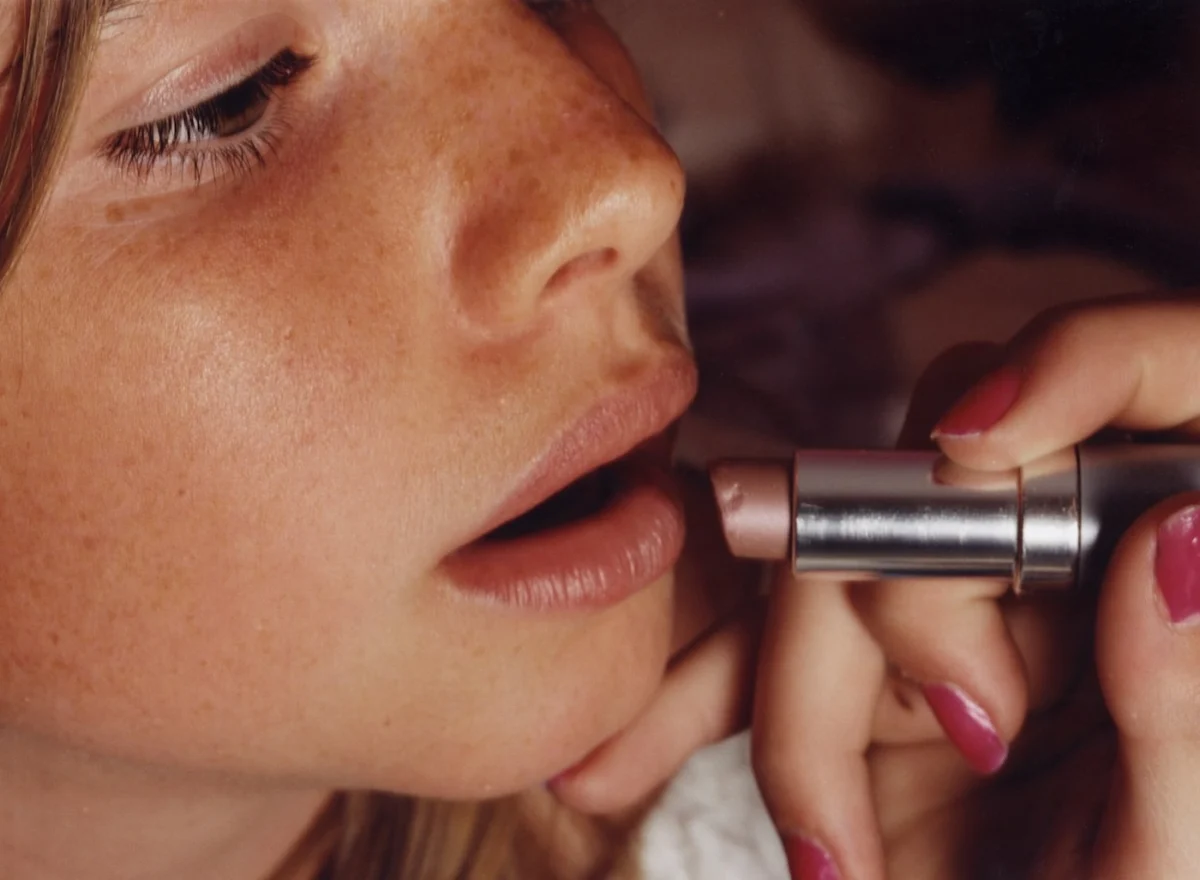
As a poignant retrospective exhibition of her extensive photographic oeuvre draws to a close at Claire de Rouen’s new Shoreditch space, Nancy Honey, the esteemed American-born, London-based artist, reflects on a career spanning decades, dedicated to unraveling the multifaceted experience of womanhood. At 78 years old, Honey finds herself in a contemplative moment, questioning the swift passage of time and the significance of looking back on a life’s work that has consistently sought to articulate, with profound empathy and distinctive insight, "how it feels, to explain what it is to be a woman." This exhibition serves not merely as a display of images but as a curated journey through the evolving landscapes of female identity, from the threshold of adolescence to the complexities of adulthood, all underscored by an enduring, often defiant, sense of joy.
The Genesis of a Vision: Documenting Womanhood
Nancy Honey embarked on her photographic journey with a clear, unwavering objective: to explore and articulate the female experience through a lens devoid of didacticism or predetermined negativity. This approach, established early in her career, marked a distinct departure from some of her contemporaries who often gravitated towards more confrontational or overtly critical portrayals. Instead, Honey chose a path of curiosity, tenderness, and an insistence on finding moments of enjoyment amidst the inherent challenges of life as a woman. Her work stands as a testament to the power of observation, capturing the subtle nuances of emotion and environment that shape individual narratives.
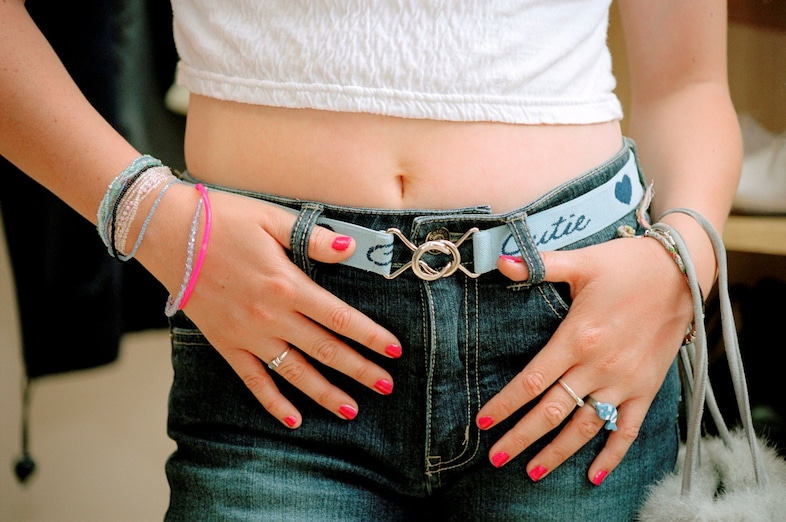
Her artistic philosophy, as articulated during interviews, has consistently revolved around a desire to create a "freeing up of a space of female experience," where authenticity and genuine feeling are paramount. This ethos permeates her most celebrated series, including Entering the Masquerade (1992) and A Daughter’s View (1991). These bodies of work meticulously document the often-turbulent yet exhilarating transition from childhood to adulthood, particularly focusing on young girls and teenagers. Shot with a characteristic warmth, rich color palettes, and a hazy, almost nostalgic glow, these photographs evoke a sense of lived experience, inviting viewers to connect with the subjects on a deeply human level.
Chronology of a Career: Capturing Life’s Transitions
Nancy Honey’s career timeline is punctuated by distinct series that collectively form a comprehensive visual archive of female lives. While specific dates for every project are extensive, A Daughter’s View (1991) and Entering the Masquerade (1992) are pivotal examples from the early 1990s that encapsulate her signature style and thematic focus. These projects were not just about documenting girls; they were about exploring the liminal space between innocence and experience, the playful experimentation with identity, and the nascent anxieties of self-discovery.
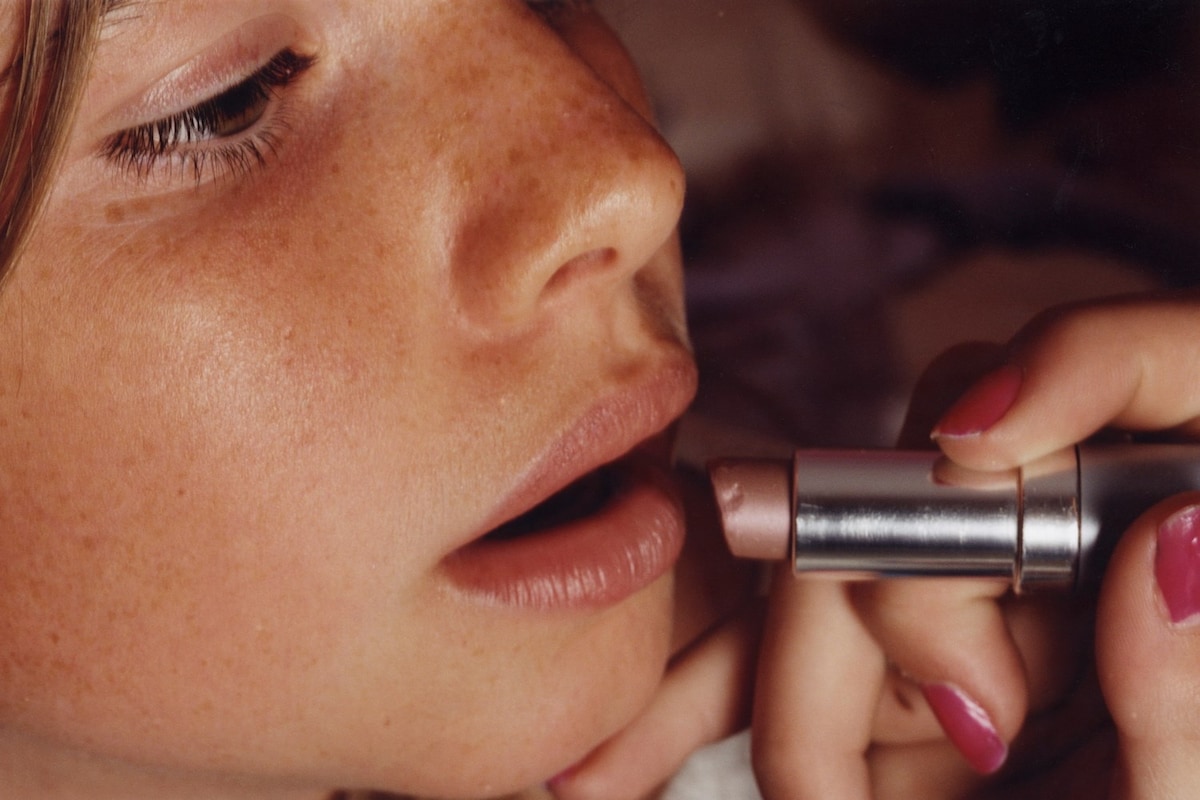
In Entering the Masquerade, Honey delves into the world of pre-teen and teenage girls, often within the intimate confines of their homes or schools. The series title itself suggests the performative aspect of growing up, where clothes, makeup, and social interactions become a "dress rehearsal" for the adult world. Her subjects are depicted in various states: some are captured in moments of unbridled laughter and playful abandon, embodying the carefree spirit of youth. Others are shown in more introspective, even sullen poses, reflecting the boredom, pensive contemplation, or occasional disgust that can accompany adolescence. One particularly evocative image from this series shows a young girl in a classroom, frowning as she lifts her shirt to peer down at her own developing body, a poignant illustration of bodily estrangement and self-scrutiny common during this transformative period.
A Daughter’s View, created around the same time, complements this exploration by often focusing on the relationship between mothers and daughters, or on girls observing the world of adult women around them. Both series are characterized by Honey’s tender gaze, her ability to build trust with her subjects, and her masterful use of light and composition to imbue each image with emotional depth. The "hazy, nostalgic glow" often attributed to her work is not merely an aesthetic choice but a stylistic decision that underscores the ephemeral nature of these transitional years, imbuing them with a timeless quality that resonates across generations.
Throughout her career, which now spans over half a century, Honey has consistently returned to themes of identity, femininity, and the social constructs surrounding womanhood. Her consistent output and evolving perspective have cemented her status as a significant voice in contemporary documentary photography.
The Claire de Rouen Exhibition: A Curated Narrative
The recent exhibition at Claire de Rouen’s new Shoreditch location, strategically curated by the bookshop’s new co-director Dominic Bell, offered a compelling retrospective of Honey’s diverse works. Claire de Rouen, a renowned institution in London’s cultural landscape, particularly cherished for its focus on fashion, art, and photography books, has been instrumental in shaping photographic discourse for nearly two decades. The decision to host Honey’s retrospective as part of their cultural programming, especially leading into their 20th-anniversary year in 2026, speaks volumes about the enduring relevance and impact of her artistic vision.
Bell’s curation aimed to highlight the unifying thread of "hopeful perspective on womanhood" that runs through Honey’s varied photographic series. By drawing from different periods of her career, the exhibition demonstrated the evolution of her craft while emphasizing the consistent core message of "enjoyment" and liberation within the female experience. The Shoreditch space, a vibrant hub for artistic expression, provided an ideal backdrop for Honey’s work, inviting a new generation of viewers to engage with her nuanced portrayals. The physical space of the bookshop, with its inherent connection to narrative and visual storytelling, further enriched the experience, allowing visitors to delve deeper into the stories behind the images.
Artistic Techniques and Thematic Depth: The "In-Betweenness"
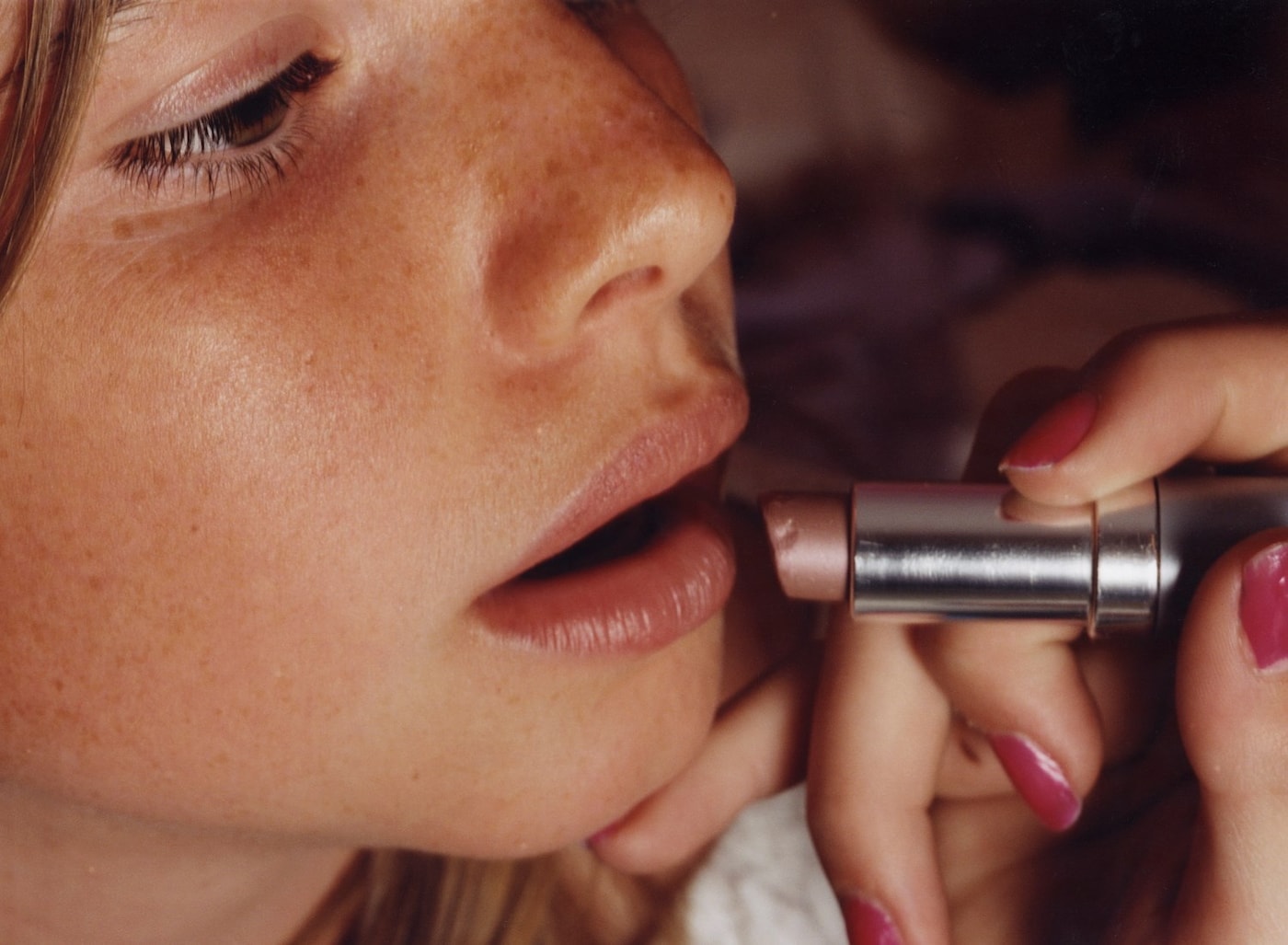
A hallmark of Honey’s photographic approach is her keen eye for "in-betweenness" – the fleeting moments where one state of being gives way to another. This is particularly evident in her portrayals of young women. She masterfully captures subjects flickering between states of play and solemnity, illustrating the fluid and often contradictory nature of adolescence. One moment, a girl might be engrossed in a whimsical game, her face alight with innocent joy; the next, she might be lost in a pensive stare, grappling with an unspoken thought or burgeoning self-awareness.
Honey’s close-up portraits further exemplify this fascination with transition. She observes, with meticulous detail, how the soft, childlike contours of a young girl’s face gradually yield to the more defined bone structure of an adult. "As a photographer of women, I am deeply fascinated by how our faces change so quickly," Honey remarks, highlighting the rapid physical transformations that parallel the emotional and psychological shifts of youth. This focus on physiognomy becomes a metaphor for deeper internal changes, suggesting that the external is a window into the internal world of her subjects. The subtle shift in a jawline, the emergence of a more pronounced cheekbone, or the deepening of an eye line are all captured with an artist’s sensitivity, revealing the ongoing process of becoming.
Addressing Criticism: The Seriousness of Joy
Despite the warmth and humor that often characterize her images, Honey has, at times, faced criticism regarding the perceived "lightness" of her work. She recalls an instance where a critic labeled her work "marshmallowy," suggesting it lacked gravitas. This critique, however, fundamentally misunderstands the depth and intentionality behind her artistic choices. Honey’s work, while not "hard-hitting" in the confrontational sense, is far from superficial.
Instead, it engages with profound societal questions, particularly concerning the female body’s commodification in a patriarchal and capitalist society. "One of my big questions is: what would it be like if we as women were ruling the world?" she ponders, directly confronting systemic inequalities. She challenges the pervasive cultural tendency to objectify women, noting, "why is it that a picture of a beautiful young lady, teenager or early 20s, is always there to sell something?" This critical awareness underpins her seemingly gentle approach. Her photography, therefore, offers an alternative gaze, one that celebrates the inner life and agency of women rather than presenting them solely as objects of desire or consumption.
Honey’s work, in essence, embodies a "what-the-hell" attitude – a refusal to be constrained by traditional expectations of how female experience should be depicted. It insists that despite the inherent difficulties and societal pressures, existing in a female body can, and should, be experienced and documented with a certain lightness, joy, and joie de vivre. This is not an evasion of serious issues but a redefinition of what "serious" can encompass. As Honey eloquently states, "Even though I feel like I have a lot of joie de vivre, I still think I’m talking about serious things. Joy is serious." This statement encapsulates the core of her artistic philosophy: that joy, far from being a trivial emotion, is a profound and often defiant act of self-affirmation and resilience, especially for women navigating complex social landscapes.
Broader Impact and Legacy: A Feminist Lens
Nancy Honey’s contributions to photography extend beyond individual images; they form a crucial part of the broader discourse on feminist art and documentary practices. In an era where many feminist artists were employing overtly political or confrontational imagery to critique patriarchal structures, Honey carved out a unique space. Her work offered a powerful counter-narrative, demonstrating that empowering portrayals of women could also be achieved through intimacy, empathy, and a celebration of everyday life and emotion. She effectively expanded the lexicon of feminist photography, proving that a focus on inner life, vulnerability, and happiness could be just as revolutionary as direct activism.
Her persistent questioning of the female body as a commodity remains highly relevant today, particularly in the age of social media, where visual culture heavily influences perceptions of self and others. Her early observations about images of young women being used to "sell something" resonate powerfully in a digital landscape saturated with curated aesthetics and influencer culture. Honey’s work implicitly asks: How do women navigate self-representation when external pressures dictate an idealized image? Her photographs, by offering authentic, unvarnished glimpses into female lives, provide a refreshing antidote to these pervasive commercial narratives.
The enduring appeal and scholarly interest in Honey’s work underscore her lasting impact. Her photographs are not just historical documents of past decades but timeless explorations of universal themes: identity formation, the passage of time, the search for belonging, and the quiet strength found in everyday moments. Retrospective exhibitions like the one at Claire de Rouen are vital in re-evaluating and re-contextualizing an artist’s contribution, ensuring that their legacy continues to inspire and provoke thought in new generations. They provide an opportunity for audiences to engage with a comprehensive body of work, understanding the evolution of an artist’s vision and its continued resonance in contemporary society.
Conclusion: Celebrating an Enduring Vision
Nancy Honey’s retrospective at Claire de Rouen serves as a powerful reminder of an artist whose vision has remained steadfast and profoundly relevant over a distinguished career. Her photographs, imbued with tenderness, curiosity, and an unwavering belief in the "seriousness" of joy, offer a compelling and nuanced exploration of what it means to be a woman. As the exhibition concludes, it leaves behind a rich legacy of images that challenge preconceived notions, celebrate the complexities of female experience, and encourage a more empathetic and joyful gaze upon the world. Claire de Rouen, as it continues its outstanding cultural programming in its 20th-anniversary year (2026) at 11A Kingsland Road, London, has once again underscored its commitment to showcasing pivotal voices in art and photography, ensuring that the profound insights of artists like Nancy Honey continue to inspire and resonate with audiences for years to come.