






On Tuesday evening, May 19, 2026, the venerable Hammerstein Ballroom in New York City was transformed into an arena unlike any other, hosting Sukeban’s latest World Championship. What initially presented itself as a high-fashion spectacle, complete with a crimson runway and a front row graced by luminaries such as Lila Moss, Norman Reedus, and Rowan Blanchard, quickly evolved into a high-octane display of athletic prowess and meticulously crafted avant-garde sportswear. Unlike traditional runway presentations, the terminus of this catwalk was not a static pose for photographers, but a dynamic wrestling ring, where stylish combatants engaged in fierce competition, demonstrating Sukeban’s unparalleled fusion of sports entertainment and cutting-edge fashion.
The Spectacle Unveiled: A Fusion of Fashion and Combat
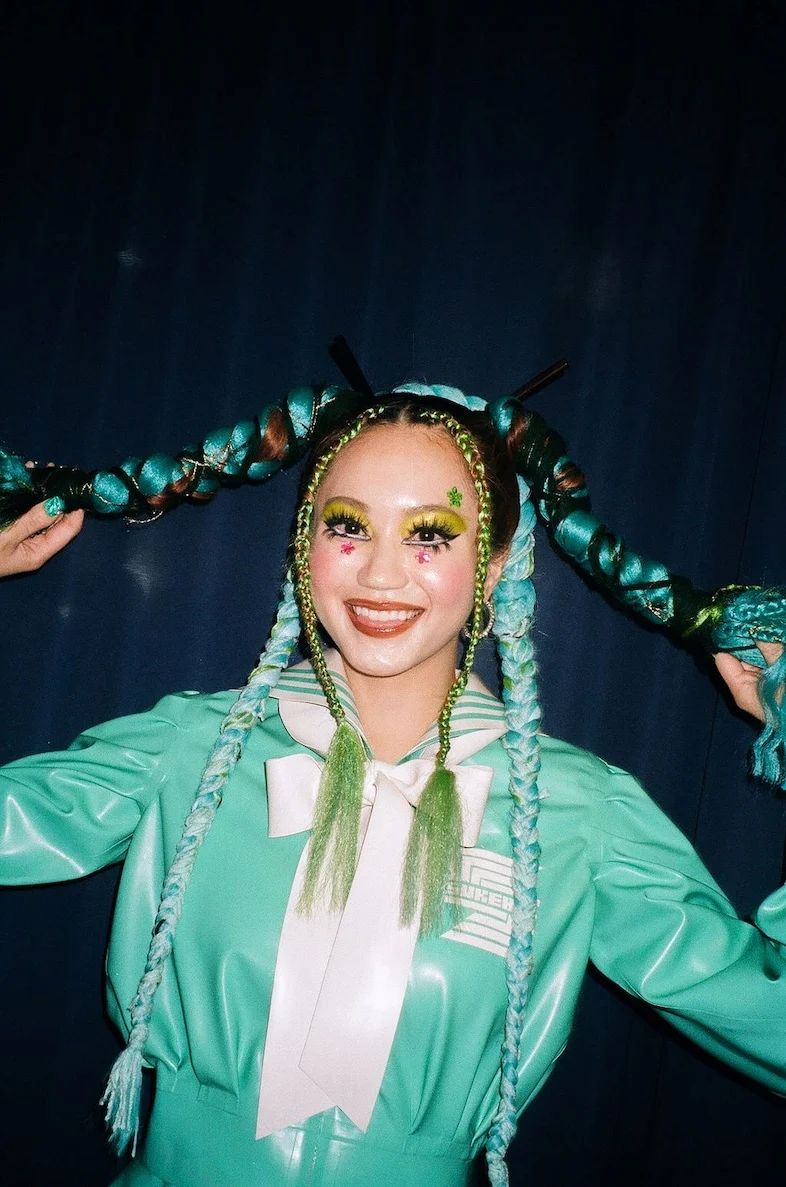
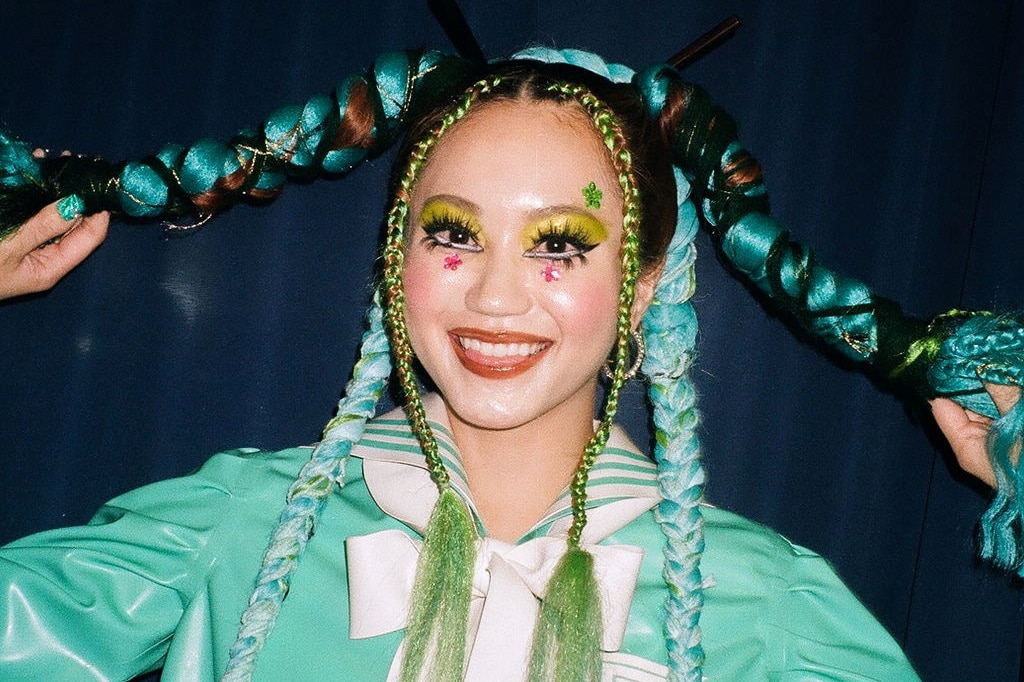
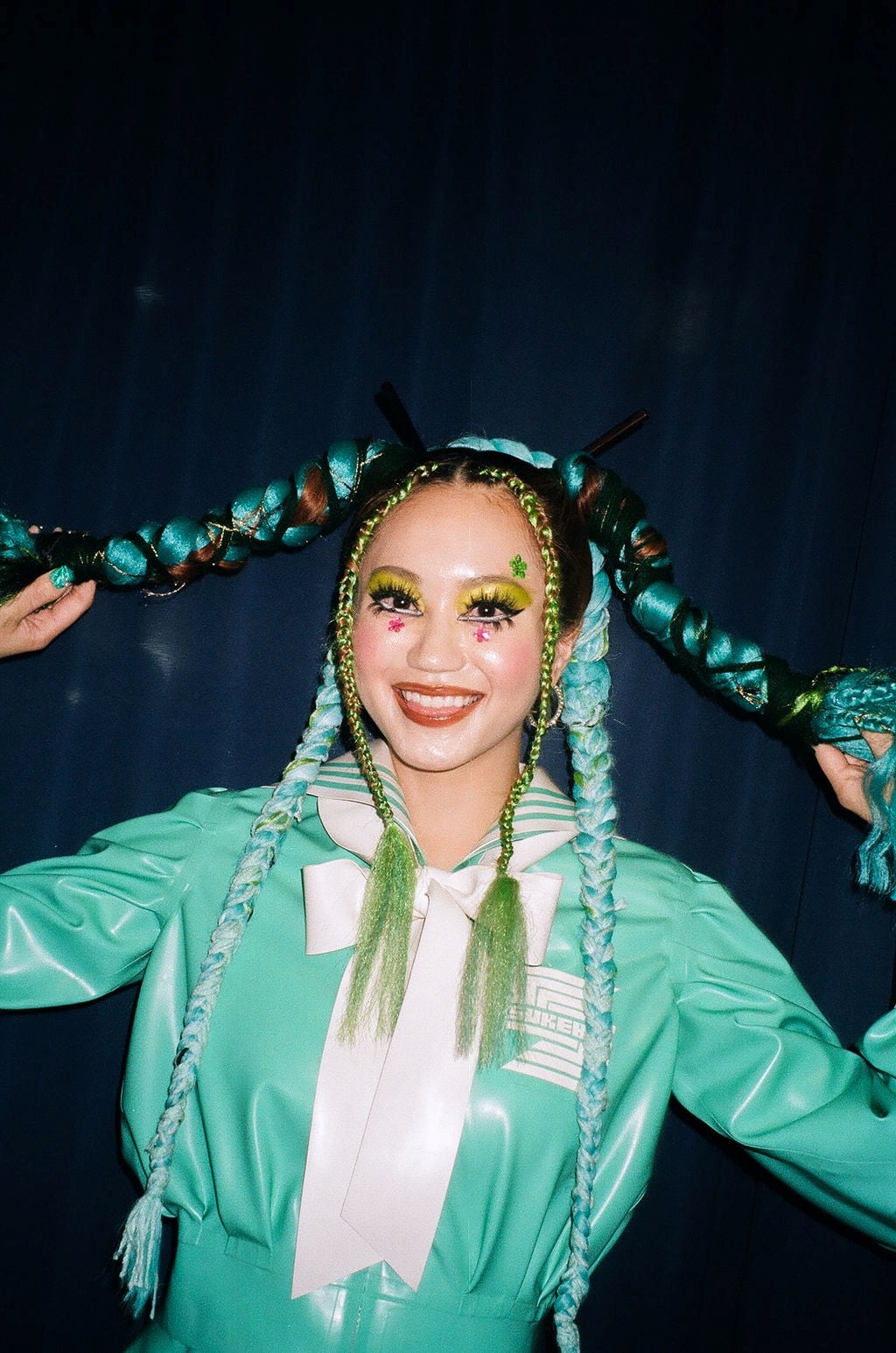
The atmosphere within the Hammerstein Ballroom crackled with an electricity that transcended the typical boundaries of a sporting event or a fashion show. As the lights dimmed, a pulsating score set the stage for the dramatic entrance of Sukeban’s fighters, each emerging onto the red carpet in intricate, themed ensembles. These were not mere costumes; they were bespoke creations from some of the most innovative designers, transforming the wrestlers into living, breathing characters of an unfolding narrative. The deliberate blend of theatricality and athletic readiness was evident in every detail, from the fighters’ dramatic hair and makeup to their customized outfits, each element designed to withstand the rigors of the ring while making a profound aesthetic statement.
This New York championship marked a significant escalation in Sukeban’s commitment to its distinctive style. Beyond the wrestling bouts, the event featured a special performance by rapper Molly Santana, adding another layer of entertainment. A truly unexpected moment arrived with the pro-wrestling debut of two-time Olympic gold medalist and boxing World Heavyweight Champion Claressa Shields, underscoring the event’s crossover appeal and its ability to attract top-tier talent from various fields. The audience, a diverse mix of fashion enthusiasts, wrestling superfans, and curious onlookers, was captivated by the relentless action, the dazzling aesthetics, and the palpable energy that permeated the venue.
Roots of Rebellion: The Sukeban Legacy and Joshi Puroresu
Sukeban, a Japanese all-women’s wrestling league founded in 2022 by designer Olympia Le-Tan and her brother-in-law Alex Detrick, draws its evocative name from the Japanese term for "delinquent girl boss" – a reference to the notorious, often stylish, girl gangs that emerged in Japan during the 1960s and 70s. These original sukeban groups were characterized by their defiance of societal norms, distinctive uniforms (often modified schoolgirl attire), and a rebellious spirit that has, in part, inspired the modern league’s ethos.
Le-Tan’s vision for Sukeban was born from a desire to elevate joshi puroresu—the Japanese term for women’s professional wrestling—to a broader, international audience, particularly in the United States. Historically, joshi puroresu has enjoyed a more prominent cultural status in Japan than its male counterpart, celebrated for its athleticism, storytelling, and often elaborate characterizations. However, as Le-Tan observed, the traditional presentation, often featuring metallic bikinis and self-applied makeup, limited its appeal to a niche audience. Her innovative approach aimed to bridge this gap. "In Japan, women’s pro wrestling has always been more important than men’s," Le-Tan explained. "But they are all wearing these metallic bikinis and do their own makeup. Wrestling is such a niche audience; maybe with makeup, fashion, and manga, we can attract different audiences." By infusing high fashion, professional makeup artistry, and a narrative style reminiscent of Japanese manga and anime, Sukeban sought to transform joshi puroresu into a globally appealing spectacle.
The league’s rapid ascent since its inception in 2022 underscores the effectiveness of this strategy. From its inaugural events to the recent New York championship, Sukeban has consistently delivered a unique entertainment package, attracting a growing following that appreciates both the athletic integrity of the wrestling and the artistic extravagance of the fashion.
Architects of Aesthetic Warfare: Design and Collaboration
The cornerstone of Sukeban’s distinct identity lies in its unwavering commitment to sartorial excellence. The New York World Championship showcased an unprecedented level of designer collaboration, elevating the combatants’ attire from mere sportswear to wearable art. Each team sported custom creations from a roster of buzzy brands and acclaimed designers, demonstrating a meticulous attention to detail that blurred the lines between fashion show and athletic competition.
One striking example was the latex ensemble worn by wrestler Straycat, meticulously crafted by Soft Skin Latex. This choice of material, while visually stunning and form-fitting, presents unique challenges for performance wear, demanding specialized care and an understanding of its properties to ensure both durability and flexibility in the ring. Similarly, the Cherry Bomb Girls showcased graphic embroidered jackets from Nike, a testament to Sukeban’s ability to integrate established sportswear giants with its avant-garde vision.
Perhaps the most intricate creation was Crush Yuu’s wrestling gear, which involved an astonishing 564 hours of hand embroidery, adorned with beads and Swarovski crystals. This piece exemplified the dedication to craftsmanship and luxury that Sukeban champions, proving that combat attire can be as dazzling as haute couture.
For the debut of the "Tokyo Toys" characters—a faction inspired by the vintage toy stores of Tokyo’s iconic Nakano Broadway—Olympia Le-Tan enlisted Miss Claire Sullivan to design a custom, multilayered tutu for Krackin’ Kouki’s soldier costume. Sullivan, known for her intricate and often whimsical designs, recounted the unique challenge: "I never thought I’d see one of our tutus flying around in a boxing ring – making garments for performances is definitely something we’re used to, but this is the first time we made something for a fight." She emphasized the delicate balance required: "There was just enough movement for it to look amazing when the fighter is flying around, but we had to keep agility and utility in mind while making it."
Another new Tokyo Toys character, Seri Bear, debuted in an ensemble featuring fuzzy brown shorts, bear ears tied with a silk ribbon, and a custom t-shirt by rising New York designer Vanna Youngstein. Youngstein noted the practicality of her design for the high-action environment: "My tees are usually easy to wear. They are a boxy baby tee fit, so we knew it would work well for her costume. The tee has a big pink glitter name logo with her name on it and a diamanté sparkle bear motif."
The holistic approach to character development extended to accessories and beauty, with legendary milliner Stephen Jones contributing two debut hats, Katie Hillier designing bespoke bags, and acclaimed nail artist Mei Kawajiri crafting intricate nail art. The entire cosmetic vision was brought to life by the Pat McGrath team, ensuring that every fighter’s look was polished and impactful.
Le-Tan, herself a designer who transitioned from running her own brand to creating performance wear, admitted to initially lacking experience in the latter. This unconventional background, however, proved to be an asset, allowing her to approach the challenge with fresh eyes. "You’re creating a character rather than a look for someone who’s going to wear it in the street, so it’s extra, but it’s not just spectacle, it’s also athletes," she explained. The technical demands are significant, necessitating specialists like a latex expert backstage. Despite potential discomfort, the wrestlers’ commitment to their characters and the stunning aesthetics is paramount. "Even if it is uncomfortable, they want to try and wrestle in it if they love it, because they want to look great," Le-Tan affirmed, highlighting the symbiotic relationship between performance and presentation in Sukeban.
Star Power and Strategic Alliances: Celebrity Endorsement and Brand Partnerships
The presence of celebrities like Lila Moss, Norman Reedus, and Rowan Blanchard in the front row was a clear indicator of Sukeban’s growing cultural cachet. Their attendance not only generated significant media buzz but also cemented the league’s position at the intersection of fashion, entertainment, and sport. This celebrity endorsement is a powerful tool for attracting diverse audiences and enhancing brand visibility.
The strategic collaborations with renowned designers and brands are equally crucial. By partnering with names like Miss Claire Sullivan, Vanna Youngstein, Stephen Jones, Katie Hillier, and the Pat McGrath team, Sukeban elevates its fashion credibility and appeals directly to a sophisticated, style-conscious demographic. The inclusion of Nike, a global sportswear giant, suggests a broader ambition to integrate Sukeban into mainstream athletic culture while maintaining its unique aesthetic edge.
These partnerships extend beyond mere sponsorship; they are integral to the league’s creative process. Le-Tan expressed a desire to continue these collaborations, particularly with Nike and other innovative designers, for future character development. This forward-looking approach ensures that Sukeban’s fashion element remains dynamic and at the forefront of contemporary trends.
Beyond the Ring: Broader Implications and Future Horizons
The New York World Championship culminated in a thrilling main event, with Ichigo Sayaka defeating Queen of Hearts to successfully retain the Sukeban World Championship title, following a night filled with dramatic moments, including wrestlers jumping out of the ring and employing various props. This victory marked a significant moment in the league’s competitive narrative, further cementing the lore and rivalries that engage its fanbase.
Sukeban’s innovative model has profound implications for several industries. For fashion, it presents a new frontier for performance wear, challenging designers to create garments that are both visually spectacular and highly functional under extreme conditions. It also pushes the boundaries of fashion presentation, moving beyond traditional runway shows into immersive, experiential events. For sports entertainment, Sukeban offers a fresh, aesthetically driven approach that appeals to a demographic traditionally underserved by conventional wrestling leagues. By combining the athleticism of joshi puroresu with high production values and a strong fashion narrative, Sukeban is redefining what a sports spectacle can be.
The league’s rapid expansion and global ambitions are evident in its upcoming schedule. The next major event is slated for July 3, during the Anime Expo in Los Angeles, a strategic move to tap into the vast and dedicated anime and manga fanbase. This chronological progression, from its founding in 2022 to high-profile events in major cities, demonstrates Sukeban’s calculated growth strategy.
The success of Sukeban points to a broader trend in entertainment: the demand for multi-sensory, interdisciplinary experiences. Audiences are increasingly drawn to events that offer more than a single form of engagement, and Sukeban delivers on this by providing a compelling blend of athleticism, artistry, and narrative. The anecdotal experience of a Japanese wrestling superfan who traveled to the New York event, asking whether the reporter was "into wrestling or in the fashion industry," perfectly encapsulates Sukeban’s unique ability to attract and merge diverse audiences.
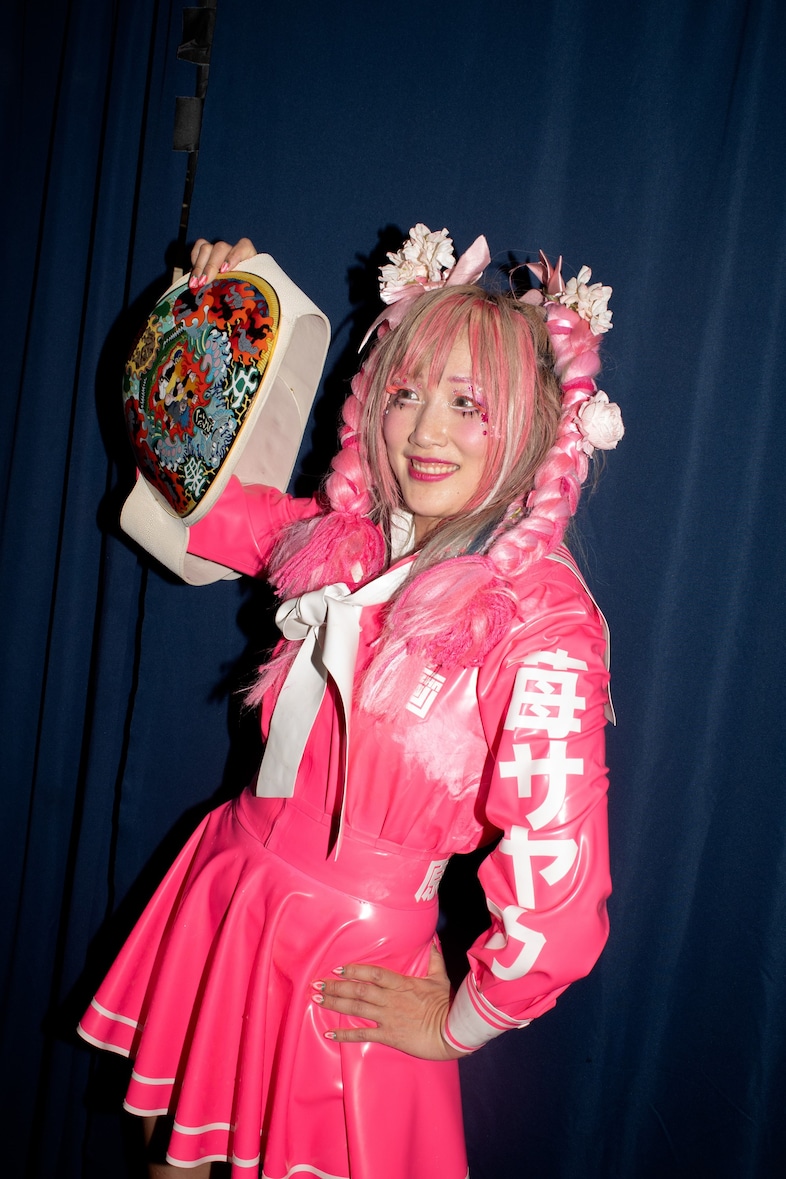
The league’s commitment to continuously debuting new characters in every match ensures a fresh and evolving narrative, maintaining audience interest and providing ongoing opportunities for designer collaborations. This iterative approach to character development, deeply rooted in manga and anime traditions, further strengthens its appeal to a younger, culturally savvy demographic.
The Evolution of Entertainment: A New Paradigm
Sukeban is not merely a wrestling league; it is a cultural phenomenon that is carving out a new paradigm for live entertainment. By consciously blurring the lines between sport, fashion, and theatrical performance, it addresses a modern audience’s desire for immersive and visually rich experiences. The detailed narratives behind each wrestler, the distinct aesthetics of their factions (like the Tokyo Toys), and the high-stakes drama of their battles create a universe that is as captivating as any comic book or television series.
This integration of storytelling and spectacle positions Sukeban as a pioneer in experiential marketing. Each event is not just a series of matches but a carefully curated show, where every element, from the entrance music to the final costume detail, contributes to a cohesive artistic vision. This approach resonates particularly well with younger generations who are accustomed to highly produced digital content and seek similar levels of engagement in real-world events.
From Niche to Mainstream: Sukeban’s Expanding Universe
The journey of joshi puroresu from a niche Japanese sport to a globally recognized, fashion-forward entertainment property under the Sukeban banner highlights the power of creative reinterpretation. Olympia Le-Tan’s initial hypothesis—that well-dressed wrestlers could attract a broader audience—has proven remarkably accurate. The league’s ability to draw significant attendance, secure celebrity endorsements, and forge partnerships with high-profile designers indicates a strong trajectory towards mainstream recognition.
As Sukeban continues to expand its reach, with upcoming events at cultural touchstones like Anime Expo, its potential for growth is substantial. The blend of Japanese cultural elements with Western fashion sensibilities creates a unique product that appeals across geographical and demographic lines. The league is not just selling wrestling; it is selling a lifestyle, a rebellious spirit, and an unparalleled aesthetic.
Ultimately, Sukeban stands as a testament to the power of creative vision and cross-disciplinary collaboration. It has successfully created a platform where athletic prowess meets artistic expression, demonstrating that the world of combat can be as extravagant and stylish as any haute couture runway. The league’s future promises continued innovation, further blurring the lines between industries and solidifying its place as a groundbreaking force in contemporary entertainment.