









The enduring fascination with American iconography, long a cornerstone of national identity, is undergoing a profound re-evaluation, driven by cultural touchstones and shifting political landscapes. A recent surge in the popularity of classically American brands and aesthetics, fueled by hit television series and influential designers, signals a complex and often contradictory effort to reclaim and redefine what it means to dress, talk, and style oneself with an "American look." This trend is not merely a nostalgic fashion cycle but a deeper cultural phenomenon, reflecting a nation grappling with its identity amidst deep partisan divides and a quest for inclusive representation.
The Kennedy Effect: Rekindling an American Dynasty’s Style Legacy
Central to this current wave of Americana revival is Hulu’s critically acclaimed series, Love Story, a dramatization chronicling the relationship between John F. Kennedy Jr. and Carolyn Bessette-Kennedy. The show has captivated audiences, reigniting public fascination with the Kennedy dynasty and, crucially, their indelible impact on both politics and fashion. The series meticulously recreates the couple’s iconic style, particularly Bessette-Kennedy’s minimalist yet sophisticated aesthetic, which epitomized a certain aspirational American elegance in the 1990s. Her wardrobe, characterized by clean lines, classic silhouettes, and an understated luxury, resonated deeply with a generation and continues to influence contemporary style.
The immediate ripple effect of Love Story has been palpable across the fashion industry. Brands synonymous with classic American sportswear and refined casual wear, such as Calvin Klein and J.Crew, have reported a significant boost in sales and renewed consumer interest. For instance, Calvin Klein, known for its minimalist designs and quintessential American denim, experienced a surge in online searches and sales for its core collections, while J.Crew, a long-standing purveyor of preppy, accessible American style, saw a notable uptick in demand for pieces echoing Bessette-Kennedy’s effortless chic, such as cashmere sweaters, tailored trousers, and simple slip dresses. This phenomenon underscores the powerful interplay between entertainment, historical figures, and consumer behavior, effectively merging the worlds of the Fashion District and Washington D.C. The Kennedy family, from Jacqueline Kennedy Onassis’s iconic pillbox hats and A-line dresses to JFK Jr.’s casual yet polished ensembles, has historically shaped American sartorial sensibilities, and this latest cultural moment confirms their enduring influence.
Reclaiming the Stars and Stripes: A Progressive Push for National Symbolism
Historically, the American flag and its associated iconography have been more closely aligned with conservative ideologies, often symbolizing nationalism and traditional values. This association became starkly visible at political rallies, particularly those of former President Donald Trump, where the stars and stripes were ubiquitous. The imagery from the January 6th, 2021, Capitol riot further cemented this perception, as the American flag was wielded alongside overtly divisive symbols such as the libertarian Gadsden flag ("Don’t Tread on Me") and the Confederate flag. These instances reinforced a narrative that national symbols were the exclusive domain of a particular political faction.
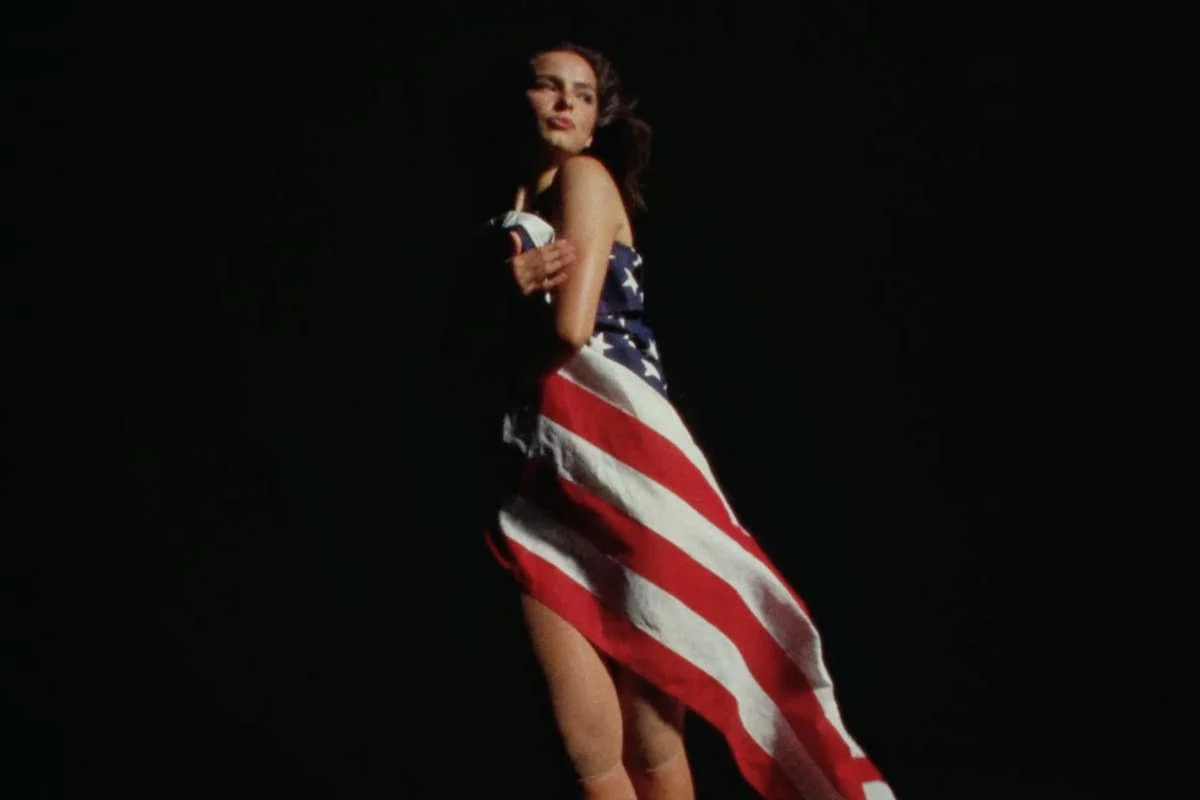
However, recent years have witnessed a deliberate and growing effort by progressives to re-embrace the aesthetics of Americana. This movement asserts that the iconography of the United States belongs to all its citizens, regardless of political affiliation. It represents a strategic attempt to reclaim national pride from a partisan appropriation, fostering a more inclusive vision of American identity.
This progressive re-engagement with national symbols is not without its critics. To sceptics, the timing might seem incongruous, prompting reactions such as, "Really? Right now?" A Pew Research study conducted in 2025 shed light on the complex relationship Americans have with national pride, finding that "A negative response to national pride is particularly common for the U.S. compared to other countries." This sentiment, the study detailed, runs significantly along partisan lines within the United States. While many countries exhibit high levels of national pride across the political spectrum, American pride has become increasingly bifurcated, with conservatives generally expressing higher levels of pride and liberals often tempering their pride with critiques of national shortcomings.
Nancy Deihl, a distinguished fashion historian and current chair of the Department of Art and Art Professions at New York University, explains this phenomenon through a political lens. "The Republican party has made a big deal of the American flag, but the reality is it doesn’t belong to just one party," Deihl states. She argues that Democrats are actively seeking to imbue the flag with meaning relevant to their side of the political spectrum. "If you think about fashion and entertainment, there are people who are sympathetic to both sides of the aisle in both those industries; however, I would argue they might skew more Democratic and even progressive. This idea that we’re going to unabashedly dress, talk, and style ourselves – embracing an American look – is a little bit of ‘taking it back’." This "taking it back" signifies an attempt to redefine patriotism not through jingoism or exclusion, but through a celebration of diversity, progress, and a more expansive interpretation of American values.
From Workwear Heritage to High-Low Fusion: The Evolving American Aesthetic
This progressive vision of America is increasingly reflected in contemporary fashion trends and cultural expressions. A notable manifestation is the proliferation of brand collaborations staged in distinctly American, yet accessible, settings such as Los Angeles diners. This aesthetic, characterized by the mingling of high and low fashion – outfits with price tags in the hundreds worn casually – is inherently American. The United States boasts a rich "heritage of workwear," as Deihl describes it, exemplified by iconic brands such as Carhartt, Dickies, and Levi’s. These labels, originally designed for durability and utility for the American workforce, have transcended their utilitarian origins to become global fashion staples.
However, the journey of these brands reflects broader economic shifts. While once affordable garments for blue-collar workers, global interest and overseas manufacturing have rendered many of these pieces significantly less accessible, resulting in the familiar irony of a white-collar individual sporting a meticulously styled, yet expensive, "blue-collar" jacket. This shift underscores the commodification of working-class aesthetics and raises questions about authenticity and class representation in fashion. Even the quintessential American diner, historically a democratic symbol of accessibility and community life, has seen its own evolution, with many experiencing gentrification and rising prices, though they largely retain a sense of inclusive appeal. This cultural dynamic, where traditional symbols of accessibility become aspirational or even luxurious, speaks to a complex interplay of nostalgia, consumerism, and evolving social structures.
Youth Culture and the Apolitical Aesthetic of Internet Savvy
The nuanced relationship between politics and aesthetics is particularly evident among younger generations. Biz Sherbert, a writer and host of the fashion podcast Nymphet Alumni, has observed this sentiment extensively among twenty-somethings across various cultural hubs, from online communities to university campuses and the bustling streets of Manhattan. "I’ve seen that a lot of young people feel like their political affiliations are a bit separate from their aesthetic choices," Sherbert notes.
Internet-savviness plays a crucial role in this disaggregation. Young people, steeped in digital culture, often engage with symbols and aesthetics in a more fluid, trend-driven, and sometimes ironic manner. Sherbert elaborates, "You see someone wearing an American flag bikini and a raccoon hat in Downtown New York, and because you know that style is a bit more trend-driven or emerging, they are kind of playing with those things in a way that isn’t as literal." This approach allows for a playful reinterpretation of symbols that might otherwise carry heavy political connotations. It suggests a detachment from traditional, rigid ideological adherence, favoring instead an aesthetic exploration that prioritizes personal expression and cultural commentary over overt political signaling. This "post-literal" engagement allows for reclaiming symbols without necessarily endorsing the historical or contemporary political baggage they might carry, fostering a new space for cultural dialogue.
Designer Vision: Redefining the American Dream for a Diverse Nation
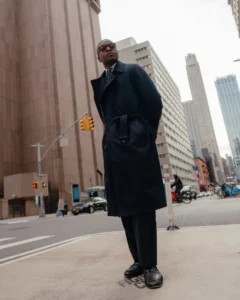
The fashion industry is not merely a passive reflector of these shifts but an active participant in shaping them. Designers are increasingly using their platforms to articulate a more inclusive and diverse vision of America. One prominent example is the work of designer Chavarria. In Dazed’s Autumn 2025 issue, Chavarria articulated his vision of the American dream as "the fight for the right to exist." This powerful statement underpins his design philosophy and his commitment to social commentary through fashion.
His Spring/Summer 2025 show for his eponymous brand was a poignant demonstration of this vision, explicitly reclaiming the U.S. flag for immigrants. The collection featured his distinctive spin on classic American pieces, including polos and a striking red, white, and blue half-zip garment emblazoned with the word "América." Chavarria drew inspiration from "the people who work the jobs that make this country run" – a direct homage to the immigrant communities who form the backbone of the American economy and society. His designs are not just aesthetically pleasing; they are imbued with a political and social message, challenging conventional notions of American identity and patriotism.
Chavarria’s significant success and critical acclaim illustrate that a substantial segment of the American public is eager to embrace the more diverse, inclusive identity that his work represents. His collections resonate with those who feel marginalized by traditional narratives of American exceptionalism and who seek a more representative and equitable vision of the nation. This success demonstrates a burgeoning market and cultural appetite for fashion that speaks to the realities of a multicultural America, asserting that national symbols can and should embody the experiences of all who contribute to the country.
Broader Implications: Hope Amidst Division
The current moment in American history, marked by persistent political polarization and societal introspection, is no exception to the long-standing tradition of fashion campaigns, music, television, and film attempting to grapple with what it means to feel at home in the United States. This resurgence of Americana, particularly in its reinterpreted and reclaimed forms, offers a multifaceted lens through which to understand contemporary American identity.
The trend suggests that for many young people and progressive thinkers, the palpable bleakness and division of the current political landscape do not necessitate relinquishing hope or surrendering national identity to those who claim it most loudly or exclusively. Instead, it represents an active engagement with national symbols, an attempt to infuse them with new meaning and purpose. It is a cultural negotiation, a subtle yet powerful assertion that patriotism can be inclusive, diverse, and forward-looking.
This movement has significant implications. It could foster a more nuanced understanding of national pride, allowing for patriotism that acknowledges complexities and strives for improvement rather than demanding blind allegiance. Economically, it continues to fuel a specific segment of the fashion industry, pushing brands to engage more deeply with cultural narratives. Socially, it contributes to an ongoing dialogue about who gets to define "American," potentially paving the way for a more unified, albeit multifaceted, national identity that celebrates its rich tapestry of experiences and voices. In essence, the battle for Americana is not just about clothes; it’s about the soul of a nation.