





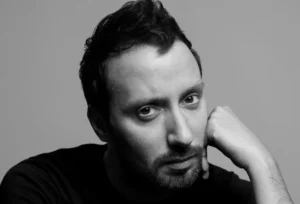

Jonathan Anderson’s inaugural Met Gala as the Creative Director of Dior saw the designer curate a diverse ensemble of nine high-profile figures, blending the house’s historical romanticism with a modern, avant-garde sensibility. The 2026 Costume Institute benefit, themed "The Garden of Time," served as the primary stage for Anderson to articulate his vision for the French luxury maison. By moving beyond the literal interpretation of floral motifs, the collection of custom and archival-inspired looks sought to explore the intersections of nature, cinema, and craftsmanship. This debut follows months of industry anticipation regarding how Anderson’s penchant for surrealism and intellectual design would translate into the structured, feminine heritage of Dior.
The 2026 Met Gala, held on May 4 at the Metropolitan Museum of Art in New York City, accompanied the exhibition "Sleeping Beauties: Reawakening Fashion." The dress code, inspired by J.G. Ballard’s 1962 short story of the same name, prompted attendees to reflect on the fragility of nature and the ephemeral quality of beauty. For Dior, a brand historically synonymous with the "femme-fleur" (flower-woman) aesthetic established by Christian Dior in 1947, the theme provided a natural canvas. However, Anderson’s approach was characterized by a departure from traditional garden aesthetics, favoring instead a narrative that integrated cultural history and technical innovation.
Cinematic Narrative and Custom Craftsmanship
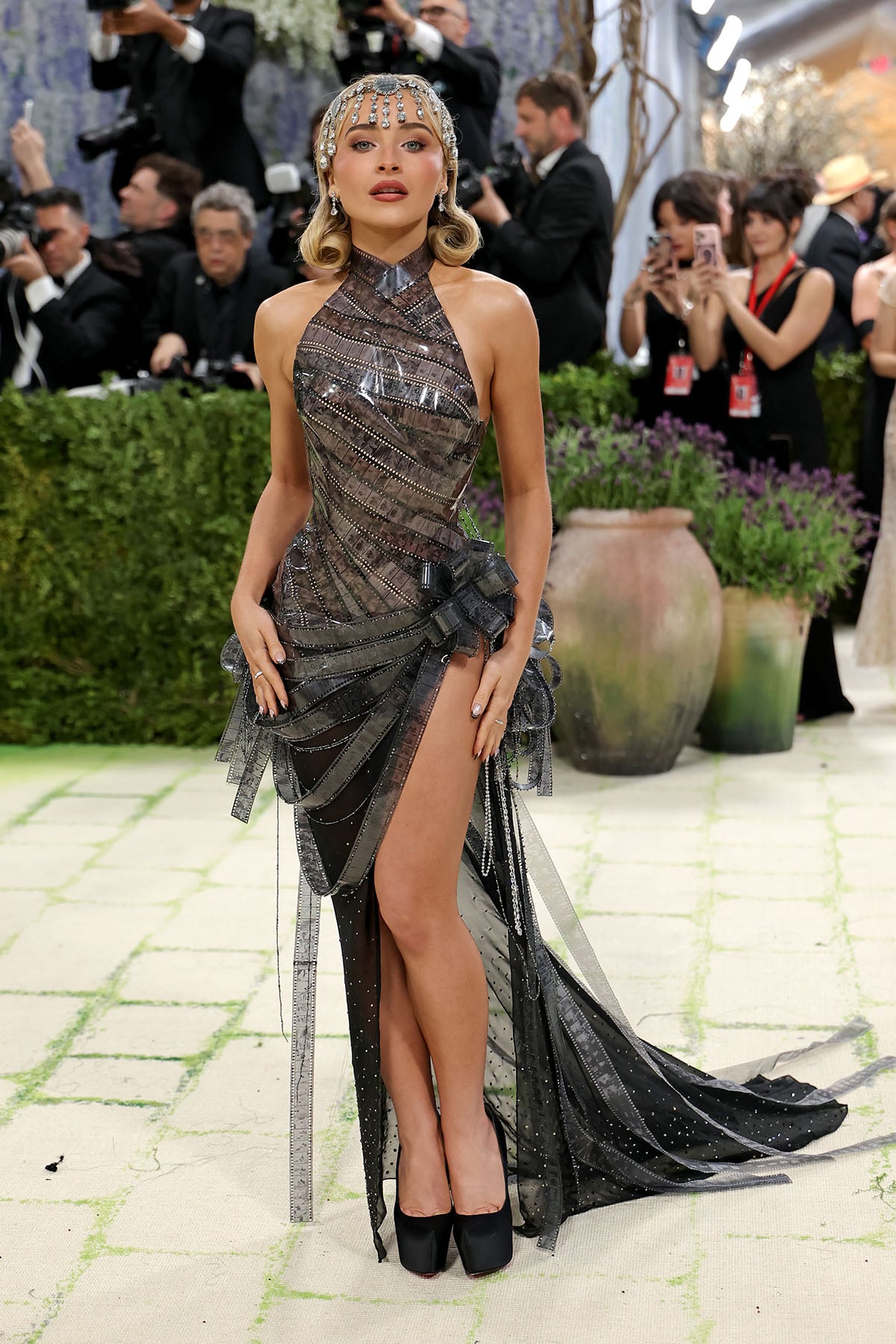
Among the evening’s most discussed presentations was the ensemble worn by singer Sabrina Carpenter. In a deliberate nod to both her personal identity and cinematic history, Anderson designed a Dior tulle gown featuring appliquéd film strips from the 1954 Billy Wilder film Sabrina. The film strips, rendered in rhinestones, created a shimmering, translucent effect that merged the art of film with haute couture. This choice highlighted a growing trend in Met Gala fashion: the move toward "meta-fashion," where the garment references its own cultural context or the wearer’s specific identity.

The gown was complemented by embroidered fringed cuffs and a jeweled headpiece, grounded by Christian Louboutin Dolly Alta platform heels. According to archival records, the 1954 film Sabrina was a landmark moment for fashion in cinema, though it was Hubert de Givenchy who famously dressed Audrey Hepburn for the role. By reclaiming this cinematic reference for Dior, Anderson signaled a willingness to engage with the broader history of Parisian couture while maintaining a playful, modern edge.
Archival Reverence and the Legacy of the Lily
The theme of "The Garden of Time" allowed Dior to revisit its foundational motifs, most notably Christian Dior’s favorite flower, the lily-of-the-valley. Alexa Chung appeared in a chartreuse Dior gown that featured a fabric waterlily brooch, a subtle deviation from the more common rose or peony motifs. Her look was anchored by a headpiece composed of fabric lily-of-the-valley bouquets, a stylistic choice that echoed her 2023 Met Gala appearance but was updated to reflect Dior’s current palette.
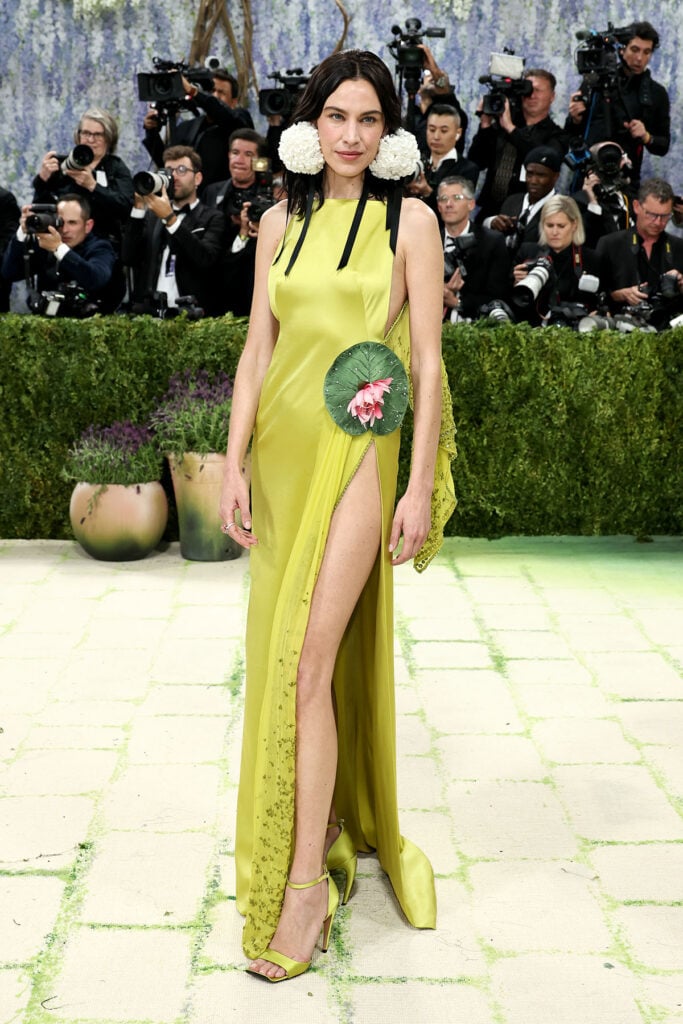
The use of the lily-of-the-valley is deeply rooted in the maison’s history; Monsieur Dior was notoriously superstitious and would sew a sprig of the flower into the hem of his couture dresses for good luck. By utilizing this motif, Anderson demonstrated a respect for the house’s "Sleeping Beauties"—the archival elements that define Dior’s DNA. This look was further accessorized with Dior Haute Joaillerie, emphasizing the brand’s commitment to a total-look luxury experience.
Similarly, Jisoo, a global ambassador for the brand, wore a strapless, backless column dress that functioned as a literal "garden scene." The garment was entirely embroidered with floral landscapes and trimmed with three-dimensional bouquets. The inclusion of a floral headpiece provided a storybook aesthetic that appealed to a younger, digitally native demographic, which remains a key pillar of Dior’s market strategy.

Minimalism and the Evolution of Haute Couture
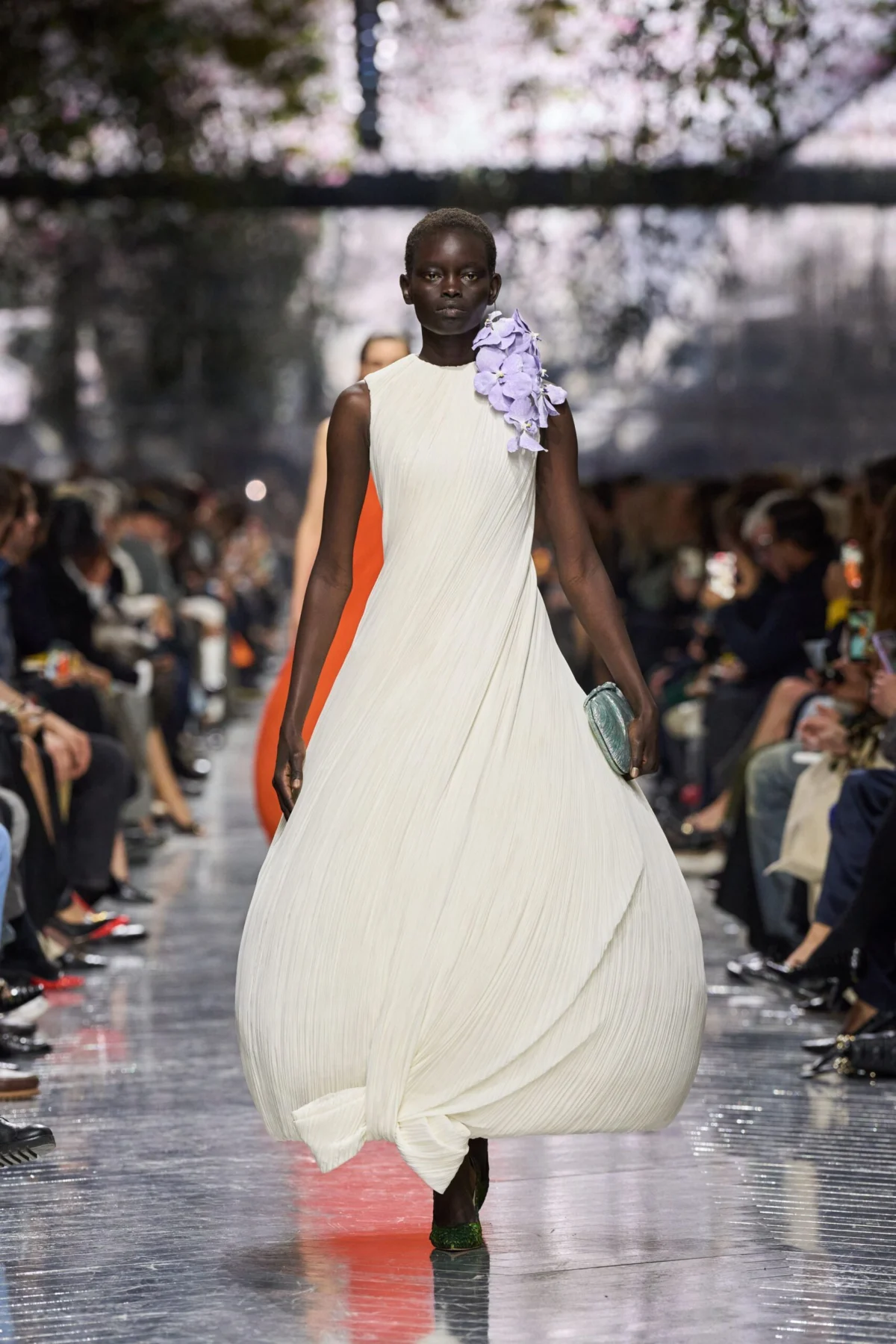
While much of the red carpet was dominated by maximalist floral arrangements, Karlie Kloss provided a counterpoint in a look from the Dior Spring 2026 Haute Couture collection. The ensemble focused on sculptural silhouettes rather than surface-level decoration, showcasing Anderson’s ability to manipulate fabric into architectural forms. The minimalist gown was punctuated by a headpiece embroidered with fabric orchids and grass-green Dior footwear.
Industry analysts suggest that this minimalist approach is a strategic move for Dior. In a crowded market of high-octane red carpet fashion, the "sculptural silhouetting" seen on Kloss emphasizes the technical prowess of the Dior atelier. This focus on the "savoir-faire" of couture is intended to reinforce the brand’s positioning as a leader in the luxury sector, particularly as the Spring 2026 collection begins to reach high-net-worth clients.

Darker Hues and Structural Shifts
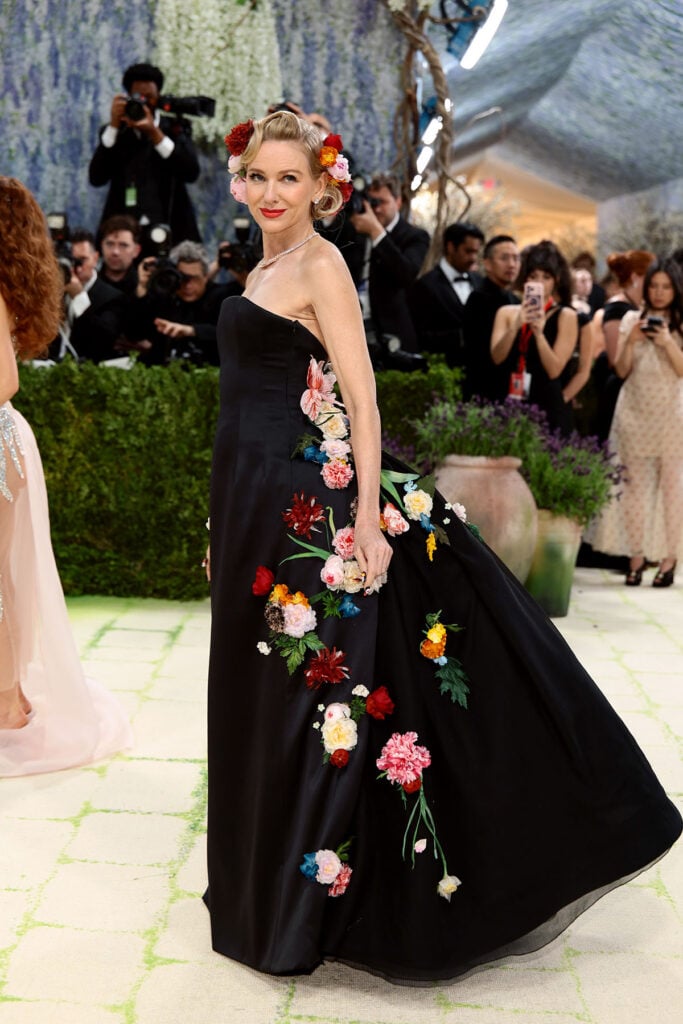
Naomi Watts and Miranda Kerr represented a shift in the evening’s color story. Watts wore a black satin Dior dress that utilized an outward-projecting skirt to create a dramatic, theatrical presence. The use of black satin, traditionally a heavier fabric, was balanced by delicate embroidered florals. This look stood in contrast to the lighter, ethereal gowns worn by other attendees, providing a sense of gravitas and maturity.
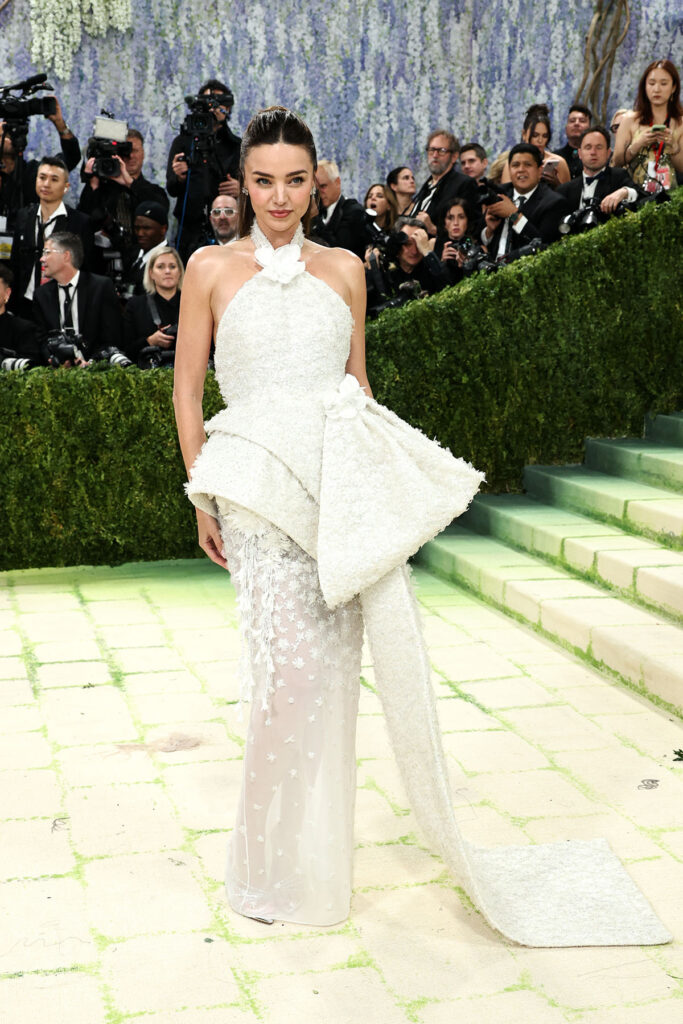
Miranda Kerr’s ensemble offered a new silhouette for the model, who is often associated with more traditional, form-fitting gowns. Her custom Dior look featured a backless top in draped organza embroidered with rhinestone flowers, paired with a georgette skirt finished with floral embroidery and plumetis. This combination of textures—organza, georgette, and plumetis—demonstrates the complexity of the custom garments produced for the event, which often require hundreds of hours of manual labor in the Dior workshops.

Masculinity and the Dior Homme Influence
The presence of Adrien Brody and Paul Anthony Kelly highlighted the evolving nature of Dior’s menswear under Anderson’s broader creative direction. Brody, known for his preference for classic tailoring, opted for a more experimental look featuring leather trousers. Although the trousers were noted for their length, the choice to move away from a traditional tuxedo signaled a shift toward a more rugged, contemporary masculinity.
In contrast, Paul Anthony Kelly made his Met Gala debut in a classic burgundy velvet tailcoat with a silk shawl collar. While some observers noted that the heavy velvet felt more aligned with a winter season than a spring floral theme, the craftsmanship of the Dior tailcoat remained a testament to the brand’s tailoring heritage. Kelly’s look was finished with a Vacheron Constantin timepiece and Dior Haute Joaillerie, illustrating the synergy between LVMH-adjacent luxury brands on the world stage.
The Next Generation: Sunday Rose Kidman Urban
One of the most significant arrivals of the night was Sunday Rose Kidman Urban, who joined her mother, Nicole Kidman, on the red carpet. Wearing a Dior gown with a striking gradient of floral embroidery, the appearance was widely interpreted as a "passing of the torch" moment. Fashion historians noted the missed opportunity for an archival "reawakening," suggesting that Sunday Rose could have worn the Dior Spring 2013 Haute Couture gown her mother famously wore to the Cannes Film Festival. However, the choice of a new, custom design ensured that the focus remained on Anderson’s current vision for the house rather than solely on its past.
Strategic Impact and Global Reception
The decision to dress nine celebrities is a significant logistical and financial undertaking. According to data from previous Met Galas, Dior consistently ranks among the top brands for Media Impact Value (MIV). By dressing a diverse group that includes K-pop stars (Jisoo), Hollywood veterans (Watts, Brody), and rising pop icons (Carpenter), Dior maximizes its reach across different geographic and demographic segments.
Jonathan Anderson’s debut at Dior, via the 2026 Met Gala, marks a pivotal moment for the brand. Analysts from the luxury sector suggest that Anderson’s influence will likely lead to a more "curated" and "art-forward" approach to Dior’s ready-to-wear and couture lines. The 2026 gala served as a successful proof of concept, demonstrating that the house can maintain its romantic heritage while embracing the eccentric, intellectual design language for which Anderson is known.
As the exhibition "Sleeping Beauties: Reawakening Fashion" opens to the public, the garments debuted on the Met Gala red carpet will continue to circulate in the digital and fashion press, reinforcing Dior’s status as a dominant force in the global luxury landscape. The integration of cinematic history, archival flora, and modern silhouettes suggests that under Anderson, Dior will continue to navigate the "Garden of Time" with a blend of nostalgia and forward-looking innovation.