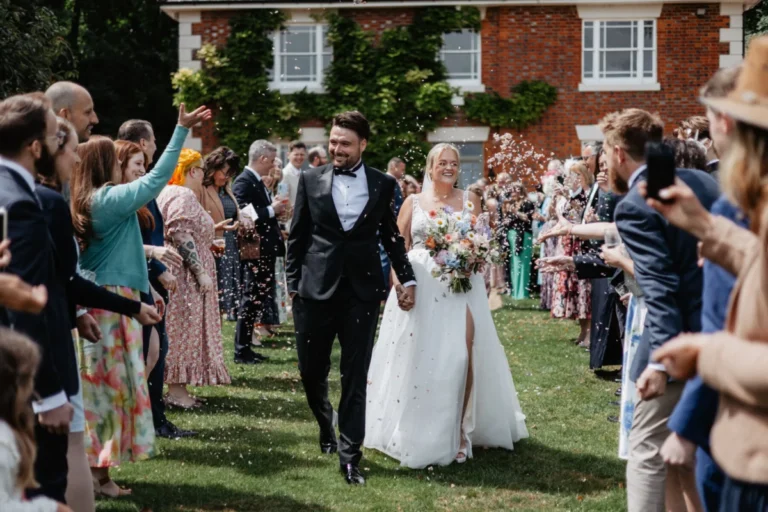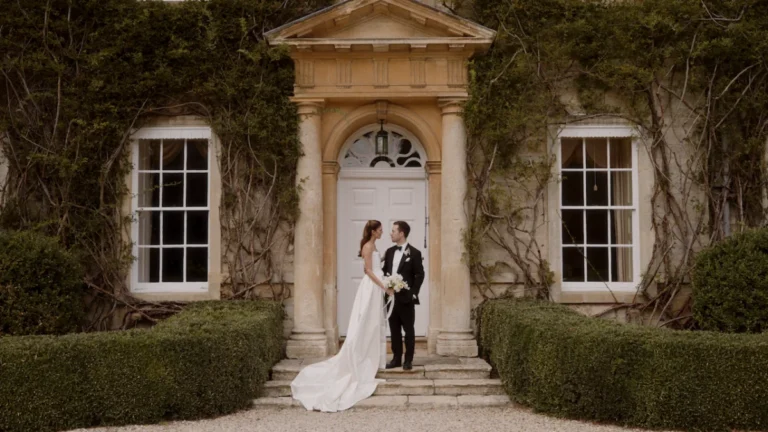







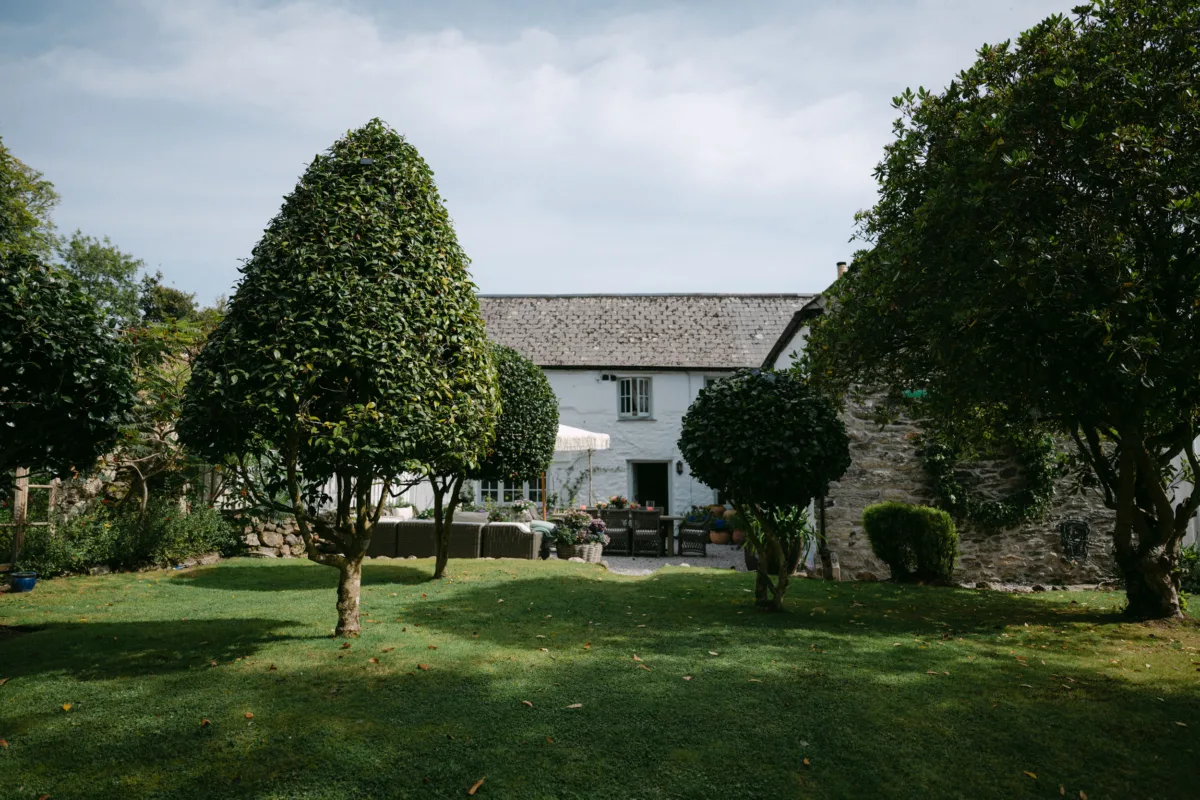
On September 5, the Cornish estate of Roscarrock Farm served as the backdrop for the wedding of Georgia and Tom, an event that industry observers cite as a prime example of the "nostalgia trend" currently reshaping the United Kingdom’s multi-billion-pound wedding sector. The ceremony, held at the bride’s parental home near Falmouth, was intentionally designed to mirror the traditional British celebrations of previous generations, eschewing modern minimalism for a "Four Weddings and a Funeral" aesthetic. This approach, characterized by church services, family tartans, marquee receptions, and vintage transportation, reflects a broader shift among millennial couples toward heritage-focused nuptials.
A Decade-Long Foundation and Regional Ties
The union of Georgia and Tom follows an eleven-year relationship that began at a mutual friend’s 18th birthday party. The couple’s commitment to the Cornwall region was solidified in August 2024 during a proposal at Daymer Bay, near Polzeath—a location with deep-seated familial significance for the groom. The subsequent 13-month engagement culminated in a celebration that leveraged the natural landscape and local industry of the South West.
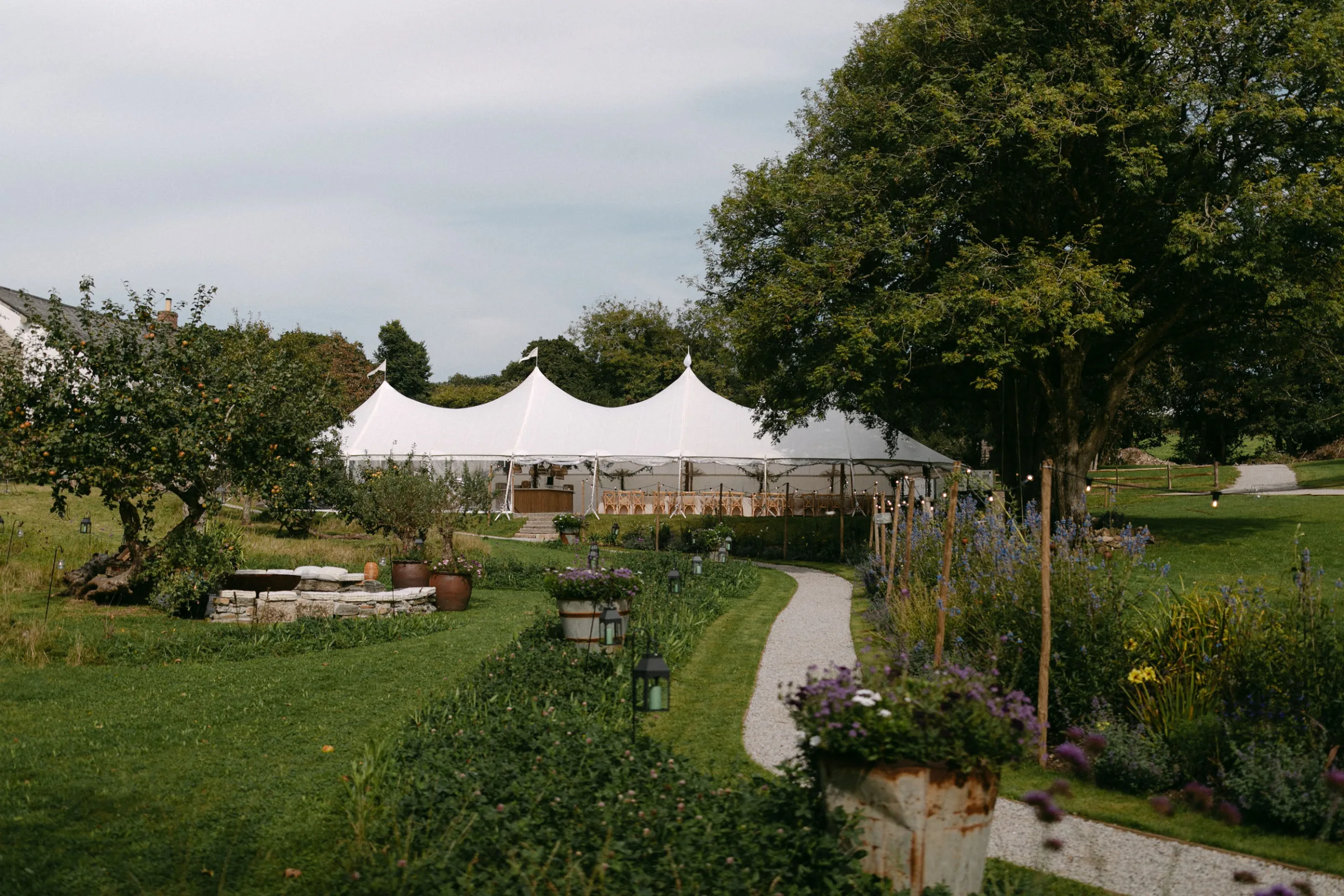
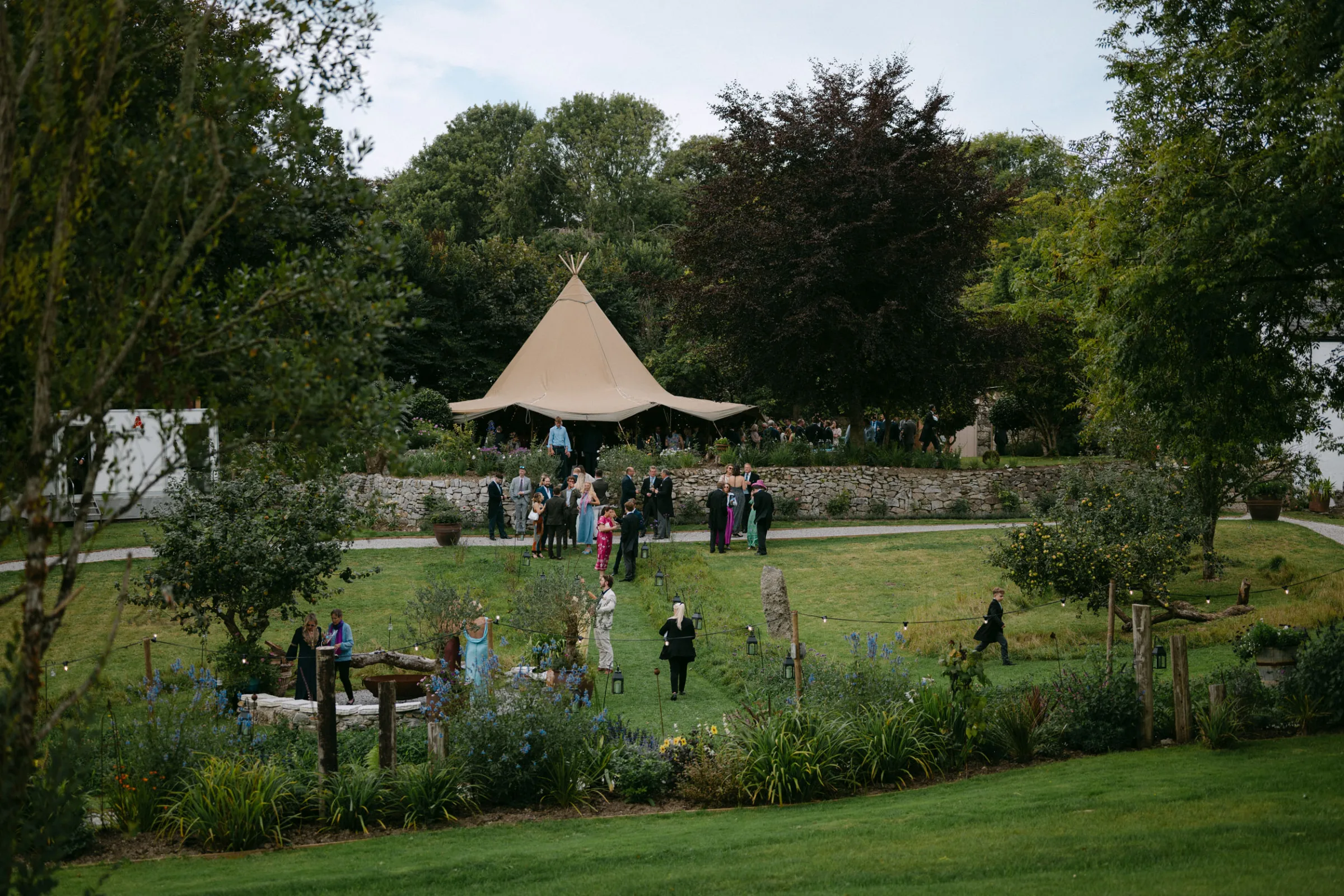
Roscarrock Farm, the venue for the reception, represents a growing preference for private estate weddings in the UK. According to recent market data, "home-based" or private estate marquee weddings have seen a resurgence as couples seek greater autonomy over catering and decor while maintaining a sense of familial intimacy. The farm’s proximity to Falmouth allowed the couple to integrate local landmarks and logistical services into the day’s itinerary.
Architectural Bridal Fashion and Aesthetic Inspiration
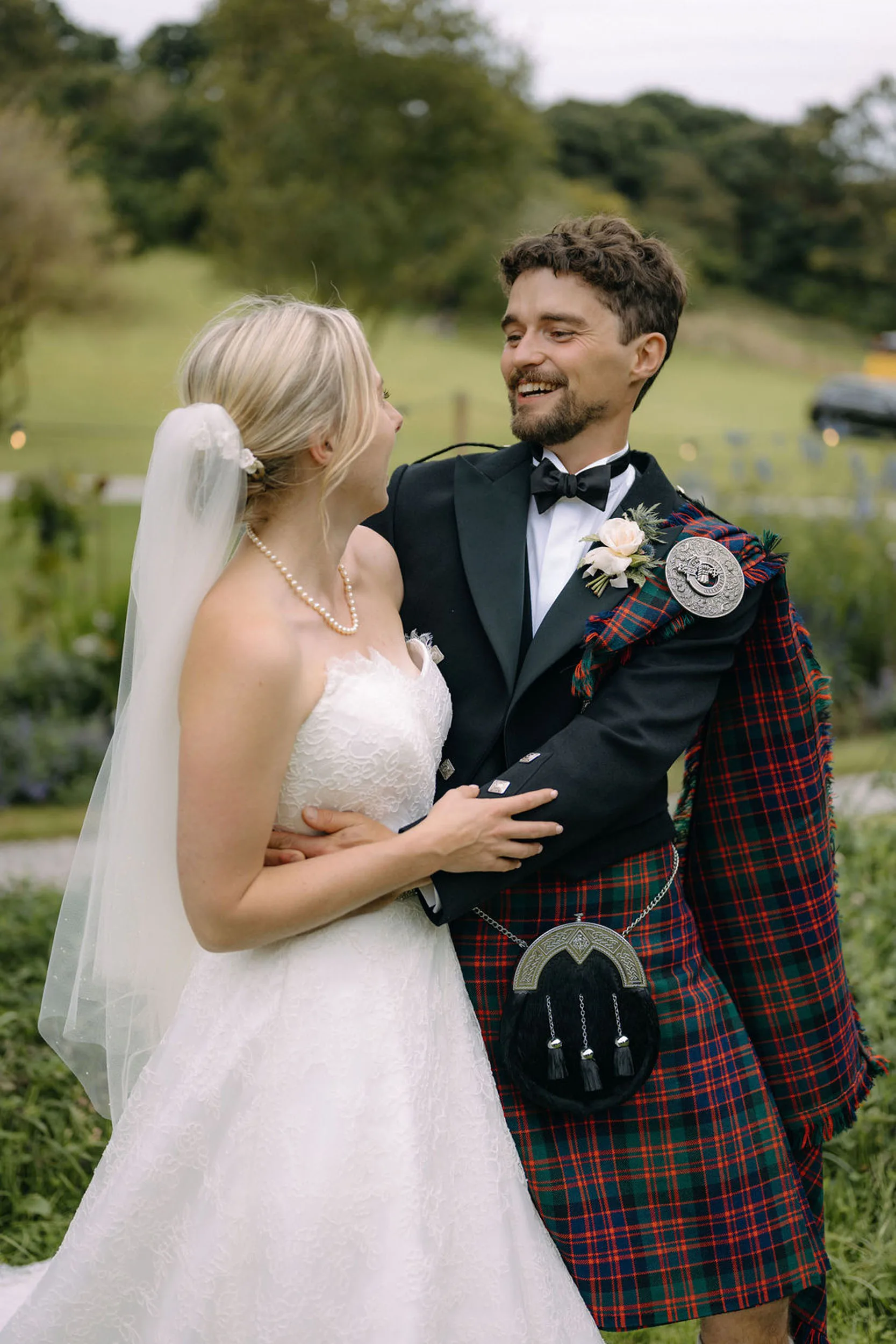
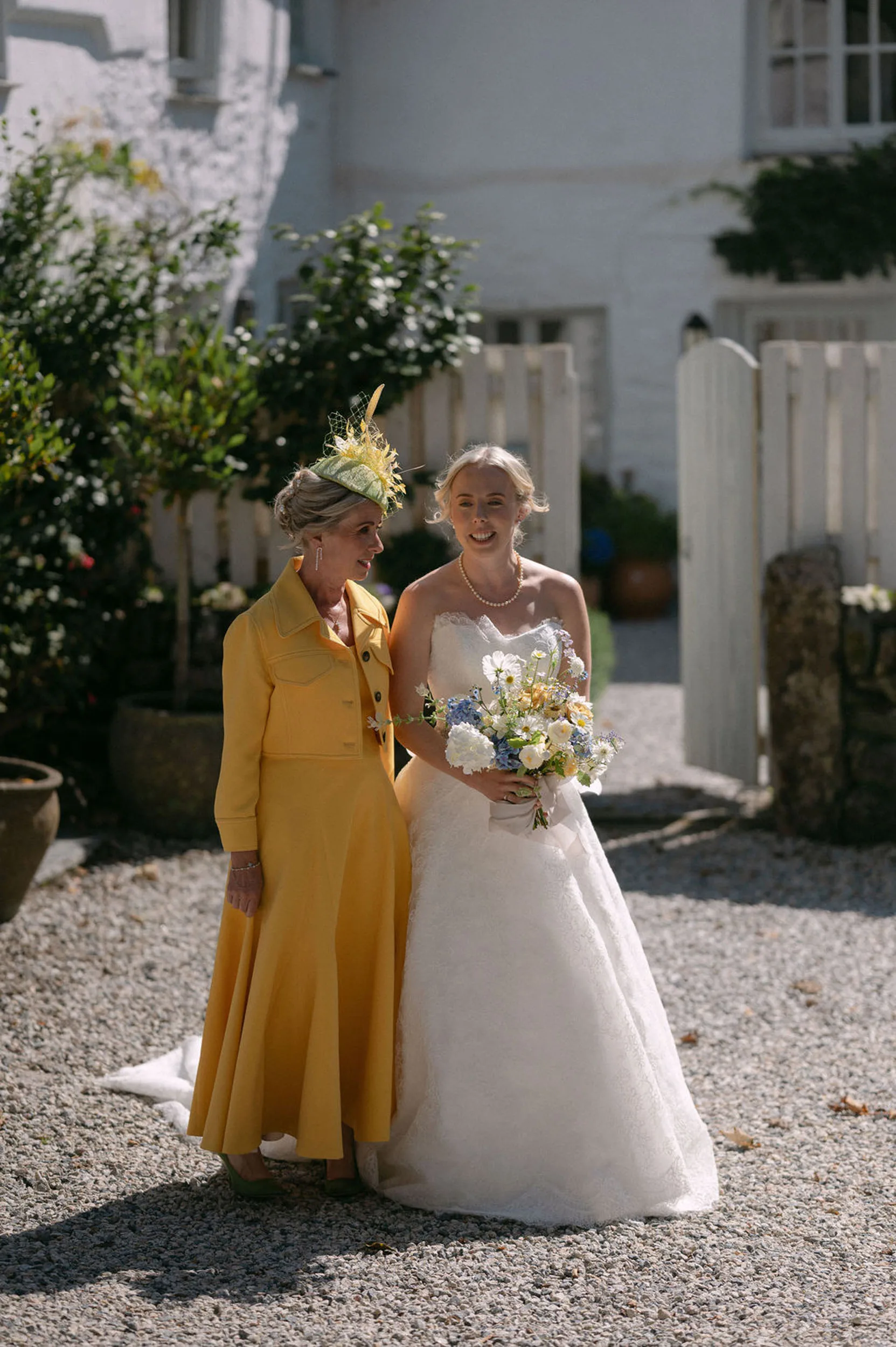
The bridal attire served as a focal point for the event’s traditional theme. Georgia wore the ‘Hydrangea’ gown by Suzanne Neville, a designer widely recognized for structured bodices and classic British silhouettes. Neville’s work is frequently cited in bridal couture for its "architectural" approach to lace and silk, aligning with the "quiet luxury" trend that has dominated the 2024-2025 fashion seasons.
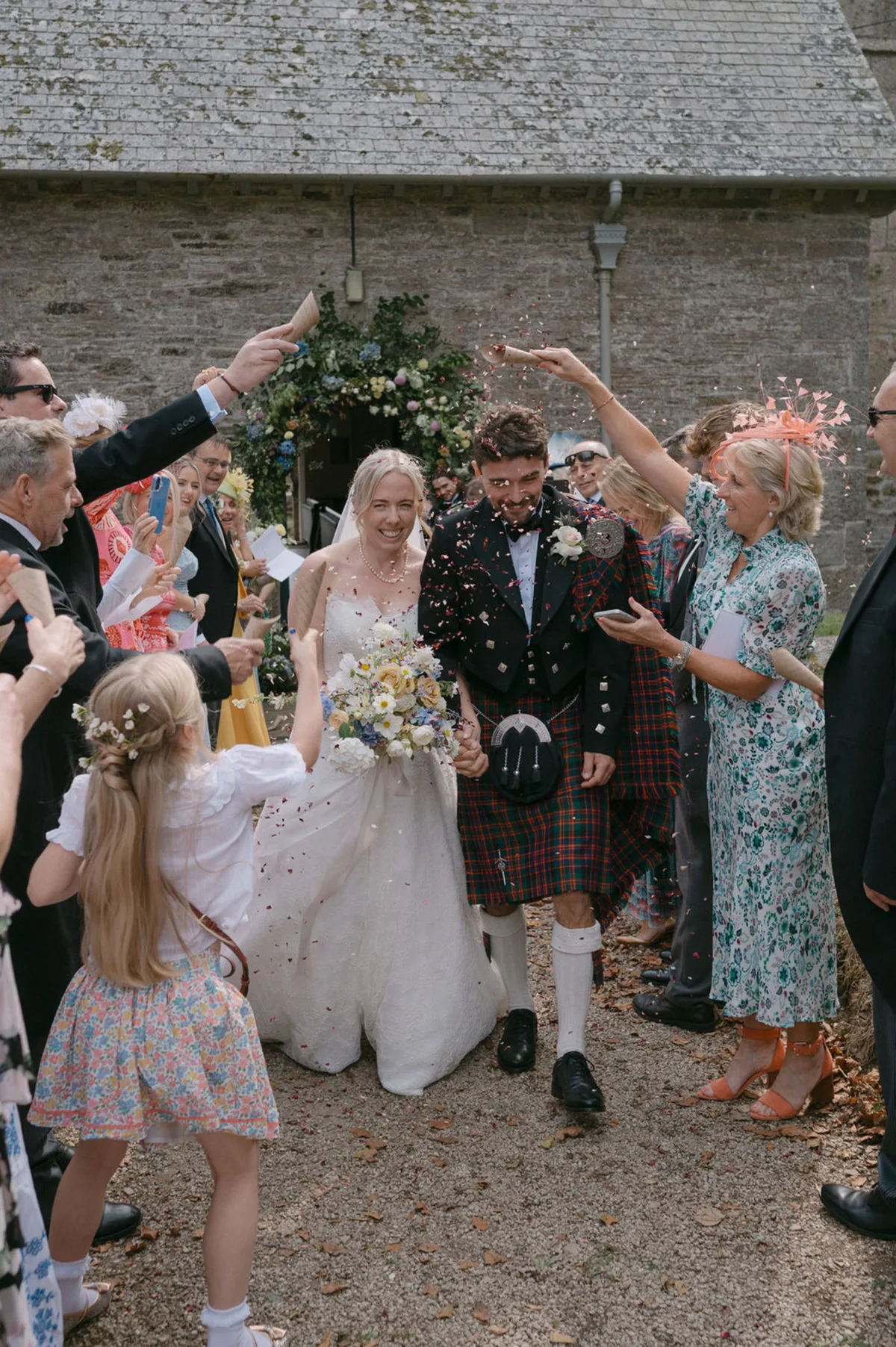
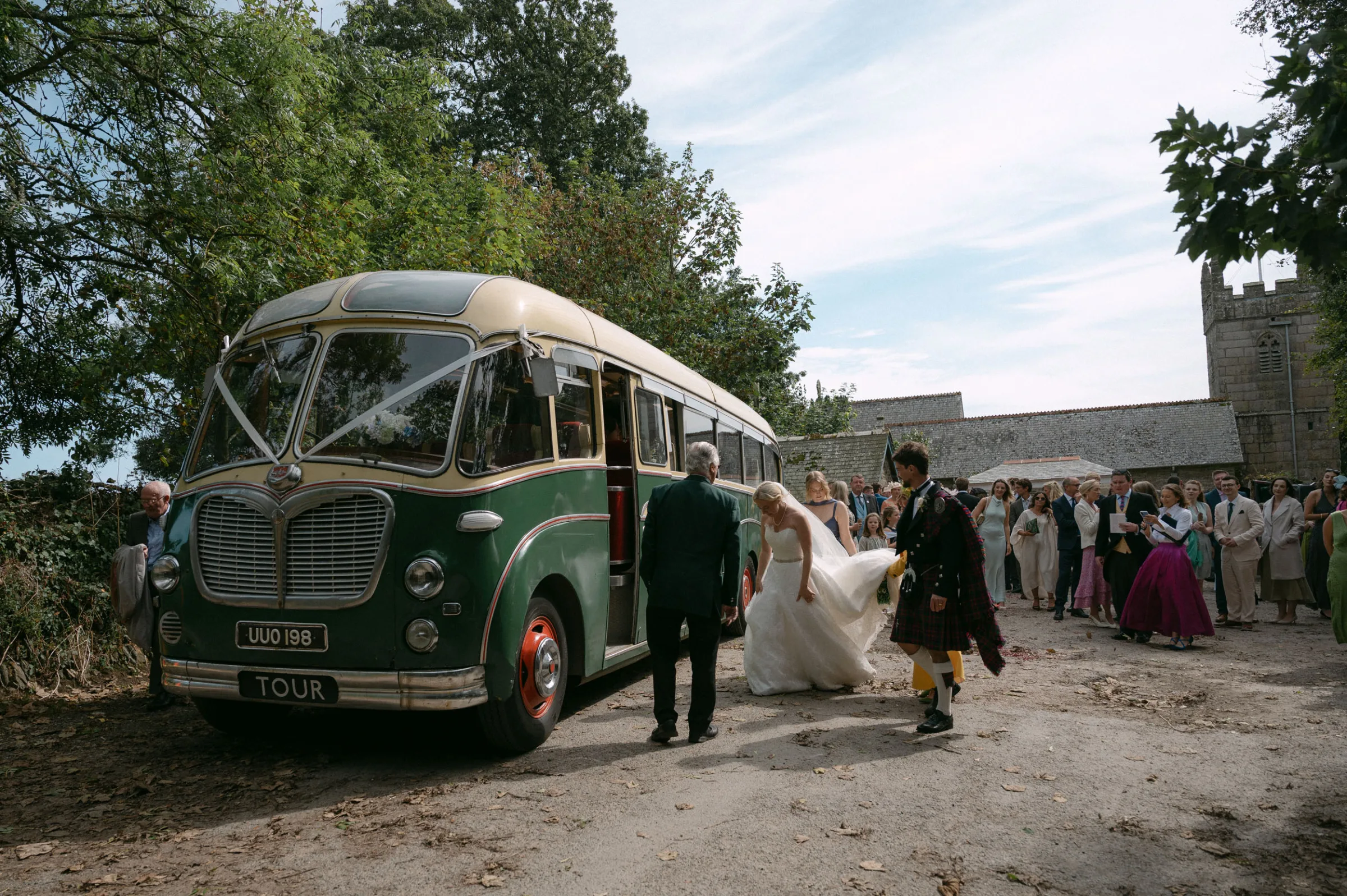
Complementing the gown were pale blue velvet heels, a choice reportedly inspired by the high-profile wedding of the Duchess of Westminster earlier in the year. This intersection of celebrity influence and traditional styling is a noted phenomenon in the bridal market, where royal and aristocratic precedents continue to dictate footwear and accessory trends. The groom’s party further emphasized heritage through the use of family tartans, with Tom and his three brothers wearing kilts sourced from MacGregor and MacDuff, while additional groomsmen wore morning suits from Moss Bros.
Horticultural Design and the Cornish Landscape
The floral arrangements, executed by Miranda Hackett Flowers, were designed to be an extension of the Cornish environment. The palette consisted of soft blues and yellows, utilizing seasonal flora such as hydrangeas, dahlias, and homegrown roses. Hackett’s design philosophy for the event focused on "impactful traditionalism," featuring a substantial floral arch at the church entrance and large-scale urn arrangements at the altar.
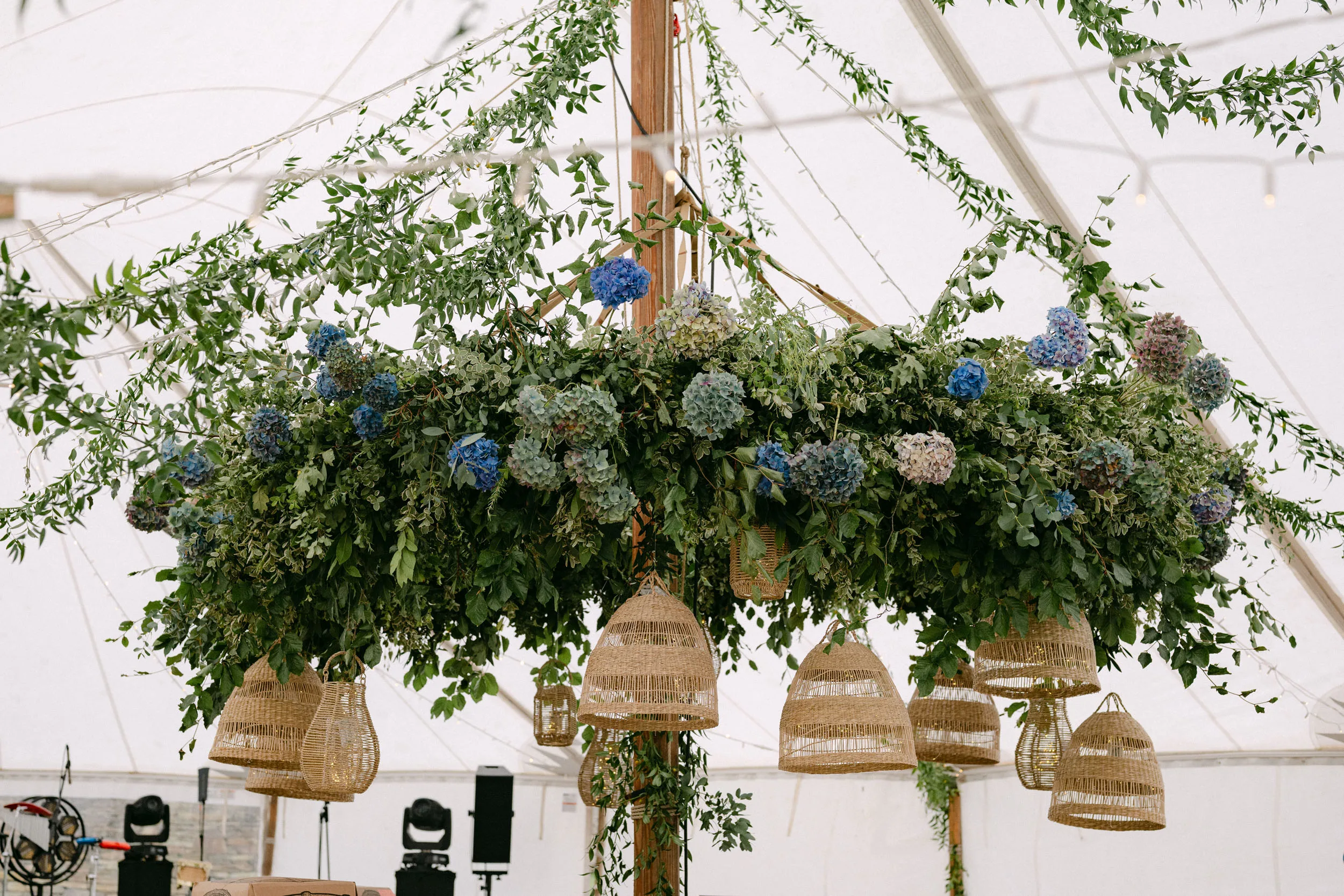
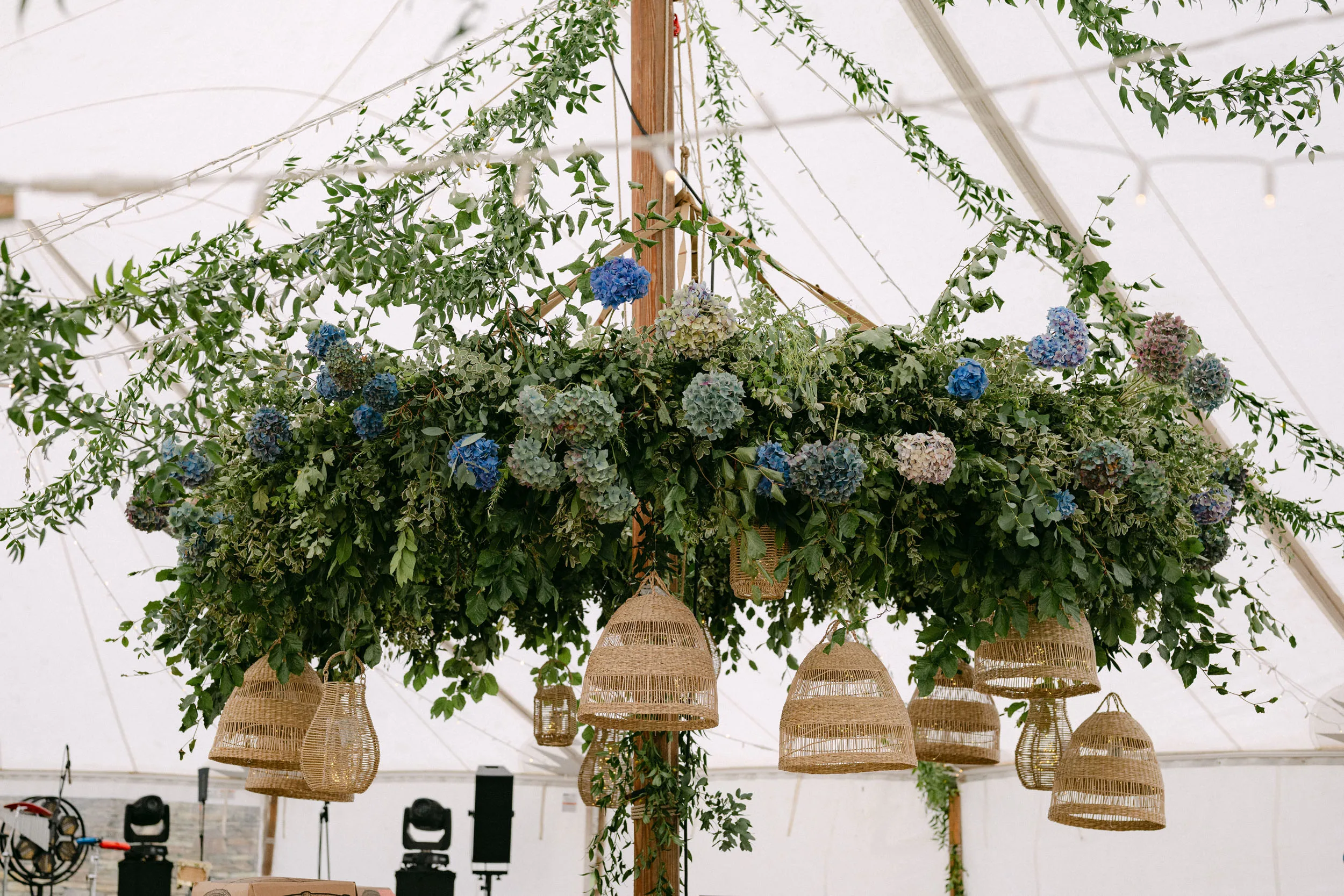
The use of dahlias held particular personal significance for the groom’s family, who are established growers of the species. This level of personalization in horticulture—integrating family hobbies into the floral brief—is a growing trend in bespoke wedding planning. Furthermore, the marquee decor utilized draped greenery and fairy lights to create a "sparkle" effect, a requirement that necessitated the DIY construction of 30 repurposed lampshade frames to provide a whimsical evening glow along the venue’s pathways.
The Ecclesiastical Ceremony and Musical Integration
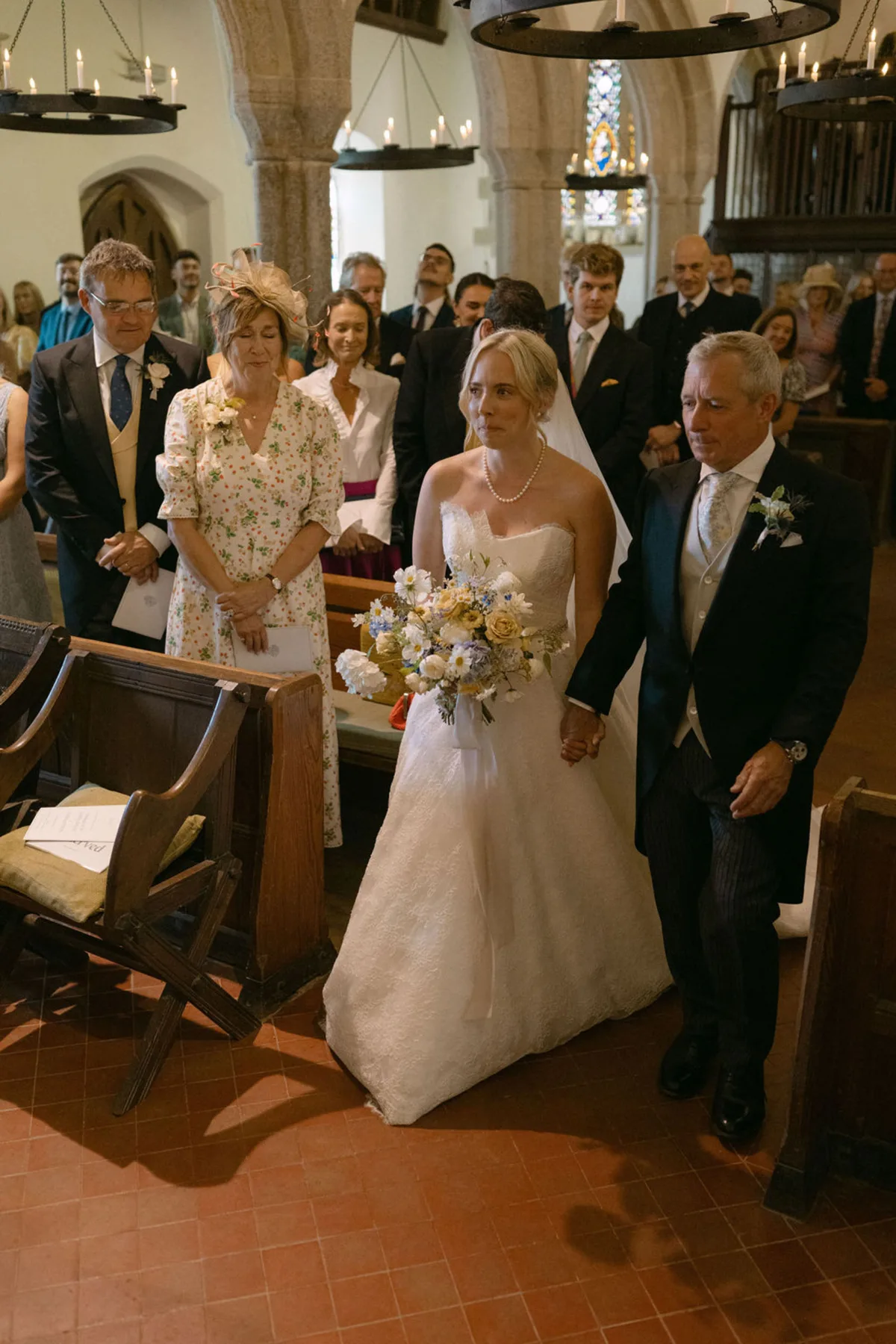
The religious ceremony took place at St Mawnan and St Stephen’s Church, led by a local reverend who tailored the service to be "personal and light-hearted." The liturgy included three distinct readings: a traditional Bible passage, the Apache Wedding Blessing (a continuation of a family tradition from the groom’s uncle’s wedding), and a contemporary piece titled "Here’s to Right Now" by Ms Moem.
Musical accompaniment was provided by the Urban Soul Orchestra, a group known for blending classical arrangements with contemporary repertoire. The "Bridgerton effect"—a term used by planners to describe the popularity of modern pop songs performed by string quartets—was evident in the ceremony. The couple exited the church to a live rendition of "It Must Be Love" by Madness. Notably, the ensemble performed "Cornwall My Home," a popular Cornish shanty, during the signing of the registry, reinforcing the event’s regional identity.
Logistics, Catering, and Regional Economic Impact
Logistical operations were managed using "Hughy," a vintage green bus provided by King Harry Coaches. This choice of transportation addressed both the aesthetic requirements of a "traditional" wedding and the practical challenges of navigating Cornwall’s narrow rural lanes.
Catering was overseen by Kate Pennell, whose menu emphasized local produce and crowd-pleasing staples. The culinary program included:
- A formal dinner featuring a beef main course.
- A "cheese tower" in lieu of a traditional sponge cake, which served as a late-night snack.
- Midnight Cornish pasties, a staple of regional identity.
- A "hangover paella" served the following day for guests remaining on the estate.
The decision to utilize a cheese tower reflects a broader diversification in the UK wedding cake market, which is currently valued at approximately £300 million. Savory alternatives have gained traction among couples looking to reduce food waste and provide late-evening sustenance for guests.
Entertainment and Evening Program
The transition from the formal wedding breakfast to the evening celebration was marked by a shift in the Urban Soul Orchestra’s performance, moving from a "chill-out" set during the drinks reception to a high-energy DJ-live hybrid set. The first dance was performed to Frankie Valli’s "Can’t Take My Eyes Off You."
The evening concluded with an impromptu performance of Frank Sinatra’s "My Way," during which the groom and bride were hoisted onto the shoulders of guests—a moment described by attendees as a "rockstar-style" finale. This blend of formal structure and spontaneous high-energy celebration is a hallmark of contemporary British wedding culture, where the "party atmosphere" is prioritized alongside ceremonial tradition.
Retrospective Analysis and Planning Implications
In a post-event reflection, the couple highlighted the importance of "protecting energy" during the planning process. The wedding industry has recently seen an increase in "wedding burnout," leading many couples to delegate tasks or simplify certain aspects of the day. Georgia advised future couples to accept help and to remain steadfast in their original vision despite external pressures or expectations from guests.
The social demands of a multi-day wedding in a destination like Cornwall were also noted. With family arriving days in advance, the couple suggested that future hosts should more strictly structure the lead-up to the event to allow for "quiet time" and recovery before the main ceremony.
Broader Context: The Cornwall Wedding Economy
The success of Georgia and Tom’s wedding underscores Cornwall’s status as a premier destination for "homegrown" luxury weddings. The South West of England remains one of the most popular regions for nuptials outside of London, contributing significantly to local hospitality and service sectors. The reliance on local printers for stationery (designed by Marina Silva), regional jewelers (Mortimers in Exeter), and Cornish caterers demonstrates the symbiotic relationship between high-end weddings and small-business ecosystems.
As the industry moves into the 2026 season, the "Georgia and Tom" model—traditional, regionally grounded, and family-centric—is expected to remain a dominant template for couples seeking a timeless aesthetic in an increasingly digital and trend-driven world. The integration of sentimental heirlooms, such as the use of a jeweler (Mortimers) that the groom’s family has patronized for generations, further reinforces the value of continuity and tradition in modern British society.