







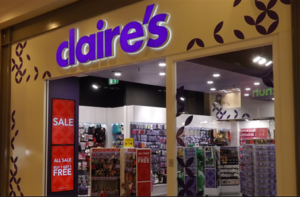
The iconic youth accessories retailer, Claire’s, is poised for a significant re-entry into the United Kingdom’s high street landscape, with plans to open approximately 50 new stores beginning in June 2026. This strategic move signals a determined effort by the brand, previously described as a “collapsed accessories retailer,” to reclaim its prominent position within the competitive UK retail sector. The announcement, initially reported on May 1, 2026, marks a pivotal moment for both the brand and the evolving British high street, reflecting a renewed confidence in physical retail spaces despite persistent economic headwinds and the ongoing shift towards digital commerce. The planned expansion represents a substantial investment and a clear statement of intent, indicating a revitalized business model and a refreshed approach to engaging its core demographic of young consumers.
A Storied History: Claire’s Journey and Prior Challenges
Claire’s, founded in 1961, has long been a ubiquitous presence in shopping centres and high streets globally, renowned for its diverse range of jewellery, accessories, and its distinctive ear-piercing services. For decades, it served as a rite of passage for countless young girls and teenagers, solidifying its place as a cultural touchstone in youth fashion. Its international expansion saw the brand establish a formidable footprint across Europe, including a significant presence in the UK.
However, the late 2010s presented unprecedented challenges for the retailer. Like many traditional brick-and-mortar chains, Claire’s grappled with the seismic shifts in consumer behaviour, the rapid ascent of e-commerce, and intense competition from fast-fashion giants and online-only disruptors. The brand’s business model, heavily reliant on mall traffic and impulse purchases, found itself under pressure as footfall declined and younger consumers increasingly turned to digital platforms for their fashion and accessory needs.
Globally, Claire’s Stores Inc. filed for Chapter 11 bankruptcy protection in the United States in March 2018, burdened by substantial debt accumulated under private equity ownership. While its European operations, including the UK arm, largely operated under separate legal entities and were not directly included in the US Chapter 11 proceedings, the overall financial health and strategic direction of the global brand inevitably impacted its presence across various markets. In the UK, this period was characterized by a significant scaling back of its physical footprint, with numerous store closures and a diminished presence in key retail locations. While not a formal UK administration in the same vein as its US counterpart, this strategic retreat and reduction in market visibility led to the perception of a "collapsed" entity on the British high street, leaving a void for many nostalgic consumers and presenting a challenge for the brand to maintain its relevance amidst a rapidly changing retail landscape. The brand pivoted towards maintaining a smaller core of standalone stores, focusing on concessions within larger retailers, and bolstering its online offering to sustain its UK operations through this turbulent period.
The UK Retail Landscape: A Shifting Terrain
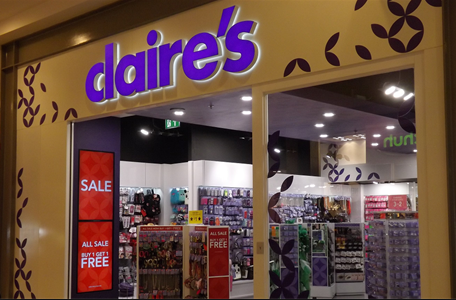
Claire’s planned return comes at a fascinating juncture for the UK retail sector. The high street has endured a tumultuous decade, marked by successive economic downturns, the exponential growth of online shopping, and the unprecedented disruption of the COVID-19 pandemic. According to recent data from the British Retail Consortium (BRC), high street footfall, while showing signs of recovery, remains below pre-pandemic levels, with an average decline of 5-10% compared to 2019. Vacancy rates across UK shopping centres and high streets have consistently hovered around 13-15% in the preceding years, presenting both a challenge and an opportunity for retailers looking to secure prime locations at more favourable terms.
Despite these challenges, there is a discernible trend towards the resurgence of physical retail, albeit in a more evolved and experiential form. Consumers, particularly younger demographics, are increasingly seeking immersive shopping experiences that offer more than just transactional exchanges. This shift has led to a focus on "retailtainment," where stores serve as hubs for social interaction, brand engagement, and unique services – an area where Claire’s, with its ear-piercing service, historically excelled. The UK retail market for jewellery and accessories, while fragmented, is estimated to be worth approximately £6-7 billion annually, with a significant segment dedicated to the youth market. Data suggests that Gen Z consumers, despite being digital natives, still value physical retail for discovery, socialisation, and instant gratification, spending an average of £30-£50 monthly on non-essential fashion items and accessories. This demographic, often influenced by social media trends, seeks novelty and personalization, making a physical presence crucial for immediate product access and brand interaction.
Strategic Re-entry: A New Chapter for Claire’s
The decision to launch 50 new stores signifies a confident, strategic re-entry for Claire’s into the UK market. This is not merely a nostalgic revival but a calculated move based on a re-evaluated business model and a deeper understanding of the contemporary consumer. Industry analysts suggest that Claire’s global restructuring post-2018 provided an opportunity to shed unsustainable debt, streamline operations, and invest in modernizing its brand image and omnichannel capabilities.
Sources close to the brand indicate that the new stores will likely adopt a more contemporary design aesthetic, moving away from the often cluttered and brightly lit interiors of the past. The focus is expected to be on creating a brighter, more inviting, and digitally integrated shopping environment. This could include interactive displays, enhanced digital signage, and perhaps even in-store events or workshops tailored to its young demographic. The core offering of fashion jewellery, hair accessories, and novelty items will remain, but with a renewed emphasis on current trends, quality, and a more curated selection. Critically, the ear-piercing service, a cornerstone of Claire’s brand identity, is expected to be a central feature, leveraging its experiential appeal and high-margin potential to drive footfall and create memorable customer interactions. The brand’s renewed strategy is also likely to involve a seamless integration between its physical stores and its burgeoning e-commerce platform, allowing for click-and-collect services, in-store returns for online purchases, and personalized recommendations based on online browsing history.
Projected Impact and Market Reactions
The announcement has garnered significant attention across the retail industry, with various stakeholders weighing in on its potential implications.
Industry Analyst Perspectives:
Dr. Eleanor Vance, a leading retail analyst at Capital Market Insights, commented, "Claire’s return is a testament to the enduring power of brand recognition and the strategic importance of physical presence, even in a digital age. The key for Claire’s will be to strike a delicate balance between leveraging its strong nostalgia factor for older millennials and successfully capturing the attention of Gen Z and Gen Alpha consumers who have a vast array of choices. Their success will hinge on product relevance, competitive pricing, and, crucially, an exceptional in-store experience that justifies the visit." She further noted, "The choice of 50 stores suggests a controlled, yet ambitious, expansion, allowing them to test new formats and market responsiveness without over-committing too quickly."
High Street Stakeholder Views:
Property groups and high street advocates have largely welcomed the news. Helen Davies, spokesperson for the UK Retailers’ Association, stated, "This is incredibly positive news for the UK high street. Claire’s is a brand that resonates with generations of shoppers, and its return with such a significant number of new stores will undoubtedly boost footfall, create employment opportunities, and fill vacant units. It signals a renewed confidence in the viability of physical retail and demonstrates that brands are adapting to create compelling reasons for consumers to visit bricks-and-mortar stores. This kind of investment is vital for the continued revitalisation of our town centres."
Consumer Sentiment:
Initial reactions from consumers across social media platforms have been largely enthusiastic, particularly from those who grew up with the brand. Many expressed excitement about the return of a nostalgic favourite, while others highlighted the convenience of having dedicated accessory stores back on the high street. The ear-piercing service, in particular, was frequently mentioned as a unique selling proposition that could attract new generations.
Operational Considerations and Data-Driven Insights
The rollout of 50 new stores within a relatively short timeframe presents considerable operational challenges, from site selection and lease negotiations to store design, fit-out, and staffing. Claire’s will likely target high-traffic locations in regional shopping centres, key high streets, and potentially retail parks, aiming for a geographic spread that maximizes reach while optimizing logistical efficiency. The average size of these new stores is expected to be more streamlined than older formats, focusing on efficiency and curated product presentation, perhaps ranging from 800 to 1,500 square feet.
The investment required for such an expansion is substantial, encompassing capital expenditure for store build-outs, inventory, marketing, and recruitment. Each new store could represent an investment ranging from £150,000 to £300,000, placing the total investment for this phase in the region of £7.5 million to £15 million, a clear indicator of the brand’s financial backing and long-term commitment.
The strategic emphasis on experiential retail, particularly ear piercing, is supported by market data. Studies show that services offered in-store significantly increase customer dwell time and conversion rates. For instance, customers utilizing in-store services often spend 20-30% more than those solely making product purchases. Furthermore, the youth accessories market is highly trend-driven, necessitating agile supply chains and rapid inventory turnover. Claire’s will need robust data analytics to track trends, manage stock effectively, and minimize waste, a critical learning from its past challenges. Its ability to respond quickly to social media-driven fashion cycles will be paramount.
The success of other ‘comeback’ retailers, such as Toys R Us (re-entering with concessions and smaller formats) or even the discussions around brands like Woolworths, provides a mixed but instructive precedent. While nostalgia can drive initial interest, sustained success requires a fundamentally strong business model that meets contemporary consumer demands.
The Road Ahead: Challenges and Opportunities
Claire’s re-entry is not without its hurdles. The UK retail environment remains fiercely competitive, with a multitude of online players and established high street brands vying for consumer attention. Maintaining price competitiveness, ensuring product relevance, and managing operational costs in an inflationary environment will be ongoing challenges. Furthermore, the brand will need to continuously innovate its offerings and adapt its marketing strategies to appeal to an ever-evolving youth demographic that is highly discerning and brand-aware.
However, the opportunities are equally significant. Claire’s retains a powerful brand recognition, particularly among parents who fondly remember the brand from their own youth and are likely to introduce it to their children. Its unique service offering, especially ear piercing, provides a distinct competitive advantage that online retailers cannot replicate. By embracing an omnichannel strategy, integrating digital and physical experiences, and focusing on creating engaging in-store environments, Claire’s has the potential to carve out a strong and sustainable niche once again. The expansion also signifies a boost for local economies through job creation, offering roles in retail management, sales, and specialized services like ear piercing.
In conclusion, Claire’s planned return to the UK high street with 50 new stores is a bold and highly anticipated move. It reflects a brand that has learned from its past, adapted to the present retail landscape, and is strategically positioning itself for future growth. Its success will not only be a testament to the enduring appeal of the Claire’s brand but also a significant indicator of the ongoing evolution and resilience of the British high street itself. The summer of 2026 is set to mark a vibrant new chapter for this iconic accessories retailer.