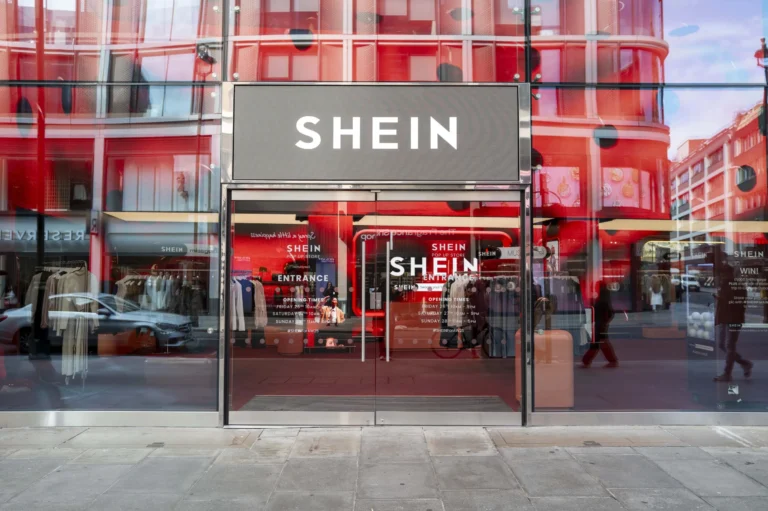










Sales of clothing and footwear surged in March 2026, spearheading a much-anticipated, albeit modest, recovery across the broader UK retail landscape, as a discernible improvement in weather conditions drew consumers back into physical stores, according to the latest comprehensive Retail Sales Index published by the Office for National Statistics (ONS). This upward trend marks a significant shift from the subdued performance observed in preceding months, offering a glimmer of optimism for a sector grappling with persistent economic challenges and evolving consumer behaviours. The ONS data indicates that while the overall retail environment remains complex, the discretionary spending on fashion and footwear categories provided a crucial boost, driven largely by seasonal demand and a psychological uplift from warmer, sunnier days.
The March Rebound: A Closer Look at ONS Data
The ONS report for March 2026 revealed a robust increase in both the value and volume of sales for clothing and footwear stores. Specifically, the volume of sales for this category rose by an estimated 8.5% compared to February 2026, and by 4.2% year-on-year. In monetary terms, the value of sales saw an even more pronounced increase of 9.1% month-on-month, reflecting not only higher purchasing volumes but also potentially a slight firming of prices or a shift towards higher-value items. This performance stands in stark contrast to the broader non-food retail sector, which registered a more modest overall volume increase of 1.5% for the month. Food stores experienced a slight dip, while household goods stores remained largely flat, underscoring the specific strength of the fashion segment. The ONS highlighted that this sector was the primary contributor to the overall 0.8% month-on-month increase in total retail sales volumes across the UK. Online sales, while still a significant component of retail, saw a slight deceleration in growth for clothing and footwear compared to in-store sales, suggesting a renewed preference for the physical shopping experience as weather improved.
A Welcome Shift: Unpacking the "Improved Weather" Factor
The ONS explicitly cited "improved weather" as a pivotal factor in stimulating the March retail rebound, particularly for clothing and footwear. Meteorological data for March 2026 confirms this observation, with the month experiencing average temperatures approximately 2.5 degrees Celsius higher than the preceding February and a notable increase in sunshine hours across most regions of the UK. Following what had been a prolonged period of colder, wetter, and often unpredictable winter weather extending into early spring, the warmer conditions played a multi-faceted role in invigorating consumer activity.
Firstly, the pleasant weather directly encouraged higher footfall in city centres, high streets, and retail parks. Shoppers, previously deterred by inclement conditions, were more inclined to venture out for leisure and shopping expeditions. This increased physical presence in retail spaces naturally translated into higher opportunities for impulse purchases and browsing. Secondly, the shift in weather patterns triggered a direct demand for seasonal apparel. Consumers began to transition their wardrobes from heavy winter wear to lighter spring and summer collections. Sales of lighter jackets, dresses, skirts, sandals, and athletic wear saw a significant uplift as consumers prepared for outdoor activities and warmer days. This seasonal inventory refresh is a critical annual cycle for fashion retailers, and favourable weather accelerates this process. Finally, there is a psychological dimension; warmer, brighter weather often correlates with an uplift in mood and confidence, which can positively influence discretionary spending decisions. This confluence of factors created a conducive environment for the observed sales surge in March.
The Pre-March Landscape: Navigating Economic Headwinds

The positive March figures arrive against a backdrop of considerable economic uncertainty and sustained pressure on household budgets that characterized the latter half of 2025 and early 2026. The UK retail sector had been grappling with a confluence of challenges, including stubbornly high inflation, which peaked in late 2025 before gradually receding, eroding consumer purchasing power. The Bank of England’s consistent interest rate hikes, aimed at curbing inflation, increased borrowing costs for both consumers and businesses, further dampening discretionary spending.
Consumer confidence indices, such as those published by GfK, had remained largely subdued throughout this period, reflecting anxieties over job security, energy bills, and the general cost of living. Retailers, particularly those in the non-essential goods categories like fashion, reported tight margins, increased operational costs, and cautious consumer behaviour leading to reduced average transaction values and fewer shopping trips. The Christmas 2025 trading period, while not disastrous, was generally described as "challenging" by many major retailers, with heavy discounting often required to clear stock. February 2026 saw a continuation of this trend, with overall retail sales volumes either flat or experiencing marginal declines, indicating that consumers were prioritising essential spending over non-essential purchases. This prolonged period of economic strain had led to a cautious outlook across the industry, making the March rebound particularly noteworthy as a potential turning point.
Industry Voices: Cautious Optimism Amidst Lingering Challenges
In response to the ONS findings, various stakeholders from the retail industry and economic analysis community offered their perspectives, largely echoing a sense of cautious optimism.
An ONS spokesperson, commenting on the data, stated, "The strong performance in clothing and footwear stores was the primary driver of the modest retail sales growth in March. While positive, it’s important to view single-month data in the context of broader trends and the continued economic pressures facing consumers and businesses."
Helen Dickinson, Chief Executive of the British Retail Consortium (BRC), while welcoming the news, remarked, "The improved weather undoubtedly played a significant role in encouraging shoppers back into stores, particularly for seasonal fashion items. Retailers had also stocked up on new spring collections, which resonated well with consumers eager for a refresh. However, the underlying economic challenges, including persistent inflationary pressures and high operational costs, have not disappeared. Retailers continue to walk a tightrope, balancing consumer demand with their own rising expenditures."
A spokesperson for the UK Fashion & Textile Association (UKFT) added, "This uplift in March is a testament to the resilience and adaptability of the UK fashion and footwear industry. It highlights the enduring desire for new trends and quality products. While we are pleased with the return to positive growth, the sector remains highly competitive. Investment in innovation, sustainable practices, and engaging customer experiences will be crucial for sustained success."
Economists largely concurred that while the March figures were positive, a degree of caution was warranted. Dr. Anya Sharma, a senior economist at a leading financial institution, observed, "The ONS data suggests that discretionary spending is beginning to thaw, especially in categories like clothing and footwear where seasonal refresh is critical. This could be indicative of consumer confidence gradually returning, or simply a delayed reaction to pent-up demand. The sustainability of this trend will depend heavily on whether inflation continues its downward trajectory and if real wages begin to see more meaningful growth in the coming months." Retailers themselves, speaking anonymously, confirmed increased footfall and strong sales of specific spring ranges such as light knitwear, floral dresses, and trainers, indicating that targeted merchandising and attractive new collections had also contributed to the uplift.
Beyond the Numbers: Implications for the UK Retail Sector
The March 2026 retail sales data carries several broader implications for the UK retail sector. Firstly, it underscores the enduring importance of physical retail. While online shopping has become deeply ingrained, the ability of improved weather to significantly boost in-store footfall and sales highlights that the physical shopping experience remains a vital component of consumer behaviour, especially for categories like fashion where tactile interaction and immediate gratification are valued. Retailers who have invested in enhancing their brick-and-mortar offerings, through improved store layouts, customer service, and experiential elements, are likely to be better positioned to capitalise on such resurgences.
Secondly, the data reinforces the seasonal nature of fashion retail and the critical timing of inventory management. Retailers who successfully anticipated and stocked appropriate spring/summer collections were able to meet the sudden surge in demand. Conversely, those with outdated or insufficient seasonal stock might have missed out on this opportunity. This necessitates agile supply chains and robust forecasting models to respond to unpredictable shifts in weather and consumer sentiment.
Thirdly, the focus on clothing and footwear suggests that consumers, while still budget-conscious, are willing to spend on items that offer a tangible lifestyle improvement or refresh, particularly after a period of restraint. This could indicate a gradual shift from purely essential spending towards a more balanced approach that includes discretionary purchases, provided the economic environment continues to stabilise.
Looking Ahead: Sustaining Momentum in a Volatile Market
While the March rebound offers a much-needed boost, the path ahead for UK retail, and particularly for the clothing and footwear sector, remains fraught with challenges. The sustainability of this positive momentum hinges on several key factors. Continued moderation of inflation and stable interest rates will be crucial to fostering sustained consumer confidence and increasing disposable income. Wage growth that outpaces inflation will be essential for consumers to feel genuinely better off and more inclined to spend on non-essentials.
Retailers will need to continue adapting their strategies to maintain this positive trajectory. This includes a relentless focus on value, whether through competitive pricing or perceived quality; continued innovation in product offerings; and seamless omnichannel experiences that integrate online and offline shopping. Sustainability concerns also continue to influence purchasing decisions, and brands that effectively communicate their ethical and environmental credentials are likely to resonate more strongly with consumers.
The political and economic landscape also presents potential headwinds. Geopolitical events, global supply chain disruptions, and any shifts in government policy could quickly alter consumer sentiment and spending patterns. Therefore, while March 2026 provided a welcome ray of sunshine for the UK’s clothing and footwear retailers, the industry remains poised for a period of ongoing adaptation and strategic navigation to convert this seasonal uplift into long-term, robust growth. The ONS will continue to monitor these trends closely, with subsequent reports offering further insights into the resilience and recovery trajectory of the UK’s vital retail sector.