










The global fashion and beauty sectors are navigating a complex landscape marked by geopolitical instability, intense ethical debates, and a pressing need for sustainable innovation. From controversial high-fashion collaborations to critical supply chain disruptions and burgeoning regulatory oversight, recent developments underscore a period of profound transition and increased accountability across the industry. This month’s roundup reveals a dynamic interplay of challenges and progress, spotlighting key shifts in production, consumer behaviour, and corporate responsibility.
Zara x John Galliano: A "Power Move" Stirring Controversy
The recent announcement of a collaboration between fast fashion behemoth Zara and acclaimed, albeit controversial, designer John Galliano has ignited a fervent debate within the fashion industry. The partnership, which promises to see Zara "reinvent" Galliano’s "archive," has been widely interpreted as a strategic "power move" by Inditex, Zara’s parent company. Industry analysts, including Anna Roos van Wijngaarden of FashionUnited, have highlighted the complex reputational implications for both parties.
The skepticism surrounding Zara’s claim to an "archive" stems from the brand’s long-standing reputation for rapidly replicating designs from luxury labels and smaller independent designers, often without direct attribution or licensing. Critics argue that a brand built on trend-replication fundamentally lacks the historical design legacy typically associated with an "archive." This perspective frames the collaboration as a calculated attempt by Zara to elevate its brand perception and inject a dose of high-fashion credibility into its fast-paced model. Inditex, one of the world’s largest fashion retailers with a market capitalization exceeding €100 billion, possesses immense financial power and global reach, allowing it to pursue high-profile ventures that smaller brands cannot.
For John Galliano, the collaboration presents a complicated pathway. Once considered one of the most brilliant designers of his generation, his career suffered a severe blow in 2011 following a public antisemitic outburst, leading to his dismissal from Christian Dior and his eponymous label. While he has since made a partial return to the fashion world, notably as creative director of Maison Margiela, this partnership with Zara marks his most mainstream and commercially expansive venture since his disgrace. Some see it as a significant step towards full reputational rehabilitation, offering him an unprecedented platform to reach a mass market audience. Others view it as a problematic alliance, questioning whether a fast-fashion giant, often criticized for its environmental and labor practices, is an appropriate partner for a designer seeking redemption, or if it merely commodifies high fashion further. The collaboration blurs the lines between luxury and mass-market fashion, forcing a re-evaluation of ethical considerations in creative partnerships and the industry’s willingness to forgive and reintegrate controversial figures. The long-term impact on consumer perception and sales for both Zara and Galliano will be closely watched.
Geopolitical Headwinds and Supply Chain Vulnerability in the Strait of Hormuz
The escalating geopolitical tensions in the Middle East, particularly the ongoing conflict involving US-Israel attacks on Iran, are casting a long shadow over global supply chains, with profound implications for garment and textile workers. The Business and Human Rights Centre has sounded the alarm, tracking the multifaceted impacts of predicted disruptions, particularly those stemming from potential closure or severe impediment of the Strait of Hormuz.
The Strait of Hormuz, a narrow waterway connecting the Persian Gulf with the Arabian Sea and the open ocean, is one of the world’s most critical chokepoints for oil and gas shipments, but also for general cargo. Approximately 20% of the world’s total petroleum consumption and a significant portion of global trade pass through this strategic passage. Any major disruption here would not only trigger a global energy crisis but also severely impact maritime shipping routes, which are already under strain due to the Red Sea attacks by Houthi rebels forcing vessels to reroute around the Cape of Good Hope. These diversions add thousands of miles and weeks to transit times, inflating shipping costs by an estimated 200-300% for some routes and dramatically increasing insurance premiums.
For the garment industry, which relies heavily on intricate global supply chains for raw materials, manufacturing, and distribution, the consequences are dire. The Business and Human Rights Centre notes that shipment delays due to the Strait of Hormuz situation are leading to "fears of factory closures, unpaid wages, and the ‘burden of the additional cost’ that may be placed on suppliers and workers." Factories in major garment-producing nations across Asia often operate on tight margins and just-in-time delivery models. Delays in receiving essential raw materials like fabrics, dyes, and accessories can halt production, leading to idle workers and missed deadlines. Conversely, delays in shipping finished goods can result in cancelled orders or punitive penalties from buyers. These pressures frequently translate into withheld wages, reduced working hours, or even permanent factory closures, pushing already vulnerable workers into deeper poverty. Data from organizations like the International Labour Organization (ILO) consistently highlight the precarious nature of garment factory employment, where sudden disruptions can have catastrophic effects on workers’ livelihoods. The predicted disruptions underscore the urgent need for greater supply chain resilience and ethical sourcing practices that prioritize worker welfare over cost-cutting.
SHEIN’s "Xcelerator" and the Ultra-Fast Fashion Paradox
Ultra-fast fashion giant SHEIN, renowned for its hyper-responsive "on-demand" manufacturing model, is venturing into a new territory by opening its formidable supply chain infrastructure to other brands through its "Xcelerator" service. Shayeza Walid’s exclusive report in Business of Fashion delves into this unprecedented move, which allows external brands to leverage SHEIN’s sophisticated, agile, and cost-effective manufacturing and logistics network.
SHEIN’s business model is characterized by its ability to rapidly design, produce, and distribute thousands of new styles daily, using real-time demand data to minimize waste and maximize trend responsiveness. This efficiency has propelled the company to a valuation reportedly exceeding $60 billion, making it a dominant force in the global apparel market. For smaller, emerging, or even established brands struggling with traditional supply chain complexities, SHEIN’s offer could be highly appealing, promising faster time-to-market, reduced inventory risks, and potentially lower production costs.
However, Walid’s analysis also highlights the significant reputational risks associated with such an alliance. SHEIN has faced widespread criticism regarding its labor practices, with multiple reports citing allegations of excessive working hours, low wages, and unsafe conditions in its supplier factories. Furthermore, its environmental footprint is immense, contributing significantly to textile waste and carbon emissions due given its rapid production cycles and high volume of disposable fashion. By associating with SHEIN’s supply chain, other brands risk inheriting these ethical and environmental controversies, potentially undermining their own sustainability commitments and alienating ethically-minded consumers. This move could also inadvertently contribute to the further acceleration of the fast fashion system, making it even harder for sustainable alternatives to compete. The "Xcelerator" program presents a stark dilemma for the industry: the undeniable efficiency of ultra-fast fashion versus the critical imperative for responsible and sustainable production.
Re-evaluating "Natural": The Biodegradation Conundrum
The widely held belief that natural fibers inherently biodegrade, making them unequivocally superior to synthetics from an environmental perspective, is being challenged by new research and industry discourse. Following a pivotal report co-authored by Fashion Revolution co-founder Carry Somers, journalist Sophie Benson, writing for Vogue Business, explores the increasingly prevalent question of natural fibers’ persistence in specific environmental conditions.
The term "biodegradation" itself often carries a simplistic connotation, implying that natural materials will effortlessly decompose in any environment. However, Benson’s report underscores that true biodegradation is a complex biological process requiring specific conditions—such as the presence of particular microbes, moisture, oxygen, and temperature—which are often absent in common disposal scenarios like landfills. In oxygen-deprived landfill environments, even natural fibers like cotton, wool, and linen can persist for decades, releasing methane as they slowly break down anaerobically, a potent greenhouse gas. This nuanced understanding contrasts sharply with the often-demonized narrative around synthetic fabrics’ persistence, prompting a more balanced conversation about material lifecycle and disposal.
The implications for the industry are significant. It challenges simplistic "natural is good" marketing claims, urging brands to adopt a more comprehensive approach to material science and end-of-life solutions. This re-evaluation necessitates greater transparency about how products are designed for durability and eventual decomposition, promoting practices like industrial composting or advanced recycling for textiles that might not biodegrade naturally in consumer-level conditions. It also highlights the critical role of consumer education in understanding how to properly dispose of garments, regardless of their fiber composition, to minimize environmental impact. This deeper scrutiny is essential for moving beyond greenwashing and fostering genuinely sustainable textile systems.
Marks & Spencer Embraces "Newness" with Monthly Capsule Programme
In a strategic pivot aimed at enhancing its market competitiveness, iconic British retailer Marks & Spencer has introduced a monthly product drop model, drastically reducing its "time to market." This move, reported by FashionUnited, sees the retail giant implementing a monthly capsule programme designed to shorten the design-to-delivery cycle to a mere two weeks for select ranges.
Historically, M&S has operated on a more traditional seasonal buying and production cycle. However, in an era dominated by fast and ultra-fast fashion retailers that constantly introduce new styles, consumer expectations for "newness" have accelerated. M&S’s initiative is a direct response to this market shift, aiming to offer "more frequent newness and greater trend credibility," according to the company. The adoption of a monthly drop model, while not fully aligning with the daily new arrivals of ultra-fast players like SHEIN, brings M&S closer to the agile, responsive business models that characterize the modern fashion landscape.
While this strategy could revitalize M&S’s appeal to trend-conscious consumers and improve its relevance in a highly competitive market, it also raises questions about its broader sustainability commitments. Increasing the frequency of new collections, even with improved efficiency, can inherently encourage higher consumption rates. M&S, which has made strides in various sustainability initiatives, will need to carefully balance this pursuit of "newness" with its environmental and ethical responsibilities, ensuring that its accelerated production doesn’t compromise labor standards in its supply chain or exacerbate textile waste. The success of this programme will depend on its ability to deliver quality and desirable fashion efficiently while maintaining its brand values.
Innovations and Investments in Sustainable Fashion
Amidst the industry’s challenges, significant advancements are being made in sustainable innovation and investment, particularly in materials and supply chain decarbonisation.
Seaweed Dye Start-up Secures Funding: Scottish dye company SeaDyes has successfully raised £200,000 to scale its pioneering work in developing seaweed-based dyes. As reported by EcoTextile News, this investment underscores the growing recognition of natural, non-toxic alternatives to conventional synthetic dyes, which are often heavily reliant on petrochemicals and contribute significantly to water pollution and chemical runoff in textile manufacturing regions. Seaweed dyes offer a promising pathway to reduce the environmental footprint of textile coloring, providing biodegradable and renewable options that align with circular economy principles. This funding boost will enable SeaDyes to expand its research, production capabilities, and market reach, potentially catalyzing a broader shift towards more sustainable dyeing processes across the industry.
H&M and EY Advocate for Supply Chain Decarbonisation Financing: H&M, in collaboration with EY, has released a new industry whitepaper urging Chief Financial Officers (CFOs) and other industry leaders to prioritize and finance the decarbonisation of fashion supply chains. Published by ESG News, the paper emphasizes the critical need for increased collaboration and investment across the value chain to achieve ambitious climate targets. Crucially, the whitepaper reframes decarbonisation not merely as a "nice to have" sustainability feature, but as a fundamental financial strategy that mitigates climate-related business risks, enhances long-term resilience, and aligns companies with global targets such as those set forth in the Paris Agreement. The fashion industry is a major contributor to global carbon emissions, with estimates suggesting it accounts for 4-10% of global greenhouse gas emissions annually. Achieving net-zero targets requires substantial investment in renewable energy, energy efficiency, and low-carbon technologies throughout the complex, often fragmented, supply chain, making the call for CFO engagement particularly pertinent.
UK Charity Shops Thrive Amidst Secondhand Surge: The secondhand market continues its impressive growth trajectory, and The Guardian reports that this trend is having a notably positive impact on the UK’s bricks-and-mortar charity shops. After years of struggling to compete with digital resale platforms and grappling with an influx of low-value, ultra-fast fashion donations that were difficult to sell, these essential community outlets saw increased profits last year. This resurgence is largely attributed to a growing interest among young fashion fans who are increasingly turning to secondhand options for affordability, unique finds, and sustainability reasons. While experts caution that challenges persist, particularly in managing the volume and quality of donations, the sector is seizing an opportunity to reshape its role, leveraging both physical presence and online strategies to meet evolving consumer demands for circular fashion. The charity retail sector in the UK contributes significantly to charitable causes and diverts millions of tonnes of textiles from landfill annually, making its renewed prosperity a win for both social good and environmental sustainability.
Heightened Scrutiny: Corporate Accountability and Ethical Marketing
The fashion and beauty industries are facing intensified scrutiny over corporate accountability and ethical marketing practices, with recent legal rulings and regulatory investigations underscoring a global push for greater responsibility.
Yves Rocher Held Accountable for Labor Violations in Türkiye: A landmark ruling in France has found cosmetics company Yves Rocher in violation of the country’s Duty of Vigilance law (Loi sur le devoir de vigilance). As reported by Industriall Union, the French court determined that Yves Rocher failed to adequately identify and prevent human rights violations within its global operations, specifically citing labor violations in its Turkish subsidiary. The French Duty of Vigilance law, enacted in 2017, obliges large French companies to establish and implement a vigilance plan to identify and prevent severe human rights abuses and environmental damage across their supply chains. This ruling sets an important precedent, reinforcing the legal obligation for companies to conduct rigorous human rights due diligence and demonstrating that legal frameworks are increasingly holding corporations accountable for the actions of their international subsidiaries and suppliers. It sends a clear message to multinational corporations that they bear responsibility for ensuring ethical labor practices throughout their entire value chain.
Italy Investigates Sephora and Benefit for Marketing to Children: The Italian Competition Authority (AGCM) has launched an investigation into beauty retailers Sephora and Benefit over allegations of prematurely marketing adult cosmetics and skincare products to children. Reuters reports that the regulator’s probe focuses on the use of very young micro-influencers on social media platforms to promote these products, a practice deemed to contribute to "compulsive purchasing of face masks, serums and anti-ageing creams." The AGCM linked these behaviors to "cosmeticorexia"—an unhealthy fixation with skincare among minors. This investigation reflects a growing global concern over the impact of social media marketing on vulnerable younger audiences, particularly concerning beauty standards, mental health, and consumer habits. The proliferation of skincare routines and anti-aging products targeting pre-teens and teenagers, often amplified by influencers, has prompted calls from parents, educators, and health professionals for greater regulation and ethical guidelines in advertising. The Italian probe could lead to significant fines and compel beauty brands and retailers to revise their marketing strategies, particularly concerning age-appropriate product promotion and influencer partnerships. It highlights a critical intersection of consumer protection, digital ethics, and corporate social responsibility in the beauty industry.
"Good" and "Great" News: Brands Leading with Purpose
Beyond the challenges, several highly-rated brands are demonstrating leadership in sustainability and ethical practices, offering inspiring examples of positive change within the industry. These brands, assessed by rigorous ratings systems like Good On You, illustrate that commercial success can align with social and environmental responsibility.
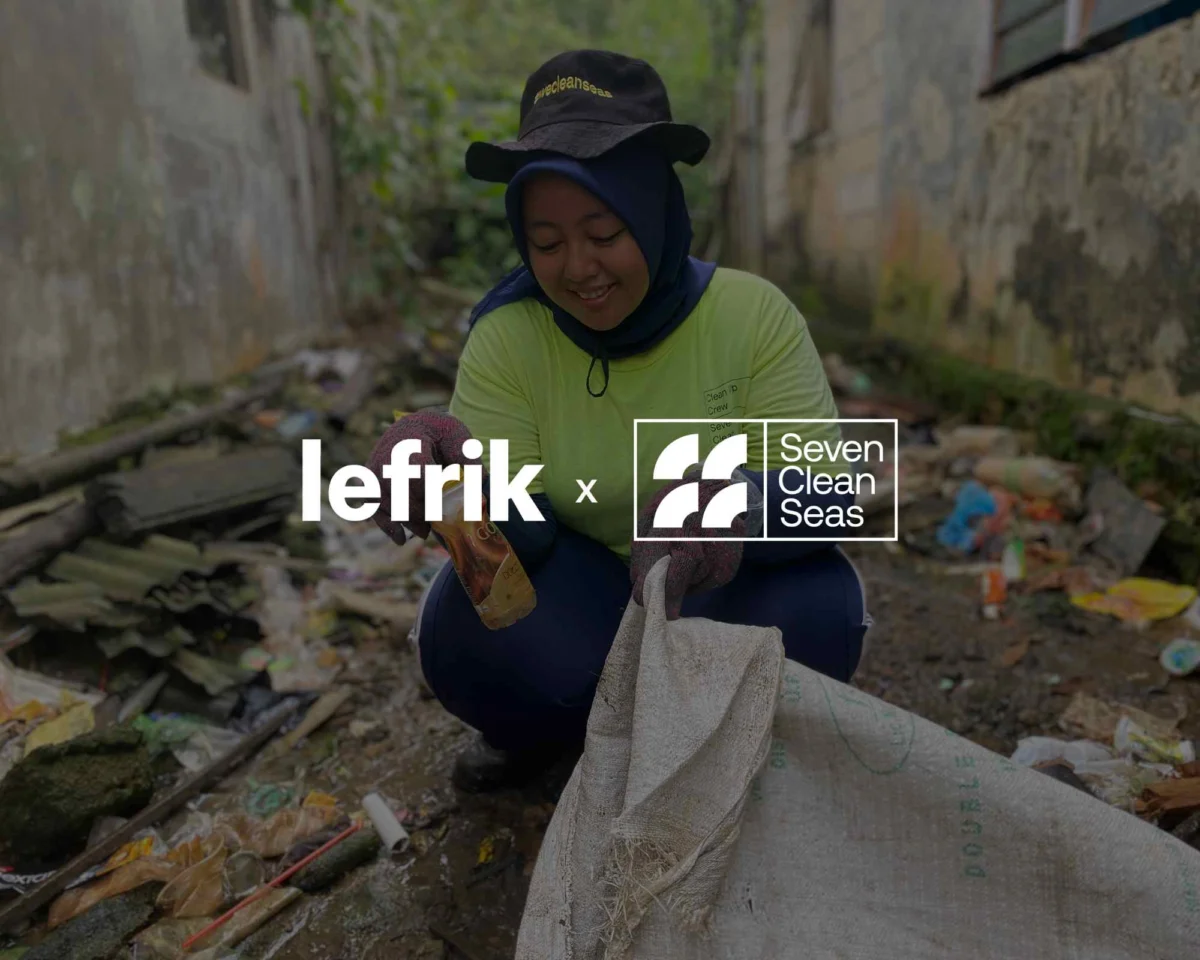
Lefrik Partners with Seven Clean Seas: "Great" rated sustainable bags brand Lefrik has announced a significant charity partnership with Seven Clean Seas, an organization dedicated to building plastic pollution prevention programs. For every Lefrik product sold—many of which are crafted from recycled plastic bottles—the brand will allocate resources to support plastic collection efforts in Indonesia. This initiative directly links Lefrik’s core design principles of using recycled materials with tangible environmental action, embodying a holistic approach to tackling plastic waste from production to impact. This partnership highlights how brands can integrate charitable giving directly into their business model, creating a clear pathway for consumers to contribute to environmental solutions through their purchasing decisions.
DAWN Denim, Shop Like You Give a Damn, and Cotton Diaries Explore Regenerative Cotton: "Great" rated DAWN Denim and the ethical retailer Shop Like You Give a Damn have collaborated with the organization Cotton Diaries on a compelling new podcast episode. This episode delves deep into the often-misunderstood aspects of cotton as a fiber, critically examining common myths and providing insightful discussions on the true meaning and benefits of regenerative cotton farming. Regenerative agriculture practices, which focus on soil health, biodiversity, and carbon sequestration, are increasingly recognized as crucial for mitigating climate change and promoting ecological resilience in textile agriculture. This educational initiative provides valuable insights for both industry professionals and consumers seeking a deeper understanding of sustainable material sourcing.
Kuyichi Celebrates 25 Years of Pioneering Sustainable Denim: "Great" denim brand Kuyichi is commemorating its 25th anniversary with a comprehensive 25-part blog series. The brand, a true pioneer in sustainable fashion, recounts its inspiring journey, stating that "Long before sustainable fashion became a movement, [Kuyichi] was simply a response to a reality we could not accept." This series offers a historical perspective on the evolution of sustainable denim, detailing Kuyichi’s early commitment to organic cotton, fair labor practices, and innovative eco-friendly production methods. It serves as a testament to the brand’s enduring vision and its foundational role in shaping the sustainable fashion landscape, providing valuable lessons and inspiration for new entrants and established players alike.
Triarchy Launches Investment Drive for Sustainable Production: "Great" rated denim brand Triarchy has initiated an investment drive with FrontFundr to secure crucial financial stability for the next 12 months. This funding will be strategically deployed to advance its sustainable production options, including investments in digitally dyed denim and the development of next-generation, lower-impact materials. Triarchy’s commitment to innovation in sustainable manufacturing, such as reducing water and chemical usage through digital dyeing technologies, positions it at the forefront of responsible denim production. This investment drive underscores the ongoing need for financial support to scale sustainable solutions and transition the industry away from conventional, resource-intensive practices.
Armedangels Unveils Wind-Resistant Outerwear with TENCEL Lyocell: "Great" brand Armedangels has launched an innovative line of wind-resistant jackets utilizing TENCEL Lyocell, a lower-impact fiber. Traditionally, technical outerwear achieves qualities like wind and water resistance through treatments with harmful chemicals or plastic coatings. Armedangels, however, explains that "Wind protection comes from the fabric itself, not from an added membrane. The material is permanently compacted using heat and pressure, increasing its density. This process provides up to 97% wind resistance while maintaining breathability." This technological advancement showcases a compelling example of how brands can achieve high-performance attributes in garments using sustainable materials and processes, reducing reliance on environmentally damaging synthetic additives. It represents a significant step forward in developing functional, eco-conscious apparel that doesn’t compromise on performance or sustainability.
These positive developments, from material innovation and circular economy models to enhanced corporate accountability, highlight a bifurcated industry. While significant challenges remain, particularly in geopolitical stability and the ethical foundations of fast fashion, there is clear momentum towards a more responsible, transparent, and sustainable future for fashion and beauty.