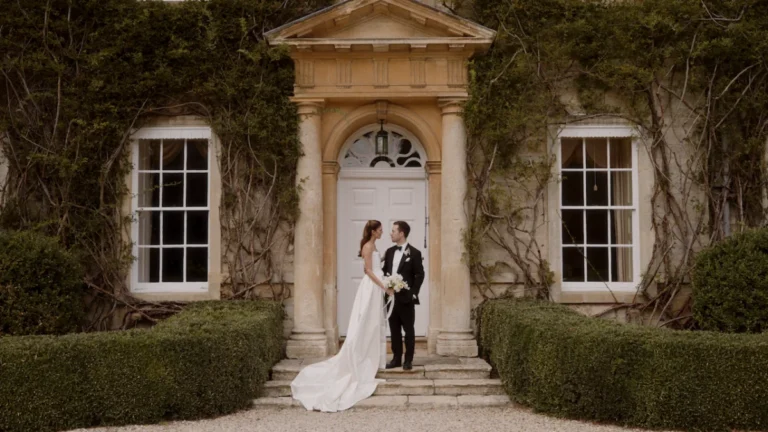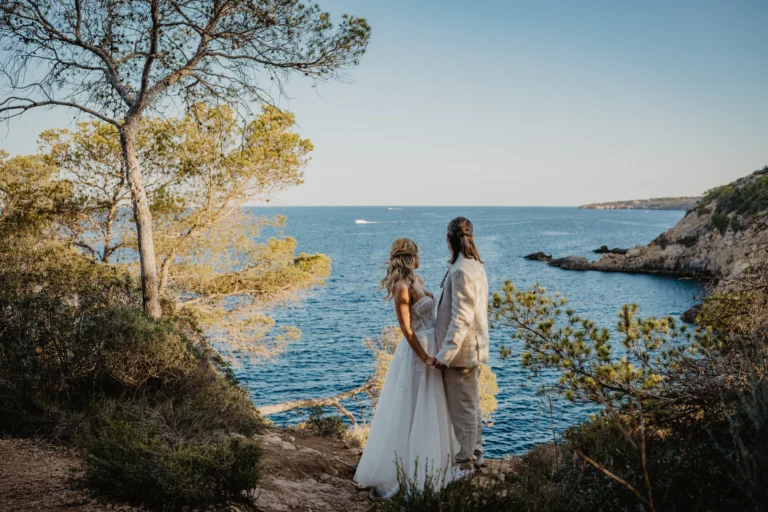







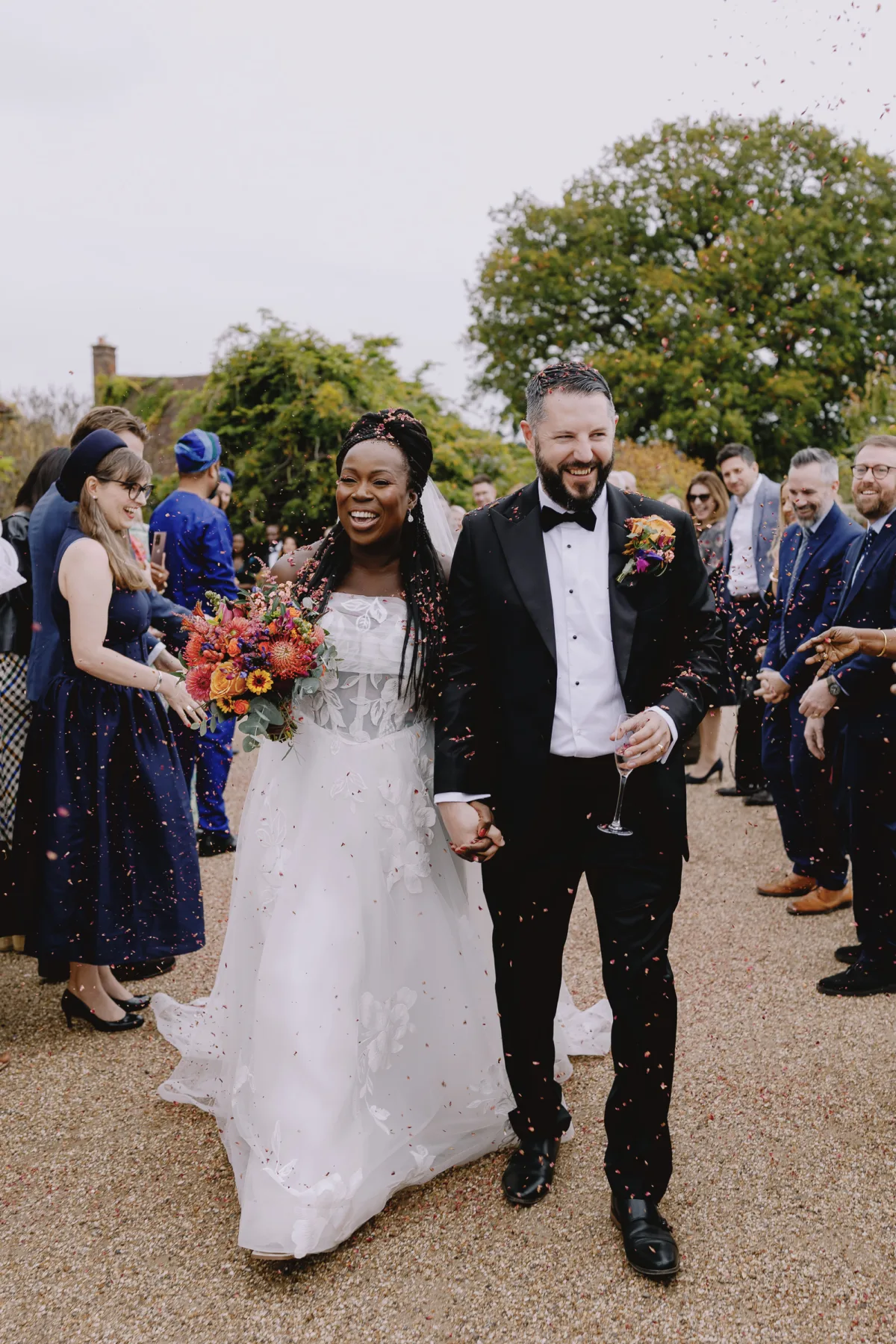
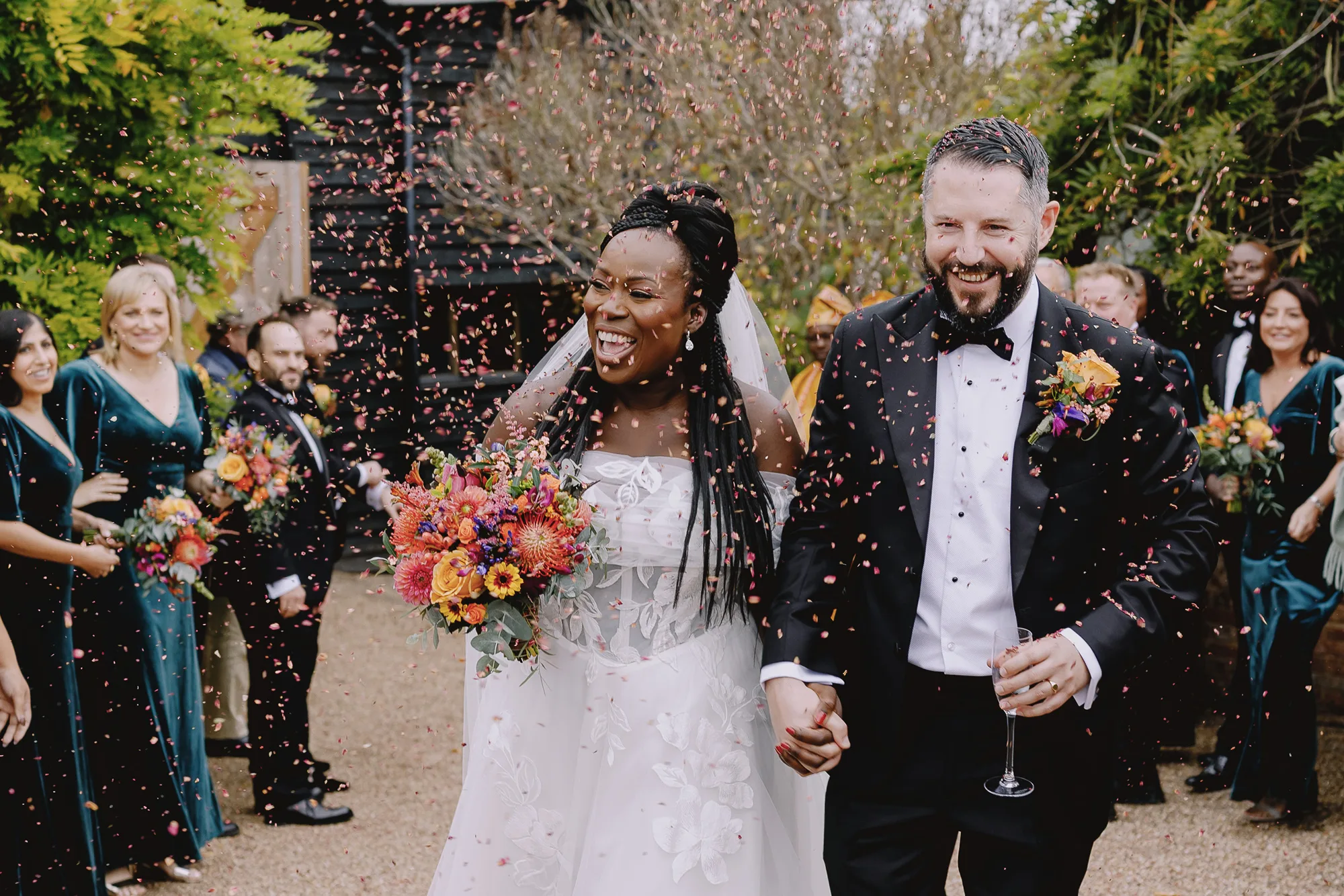
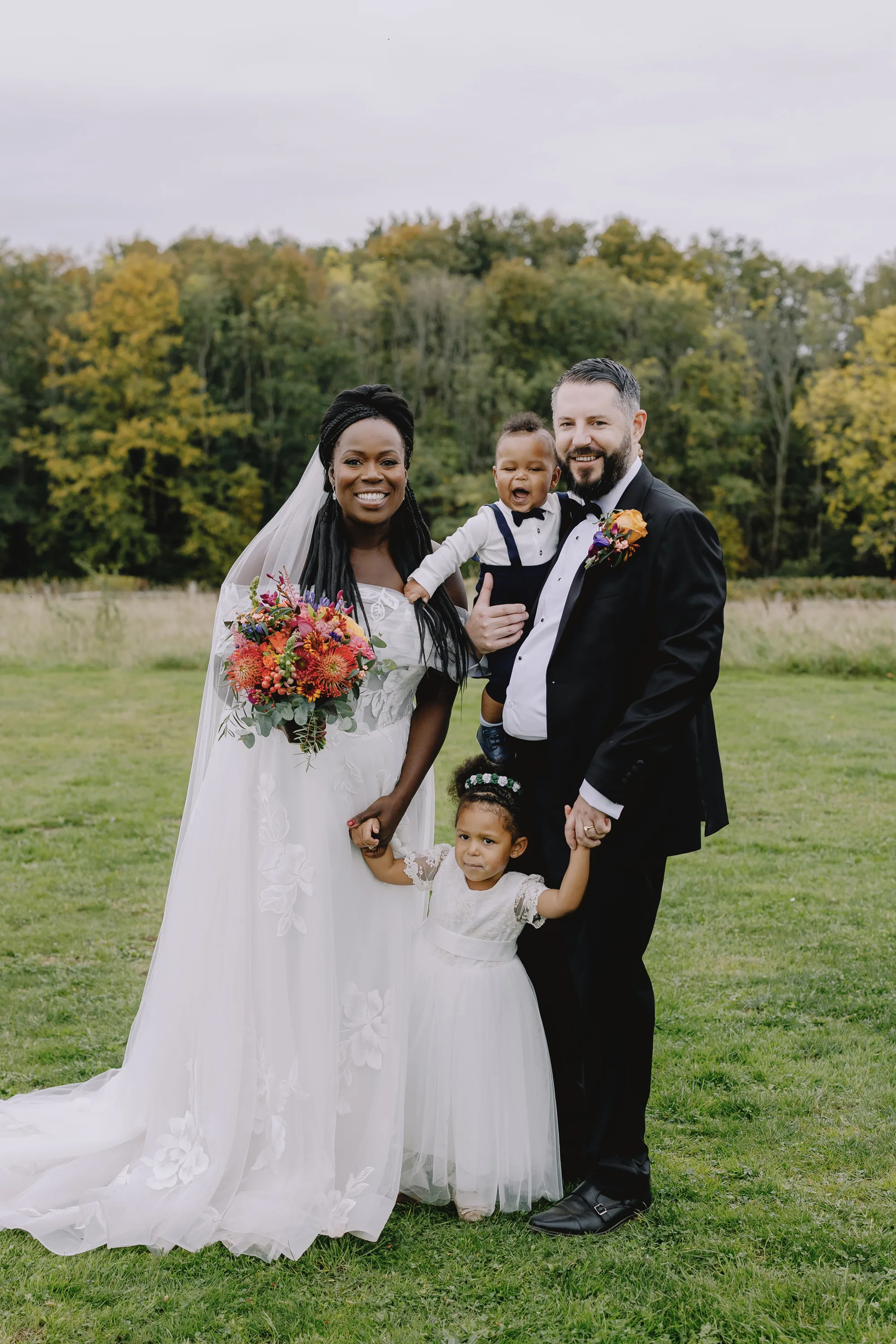
In a significant display of cultural fusion and modern matrimonial planning, Tolu, a London-based journalist, and Jack, celebrated their union through a series of ceremonies that blended British legal requirements with rich Nigerian heritage. The festivities, which culminated in a large-scale celebration at High Billinghurst Farm in Surrey, serve as a prime example of the growing trend of "fusion weddings" in the United Kingdom, where couples prioritize personal heritage and bespoke experiences over traditional, rigid wedding structures. The event, held in October, marked the couple’s fifth anniversary, following a relationship that began during the constraints of the 2020 global pandemic.
A Two-Stage Matrimonial Chronology
The couple’s path to marriage was structured in two distinct phases, a common practice for multicultural couples in the UK seeking to balance legal mandates with cultural blessings. The first phase involved a small, intimate legal ceremony at Danson House, a Grade I listed Palladian villa in Bexley. This official proceeding was restricted to immediate family, including the couple’s parents and their two children. During this legal union, Tolu opted for a sustainable approach to bridal fashion by wearing a rented dress from the brand Nobody’s Child, reflecting a broader shift in the wedding industry toward eco-conscious and circular fashion.
The second, more expansive phase took place at High Billinghurst Farm, a family-owned venue located in the Surrey Hills. This site was specifically selected for its "dry hire" capabilities. In the wedding industry, dry hire refers to a venue that provides the physical space—in this case, two spacious barns, a cottage, and shepherd huts—but allows the couple to bring in their own external suppliers. This flexibility was paramount for Tolu and Jack, as it enabled the integration of authentic Nigerian catering alongside English culinary options, a logistical requirement that many traditional hotel venues cannot accommodate.
Cultural Integration and the Significance of Aso Ebi
Central to the wedding’s visual and cultural identity was the Nigerian tradition of Aso Ebi, which translates to "family cloth." Tolu collaborated extensively with her mother to coordinate this aspect of the celebration. Aso Ebi involves family members and close friends wearing outfits made from the same fabric to show solidarity and communal identity. For this occasion, a bold palette of jewel tones—including gold, mustard, blue, green, and red—was selected.
The logistics of this endeavor were substantial: the fabrics were sourced directly in Nigeria, and the outfits were custom-made by local artisans before being shipped to the UK. This process not only preserved the authenticity of the attire but also supported the Nigerian textile economy. Tolu and Jack also transitioned into custom-made Nigerian garments for the evening reception, further emphasizing the cultural shift from the formal British ceremony to a traditional West African celebration.
The Ceremony: Personalization and Secular Blessings
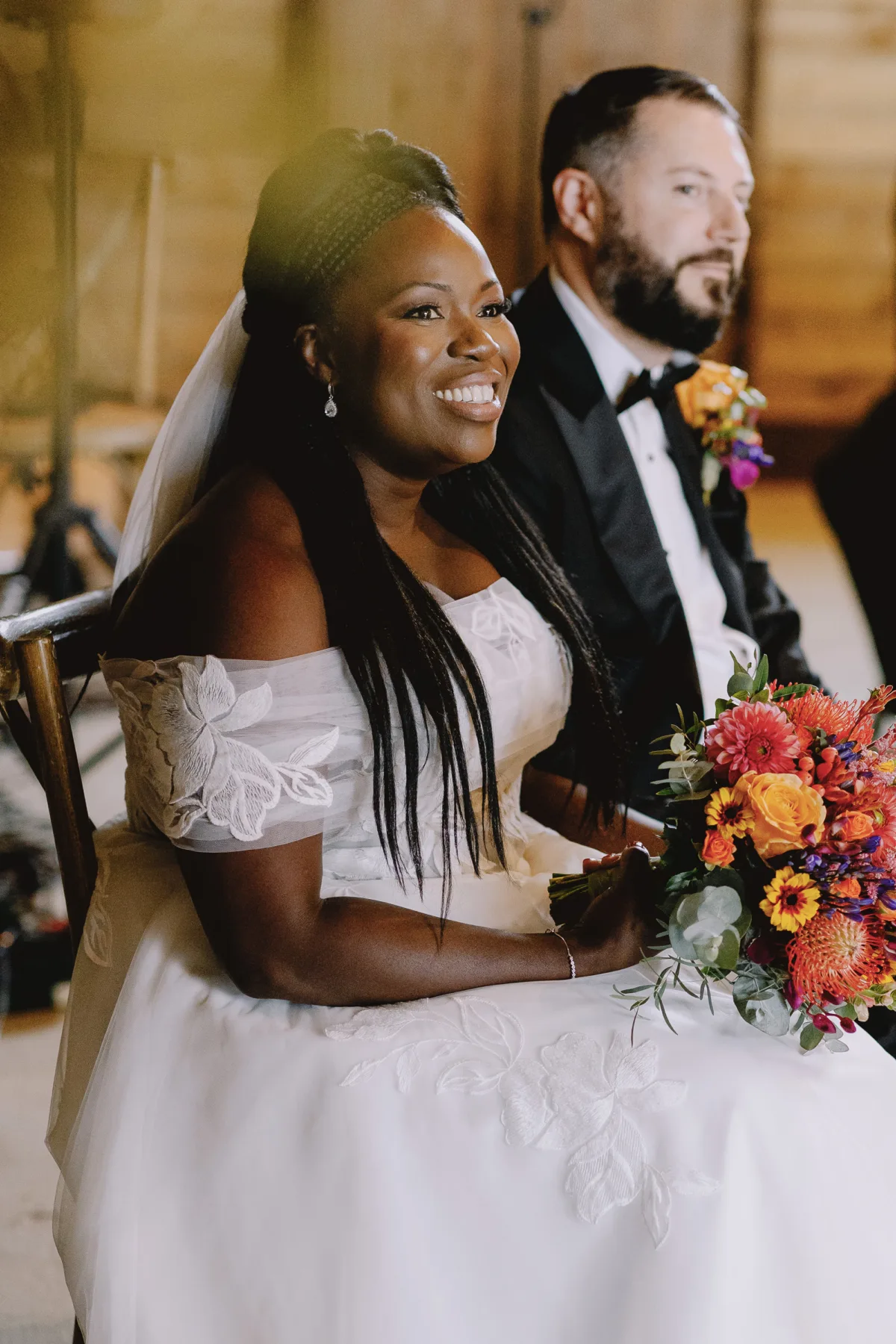
The main ceremony at High Billinghurst Farm was officiated by Jane The Celebrant, with a subsequent blessing led by Tolu’s aunt, a pastor. This hybrid approach allowed for a personalized narrative while maintaining the spiritual gravity expected by the family. The couple’s children and siblings played active roles, with Jack’s sister and Tolu’s brother delivering readings from Louise Cuddon and Mark Twain, respectively.
The exchange of vows was notably modernized. Having already completed the legal requirements at Danson House, the couple utilized the celebrant-led ceremony to share "custom promises." These vows balanced emotional depth with domestic humor, referencing everything from the frequency of cooking spaghetti bolognese to the mundane realities of household chores. This level of personalization is a hallmark of modern UK weddings, where 72% of couples now report wanting a ceremony that "tells their unique story" rather than following a standard religious or civil template.
Strategic Planning and Vendor Selection
As a journalist, Tolu applied a methodical approach to vendor selection, prioritizing cultural competence and creative flexibility. For photography, the couple commissioned Deji Johnson, who had previously documented Tolu’s sister’s wedding. This pre-existing relationship ensured the photographer was well-versed in the specific "beats" of a Nigerian wedding, such as the "money spray" dance, where guests shower the couple with banknotes as a symbol of blessing and financial support.
The cinematography was handled by Big Day Productions, who utilized a documentary-style approach to capture the day. According to industry data from the National Wedding Survey, the demand for high-quality videography has increased by 15% over the last three years, as couples seek to preserve the "atmosphere" of their events beyond static imagery.
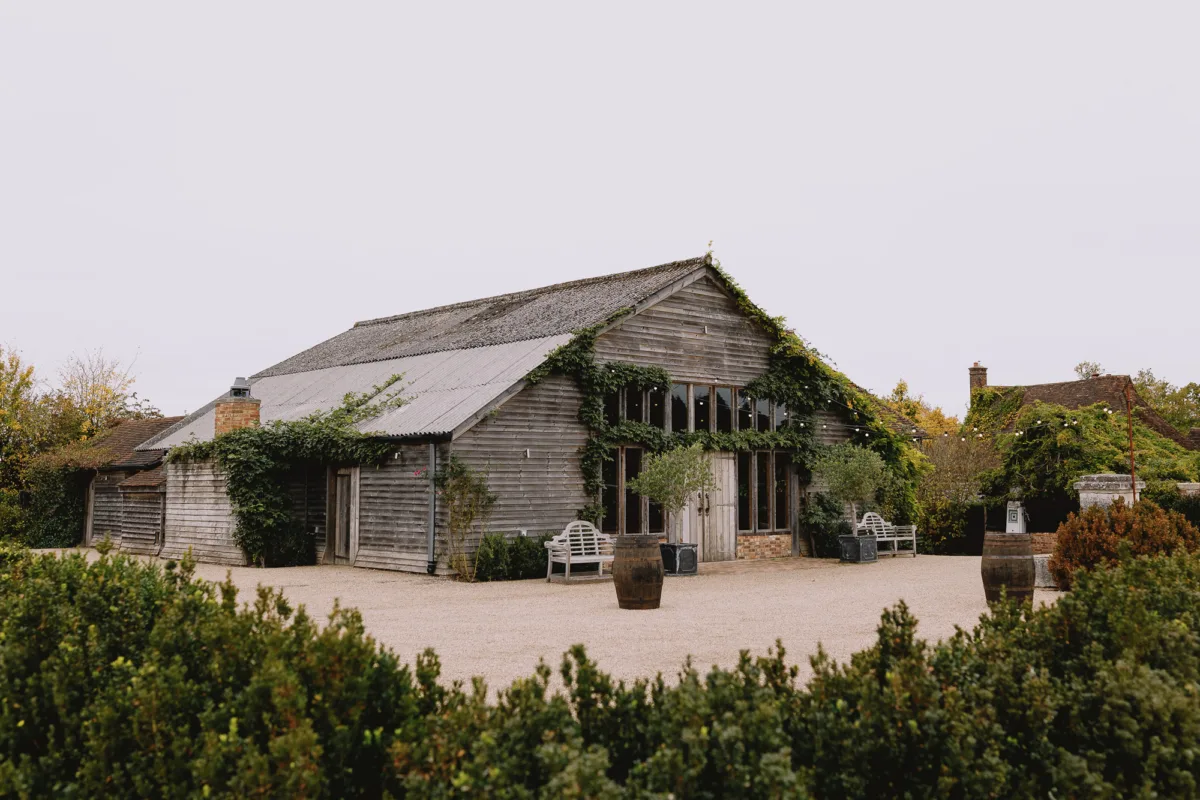
The floral arrangements, provided by Bud and Flower, followed a "florist’s choice" model. This approach is increasingly popular in the UK as it allows florists to use seasonal, locally sourced blooms, reducing the carbon footprint and cost associated with importing specific, out-of-season flowers. The autumnal theme was further enhanced through the hire of vintage Persian rugs and Chesterfield sofas from The Surrey Wedding Company, creating a "rustic-luxe" aesthetic that complemented the farm’s barn setting.
Culinary Fusion and Reception Traditions
Food served as a primary bridge between the two cultures represented at the wedding. Favour Catering was tasked with providing a "family-style" service that allowed guests to sample both English staples and authentic Nigerian dishes. The inclusion of traditional West African cuisine is often a point of contention in traditional UK venues, which frequently require the use of in-house chefs; hence, the selection of High Billinghurst Farm was a strategic necessity for the couple’s vision.
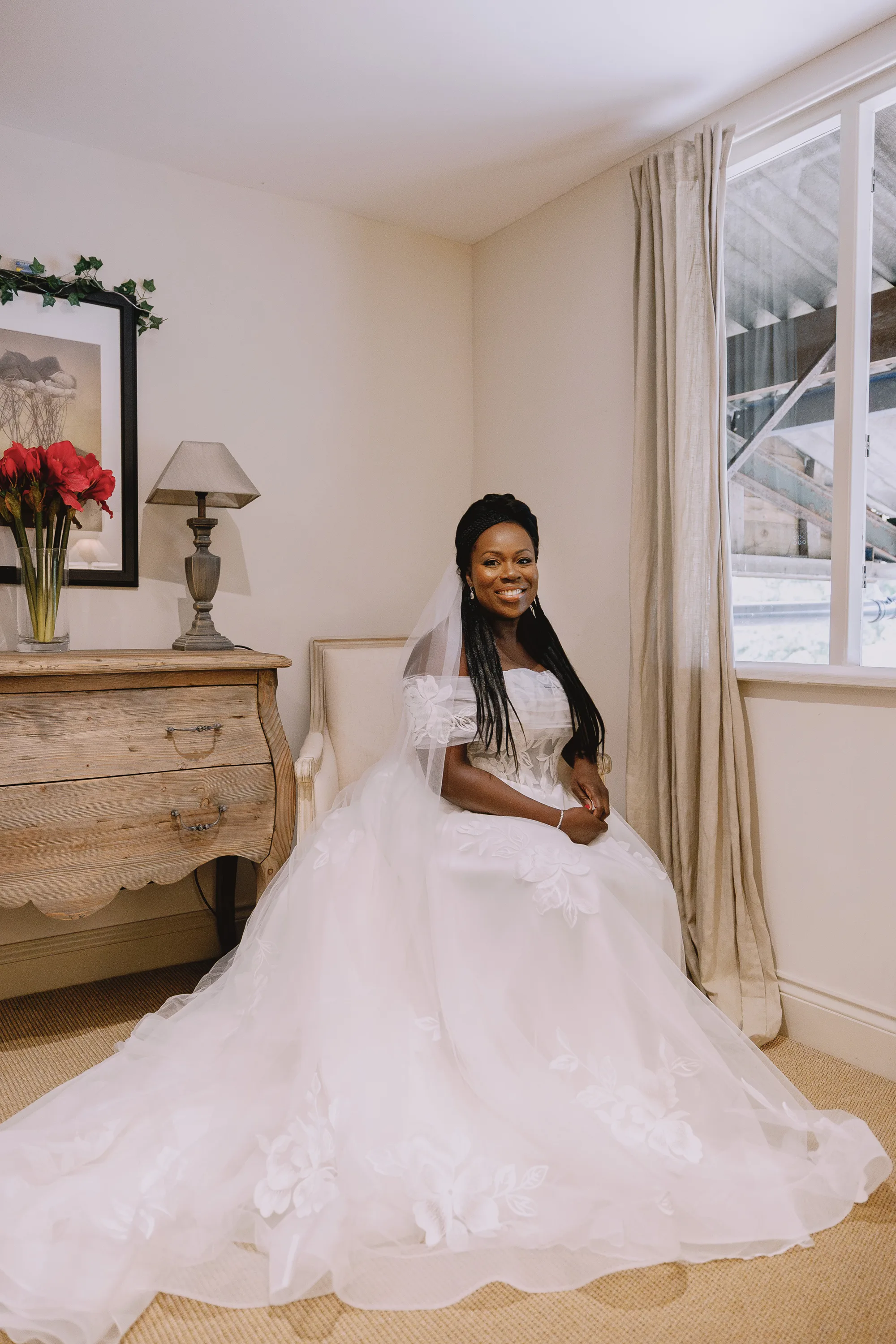
The wedding cake, designed by Claire Owen Cakes, was an artistic extension of the couple’s stationery. It featured a variety of flavors, including red velvet, lemon drizzle, and vanilla with raspberry, catering to a diverse range of palates. In addition to the food, the reception featured traditional Nigerian souvenir bags—distributed by the bride’s parents—containing practical gifts like notebooks and towels, a customary gesture of appreciation in Nigerian wedding culture.
Economic and Sociological Context
The wedding of Tolu and Jack reflects broader shifts in the UK’s £14.7 billion wedding industry. Multicultural weddings often involve higher-than-average expenditures due to the complexity of hosting multiple events and sourcing international materials. Furthermore, the couple’s meeting on the dating app Hinge in 2020 highlights the role of technology in modern relationship formation; currently, an estimated 32% of all relationships in the UK begin online.
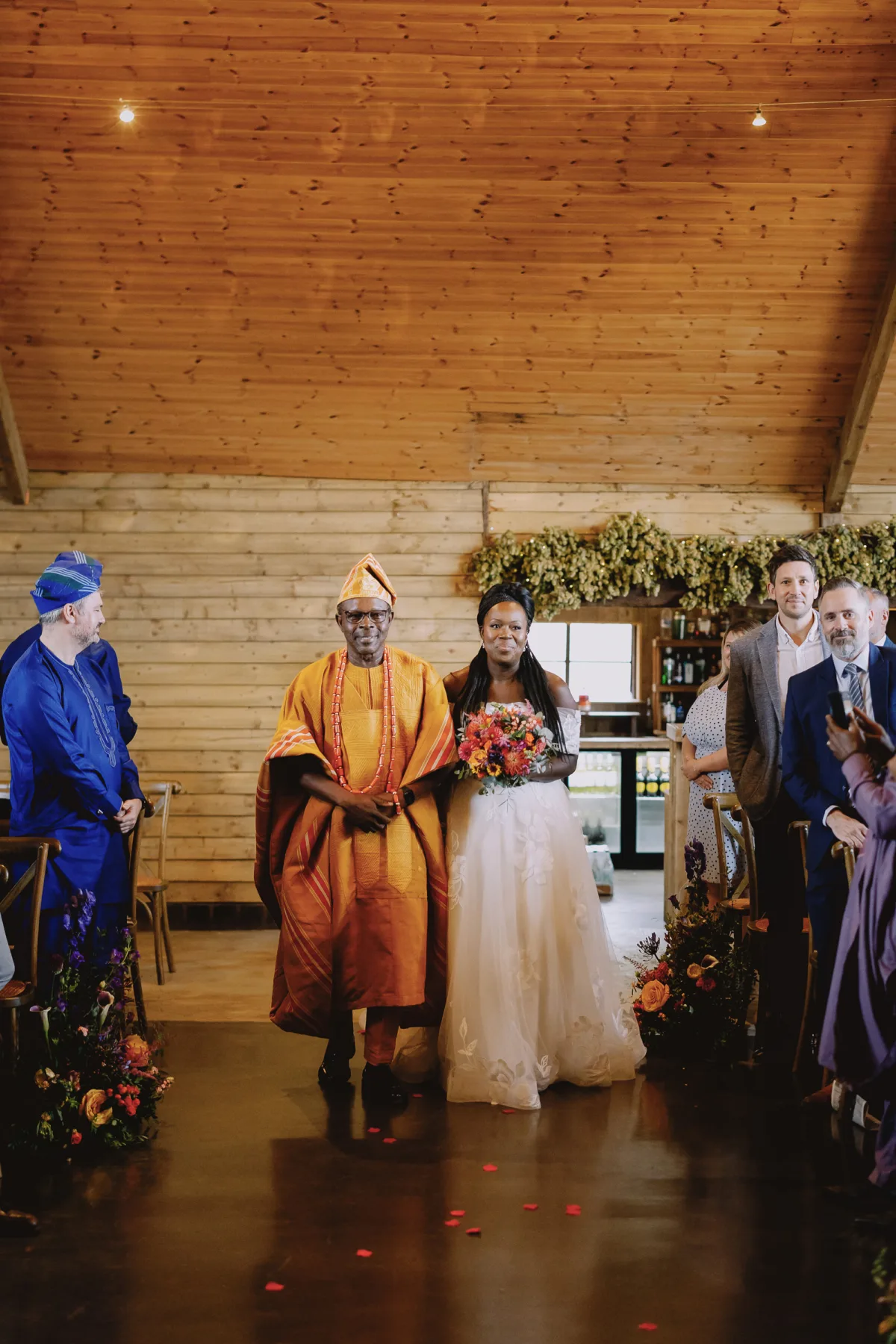
From a sociological perspective, the event underscores the importance of "cultural capital" in the diaspora. By integrating Nigerian music (such as "Big God" by Tim Godfrey) and traditional dances into a Surrey farm setting, the couple demonstrated how second-generation immigrants in the UK are successfully navigating dual identities.
Analysis of Implications for the Wedding Industry
The success of Tolu and Jack’s celebration points to several evolving demands in the hospitality and events sector:
- Demand for Flexible Venues: There is a clear market advantage for venues that offer dry-hire options, as they cater to the specific needs of multicultural and high-personalization weddings.
- Cultural Competence in Service: Vendors—particularly photographers and caterers—who demonstrate an understanding of non-Western traditions are seeing increased demand in urban hubs like London and the Home Counties.
- Sustainability in Fashion: The choice of a rented dress for the legal ceremony aligns with a growing trend among Millennial and Gen Z brides who are moving away from "single-use" luxury items.
Final Reflections and Wedded Wisdom
In her post-event reflections, Tolu emphasized the importance of addressing logistical "niggles" early in the planning process to ensure a stress-free day. She noted that the "sweetheart table"—a seating arrangement where the couple dines alone rather than at a large head table—allowed them to spend significant time together despite the scale of the guest list.
The evening concluded with a final dance to "All My Life" by KC and JoJo, a moment described by the couple as a "special, intimate" end to an "epic day." As the UK continues to become more diverse, the template provided by Tolu and Jack’s wedding—one of logistical precision, cultural honoring, and personal storytelling—is likely to become the standard for the next generation of British unions.