






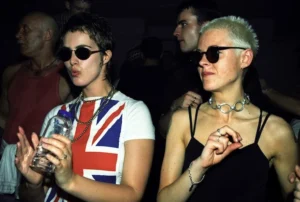

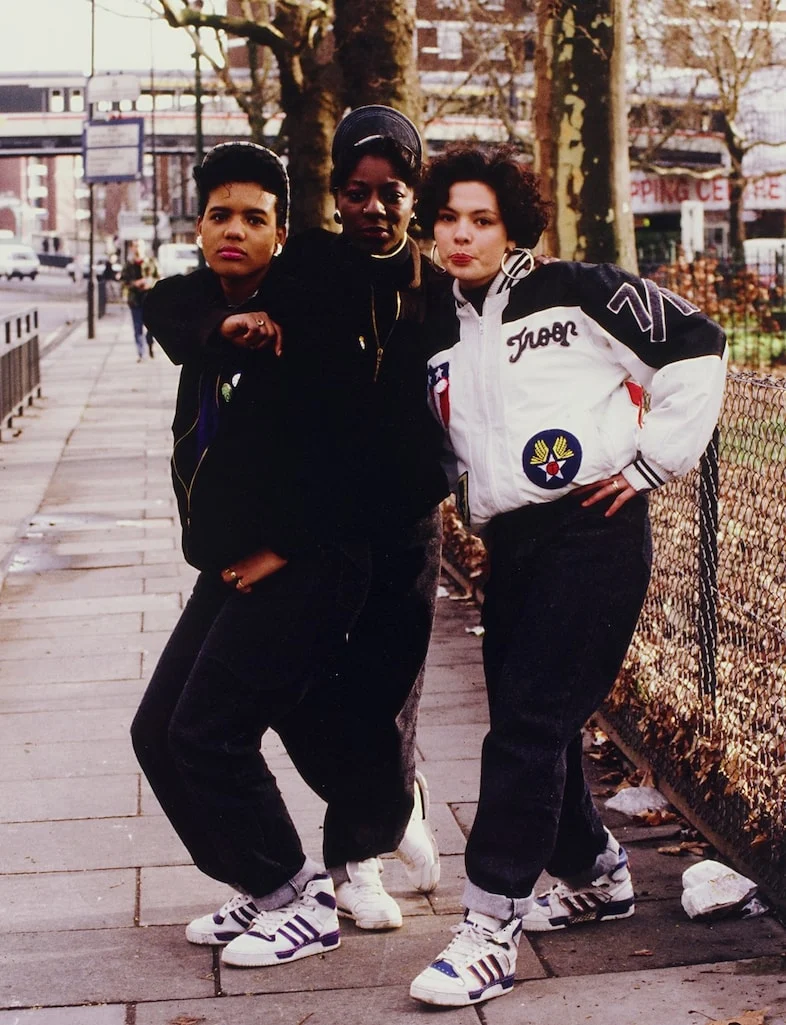
London’s cultural landscape is poised for a transformative moment with the opening of V&A East in Stratford this April, featuring its inaugural exhibition, "The Music Is Black: A British Story." Curated by the acclaimed music and culture lecturer, journalist, and writer Jacqueline Springer, this landmark exhibition promises an expansive and deeply resonant journey through 125 years of Black British music. In an era increasingly grappling with the proliferation of misinformation, AI-generated narratives, and distorted historical accounts, the meticulous act of archiving and cultural preservation has never been more critical. As Terri Lee Freeman, president of the Reginald F. Lewis Museum of Maryland African American History & Culture, eloquently posits, "If you don’t have archives, if you don’t have collections, if you don’t have the griots and the storytellers, who is going to tell the truth?" The V&A East exhibition rises to this challenge, positioning itself as a vital truth-teller, celebrating and safeguarding the rich, multifaceted heritage of Black British music.
The Imperative of Cultural Preservation in a Digital Age
The exhibition’s foundation is built upon the crucial need for cultural preservation. In a rapidly evolving digital landscape where historical narratives can be easily manipulated or erased, "The Music Is Black: A British Story" serves as a powerful counter-narrative, offering meticulously researched documentation and authentic storytelling. Jacqueline Springer’s vision, encapsulated in her reflection, "Look at what history has done to the African diaspora, and how this beautiful array of music exists," underscores the exhibition’s dual purpose: to acknowledge historical injustices while simultaneously exalting the enduring power and beauty of Black artistic expression. It aims to not only chronicle the evolution of a musical tradition but also to rectify historical inaccuracies and foreground often-overlooked contributions, ensuring that the "griots and storytellers" of Black British music are heard loud and clear. This commitment to truth-telling is particularly pertinent for communities whose histories have frequently been marginalized or misrepresented in mainstream narratives.
A 125-Year Symphonic Journey: From Pan-Africanism to Contemporary Global Influence
The exhibition embarks on an ambitious chronological exploration, commencing in 1900 and extending to the present day. This sweeping scope highlights the intricate lineage of Black British music, emphasizing the profound and continuous influence of the wider Black diaspora on its development. It illustrates how global movements, migration patterns, and socio-political shifts have shaped and refined British soundscapes.
Early Echoes: Pan-Africanism and Classical Foundations (1900-1930s)
The narrative begins at a pivotal moment in global Black history: the 1900 Paris Exposition, where academic and activist W.E.B. Du Bois co-presented his gold-winning exhibit of African American culture. This significant event was swiftly followed by the inaugural Pan-African Conference in London that same year. For this groundbreaking conference, British composer Samuel Coleridge-Taylor, the son of a Sierra Leonean father and an English mother, was commissioned to create music. Springer highlights the profound symbolism of this early intersection: "We’ve got classical music. We’ve got the son of a Sierra Leonean father and an English mother. We’ve got Pan-Africanism, the desire to explore global unity and to wrestle national autonomy from colonial powers." Coleridge-Taylor’s classical compositions achieved significant commercial success in the US and Europe, laying an early, albeit often overlooked, foundation for Black musical excellence in Britain.
The interwar years (1918-1939) witnessed the acceleration of ragtime and blues, with jazz gradually permeating public consciousness. Composers like James Reese Europe were instrumental in introducing jazz to military audiences during World War I. By the 1930s, the popularity of jazz had catalysed Britain’s first modern youth movement, with legendary figures such as Louis Armstrong and Duke Ellington gracing London stages. These visits were crucial, immersing the country in the genre and fostering the growth of dedicated jazz clubs and events that served as vital cultural hubs.
Post-War Resurgence: Migration, Innovation, and Chart Breakthroughs (1940s-1960s)
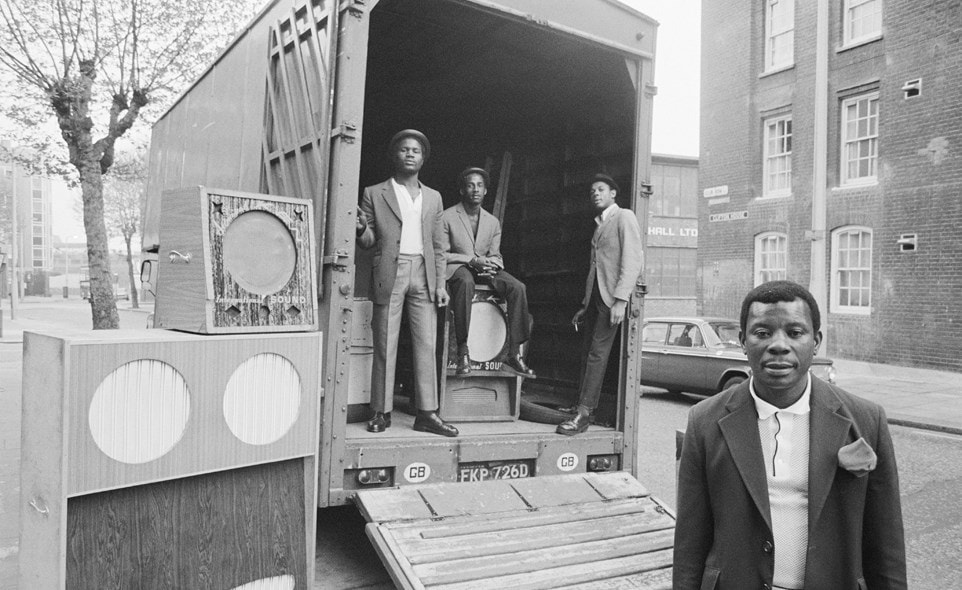
The mid-20th century marked a transformative period, profoundly shaped by the influx of West Indian migration to Britain in the 1940s and 50s, famously known as the Windrush generation. This migration brought vibrant new cultural expressions that would irrevocably alter British music. In the post-war period, enclaves of Black artists began to gain recognition, bolstering the reputation of Black British artistry.
A key figure in this era was Trinidadian-British ragtime star Winifred Atwell, who achieved a historic milestone in 1954 by becoming the first Black artist to score a British number one with her single "Let’s Have Another Party." Atwell’s significance, as Springer emphasizes, extends beyond her chart success: "Winifred was classically trained, but performs ragtime music too. She was inadvertently tackling class, because [people] associated ragtime or jazz with the lower classes, and classical with higher." Atwell’s ability to transcend genre boundaries and appeal to a broad audience challenged prevailing social hierarchies and demonstrated the fluidity of Black musical talent. The exhibition seeks to correct her frequent erasure from historical narratives, celebrating her as a "benchmark" figure whose achievements warrant widespread recognition.
The 1950s also saw the emergence of rock’n’roll in the US, pioneered by Black artists like Little Richard, Big Mama Thornton, Big Joe Turner, and Chuck Berry. Across the Atlantic, the influence of these sounds began to ripple through Britain. Following Atwell’s success, Emile Ford and the Checkmates achieved their own number one hit with "Don’t Tell Me Your Troubles" at the close of 1959. Springer notes the band’s name, "the checkmates," referring to chess and its black and white pieces, as a "rebellious way of making the point that they were a multiracial band" – a subtle yet potent statement in a society still grappling with racial integration.
Music as a Mirror: Social Commentary and Anti-Racism (1970s-1980s)
As successive decades unfolded, Black British culture continued to evolve, but alongside the enriching impact of migration came heightened racial tensions. These reached a flashpoint in 1976 when rock guitarist Eric Clapton publicly advocated for a "white Britain" and endorsed the notoriously racist MP Enoch Powell. In direct response to Clapton’s inflammatory comments, the influential Rock Against Racism (RAR) campaign was swiftly launched. Running until 1981, RAR united musicians across diverse genres, from punk to ska, rocksteady, reggae, soul, and rock, under a common anti-racist banner. Springer underscores the political agenda inherent in this musical movement: "You’ve got Poly Styrene, you’ve got The Clash, Misty in Roots, Steel Pulse, The Specials, The Body Snatchers and bands like The Selecter. [These groups were] inspired by different musical forms… But there’s a political agenda that’s being addressed: anti-racism." The exhibition meticulously situates music within its broader social and political context, providing attendees with a nuanced understanding of the lived realities and challenging conditions that shaped these powerful sounds.
This period also saw other significant milestones. In 1957, Avril Coleridge-Taylor, Samuel’s daughter, composed "Ceremonial March" to celebrate Ghana’s independence from British rule, highlighting the ongoing connections between Black British artists and Pan-African liberation movements. Shirley Bassey, having achieved mainstream success in the late 1950s, cemented her status as a national icon by affiliating herself with the James Bond franchise, recording her first theme song, "Goldfinger," in 1964. In 1979, Janet Kay’s lovers rock anthem "Silly Games" became the first single by a Black British artist to hit number two on the singles chart, a significant achievement for a genre rooted in the Caribbean diaspora. The 1980s saw the emergence of uniquely British offshoots including Brit-funk, two-tone, and acid jazz. Sade Adu, with her band Sade, became the first Black British winner of a best album award at the Brits for their multi-million-selling album Diamond Life, further solidifying the global impact of Black British artistry.
The Rise of Homegrown Sounds: Hip Hop, Garage, Grime, and Drill (1990s-2010s)
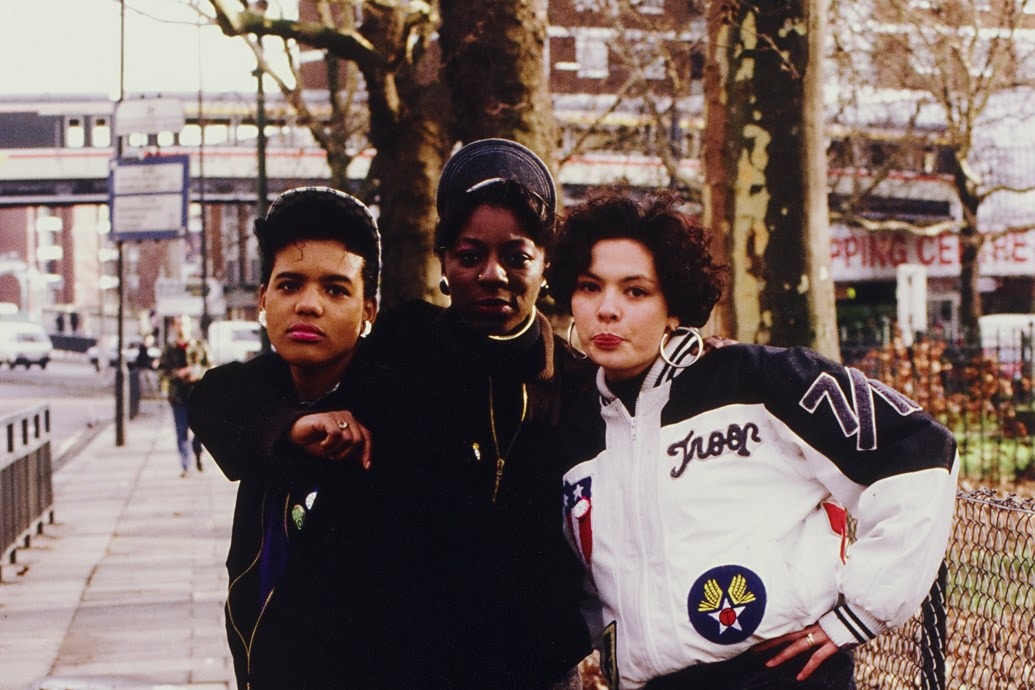
The early 1990s witnessed the rapid evolution of UK hip hop, with pioneering MCs like London Posse, Cookie Crew, and Roots Manuva expanding the genre’s sound and lyrical depth, offering distinct British perspectives. This decade also laid the groundwork for entirely new genres. In 1994, DJ EZ’s high-BPM remix of Todd Edwards’ "The Praise (God in His Hand)" became a foundational moment for UK garage (UKG). Concurrently, Shy FX and UK Apache’s UK top 40 hit "Original Nuttah" played a crucial role in popularizing jungle, the energetic forerunner to drum & bass, often thriving in the vibrant underground rave scene and pirate radio stations.
The 2000s were a period of intense experimentation and genre fusion. Artists began blending UKG with elements of grime, rap, house, pop, and R&B. Craig David, Mis-Teeq, and So Solid Crew were instrumental in widening UKG’s mainstream appeal. This era also saw the emergence of UK funky, led by artists like Funky Dee, Donae’o, and KIG. From 2000 to 2002, grime solidified its identity, evolving from UKG by incorporating elements of dancehall, garage, and rap. Dizzee Rascal, Skepta, and the BBK collective were at the forefront of this scene, creating a raw, authentic sound that would define a generation.
The 2010s continued this trajectory of innovation. In 2011, London DJ Abrantee coined the term "Afrobeats" and launched a dedicated show on Choice FM, helping to popularize the diverse sounds emerging from Africa. That same year, Sneakbo released "Touch ah Button," a track that paved the way for Afroswing, a hybrid genre seamlessly blending Afrobeats, UK rap, and dancehall. From 2012 to 2017, a new wave of acts, including 67, 150, and Headie One, propelled UK drill into the mainstream, articulating its distinctive sound and gritty lyrical narratives that reflected urban realities.
Global Resonance and Contemporary Renaissance (Late 2010s-Present)
The last two decades have witnessed the undeniable ascension of Black British musicians and artists onto the global stage. Raye, Shirley J Thompson, Stormzy, and Little Simz are just a few examples of talents whose work has pushed pop culture forward. Genres like garage, grime, and UK drill have captivated international audiences, drawing interest from global superstars. Drake’s ongoing fascination with UK rap, R&B, and drill has led to numerous collaborations with artists like Headie One, Central Cee, Jorja Smith, and Giggs, underscoring the genre’s worldwide appeal. Similarly, Kanye West famously performed his song "All Day" at the 2015 Brit Awards alongside grime luminaries such as Skepta, Stormzy, Novelist, and Jammer, showcasing the genre’s powerful live presence.
Currently, a new generation of artists, including Ceebo, Jim Legxacy, and Natanya, has garnered high-profile fans in the likes of SZA and Tyler, the Creator, demonstrating that the global influence of Black British artists is as strong as ever. Olivia Dean’s The Art of Loving recently spent its fifth week at number one on the UK album charts while also charting in the top five of the US Billboard Top 200, a testament to this expanding reach.
The late 2010s to the present has also seen a vibrant jazz revival, spearheaded by artists like Ezra Collective, cktrl, Venna, and Raye, popularizing the sound for contemporary listeners. Concurrently, UK R&B has experienced a significant resurgence through talents such as Tiana Major9, Shae Universe, Bellah, Jvck James, and FLO, showcasing a fresh, authentic sound that resonates widely.
"The Music Is Black: A British Story" aims to illuminate what this mainstream visibility truly means for contemporary Black British talent. Through photography, costumes, and instruments, the exhibition highlights their breakthroughs. However, curator Jacqueline Springer also invites reflection on the complexities of success: "There’s something that happens when [Black] artists become commercially successful. They’re less ‘one of us’ because they’re perceived to have sold out." By spotlighting artists who have achieved immense cross-over success – including Stormzy, Little Simz, and Seal – the exhibition prompts attendees to consider the creative decisions and pressures artists navigate as they reach global acclaim, fostering a nuanced understanding of their journeys.
A Legacy of Joy and Humility
The 2020s have already seen a wealth of books, documentaries, and exhibitions dedicated to defining and showcasing Black British history. For Springer, this exhibition stands out with two paramount aims: to highlight the profound privilege of being able to create music at a professional level, and to unequivocally celebrate the sheer joy embedded in the artistic contributions from Black British creators. "I would like there to be a real sense of humility as to the fact that people have this craft held within them," she reflects. "I just think that’s incredible. That’s what art does. It’s these confetti drops of beauty which last forever."
"The Music Is Black: A British Story" is not merely an exhibition; it is a vital act of cultural reclamation and celebration. It offers an essential narrative, correcting historical omissions and spotlighting the unparalleled creativity, resilience, and profound impact of Black British artists across more than a century. As V&A East opens its doors, it provides a much-needed platform for these stories to resonate, ensuring that the "confetti drops of beauty" endure for generations to come, fostering a deeper, more inclusive understanding of British cultural identity.
The Music Is Black: A British Story is at the V&A East in London from April 18. This story is taken from the spring 2026 issue of Dazed, which is on sale internationally now.