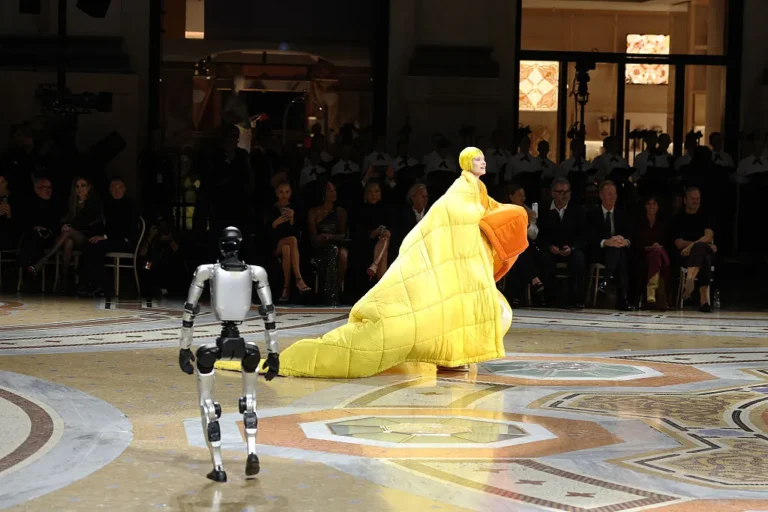










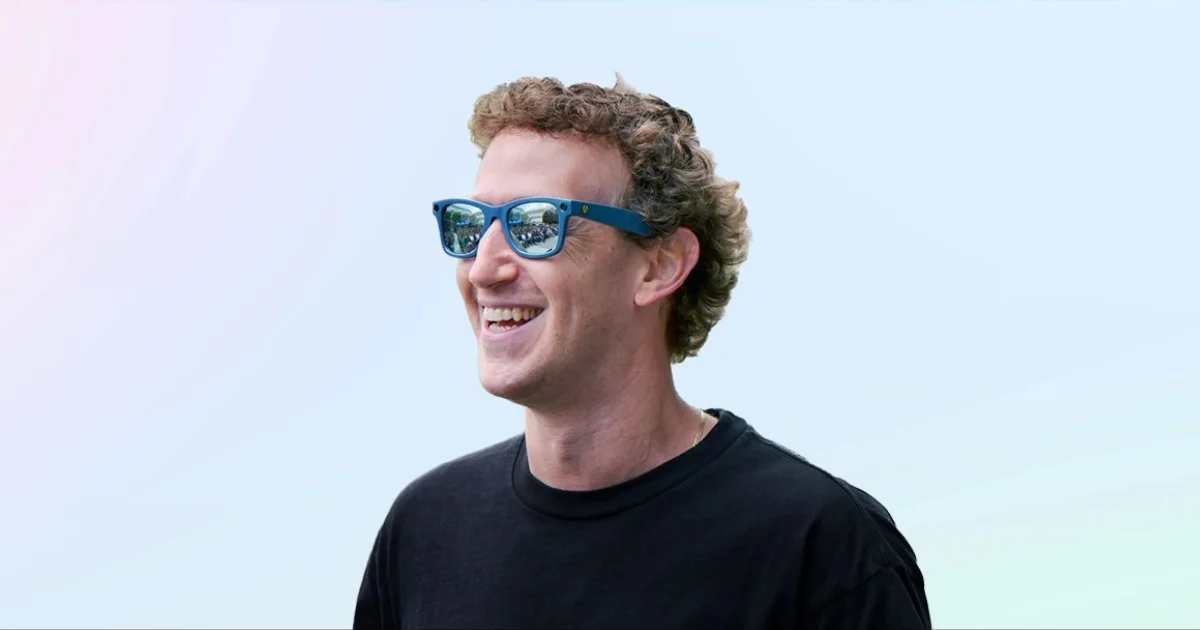
The intersection of high fashion and wearable technology reached a new milestone on Thursday as Meta Platforms Inc. CEO Mark Zuckerberg and his wife, Priscilla Chan, took prominent front-row seats at the Prada Fall/Winter 2026 Fashion Week show in Milan. The appearance has intensified industry speculation regarding a looming partnership between the social media giant and the Italian luxury house. Zuckerberg was observed in deep conversation with Lorenzo Bertelli, Prada’s Chief Merchandising Officer and the son of head designer Miuccia Prada, suggesting that the relationship between the two companies has moved beyond casual acquaintance into the realm of strategic product development.
While Meta has undergone a significant corporate rebranding over the last several years, shifting its focus from traditional social networking toward the "metaverse" and integrated artificial intelligence, the presence of its chief executive at a premier European fashion event underscores a pivot in the company’s hardware strategy. Industry analysts suggest that Meta is no longer content with producing functional tech gadgets; rather, it is seeking to position its AI-powered eyewear as an essential lifestyle and luxury accessory.
A Strategic Evolution in Wearable Technology
The rumors of a Prada-branded version of Meta’s smart glasses are not entirely new, but the Milan sighting provides the most concrete evidence to date of a deepening tie. In June 2025, reports surfaced indicating that Meta was actively developing a luxury tier of its smart glasses in collaboration with Prada. This move follows the successful integration of Meta’s AI technology into EssilorLuxottica’s portfolio, which includes the iconic Ray-Ban and Oakley brands.
The partnership with EssilorLuxottica, the French-Italian eyewear conglomerate, has been the cornerstone of Meta’s hardware success. Initially launched as "Ray-Ban Stories" in 2021, the product line struggled to find a broad audience. However, the second generation, rebranded as Ray-Ban Meta smart glasses, saw a massive surge in consumer interest due to improved camera quality, better audio, and the integration of multimodal AI. By early 2026, the collaboration had proven to be a financial windfall for both companies.
Sales Data and Market Penetration
Data released in February 2026 by EssilorLuxottica reveals the staggering growth of the Meta AI glasses category. The company reported sales of over 7 million units in 2025, a significant jump from the 2 million units sold in 2024. This 250% year-over-year increase indicates that smart glasses have moved from a niche enthusiast product to a mainstream consumer electronic.
The 2025 sales figures were bolstered by the introduction of Oakley Meta glasses, which targeted the high-performance athletic market. By capturing the lifestyle segment with Ray-Ban and the sports segment with Oakley, Meta has effectively covered two-thirds of the traditional eyewear market. The remaining frontier is the "ultra-luxury" or "high-fashion" segment, currently occupied by brands like Prada, Miu Miu, and Gucci.
The financial logic for a Prada collaboration is further supported by the existing corporate infrastructure. Prada and EssilorLuxottica recently renewed their licensing agreement for another ten years, extending their partnership through 2030 with an optional extension to 2035. This long-term stability provides a seamless pathway for Meta to integrate its technology into Prada’s frames without navigating new, complex manufacturing hurdles.
Chronology of the Meta-EssilorLuxottica Partnership
To understand the potential impact of a Prada-Meta collaboration, it is necessary to examine the timeline of Meta’s hardware trajectory:
- September 2021: Meta (then Facebook) launches Ray-Ban Stories. The product receives lukewarm reviews due to limited battery life and basic features.
- September 2023: Meta unveils the Ray-Ban Meta smart glasses at the Connect conference. This version introduces Meta AI, allowing users to interact with a digital assistant via voice.
- April 2024: Multimodal AI features are rolled out, enabling the glasses to "see" and interpret the world around the wearer, such as translating signs or identifying landmarks.
- June 2025: Reports emerge from major financial outlets that Meta is exploring high-fashion partnerships, specifically mentioning Prada as a primary candidate for a 2026 launch.
- February 2026: EssilorLuxottica confirms it has tripled its sales of AI-enabled eyewear, reaching the 7-million-unit milestone.
- February 2026: Mark Zuckerberg’s high-profile appearance at Prada’s Milan show serves as a "soft launch" for the rumors of a luxury collaboration.
The Luxury Rebrand of Mark Zuckerberg
The shift in Meta’s product strategy appears to mirror a personal transformation in Mark Zuckerberg’s public image. Long known for a minimalist wardrobe consisting of grey t-shirts and hoodies, Zuckerberg has recently embraced a more curated, high-fashion aesthetic. Analysts view this "style evolution" as a calculated effort to align himself and his company with the world of premium aesthetics.
By positioning himself alongside figures like Lorenzo Bertelli, Zuckerberg is signaling that Meta’s future hardware is designed for the fashion-conscious consumer. If Meta can successfully launch a Prada version of its AI glasses, it will have achieved something that previous tech giants—most notably Google with its ill-fated Google Glass—failed to do: make wearable tech "cool" and aspirational.
Technical Capabilities and the AI Advantage
A Prada-Meta collaboration would likely utilize the same hardware architecture as the current Ray-Ban and Oakley models but with bespoke materials and design elements exclusive to the Italian fashion house. Current Meta AI glasses feature:
- Ultra-wide 12MP Cameras: Capable of high-definition video recording and live streaming directly to Instagram and Facebook.
- Open-Ear Audio: High-quality speakers integrated into the stems, providing a private listening experience without blocking environmental noise.
- Five-Microphone Array: Optimized for voice commands and clear audio capture in noisy environments.
- Qualcomm Snapdragon AR1 Gen 1 Platform: A chipset specifically designed for power-efficient processing in slim form factors.
The "Prada Edition" would likely emphasize the "Meta AI" experience, allowing users to ask their glasses for fashion advice, real-time translations during international travel, or hands-free navigation through urban centers—all while maintaining the aesthetic standards of a luxury brand.
Privacy Backlash and Ethical Considerations
Despite the commercial success of Meta’s eyewear, the company faces significant headwinds regarding privacy and surveillance. As smart glasses become more ubiquitous, consumer anxiety regarding "surreptitious recording" has reached a boiling point. In early 2026, reports surfaced of a growing movement of "privacy advocates" who have begun targeting public surveillance infrastructure, including Ring doorbells and Flock license plate readers.
Meta’s potential addition of facial recognition technology has further inflamed these concerns. A report by The New York Times in February 2026 suggested that Meta is considering a feature that would allow the glasses to identify individuals in real-time by cross-referencing their faces with social media profiles. While Meta has not officially confirmed this feature, the mere possibility has led to the development of "counter-tech," including mobile apps designed to alert users when someone wearing smart glasses is in their immediate vicinity.
Critics argue that a Prada version of the glasses would only serve to further "normalize" surveillance by masking it behind a luxury facade. The challenge for Meta and Prada will be to implement robust privacy safeguards—such as the existing LED recording indicator—that satisfy both regulators and a wary public.
Market Implications and Competitive Landscape
The move into high fashion is also a defensive maneuver against competitors. Apple’s Vision Pro, while a more powerful spatial computing device, remains bulky and unsuitable for outdoor, all-day wear. By focusing on "smart frames" rather than "goggles," Meta is betting that consumers prefer a device that looks like traditional eyewear.
Google and Amazon have also attempted to enter the smart glasses market with the North Focals acquisition and Echo Frames, respectively, but neither has achieved the cultural or commercial penetration of the Meta-EssilorLuxottica partnership. A Prada partnership would effectively give Meta a monopoly on the "fashion-tech" crossover market, creating a high barrier to entry for other Silicon Valley firms.
Conclusion: The Future of the Meta-Prada Alliance
While an official announcement from Meta’s Menlo Park headquarters or Prada’s Milan offices has yet to be released, the circumstantial evidence points toward a major product debut in the second half of 2026. The combination of Meta’s industry-leading AI and EssilorLuxottica’s manufacturing prowess, topped with Prada’s brand prestige, creates a formidable product offering.
As the tech industry prepares for the TechCrunch event in San Francisco this October, all eyes will be on Zuckerberg to see if he officially unveils the "Prada Meta AI" collection. If successful, the collaboration will represent the final step in the transition of smart glasses from a specialized tool for tech enthusiasts to a ubiquitous symbol of modern luxury and digital connectivity. However, the success of this venture will ultimately depend on Meta’s ability to navigate the complex landscape of privacy rights and social acceptance in an increasingly surveyed world.