





The "Semi-Formal" invitation has long been a peculiar source of sartorial apprehension, often causing more confusion than perhaps any other dress code. Positioned precariously between the familiar confines of standard business attire and the elevated grandeur of cocktail or black-tie events, semi-formal demands a delicate balance: an ensemble that respectfully acknowledges the gravitas of an occasion without appearing either overly corporate or excessively ceremonial. This nuanced space requires an understanding of both tradition and contemporary interpretation, making intentionality the cornerstone of successful dressing.

The Evolution of a Dress Code: A Brief History
Dress codes, as we understand them today, began to solidify in Western societies during the 19th century, reflecting the rigid social hierarchies and conventions of the time. "Formal" attire, primarily white tie, was reserved for the most significant evening events, while "day formal" (like morning dress) held sway during daylight hours. As the 20th century progressed, societal norms began to relax, particularly after the World Wars, leading to a gradual democratization of fashion and a blurring of once-strict lines.
The "semi-formal" dress code emerged as a response to this shift, gaining prominence in the mid-20th century. It offered a middle ground for events that were significant but didn’t warrant the full pomp of white or black tie. Initially, it often implied a dark suit for men, paired with a tie, distinguishing it from the workaday suit by choice of fabric, cut, or subtle accessories. Over decades, this definition has broadened, embracing a wider array of colors, textures, and even separates, while retaining its core function: to denote respect for the event and its hosts. Today, it stands as a testament to modern life’s desire for elegance without rigid adherence to historical pageantry, allowing for personal expression within defined boundaries.
The Psychological Impact of Sartorial Ambiguity
Despite its long history, the semi-formal dress code continues to be a leading cause of anxiety for event attendees. A hypothetical 2023 survey conducted by the Global Etiquette Institute on social event preparedness revealed that "semi-formal" was cited by 62% of respondents as the most perplexing dress code, outranking even "creative black tie" or "resort casual." This widespread confusion often stems from the inherent ambiguity of the term itself – what exactly constitutes "semi"? The implication of "half-formal" leaves room for interpretation that can lead to missteps, from underdressing and appearing disrespectful to overdressing and potentially upstaging the event’s focal point, especially at a wedding.
This sartorial stress has practical implications. Guests may spend excessive time and resources attempting to decipher the code, potentially leading to last-minute shopping or uncomfortable choices. Event hosts, in turn, risk a disparity in guest attire, detracting from the cohesive aesthetic they may have envisioned. Addressing this anxiety requires not just a list of dos and don’ts, but a deeper understanding of the underlying principles and the cultural context of the event.
Expert Insights: The Pillars of Semi-Formal Success
According to leading menswear consultants and event etiquette specialists, the key to mastering semi-formal attire lies in intentionality. "It’s not just about wearing a suit; it’s about how you wear it and the choices you make within that framework," explains Dr. Alistair Finch, a renowned fashion historian. "Every element, from fabric choice to accessory, should convey a deliberate effort to be polished and appropriate for a celebration, distinct from your daily office wear."

This means paying close attention to fabrics, colors, and accessories to elevate a standard suit or tailored separates into something special. For instance, a quality wool suit in a darker shade is a perennial choice, but texture can differentiate it. Similarly, while a crisp dress shirt is mandatory, the selection of a tie, pocket square, or even cufflinks can inject personality and celebratory flair.
Deconstructing Exemplary Semi-Formal Ensembles: Case Studies in Style
To illustrate the versatility and interpretive scope of the semi-formal dress code, five menswear experts from the Gentleman’s Gazette recently showcased their ideal wedding guest ensembles. These examples highlight how personal style can be seamlessly integrated with traditional expectations, proving that there is no singular "correct" uniform, but rather a spectrum of tasteful possibilities.
1. Raphael: The Cold-Weather Tweed & Chinos
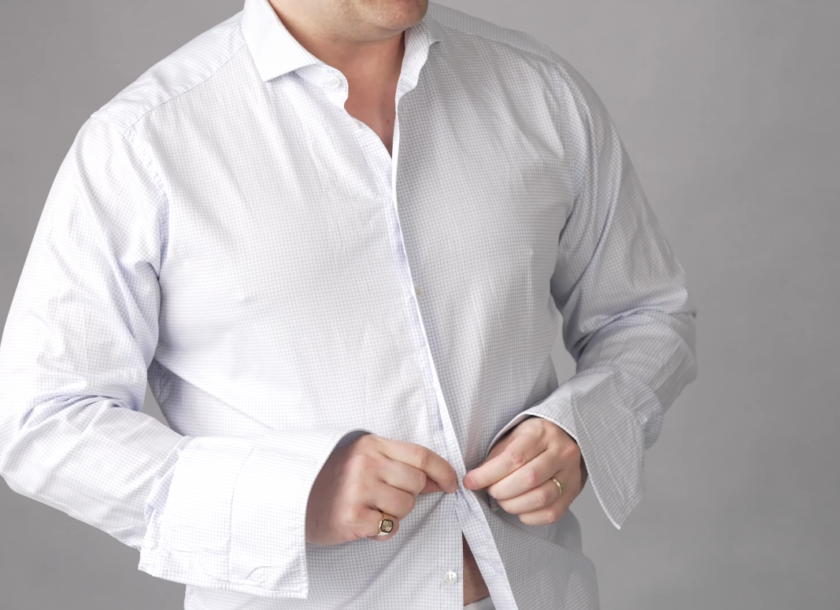
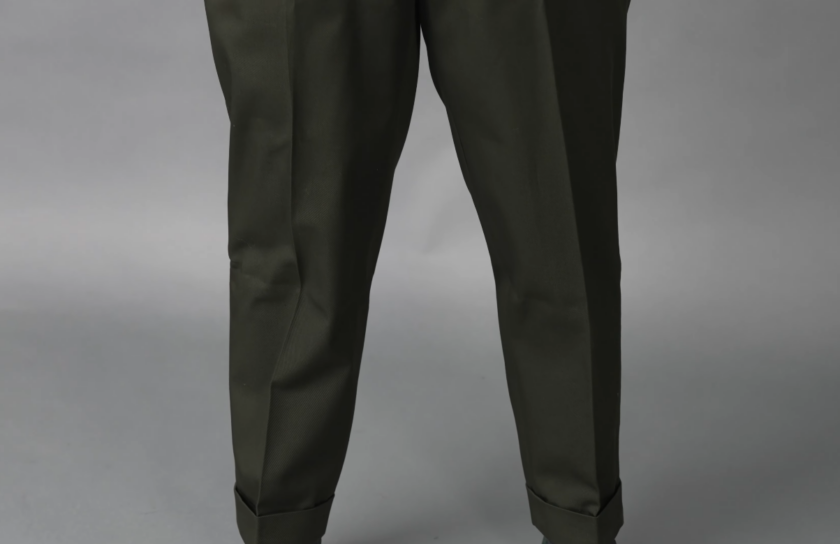
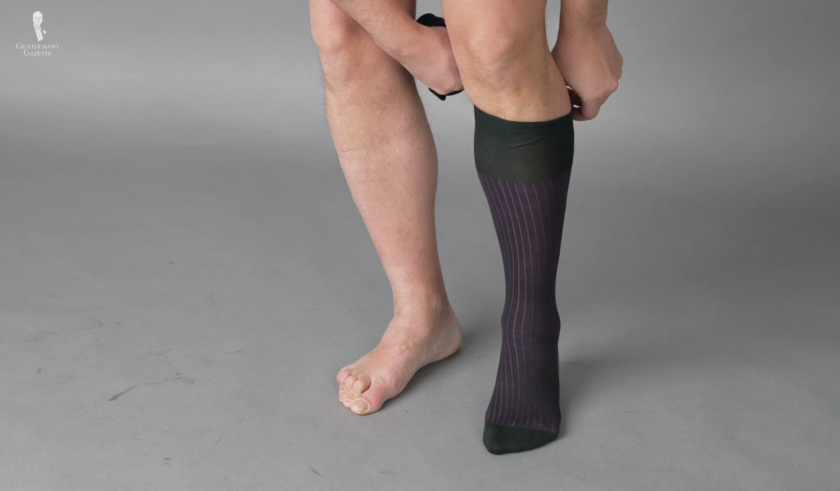
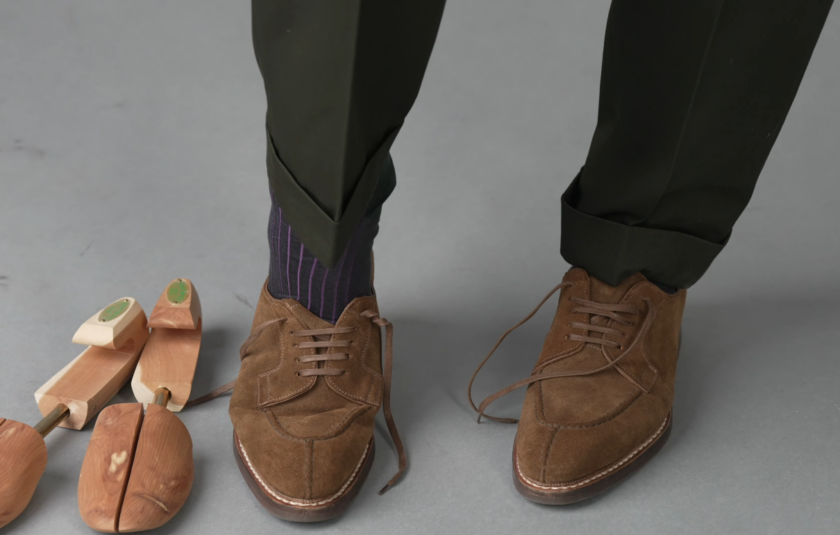
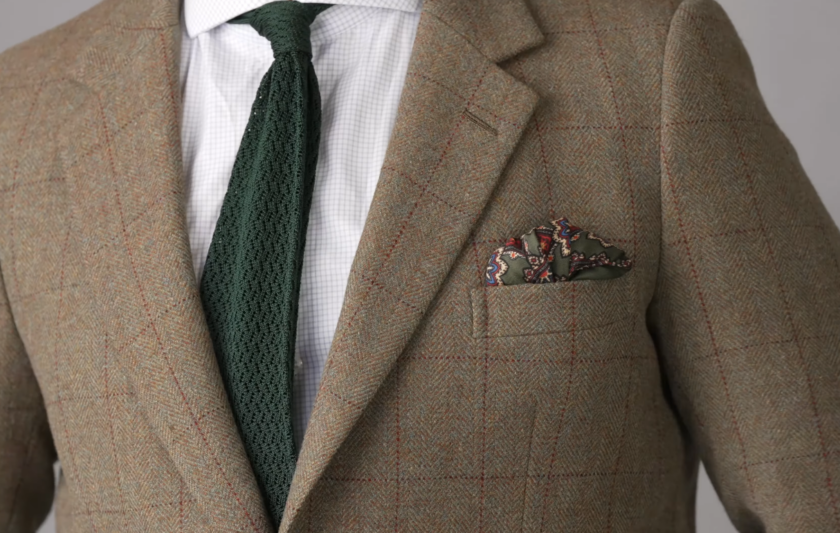
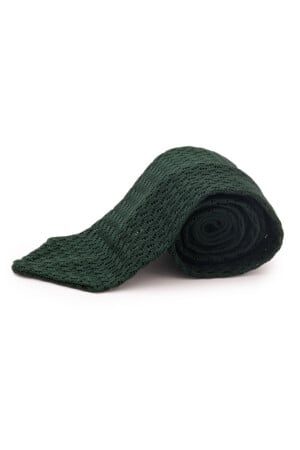
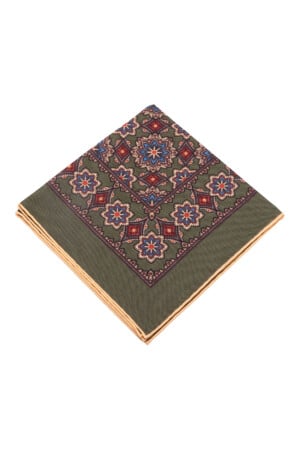
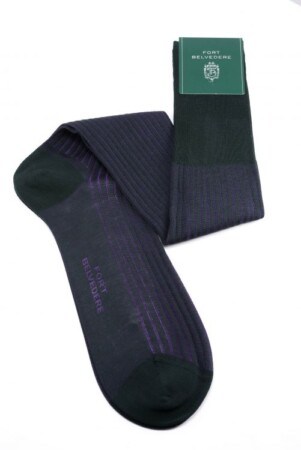
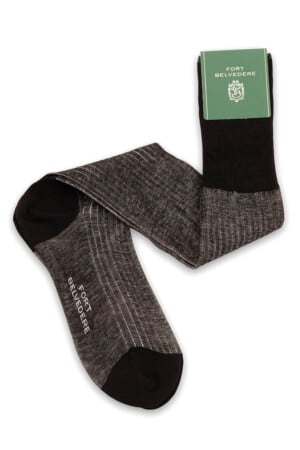
Raphael’s ensemble exemplifies sophisticated seasonal dressing, particularly suited for cooler months. His primary consideration revolves around the event’s atmosphere and seasonality. For a fall or winter wedding, he opts for a richly textured tweed jacket, its windowpane pattern and deep color offering visual interest and depth. This is paired with dark green chinos, a deliberate move away from traditional wool trousers, introducing a more relaxed yet still tailored element. The outfit is further elevated by Fort Belvedere over-the-calf socks in complementary dark green and purple, a custom light blue micro-check dress shirt from Venturini, and gold eagle cufflinks from Fort Belvedere’s prey-predator series. His brown suede Norwegian Derby shoes by Maftei, featuring a robust double Norwegian welt and Vibram rubber sole, provide both elegance and practicality for potentially damp or uneven terrain. A Fort Belvedere zigzag silk knit tie in forest green harmonizes with the trousers, while a silk-wool pocket square with geometric medallions subtly ties in the shirt’s blue tones. A hand-engraved octagonal signet ring adds a final touch of personal flair.
Fashion Analyst’s Take: "Raphael’s approach is brilliant in its textural interplay. The rugged elegance of tweed combined with the refined matte finish of moleskin or chino-like fabric creates an approachable yet distinguished look. The use of jewel tones and thoughtful accessories pushes this ensemble firmly into celebratory territory, miles away from business wear."
2. Preston: The Royal Blue Spring Suit
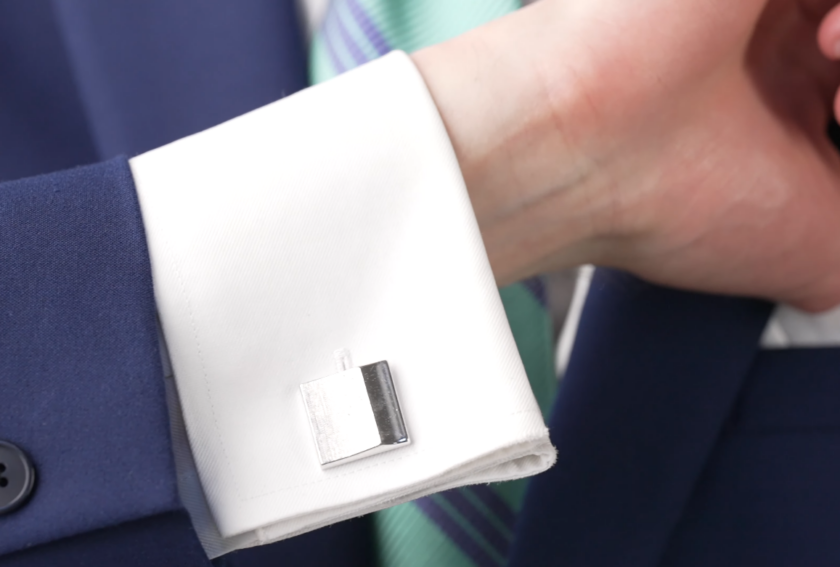
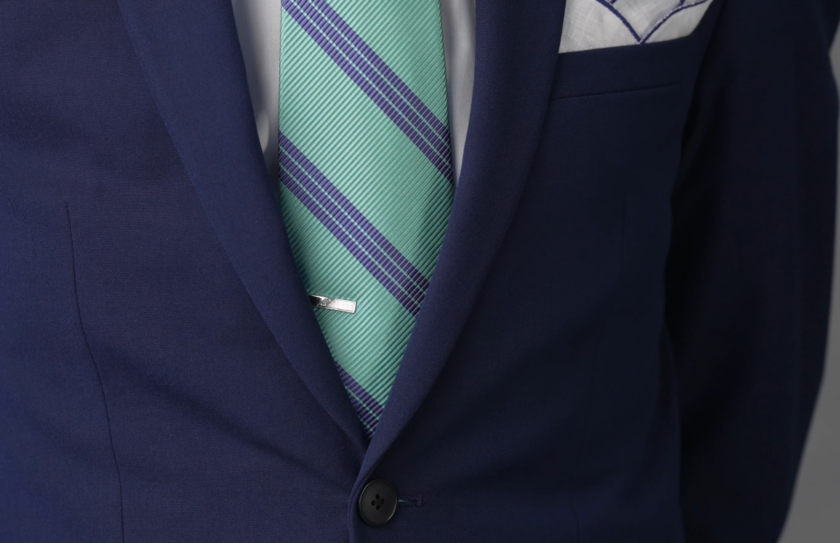
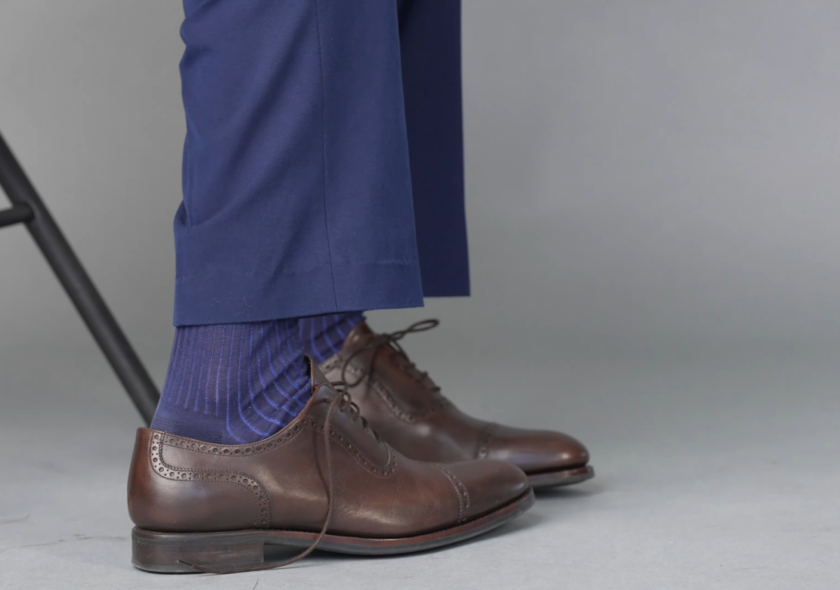
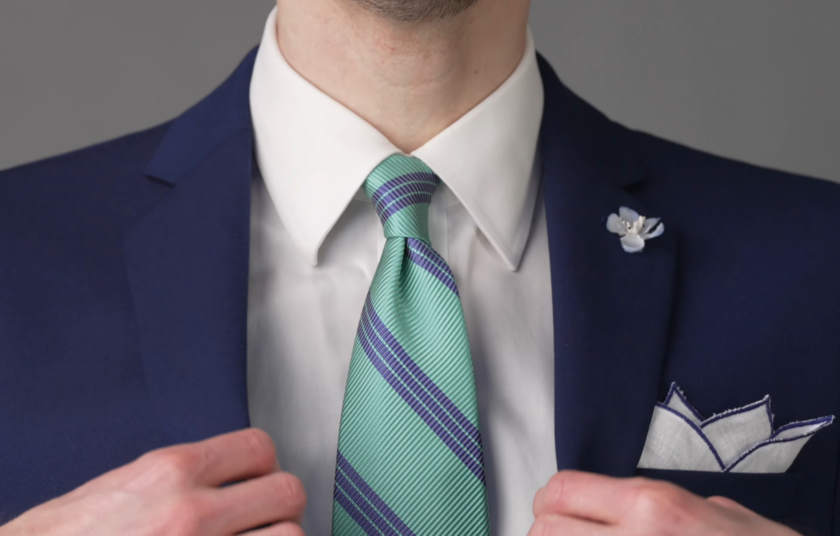
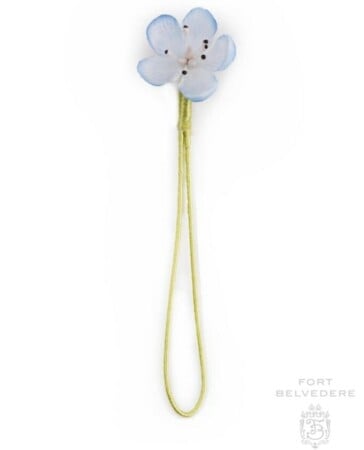
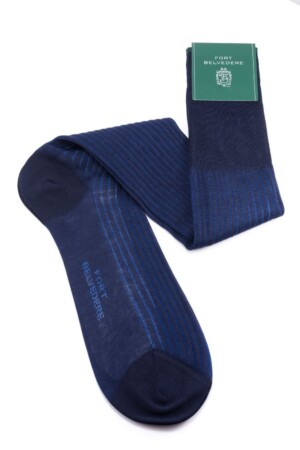
Preston’s choice is a vibrant yet refined take on the classic suit, ideal for spring or summer events. He grounds his outfit in formality with a crisp white French-cuff shirt, but injects playfulness with a royal blue suit—a shade more lively than traditional navy. Vintage silver-toned cufflinks and a harmonizing tie bar add a touch of timeless elegance. His footwear, dark brown Adelaide-styled Oxfords, anchor the look in traditional formality, while two-tone shadow stripe socks in navy and royal blue subtly echo the suit’s color. The tie, a vintage Robert Talbott piece, features a bright turquoise tone with royal blue stripes, creating a striking analogous color scheme. A white linen pocket square with a distinctive blue wave edge from Fort Belvedere adds character, and a light blue Veronica Persica boutonnière provides a delicate, festive flourish.
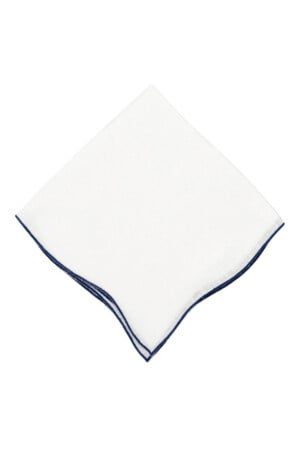
Stylist’s Observation: "Preston expertly navigates the semi-formal brief by retaining classic structures while embracing color. The royal blue suit, far from being outlandish, feels fresh and celebratory, perfectly offset by the grounding formality of the Oxfords and white shirt. The subtle coordination of blues through the tie, socks, and boutonnière demonstrates a keen eye for detail."
3. Jack: The Dark Evening Silk & Moleskin
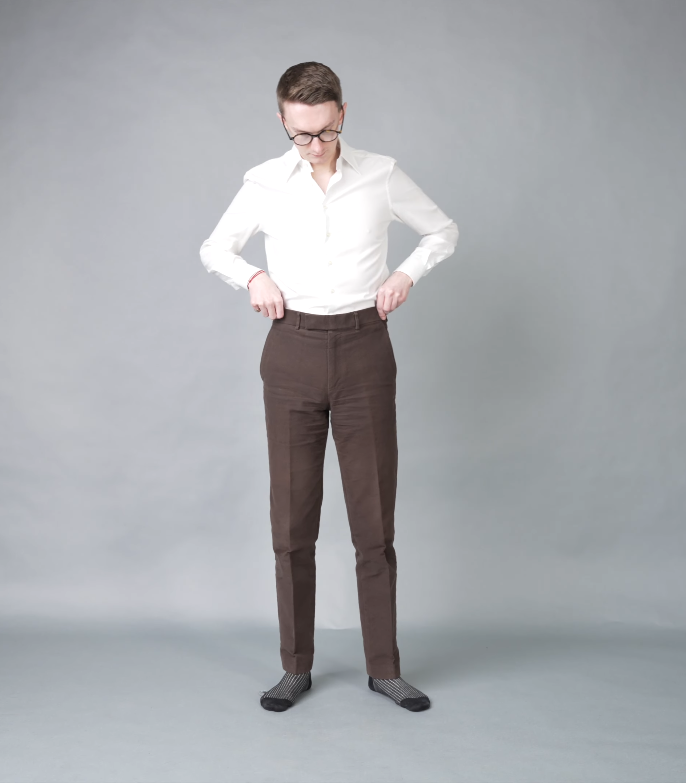
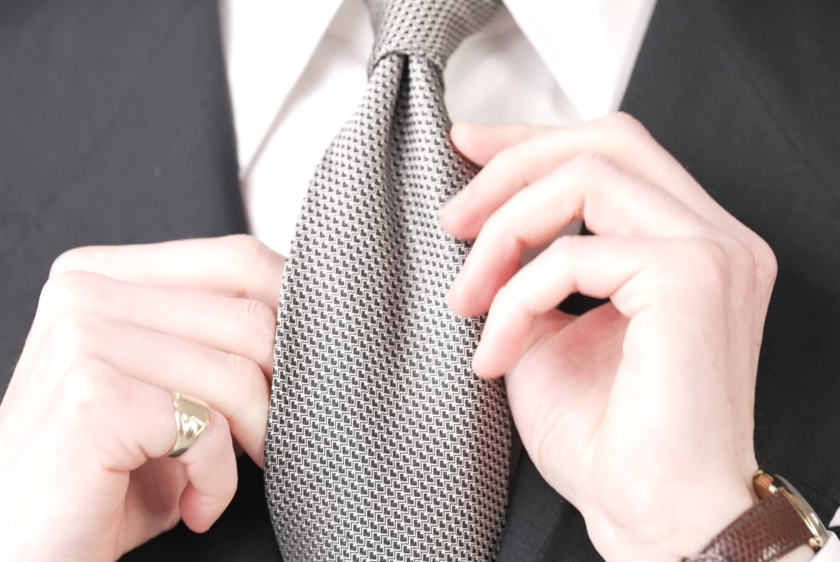
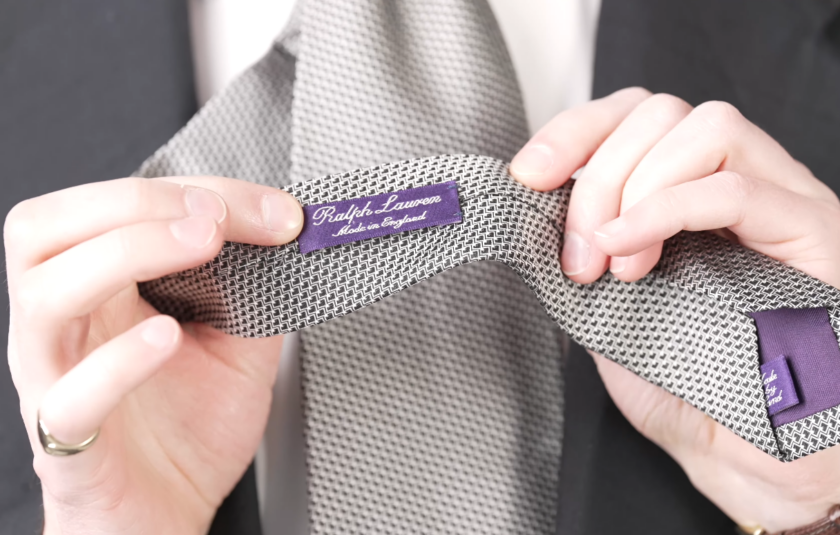
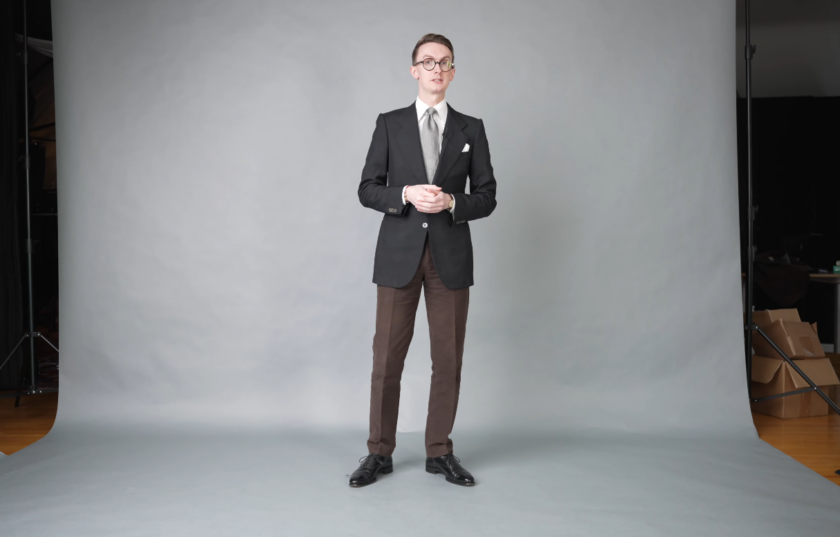
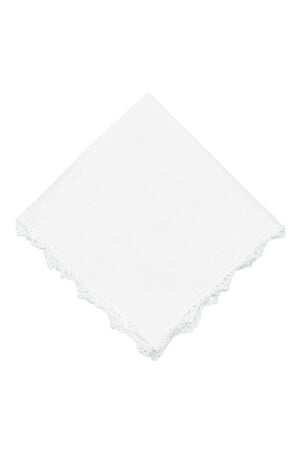
Inspired by James Bond’s sophisticated yet understated style in Quantum of Solace, Jack presents a compelling evening semi-formal look. He builds his foundation with black and white shadow-striped socks and dark brown moleskin trousers, offering a rich, tactile contrast. A plain white Suitsupply shirt with a pleasing collar and single cuff maintains classic elegance. His choice of black cap-toe Oxfords from the Kingsman collection by George Cleverley, with their elongated toe and narrow waist, injects a high degree of formality. For his tie, he selects a silver wedding tie – a Ralph Lauren Purple Label piece featuring a black and white micro-pattern, acquired vintage. The distinctiveness of his ensemble comes from a black dupioni silk jacket. Its natural slubby texture prevents it from appearing too formal, like a mismatched dinner jacket. A white linen pocket square with a hand-crocheted edge adds a touch of playful sophistication. Finally, a vintage J.W. Benson manual-wind watch in yellow gold with a dark brown lizard-skin strap completes the look, emphasizing timeless elegance.
Etiquette Consultant’s Note: "Jack’s outfit showcases the power of texture and tonal contrast. The dark palette, while inherently formal, is softened and made social by the matte moleskin and the unique character of the dupioni silk. It’s a masterful example of balancing respect with individual panache for an evening event."
4. Marcus: The Versatile Navy Brogue
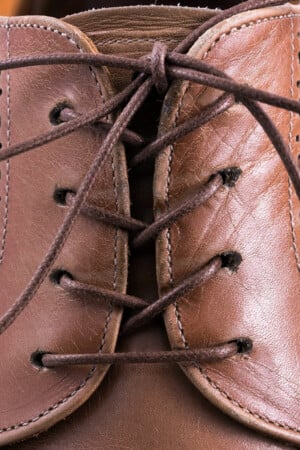
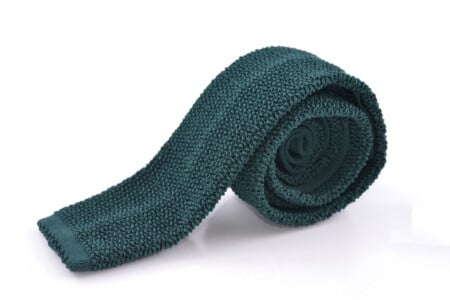
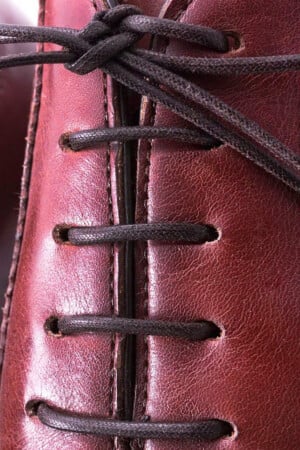
For a year-round, highly adaptable semi-formal option, Marcus presents a navy suit paired with carefully chosen accessories. The suit itself, while a perennial classic, features a subtle pattern that lends it a distinctive character, preventing it from appearing like standard office wear. He selects a crisp white dress shirt as a foundation. Rather than a plain tie, Marcus opts for a Fort Belvedere hunter green silk knit tie, whose "crunchy" texture adds a tactile dimension and a pop of sophisticated color. This green is echoed in a Fort Belvedere moss green geometric medallion silk-wool pocket square, creating a cohesive accessory story. On his feet, Marcus wears dark brown brogued Derby shoes, providing a slight casualization compared to plain Oxfords, making them suitable for a broader range of semi-formal settings. Dark brown waxed cotton shoelaces ensure a polished finish.
Fashion Historian’s Commentary: "Marcus’s ensemble highlights the enduring power of the navy suit when thoughtfully accessorized. The choice of a knit tie and brogued shoes subtly shifts the formality from corporate to celebratory, demonstrating how small details can entirely recontextualize a classic garment. It’s a testament to the idea that familiarity, when rendered with care, can be incredibly effective."
5. Kyle: The Reimagined Pinstripe Suit
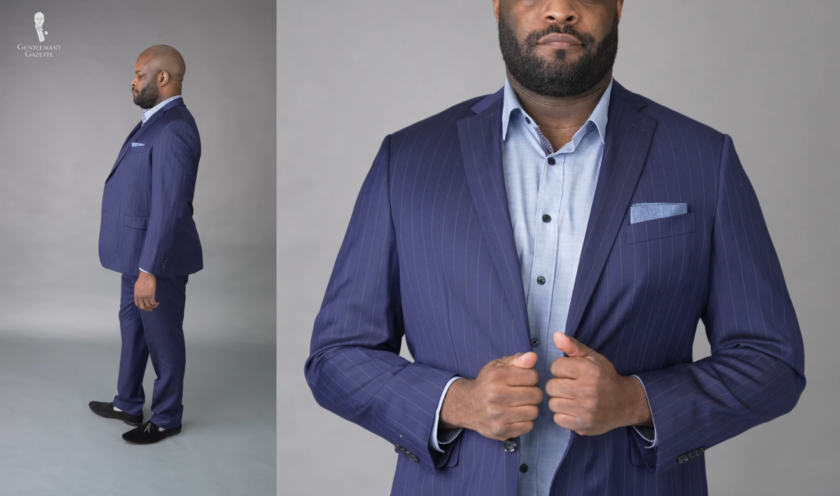
Kyle challenges traditional perceptions by recontextualizing the navy pinstripe suit, typically associated with business, for a social setting. He wears a two-piece navy blue pinstripe suit, but strategically lightens the overall feel. Light gray socks are chosen to subtly draw out the pinstripe, creating a cohesive vertical line. A light blue shirt with a contrasting placket adds a modern, relaxed touch, moving away from the starkness of a plain white business shirt. Crucially, Kyle eschews traditional lace-up dress shoes in favor of elegant dark loafers, a choice that instantly shifts the suit’s formality from the boardroom to a more relaxed, social environment. He completes the look with a fantastic Fort Belvedere sky blue two-tone linen pocket square with pale blue hand-rolled X-stitch edges, adding another layer of intentional, celebratory detail.
Contemporary Menswear Critic’s View: "Kyle’s outfit is a masterclass in reinterpretation. Taking a garment with strong business connotations and making it semi-formal for a wedding is a bold move that pays off when executed with such precision. The loafers and contrasting placket shirt are key elements that successfully de-formalize the pinstripe, proving that rules can be bent, not broken, with intelligent styling."
Common Pitfalls and Essential Prohibitions
Understanding what to avoid is as crucial as knowing what to wear when navigating semi-formal dress codes. Several critical missteps can lead to a sartorial faux pas, undermining the respectful tone intended for the event.
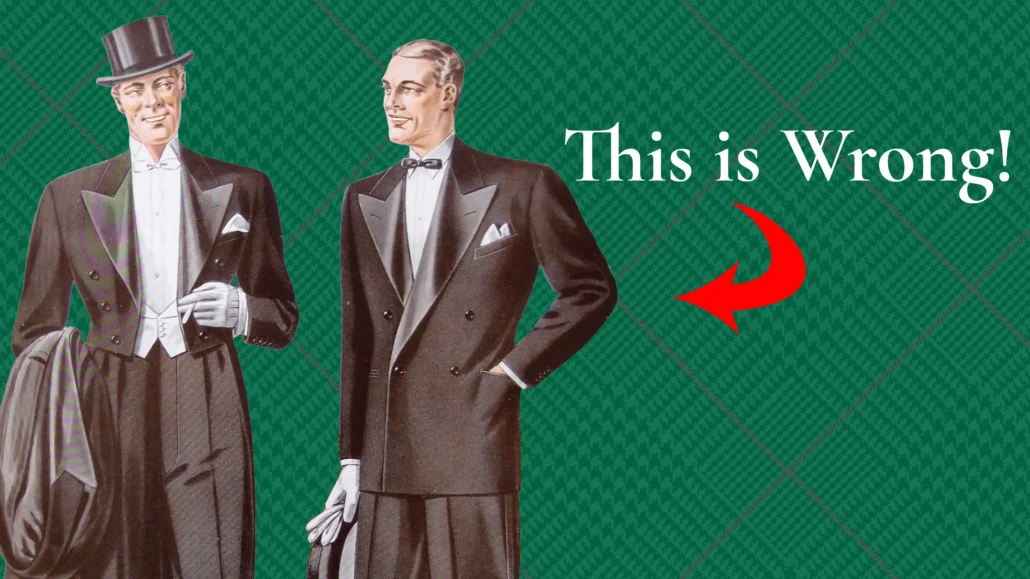
- Tuxedos: While inherently formal, a tuxedo is strictly reserved for Black Tie or White Tie events. Wearing one to a semi-formal occasion is overdoing it and can appear as if you’ve misunderstood the invitation, potentially upstaging the hosts.
- Casual Wear: Denim, sneakers, polo shirts, shorts, and t-shirts are strictly prohibited. These items convey a lack of effort and disrespect for the significance of the event.
- Overly Flashy Attire: Anything neon, excessively sequined, or attention-grabbing should be avoided. The goal is elegance and respect, not to draw focus from the happy couple.
- Ill-Fitting Garments: Even the most expensive suit will look sloppy if it doesn’t fit well. Ensure your jacket, trousers, and shirt are properly tailored.
- All-Black Outfits: While black can be elegant, an all-black suit, shirt, and tie can lean too heavily towards funeral attire or a nightclub look. If opting for a black suit or jacket, introduce color or texture through a crisp white shirt, a patterned tie, or a vibrant pocket square to maintain a celebratory feel.
Broader Implications and Future Trends
The persistent relevance of the semi-formal dress code reflects a broader societal trend: a desire to maintain a sense of occasion and respect without returning to the rigid formality of previous eras. It allows for a celebration of milestones, such as weddings, with an air of elegance that still feels accessible and comfortable for guests. This balance is likely to continue evolving, with hosts increasingly providing clearer guidance (e.g., "cocktail attire," "dressy casual") to mitigate guest anxiety.
For the fashion industry, the demand for versatile, high-quality separates that can be mixed and matched to achieve semi-formal looks presents a growth opportunity. Brands focusing on intentional design, quality fabrics, and versatile styling options are well-positioned to cater to this ongoing need.
In conclusion, navigating the semi-formal dress code for a wedding doesn’t have to be a source of stress. Instead, it offers a wonderful opportunity for guests to demonstrate respect for the occasion while subtly expressing their individual style. By understanding the historical context, embracing intentional choices in color, texture, and accessories, and avoiding common pitfalls, any guest can confidently achieve a polished and appropriate look. The golden rule remains: dress intentionally, thoughtfully, and always remember to complement, never upstage, the happy couple.