









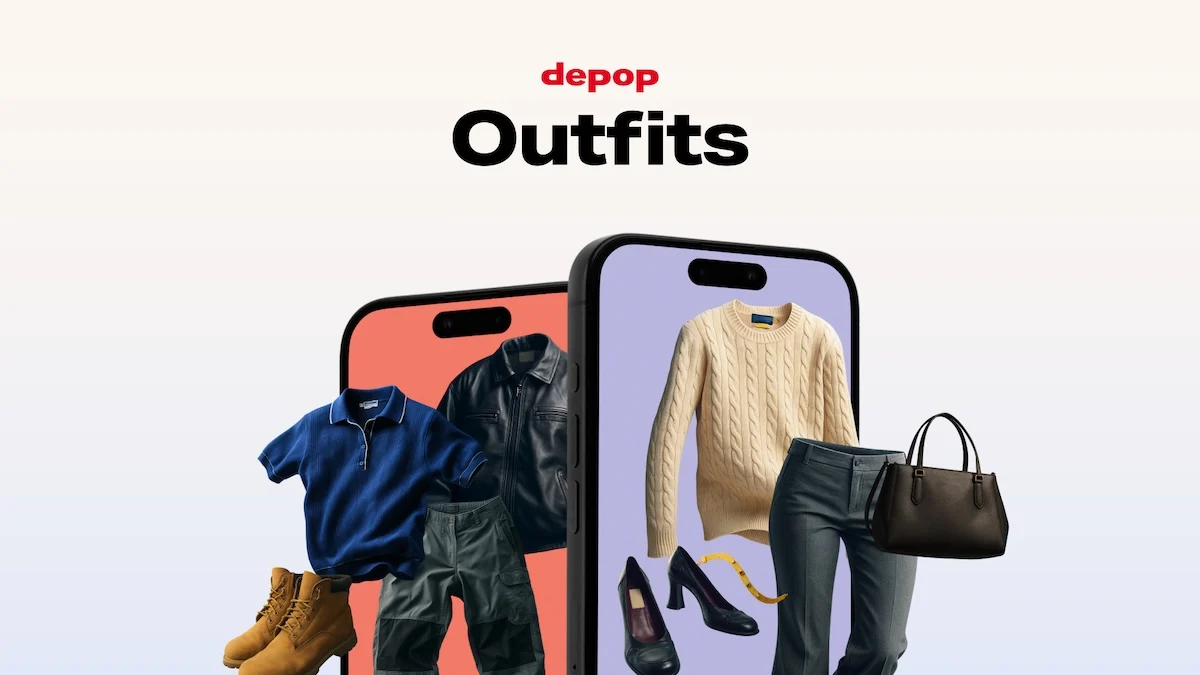
The fashion resale landscape is undergoing a significant transformation as digital marketplaces transition from simple transactional platforms into immersive, social-driven ecosystems. Depop, the London-based peer-to-peer social e-commerce company, has officially announced the rollout of "Outfits," a sophisticated styling and collaging tool engineered to cater to the creative demands of its predominantly Gen Z user base. This strategic feature launch represents a pivot toward curation-led commerce, allowing users to move beyond single-item listings and instead curate comprehensive aesthetic visions through a mood board-like interface.
The "Outfits" feature is designed to empower both casual buyers and professional resellers by providing a suite of creative tools within the native Depop application. To access the functionality, users select a specific item they wish to highlight and engage the "scissors" icon located on the right-hand side of the interface. This action triggers a dedicated workspace where the chosen garment can be isolated, resized, and layered with other items, accessories, and decorative elements. The tool includes a variety of customization options, such as vibrant background colors and pre-designed templates that serve as layout guides for those seeking a structured aesthetic.
Technical Functionality and Shoppable Integration
A critical component of the "Outfits" tool is its seamless integration with Depop’s existing e-commerce infrastructure. Every item featured within a user-generated collage is fully shoppable. This functionality bridges the gap between digital art and direct consumption, allowing followers to purchase an entire ensemble or specific components of a styled look with a few taps. In a move to mitigate the friction of inventory turnover—a common challenge in the one-of-a-kind resale market—Depop has integrated an intelligent suggestion engine. If a specific item within a collage has already been sold, the app automatically generates recommendations for similar alternatives, ensuring that the creative content remains a viable sales funnel even after the original inventory is exhausted.
This technological addition serves a dual purpose: it enhances the user experience for buyers looking for sartorial inspiration and provides sellers with a powerful marketing tool. By presenting items in a styled context, sellers can demonstrate the versatility of their inventory, potentially increasing the average order value (AOV) as buyers are encouraged to purchase multiple pieces to complete a look.
Strategic Alignment with Gen Z Consumer Behavior
The launch of "Outfits" is not an isolated development but rather a calculated response to broader trends in youth digital culture. For Gen Z, fashion is frequently filtered through the lens of "aesthetics"—specific subcultural styles such as "cottagecore," "Y2K," or "dark academia." Collaging has become the primary medium through which these aesthetics are communicated and shared. By internalizing these creative behaviors, Depop is attempting to reclaim social engagement that might otherwise occur on external platforms like Pinterest or Instagram.
The strategic move mirrors successful initiatives by other tech giants. In 2022, Pinterest launched "Shuffles," a standalone collage-making app that quickly gained viral status on TikTok. The popularity of Shuffles among younger demographics prompted Pinterest to integrate its core features directly into its main platform. Depop’s "Outfits" follows a similar logic, recognizing that the "mood board" is the modern-day storefront window for the digital native. To further capitalize on this trend, Depop has enabled users to export static images of their curated outfits directly to social media platforms, effectively turning every user-generated collage into a cross-platform advertisement for the Depop ecosystem.
Financial Performance and Market Trajectory
The introduction of the "Outfits" tool comes at a period of robust financial performance for Depop. According to the Q2 2025 earnings report released by Depop’s parent company, Etsy, the resale platform has maintained a steep growth curve. Depop reported a 34.7% year-over-year increase in Gross Merchandise Sales (GMS) on a currency-neutral basis. This growth trajectory is particularly notable given the broader fluctuations in the e-commerce sector following the post-pandemic normalization of retail.
Currently, Depop is on a run rate to exceed $1 billion in annual GMS. This milestone would solidify its position as a dominant force in the secondary fashion market, particularly within the United Kingdom and the United States. In comparison, competitors such as the Japanese marketplace Mercari reported a Gross Merchandise Value (GMV) of approximately $728 million for the fourth quarter of 2024. While Mercari maintains a strong presence in the general resale category, Depop’s hyper-focus on fashion and community-driven curation has allowed it to command a premium position among high-intent fashion consumers.

Chronology of Depop’s Evolution
To understand the significance of the "Outfits" launch, it is necessary to examine the platform’s evolution over the past decade:
- 2011: Depop is founded in Italy by Simon Beckerman, originally as a social network for readers of PIG magazine to buy items featured in the publication.
- 2012–2019: The platform relocates to London and experiences explosive growth, becoming the go-to app for Gen Z "side hustlers" and vintage enthusiasts.
- 2021: Etsy, Inc. acquires Depop for $1.62 billion, a move intended to help Etsy capture a younger demographic and expand its footprint in the apparel sector.
- 2022–2023: Under Etsy’s ownership, Depop focuses on improving search algorithms, buyer protection programs, and seller tools to professionalize the marketplace.
- 2024: The platform introduces AI-driven descriptions and enhanced image recognition to streamline the listing process.
- 2025: The launch of "Outfits" marks the transition from functional utility to creative social commerce.
Implications for the Resale Industry
The move toward integrated styling tools suggests a maturing of the resale industry. As the market becomes more crowded with players like Vinted, Poshmark, and The RealReal, platforms can no longer rely solely on the volume of listings to attract users. Differentiation now lies in the "experience" of shopping.
Industry analysts suggest that Depop’s focus on collaging may solve one of the primary hurdles of secondhand shopping: the lack of visual merchandising. In traditional retail, brands spend millions on lookbooks and window displays to show consumers how to wear their products. In the fragmented world of resale, that responsibility falls on the individual seller. By providing professional-grade styling tools to the average user, Depop is democratizing visual merchandising, potentially leading to higher conversion rates across the board.
Furthermore, this feature addresses the "sustainability" narrative that drives much of Depop’s brand equity. By encouraging users to "style" and "re-style" items into different outfits, the platform promotes a more thoughtful approach to consumption. Rather than buying a single-use outfit for a specific event, users are invited to see how a vintage blazer can be reimagined across five different aesthetic mood boards.
Official Reactions and Market Sentiment
While Depop has not released specific internal projections regarding the impact of "Outfits" on user retention, the company has emphasized that the feature was developed in direct response to user feedback. "Our community has always been at the forefront of fashion trends and digital expression," a company spokesperson noted during the announcement. "The ‘Outfits’ tool is a natural extension of the creative ways our users are already interacting with the platform."
Market sentiment remains largely positive. Investors in Etsy, Inc. have viewed Depop as a vital growth engine for the conglomerate, particularly as the core Etsy marketplace faces headwinds in the handmade and craft categories. The 34.7% GMS growth reported in Q2 2025 has provided a much-needed boost to investor confidence, signaling that Depop’s specific brand of social commerce is resilient and scalable.
Conclusion: The Future of Social Commerce
The launch of "Outfits" is a clear indicator that the future of e-commerce is not just about the "buy" button; it is about the creative journey that leads to it. By blending the artistic freedom of a design tool with the logistical power of a global marketplace, Depop is positioning itself as more than just a resale app—it is becoming a digital atelier for the next generation of fashion icons.
As the platform moves toward its $1 billion GMS milestone, the success of features like "Outfits" will be measured by their ability to keep users within the app’s ecosystem. In an attention economy where platforms are constantly vying for the limited screen time of Gen Z, providing a space for creative play may be the most effective strategy for ensuring long-term commercial dominance. For now, Depop’s "Outfits" stands as a testament to the power of community-centric design in the rapidly evolving world of digital retail.