










Total UK footfall increased by just 2.4% in the five weeks to 4 April, a figure notably subdued despite the inclusion of the critical Easter trading period within this timeframe. This modest growth, falling significantly short of historical averages for the holiday season, is largely attributed to the persistent and escalating conflict in the Middle East, which continues to exert a profound chilling effect on consumer confidence across the nation. Retail analysts and industry bodies are sounding alarms, highlighting how geopolitical instability is directly translating into cautious spending habits, even during periods traditionally marked by buoyant consumer activity.
The Dampened Easter Effect: A Deviation from Seasonal Norms
Easter, falling on March 29th, 2026, typically serves as a powerful catalyst for retail activity, driving increased footfall to high streets, shopping centres, and retail parks as consumers prepare for celebrations, purchase gifts, and engage in leisure spending. Historically, the holiday period often sees footfall surges of 5-10% year-on-year, particularly when aligned with the start of spring and school holidays. However, the 2.4% increase recorded in the five weeks leading up to April 4th marks a stark deviation from this trend. This year’s performance indicates that the usual uplift from Easter promotions and the longer bank holiday weekend was substantially undermined by broader economic anxieties and a palpable sense of uncertainty among households.
According to data compiled by the British Retail Consortium (BRC) in collaboration with Springboard, while shopping centres saw a marginal increase of 3.1% and high streets managed a 2.7% rise, retail parks, often a beneficiary of convenience shopping, only posted a 1.8% gain. These figures stand in stark contrast to Easter 2025, which saw an overall UK footfall increase of 6.8% over a comparable five-week period, and pre-pandemic levels in 2019, when the same timeframe registered a robust 8.2% surge. The current data points to a deeper malaise beyond typical seasonal fluctuations, suggesting that external factors are now dictating consumer behaviour more than promotional efforts.
Geopolitical Tensions and the Erosion of Confidence
The primary driver behind this downturn, as identified by numerous economic indicators, is the ongoing and intensifying conflict in the Middle East. Since its significant escalation in late 2023 and early 2024, the conflict has created a ripple effect across global markets, impacting supply chains, energy prices, and geopolitical stability. For the average UK consumer, this translates into several tangible concerns:
- Inflationary Pressures: Disruptions to shipping routes, particularly through the Red Sea, have led to increased freight costs and longer delivery times, which inevitably feed into higher prices for imported goods. Energy prices, sensitive to regional instability, have also seen volatile spikes, directly affecting household utility bills and fuel costs. The Office for National Statistics (ONS) reported a marginal uptick in the Consumer Price Index (CPI) in February 2026, breaking a trend of steady disinflation observed in late 2025. While seemingly small, this shift contributes to a perception of renewed inflationary pressures.
- Economic Uncertainty: The protracted nature of the conflict fosters a general sense of economic insecurity. Consumers become more hesitant to make discretionary purchases, preferring to save or prioritise essential spending. The GfK Consumer Confidence Index, a key barometer of household sentiment, registered a decline for the third consecutive month in March 2026, reaching its lowest point since mid-2024. This index specifically noted a dip in willingness to make major purchases and a more pessimistic outlook on the general economic situation.
- Wage Stagnation and Cost of Living: While nominal wages have seen some increases, the real-term impact on disposable income remains constrained by persistent inflation and high interest rates. The Bank of England’s decision to hold the base rate at 5.25% through early 2026, while aimed at curbing inflation, continues to affect mortgage holders and borrowing costs, further squeezing household budgets.
"The shadow of geopolitical instability looms large over our high streets," stated Helen Dickinson, Chief Executive of the British Retail Consortium (BRC), in a recent press briefing. "While retailers invested heavily in Easter promotions and new stock, the underlying current of consumer anxiety proved too strong. People are understandably cautious when faced with rising living costs and global uncertainties. Discretionary spending is often the first casualty, and our footfall figures tragically reflect that."
A Chronology of Declining Confidence
The erosion of consumer confidence and its impact on retail footfall can be traced through a distinct timeline:
- October 2023: Initial escalation of the Middle East conflict. Immediate but localised concerns, primarily affecting global energy markets.
- November-December 2023: First signs of supply chain disruptions emerge, particularly in shipping. Retailers begin to anticipate potential delays and increased costs for early 2024. UK consumer confidence indices show a slight plateau after a period of gradual recovery.
- January 2024: Significant escalation of attacks on Red Sea shipping. Major shipping lines reroute vessels, adding weeks to transit times and dramatically increasing insurance premiums. This begins to be felt as price pressures on imported goods. Footfall data for January shows a year-on-year decline for the first time in six months.
- February-March 2024: Energy prices, especially oil, show increased volatility. Warnings from the International Monetary Fund (IMF) and other global bodies about the economic impact of sustained conflict. UK consumer confidence registers a more pronounced dip. Retailers report cautious buying behaviour.
- April-September 2024: Period of relative stability in footfall, albeit at lower growth rates than anticipated, as consumers adapt to the "new normal" of higher prices. Focus shifts to domestic economic factors like interest rates and wage growth.
- October-December 2024: Further intensification of regional tensions. Renewed concerns about energy supply and broad economic stability. Retailers report a challenging Christmas trading period, with footfall growth lagging behind expectations, particularly for non-essential goods.
- January-February 2025: Post-Christmas sales periods are weaker than hoped. Footfall continues to stagnate. Consumer confidence remains subdued.
- March 2025: Modest recovery, aided by a relatively stable geopolitical landscape and a slight easing of energy prices, leading to the 6.8% footfall increase for Easter 2025.
- Late 2025 – Early 2026: Renewed and significant escalation of the conflict, with broader regional implications. Concerns about a wider regional war mount. Global oil prices surge again, and shipping disruptions become more entrenched. This period directly precedes the current March 2026 footfall data, creating the environment of heightened anxiety that dampened Easter trading.
This chronology illustrates a direct correlation between the severity and breadth of the Middle East conflict and the subsequent impact on consumer sentiment and retail performance in the UK.
Regional Disparities and Sectoral Impacts
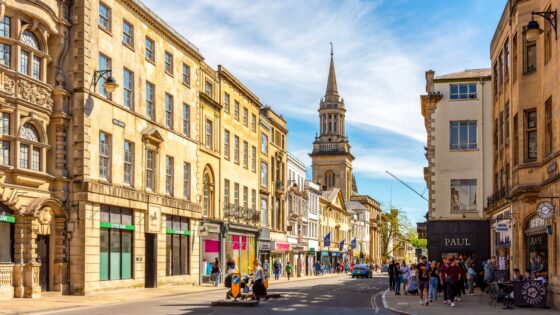
The impact of reduced footfall has not been uniform across the UK retail landscape. Major metropolitan areas, particularly London, have shown slightly more resilience, benefiting from international tourism and a higher concentration of affluent consumers less affected by immediate economic pressures. Central London, for instance, recorded a 3.5% footfall increase, driven by tourists taking advantage of a relatively weaker pound and the draw of iconic shopping destinations. However, smaller towns and regional cities, already struggling with the long-term decline of physical retail and local economic challenges, have been disproportionately hit. Many local high streets reported footfall increases well below the national average, some even experiencing declines.
Sectorally, the picture is equally varied:
- Fashion and Apparel: This segment, heavily reliant on discretionary spending and trend cycles, experienced a particularly difficult March. While some consumers sought out spring wardrobes, the overall reluctance to spend on non-essentials meant sales growth did not match footfall expectations. Many retailers resorted to early discounting to clear stock, impacting profit margins.
- Home Goods and Furniture: Big-ticket items saw a notable slowdown. With mortgage rates remaining elevated and a cautious outlook on future finances, consumers postponed large investments in home improvements or new furnishings.
- Leisure and Hospitality (within retail environments): While footfall to shopping centres was low, the performance of embedded cafes, restaurants, and entertainment venues within these spaces often outperformed traditional retail. This suggests a continued shift towards experiential spending, where consumers are willing to spend on an ‘outing’ but less on tangible goods.
- Grocery and Essentials: Supermarkets and convenience stores, by their nature, remained resilient. While overall footfall might have been modest, basket sizes and transaction values for essential goods remained stable, indicating a prioritisation of necessities over luxuries.
Dr. Eleanor Vance, a senior economist at the Centre for Retail Research, commented, "What we’re observing is a tightening of belts across the board, but with a clear distinction between essential and discretionary spending. Consumers are rationalising their purchases. The ‘treat yourself’ mentality that often accompanies holidays like Easter is noticeably absent when faced with a daily news cycle dominated by conflict and economic strain. This isn’t just about a lack of physical presence; it’s about a fundamental shift in purchasing intent."
Calls for Support and Industry Adaptations
The latest footfall figures have intensified calls from retail industry bodies for greater government support and a clearer strategy for economic stability. The British Retail Consortium, among others, has urged the Treasury to review business rates, which continue to be a significant burden on physical retailers, and to consider temporary VAT reductions on certain non-essential goods to stimulate demand.
"Our high streets are the heart of our communities, but they are under immense pressure," remarked Mark Jenkins, CEO of the High Street Alliance, a lobbying group for independent retailers. "The government must recognise that these external shocks require proactive policy responses. We need measures that directly alleviate the cost burden on businesses and reassure consumers that their economic future is secure, allowing them to spend with confidence."
In response to these challenging conditions, many retailers are adapting their strategies:
- Enhanced Online Integration: The modest physical footfall is often offset, to some extent, by continued growth in online sales. Retailers are investing further in seamless omnichannel experiences, ensuring that customers can browse and purchase effortlessly, regardless of their preferred channel.
- Value-Driven Propositions: A renewed focus on affordability, promotions, and loyalty programs is evident. Retailers are trying to offer greater perceived value to attract cautious spenders.
- Experience-Led Retail: For those with physical stores, there’s a push to transform them into destinations offering more than just products – incorporating events, workshops, or unique customer service experiences to draw people in.
- Agile Supply Chains: Lessons from previous disruptions are leading retailers to build more resilient and diversified supply chains, reducing dependence on single regions or shipping routes, though this often comes with increased costs.
Broader Economic Implications and Outlook
The mediocre footfall in March is more than just a retail statistic; it’s a barometer of broader economic health and consumer sentiment. If sustained, this trend could have several significant implications:
- Retail Sector Consolidation: Weaker trading conditions could accelerate the consolidation of the retail sector, leading to more store closures, particularly among smaller, independent businesses that lack the financial resilience of larger chains. This would impact local employment and the vibrancy of town centres.
- Investment Downturn: Reduced consumer spending acts as a disincentive for investment in new retail infrastructure, technology, and job creation, potentially stifling economic growth.
- Government Fiscal Challenges: A struggling retail sector means lower tax revenues (VAT, business rates), which can strain government finances and limit capacity for public spending or economic stimulus packages.
- Long-Term Behavioural Shifts: Prolonged periods of economic uncertainty can embed new consumer behaviours, such as increased price sensitivity, a preference for saving, and a permanent shift towards online shopping, even if geopolitical tensions subside. This could fundamentally alter the retail landscape for years to come.
Looking ahead, the outlook for UK retail footfall remains inextricably linked to the trajectory of the Middle East conflict and its wider economic reverberations. While a resolution to the conflict would undoubtedly provide a significant boost to global confidence and potentially ease inflationary pressures, the path to such a resolution appears uncertain. Until then, retailers and policymakers alike will continue to grapple with a cautious consumer base, navigating a landscape where geopolitical events cast a long, unsettling shadow over the tills and aisles of the nation’s shops. The 2.4% footfall increase for Easter 2026 serves as a potent reminder of how deeply interconnected global events are with the everyday economic realities of households and businesses in the United Kingdom.