






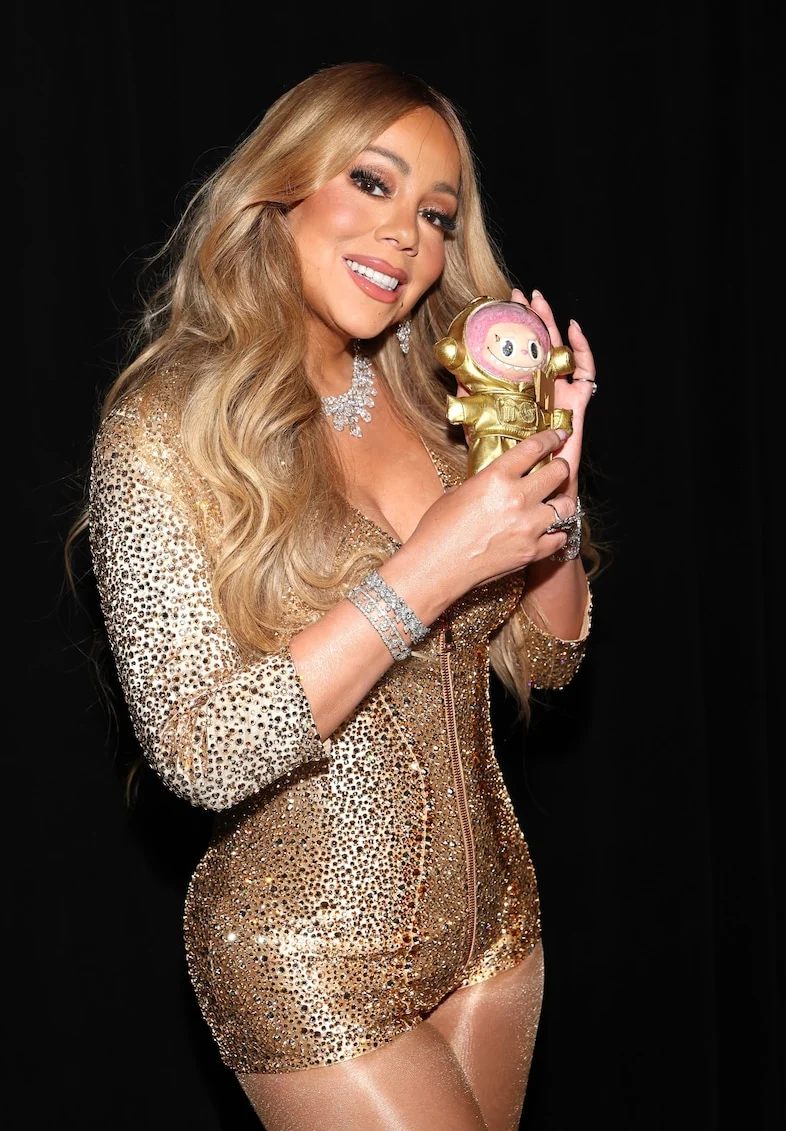
The year 2025 will undoubtedly be remembered as the zenith of the Labubu phenomenon, a period when the distinctive plush keyring, with its fluffy ears and subtly unsettling pointed teeth, transitioned from a niche collectible to an omnipresent fashion accessory. From high-fashion runways to casual family picnics, these six-inch "monsters" became a ubiquitous dangle from designer handbags, solidifying their status as the must-have accoutrement. Following in the footsteps of 2024’s general bag-charm resurgence, Labubu, in particular, captured global imagination, becoming the acceptable, almost mandatory, adornment for other accessories. Its cultural footprint was undeniable, graced by the likes of Rihanna, Madonna, Cher, and Paris Hilton. Dua Lipa and Kim Kardashian were frequently spotted with one or two adorning their luxury totes, while Lady Gaga commissioned a custom miniature replica of herself. Even Marc Jacobs famously displayed one still encased in its original plastic packaging, underscoring its collectible value, and Mariah Carey alongside the K-pop group Katseye posed with their "terrifying little elves" at the previous year’s VMAs. The reign of Labubu, orchestrated by its Chinese owner Pop Mart, appeared unshakeable, an absolute dominion over the consumer collectibles market.
Pop Mart’s Financial Paradox: Revenue Soars, Share Price Stumbles
This seemingly impenetrable empire, however, faced its first significant challenge in March 2026, when Pop Mart International Group, the Shenzhen-headquartered toy giant, released its annual earnings report. Despite a reported revenue skyrocketing to an impressive $5.4 billion (approximately 38.8 billion Chinese Yuan) for the fiscal year, a remarkable year-on-year increase that showcased the brand’s immense commercial pull, the market reacted with an unexpected jolt. Following the announcement, Pop Mart’s share price tumbled by a significant 30 percent, wiping billions off its market capitalization. This paradoxical market response — strong revenue growth met with investor apprehension — stemmed from the company’s failure to meet the consensus earnings estimates projected by financial analysts. According to Reuters, the discrepancy between actual performance and analyst expectations indicated that while sales were robust, the sheer scale of the "Labubu hype" had led to an inflated outlook that the company, despite its monumental success, could not entirely fulfill.
A deeper dive into Pop Mart’s financial disclosures revealed that Labubu, as a single intellectual property (IP), accounted for approximately 40 percent of the company’s total revenue. While this figure underscores the character’s phenomenal success and its pivotal role in Pop Mart’s growth, it simultaneously raised red flags for investors. Analysts expressed concerns about what they termed "concentration risk"—the over-reliance on a single product line or IP for a substantial portion of revenue. This situation, reminiscent of the dot-com bubble or the 2008 housing market crisis, led many to question the long-term sustainability of the Labubu craze. The fear was palpable: what would happen to Pop Mart’s revenue and, by extension, its valuation, once the inevitable ebb of a trend cycle set in? The market’s reaction signaled a growing belief that the Labubu phenomenon might be less of a sustainable market force and more of a speculative bubble, poised for an eventual burst.
The Genesis of a Global Sensation: From Nordic Folklore to Blind Boxes
To understand the current market skepticism, it is crucial to trace Labubu’s journey from artistic conception to global phenomenon. The character was originally conceived in 2015 by Hong Kong-based artist Kasing Lung. Drawing inspiration from the whimsical and sometimes mischievous creatures of Nordic folklore, Labubu was a central figure in Lung’s "The Monsters" series, which initially found life in picture books and graphic novels. Lung’s artistic vision imbued Labubu with a blend of endearing innocence and a subtle, edgy charm that resonated with art toy enthusiasts.
The pivotal moment for Labubu’s commercial expansion came in 2019 when Kasing Lung entered into an exclusive partnership with Pop Mart. This collaboration transformed his "Monsters" characters from limited-edition art pieces into mass-produced collectible plush dolls and figurines. Pop Mart, already a dominant force in Asia’s "blind box" toy market, recognized the immense potential in Lung’s unique aesthetic. The blind box sales model, where consumers purchase a sealed box without knowing which specific design or variant they will receive, proved instrumental in fueling the Labubu craze. This element of surprise, combined with the thrill of collecting rare "secret" editions, creates a powerful psychological draw, akin to gambling, which drives repeat purchases and fosters a vibrant secondary market for trading.
Initially, Labubu enjoyed significant success within Asian markets, particularly in mainland China, Hong Kong, and Southeast Asia, where Pop Mart had already established a strong foothold. Its breakthrough into mainstream Western consciousness occurred more definitively in 2024. A critical turning point was the endorsement by Lisa of BLACKPINK, who, in a "Vanity Fair" video later that year, candidly described Labubu as her "secret obsession." This single celebrity mention catalyzed an explosion of interest, particularly among younger demographics and K-pop fans globally, who quickly adopted the character as a fashion statement.
The proliferation of social media platforms, especially TikTok, further amplified Labubu’s reach. Millions of videos emerged, showcasing "unboxing" experiences where eager collectors tore open blind boxes in search of coveted variants. The highly visual and shareable nature of these videos created a viral loop, driving frenzied purchasing behavior and transforming Labubu from a toy into a cultural icon. The scarcity of certain editions and the inherent randomness of the blind box model fueled an addictive collecting habit, compelling consumers to buy multiple boxes, often leading to immediate resale or trading if their desired figure wasn’t acquired.
The Anatomy of a Hype Cycle: Celebrity, Scarcity, and Social Media
The Labubu phenomenon serves as a textbook example of a modern hype cycle, intricately woven from celebrity endorsement, perceived scarcity, and aggressive social media virality. The initial artistic merit provided a strong foundation, but it was the strategic commercialization by Pop Mart and the subsequent organic (and sometimes orchestrated) digital spread that propelled it to stratospheric levels.
Celebrity endorsements, as seen with Lisa, Rihanna, and other A-listers, bestow immediate cultural cachet. When a prominent figure is seen with an item, it signals desirability, exclusivity, and trend-setting appeal, influencing millions of followers. For Labubu, this translated into massive brand recognition and aspirational value, turning a simple plush toy into a status symbol.
The blind box mechanism inherently creates artificial scarcity and fosters a "fear of missing out" (FOMO). Consumers are driven by the desire to complete a collection or acquire a rare item, leading to compulsive buying. This model is incredibly effective for collectibles, turning the act of purchase into a gamified experience, complete with highs of discovery and lows of disappointment, which paradoxically often fuels further engagement. Pop Mart perfected this model, cultivating a dedicated community of collectors willing to spend considerable sums.
Social media, particularly platforms like TikTok and Instagram, acted as the primary accelerant. Short-form video content showcasing unboxing rituals, collection displays, and styling tips for Labubu charms generated immense user engagement. Hashtags related to #Labubu, #PopMart, and #BlindBox trended globally, creating a self-reinforcing feedback loop where visibility begat interest, and interest begat sales. The visual appeal of the characters themselves also lent well to online sharing, making them ideal subjects for digital content.
Signs of Deceleration: The Bubble’s Edge?
Despite the undeniable peak in 2025, signs of deceleration began to emerge in early 2026, coinciding with Pop Mart’s troubling earnings report. A cursory analysis of Google Trends data for the term "Labubu" worldwide reveals a significant peak in search interest around July 2025. Following this apex, interest has been on a steady decline, remaining consistently lower throughout the initial months of 2026. This data suggests that while the initial craze was explosive, the broader public’s engagement and curiosity are waning, a typical pattern for hype-driven trends that struggle to maintain momentum beyond their initial novelty.
Moreover, observable market behavior provides anecdotal evidence of this decline. While Labubu charms were ubiquitous in 2025, their presence in public spaces and on fashion accessories appears noticeably diminished in 2026. This shift indicates a potential saturation point has been reached, or perhaps that the fickle nature of fashion and trend cycles has simply moved on to the next "it" item. The high resale values for common Labubu variants on secondary markets, which were once robust, have also started to cool, further signaling a decrease in demand among casual collectors.
Pop Mart’s Strategic Countermeasures and Future Outlook
Acknowledging the potential for a "bubble burst" and the inherent risks of over-reliance on a single IP, Pop Mart is actively deploying strategies to sustain the Labubu brand and diversify its revenue streams. A major announcement last month underscored these efforts: a forthcoming "Labubu" movie from Sony Pictures. The project boasts an impressive creative team, with Paul King, acclaimed director of "Wonka" and "Paddington," slated to direct, and Tony-winning playwright Steven Levenson handling screenplay duties. This move signifies a strategic pivot from collectible toy to multimedia franchise, aiming to expand Labubu’s narrative universe and embed it deeper into popular culture, thereby creating new avenues for merchandise, licensing, and continued brand relevance.
The success of this cinematic venture will heavily depend on its ability to captivate a broad audience beyond existing collectors. Speculation abounds regarding potential celebrity involvement, particularly from the existing roster of Labubu superfans like Lisa, Dua Lipa, Mariah Carey, and Rihanna. Securing their participation, whether as voice actors or in promotional capacities, could inject a much-needed surge of renewed interest and prevent the brand from fading into obscurity.
Beyond Labubu, Pop Mart is also intensifying efforts to nurture and promote its other proprietary IPs, as well as collaborate with new artists and established brands. The company’s long-term strategy involves building a diverse portfolio of characters and expanding its retail presence globally, moving beyond its strong Asian base into European and North American markets. This diversification is crucial to mitigate the risks associated with the cyclical nature of individual product trends. Pop Mart’s financial reports have consistently highlighted its investment in research and development for new characters and product lines, aiming to reduce the percentage of revenue solely attributed to Labubu over time.
Broader Market Implications: Lessons from the Collectible Bubble
The Labubu narrative offers valuable lessons for the broader collectible toy market and the fast-paced world of IP-driven consumer goods. It highlights the immense power of social media and celebrity in rapidly elevating a product to global phenomenon status. However, it also underscores the challenges of sustaining such hype in an increasingly saturated and trend-driven market.
For investors, the Pop Mart situation serves as a cautionary tale regarding "hype stocks" and the importance of scrutinizing underlying fundamentals beyond headline revenue figures. The concentration risk, while indicative of a successful product, becomes a significant vulnerability when market sentiment shifts. Diversification, both in terms of product offerings and geographical reach, is paramount for long-term stability in the collectibles sector.
For consumers and collectors, the potential burst of the Labubu bubble reinforces the speculative nature of certain collectibles. While some items retain or appreciate in value due to genuine scarcity and cultural significance, many trend-driven items see a rapid depreciation once their moment in the spotlight fades. The emotional appeal of collecting must be balanced with a realistic understanding of market dynamics.
Ultimately, the trajectory of Labubu and Pop Mart in the coming years will be a compelling case study. Can the strategic shift towards multimedia and diversification successfully re-energize a brand showing signs of fatigue, or will Labubu join the ranks of other once-ubiquitous fads that eventually faded? The market, ever watchful, will be waiting to see if Pop Mart can defy the odds and prove that its "monsters" have more than just a fleeting moment of fame left in them.