


The UK wedding industry has recently seen a significant push toward greater inclusivity and aesthetic variety, highlighted by a new collaborative editorial project at the Port Lympne Resort in Kent. Spearheaded by the photography duo The Chamberlins and supported by the planning expertise of Ave Creations, the project serves as a contemporary tribute to the cultural vibrancy of New Orleans. By transposing the energy of "NOLA"—characterized by its unique blend of music, color, and celebration—into a British setting, the creative team sought to challenge the traditional visual narratives that have long dominated the domestic wedding market. This initiative represents a deliberate effort to broaden the industry’s visual language, offering imagery that reflects a more diverse range of couples and cultural experiences than are typically represented in mainstream bridal media.
Strategic Objectives and the Push for Diversity
The editorial was conceived not merely as a stylistic exercise but as a "passion project" with clear sociopolitical goals. Celle, a lead photographer at The Chamberlins, identified a persistent gap in the UK wedding industry regarding contemporary inspiration for People of Color (POC) and Black couples. As a Brazilian woman with a Black Brazilian mother, Celle noted the ongoing frustration felt by many couples who find the available wedding imagery to be narrow in scope. The project was therefore designed to move beyond "copy and paste" templates, providing a fresh, romantic, and diverse alternative that respects and celebrates multicultural heritage.
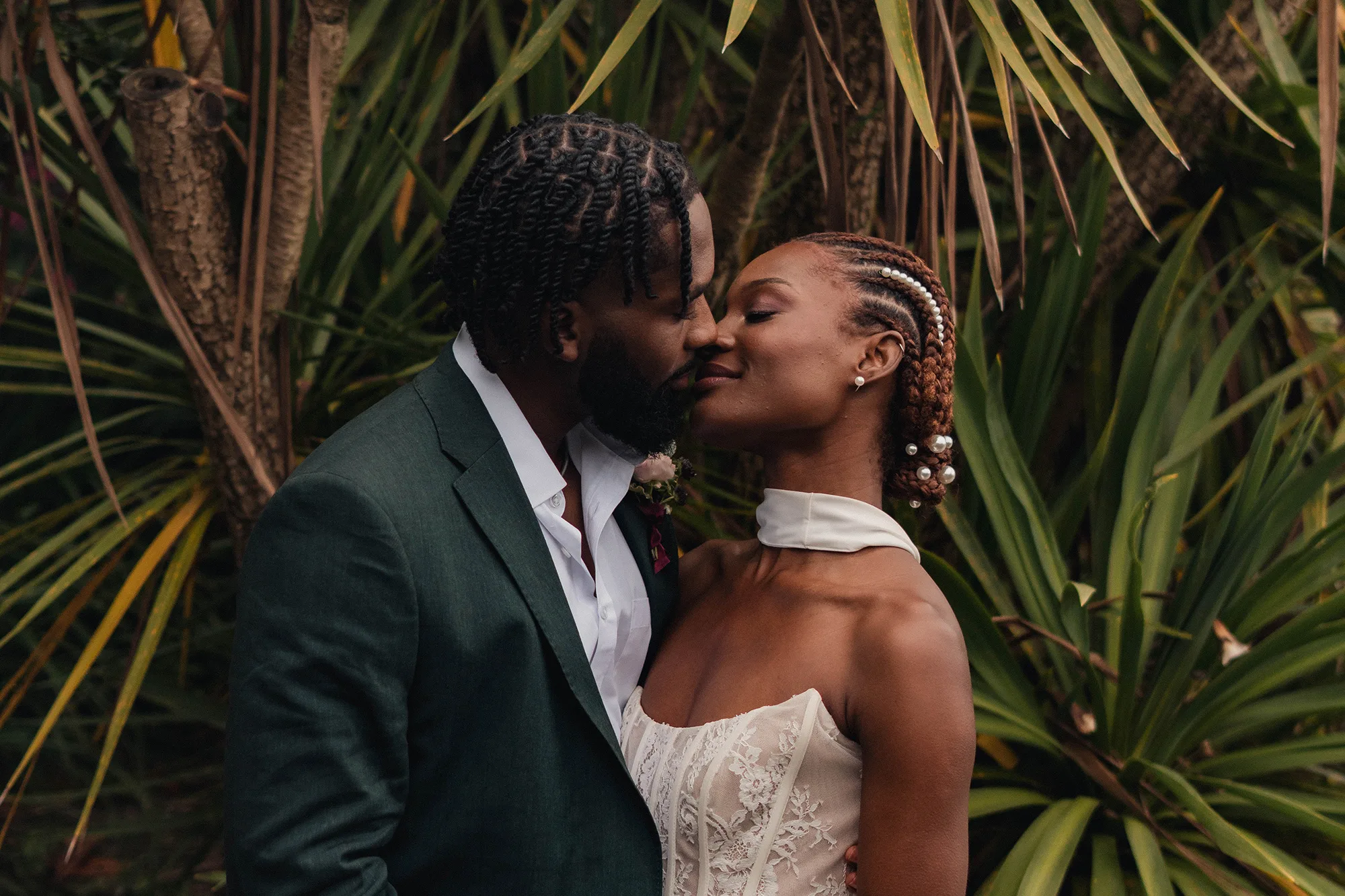
Industry data supports the necessity of such initiatives. According to various market analyses, the UK wedding industry is valued at approximately £14.7 billion annually. However, representation in bridal magazines and online platforms has historically skewed toward a specific Westernized aesthetic. By casting models Mike and Abi and collaborating with a diverse team of vendors, the project organizers aimed to demonstrate that high-end, luxury wedding aesthetics are compatible with—and enriched by—diverse cultural expressions.
Chronology of the Project and Concept Development
The project began with a conceptual phase where the organizers sought to capture the essence of Mardi Gras and the New Orleans "Second Line" tradition. New Orleans, a city deeply connected to its African American roots and French colonial history, provided a rich palette of inspiration, from the mystery of the bayous to the exuberance of jazz.
- Conceptualization: The team spent several months researching New Orleans’ cultural markers, focusing on the "Second Line" processional—a celebratory brass band parade rooted in African American traditions.
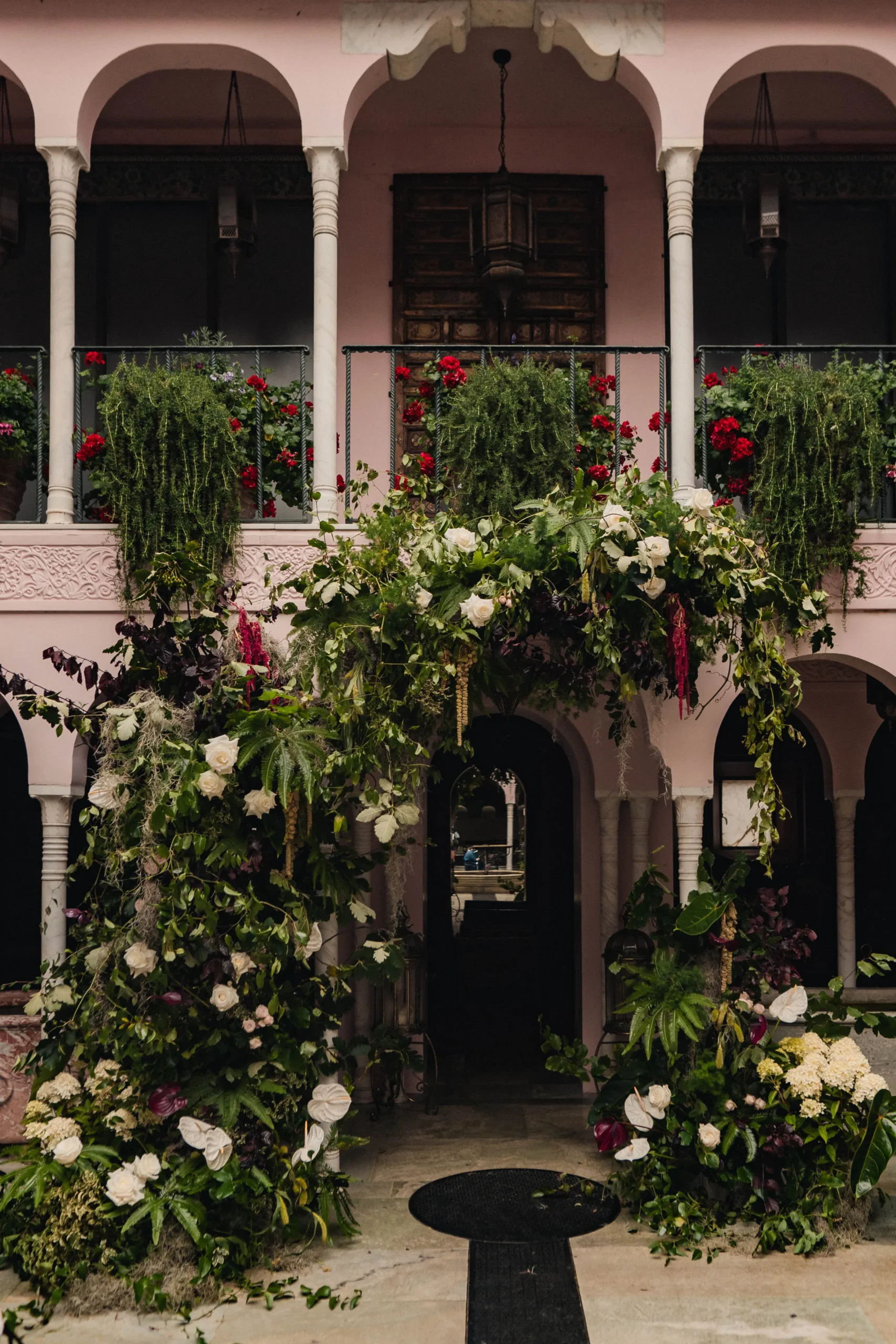
- Venue Selection: The search for a suitable UK location concluded when the team identified the courtyard at Port Lympne in Kent. The Mediterranean-style architecture and secluded atmosphere were deemed a perfect surrogate for the French Quarter’s intimate spaces.
- Collaborative Assembly: Assumpta of Ave Creations was brought on to manage the complex logistics of the large-scale shoot, ensuring that the ambitious vision was executed with professional precision.
- Production: The shoot took place across a multitude of formats to achieve a timeless, editorial feel. The photographers utilized Super 8 film, digital sensors, 35mm, and 120-medium format film to capture varying textures and light qualities.
Architectural and Environmental Context: Port Lympne
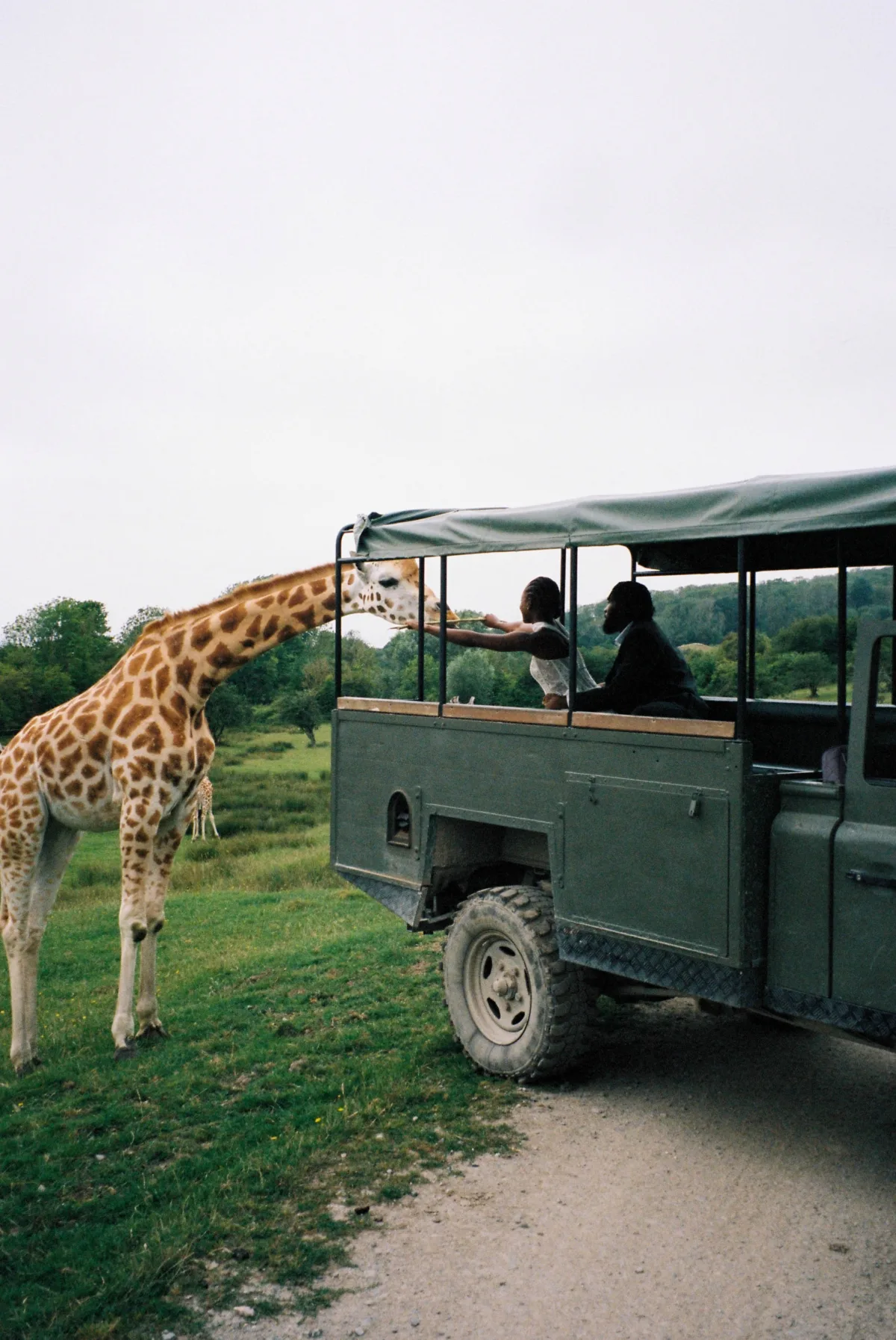
Port Lympne Hotel & Reserve, located in Hythe, Kent, provided a backdrop that is unique within the UK wedding landscape. While the resort is primarily known for its 600-acre safari park and conservation work through the Aspinall Foundation, its manor house and courtyards offer an eclectic mix of murals and vibrant reception spaces.
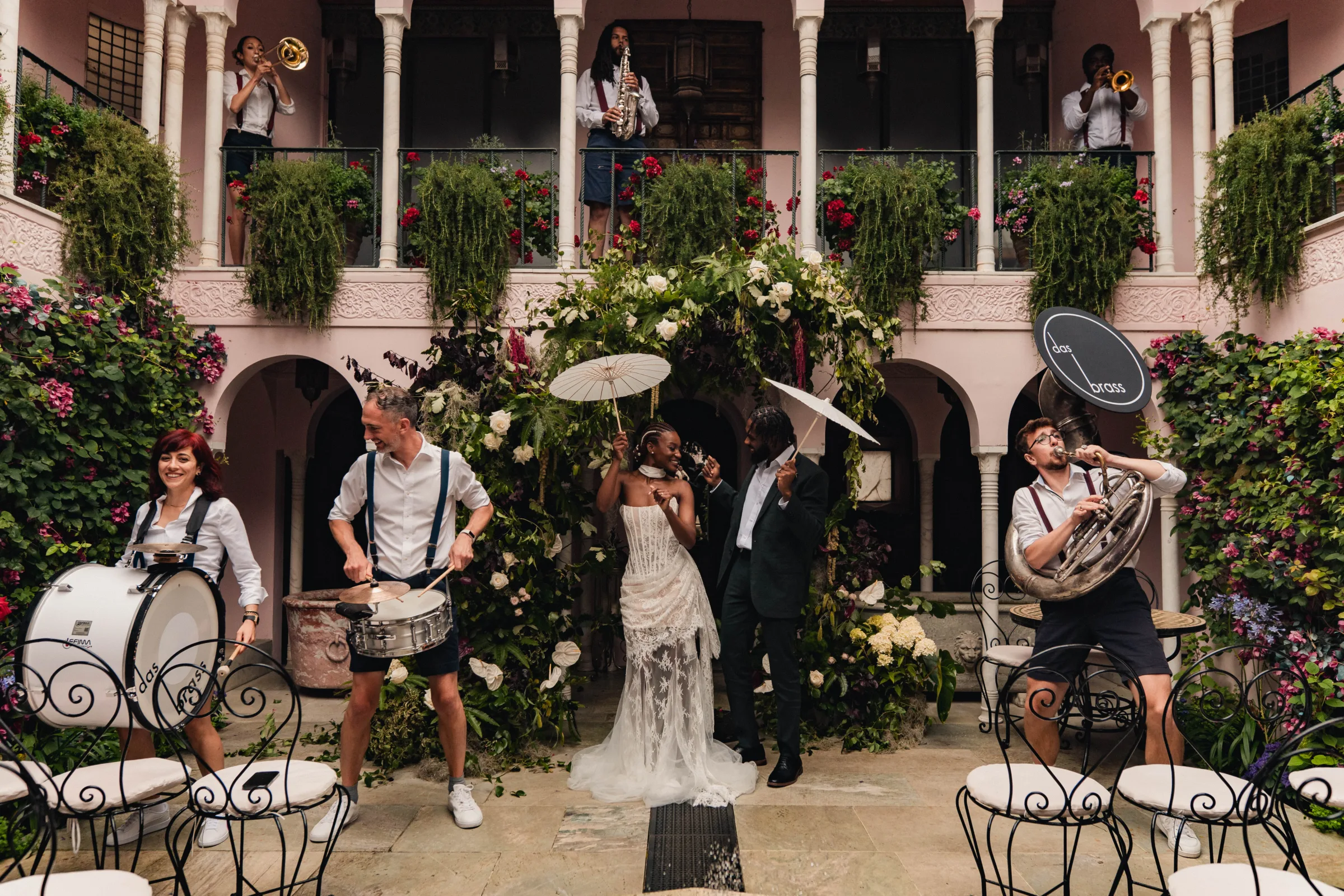
The courtyard, specifically chosen for this editorial, caters to the growing trend of "micro-weddings" and intimate ceremonies. Despite the lifting of pandemic-era restrictions, industry trends indicate that many modern couples continue to prioritize quality over quantity, seeking smaller, high-impact spaces. The venue’s ability to offer experiences such as giraffe-feeding alongside luxury accommodation adds a layer of "experiential luxury" that is increasingly sought after in the high-end wedding market.
Aesthetic Execution: Styling, Florals, and Fashion
The visual identity of the editorial was managed by stylist Nicola of Abstract Events, who translated the mood board into a tangible reality. The styling aimed to balance contemporary trends with a creative edge that avoided traditional clichés.
Floral Design and Symbolism
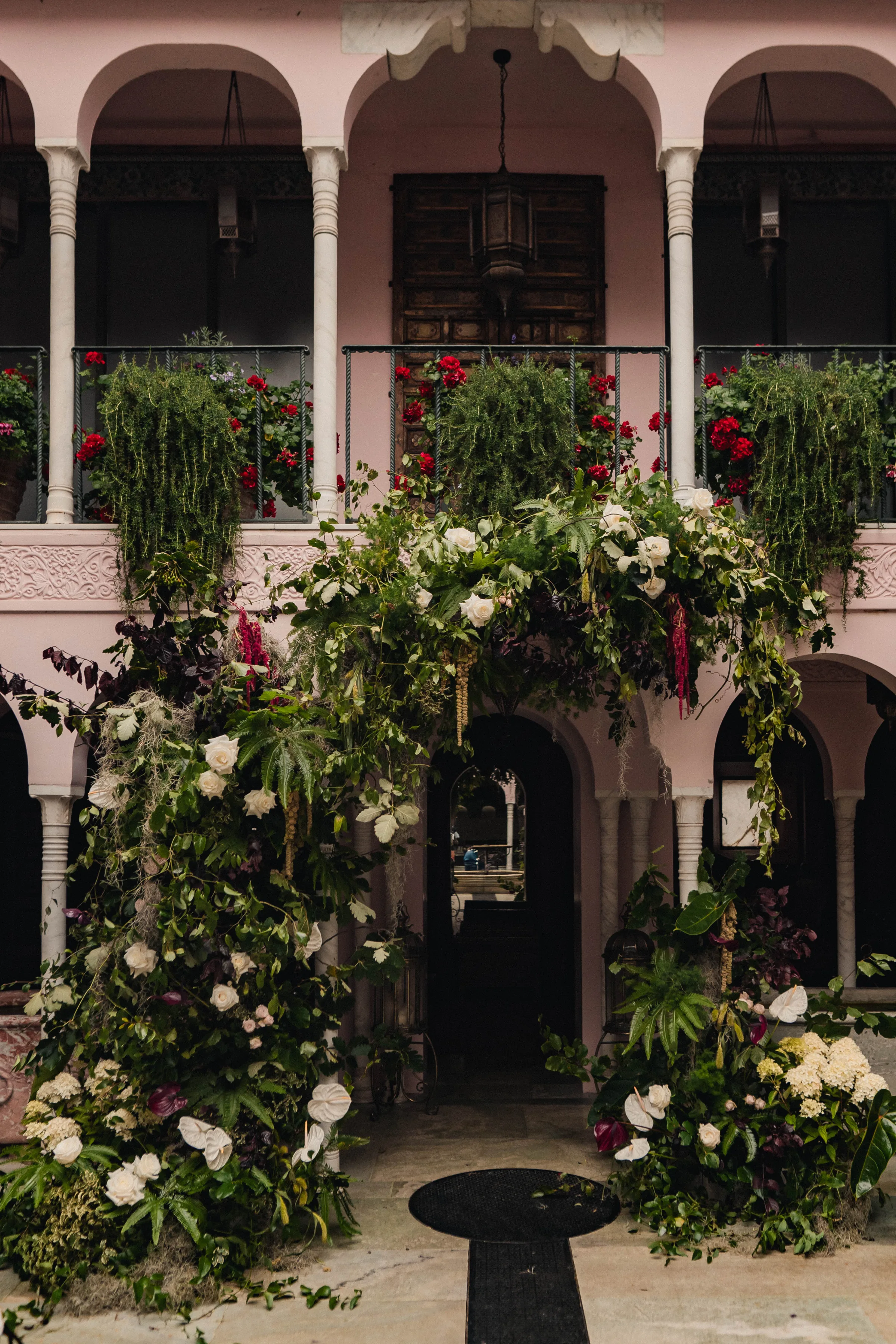
Florist Candice of Bohotany was tasked with creating arrangements that evoked the lush, humid atmosphere of Louisiana. The floral strategy included:
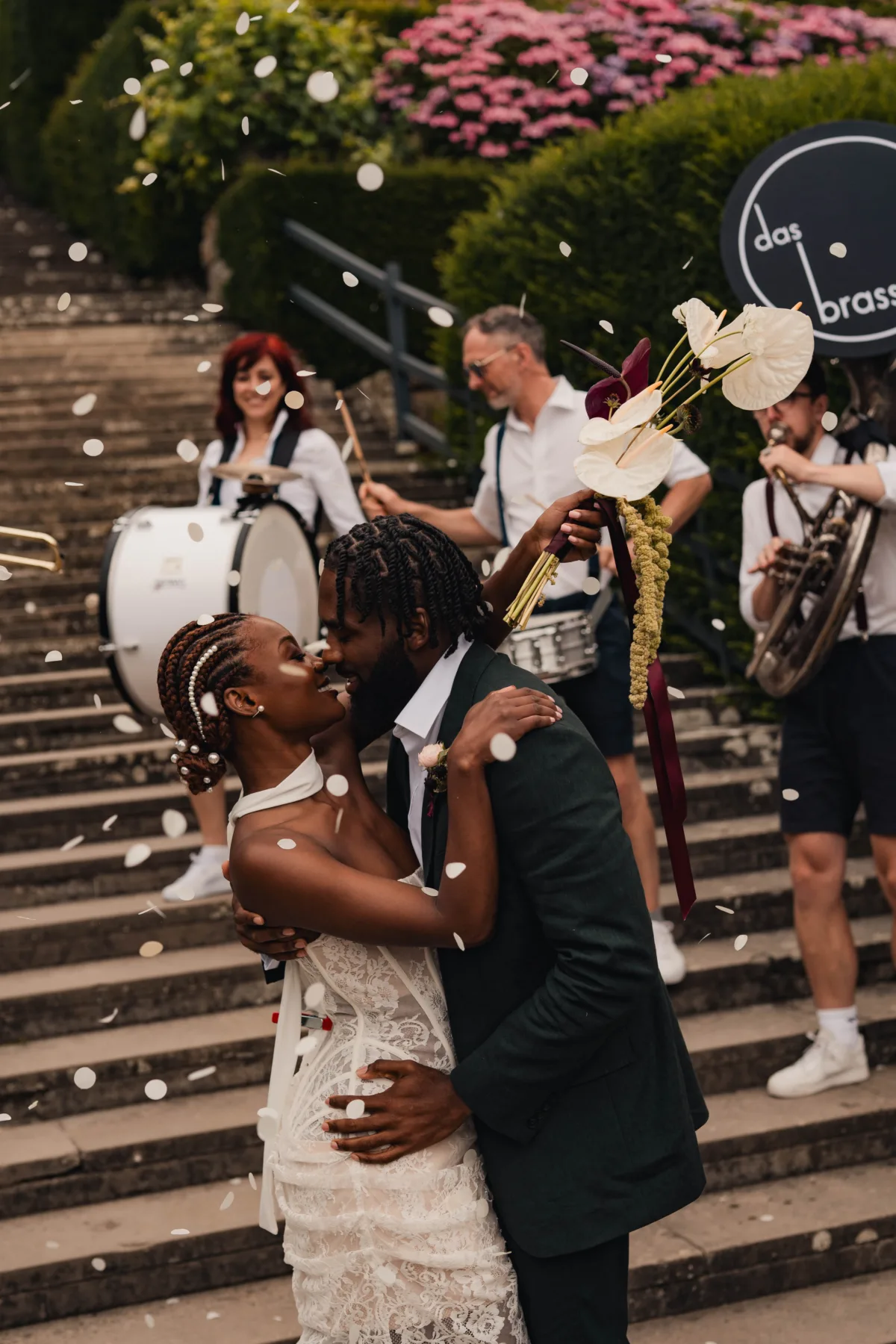
- Spanish Moss and Amaranth: Used to simulate the draping foliage of the Southern bayous.
- Mardi Gras Palette: Deep purples, zesty greens, and dark red foliages were incorporated to reflect the traditional colors of the New Orleans carnival.
- Sculptural Elements: The use of Calla lilies, anthuriums, and orchids provided a modern, architectural feel to the tablescapes and the bridal bouquet, moving away from more common "rustic" floral trends.
Bridal Fashion and Cultural Nuance
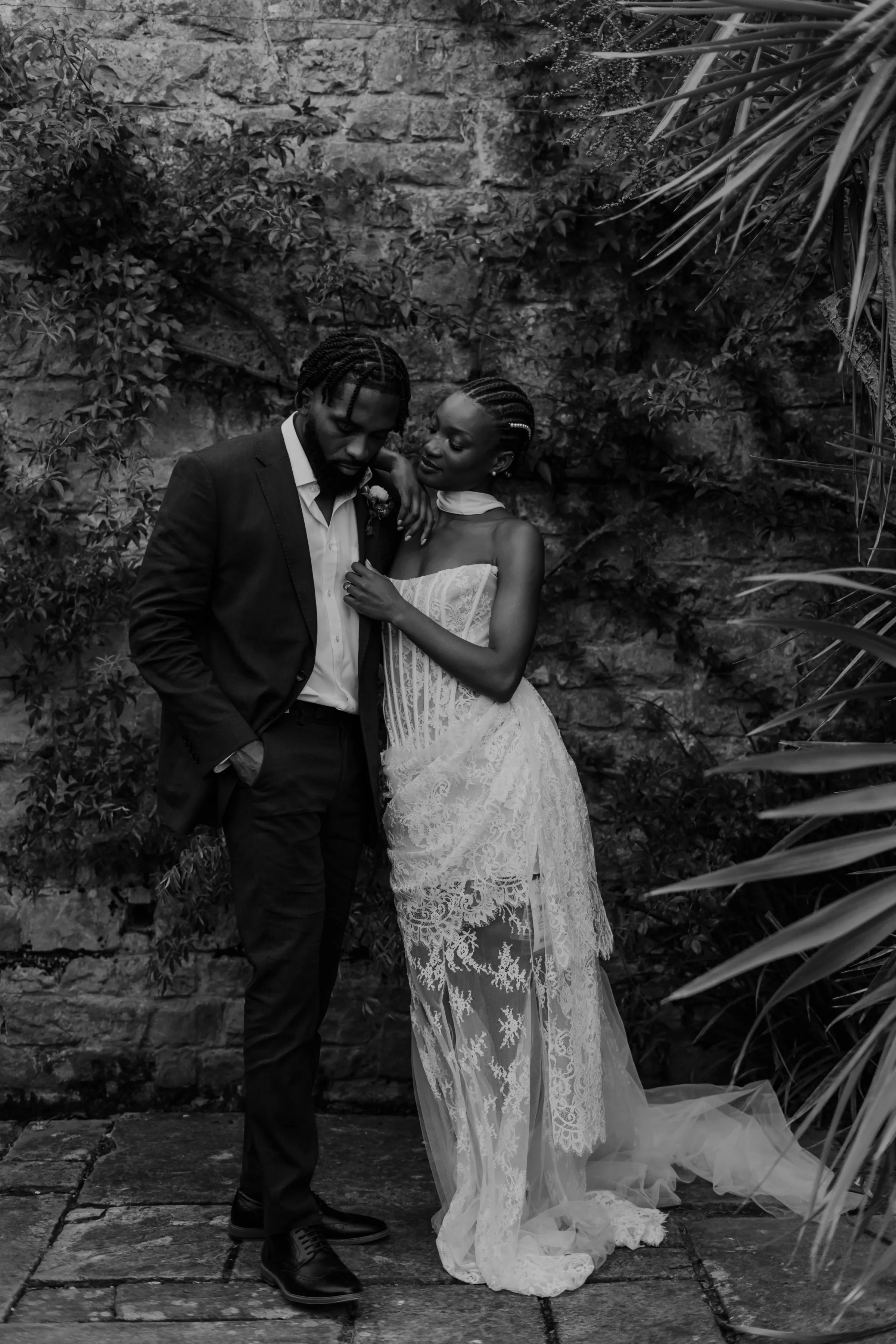
The bridal look was a critical component of the project’s mission to challenge Westernized beauty standards. The model, Abi, wore a lace mini-dress provided by Crazy in Love Bridal, which allowed for a seamless transition from a formal ceremony look to a "party" feel for the evening.
Significantly, the project addressed the concept of "wedding hair" within Black and immigrant cultures. The organizers noted that traditional bridal media often promotes straightened curls or weaves, effectively "white-washing" the bride’s natural appearance. To counter this, the team styled the model with pearls woven throughout her natural braids, showcasing a high-fashion interpretation of Black hair that remains authentic to the wearer’s heritage.
Culinary and Entertainment Traditions
To ground the editorial in the reality of a New Orleans celebration, the team integrated specific culinary and musical elements that are staples of the city’s culture.
The Oyster Bar
Oysters and shellfish are central to New Orleans cuisine. The editorial featured a mobile oyster bar by Oyster Buoys, serving fresh oysters to simulate a drinks reception. This element reflects a broader shift in the wedding industry toward interactive food stations that double as entertainment for guests.
The "Second Line" and Live Music
No tribute to New Orleans would be complete without a brass band. Das Brass was commissioned to provide the soundtrack for the shoot, mimicking the "Second Line" tradition. In a real-world application, this involves the wedding party and guests parading through the streets (or venue grounds) accompanied by a brass band, symbolizing the start of a new life together. The organizers argued that live music remains one of the most effective ways for couples to inject personality and energy into their wedding day, advocating for its continued prioritization in wedding planning.
Broader Industry Implications and Analysis
The Port Lympne editorial serves as a case study for how the UK wedding industry can evolve to be more inclusive. By focusing on high-production values and a clear cultural narrative, the project demonstrates that diversity is not just a "checklist" item but a source of immense creative potential.
Market Trends and Representation
The "Modern Bride" is increasingly looking for representation that mirrors her own identity. Market research suggests that Gen Z and Millennial couples are more likely to book vendors who demonstrate a commitment to diversity in their portfolios. For photographers and planners, projects like this are essential for reaching a demographic that has historically felt ignored by the "white-wedding" industry.
The Role of Editorial Work
While stylized shoots are often seen as aspirational, they play a vital role in setting the "visual language" of the industry. When a major publication or a respected venue like Port Lympne showcases diverse imagery, it signals to both couples and other vendors that the industry is expanding. The effort required to produce such work—involving clarity, commitment, and substantial financial investment—reflects a professional dedication to social change through art.
Conclusion and Future Outlook
The collaboration between The Chamberlins, Ave Creations, and the vendor team at Port Lympne stands as a significant contribution to the UK’s bridal landscape. By successfully infusing the spirit of New Orleans into the heart of Kent, the project proved that cultural boundaries can be bridged through thoughtful design and intentional representation.
As the wedding industry continues to navigate the post-pandemic era, the move toward personalized, culturally rich, and inclusive celebrations is expected to accelerate. The success of this editorial suggests that there is a strong appetite for wedding inspiration that prioritizes authenticity over tradition, and joy over conformity. The project organizers expressed hope that these images would inspire couples to embrace their own heritage and encourage other industry professionals to continue the work of broadening the visual narrative of weddings in the UK and beyond.