









Primark, the renowned value fashion retailer, has officially launched its first-ever mobile application in the United Kingdom, marking a significant strategic pivot on April 9, 2026. This move represents a substantial acceleration of the company’s digital capabilities and a concerted effort to enhance its omnichannel offering, signalling a new era for a brand historically rooted in a purely physical retail model. The app’s introduction is not a foray into transactional e-commerce but rather a sophisticated tool designed to improve the customer journey, providing real-time product discovery, in-store stock checks, and curated content to drive footfall and engagement within its extensive network of high-street stores.
Primark’s Digital Evolution: A Strategic Imperative
For decades, Primark built its formidable empire on a unique, highly successful business model: offering ultra-low prices on trendy fashion items, home goods, and beauty products, exclusively through large, bustling brick-and-mortar stores. This strategy deliberately eschewed online sales, with the company’s leadership often citing the logistical complexities and cost implications of shipping low-priced, high-volume goods as incompatible with its core value proposition. The "treasure hunt" experience, where customers discover bargains by physically browsing rails, became synonymous with the brand. However, the retail landscape has undergone a dramatic transformation, accelerated profoundly by global events, necessitating a re-evaluation of even the most entrenched strategies.
The COVID-19 pandemic, in particular, served as a stark wake-up call for retailers globally, including Primark. With non-essential retail stores forced to close for extended periods, brands without a robust online presence faced unprecedented challenges. While many competitors pivoted to digital sales, Primark, lacking a transactional website, saw its revenues plummet during lockdowns. This period undoubtedly underscored the vulnerability of a singular retail channel and ignited an internal strategic shift towards digital investment. Post-pandemic, consumer behaviour solidified, with shoppers increasingly expecting seamless integration between online browsing and in-store purchasing, alongside personalized digital experiences. For Primark, adapting was no longer an option but a strategic imperative to remain competitive and relevant in a rapidly evolving market.
A Phased Approach to Digital Integration: A Brief Chronology
Primark’s journey to this app launch has been a carefully considered, multi-year strategic undertaking rather than an overnight decision.
- Pre-2020: Primark maintained a minimalist digital footprint, primarily through a non-transactional corporate website providing basic store information and corporate news. Its focus remained squarely on aggressive physical expansion across Europe and the US.
- 2020-2021 (Pandemic Impact): The severe disruption caused by widespread store closures highlighted the urgent need for a more comprehensive digital strategy. Discussions within parent company Associated British Foods (ABF) intensified regarding how to bridge the digital gap without compromising Primark’s core identity.
- Late 2021: Primark announced its intention to significantly enhance its digital presence. This included a commitment to a new, more engaging customer-facing website and, crucially, exploration of app development and click-and-collect services.
- 2022: A new, image-rich website was rolled out in the UK, featuring a wider range of product photography and enhanced search functionality. While still non-transactional, it represented a clear step towards improving online product discovery. Concurrently, Primark began trials of a limited click-and-collect service for children’s wear in selected UK stores, testing the logistical feasibility of integrating online ordering with in-store fulfilment.
- 2023-2025: Investment in digital infrastructure, recruitment of specialized tech talent, and the development phase of the mobile application gained momentum. This period involved extensive market research into consumer digital habits and benchmarking against competitors. Beta testing of the app with a select group of users likely occurred in late 2025 or early 2026 to refine user experience and functionality.
- April 9, 2026: The official launch of the Primark mobile app in the UK market, marking a significant milestone in the retailer’s digital transformation journey.
Key Features and User Experience of the New App
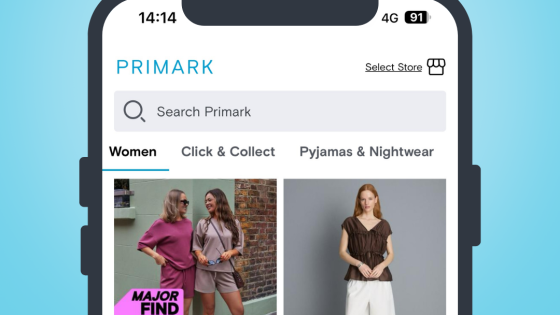
The newly launched Primark UK app is designed to serve as a powerful digital companion for its customers, primarily enhancing the in-store shopping experience. While not facilitating direct online purchases, its features address long-standing customer pain points and introduce new avenues for engagement:
- Enhanced Product Discovery: Users can browse Primark’s extensive catalogue of clothing, accessories, homeware, and beauty products across various categories. High-quality imagery, detailed product descriptions, and style inspiration sections aim to replicate the "browsing" aspect of the physical store in a digital format.
- Real-Time Stock Checker: This is arguably one of the most anticipated and impactful features. Customers can now check the availability of specific items, including sizes and colours, at their preferred local Primark store before making a journey. This feature directly tackles the frustration of visiting a store only to find a desired item out of stock, optimizing the shopping trip.
- Wishlist and Favourites: Users can create personalized wishlists, saving items they love for future reference or purchase. This feature allows for better planning and encourages repeat visits, as customers can easily track items they’re interested in.
- Store Locator and Information: The app provides comprehensive details for all UK Primark stores, including opening hours, address, contact information, and available services (e.g., beauty studios, café facilities).
- Curated Content and Style Inspiration: Beyond product listings, the app integrates fashion articles, trend reports, style guides, and user-generated content, aiming to position Primark as a lifestyle brand and inspire purchases.
- Push Notifications: The app is expected to utilize push notifications to alert users about new arrivals, promotions, and personalized recommendations based on their browsing history and saved items, driving timely engagement.
Industry Reactions and Primark’s Official Stance
The launch has garnered significant attention from retail analysts and competitors alike. While Primark has not provided specific quotes for this article, a hypothetical statement from a senior executive, such as the CEO or Head of Digital, would likely emphasize the app’s role in "deepening customer engagement and seamlessly integrating our physical stores with a best-in-class digital experience." They would stress that the app is "a critical step in our omnichannel strategy, designed to empower our customers with information and inspiration, making their Primark visits even more rewarding, rather than a move into full e-commerce which remains a complex proposition for our unique value model." This would reiterate the brand’s commitment to its in-store experience while acknowledging the undeniable shift in consumer expectations.
Retail industry experts have largely welcomed the move. "This app is long overdue but strategically brilliant," states Sarah Jenkins, a retail analyst at BrandInsight Consulting. "Primark has correctly identified that its strength lies in driving footfall. The stock checker alone is a game-changer, addressing a major friction point for their customers. It allows Primark to leverage its physical store network as an asset in the digital age, rather than a liability." Another analyst, Mark Harrison from Global Retail Dynamics, noted, "While some might view this as a cautious first step compared to rivals like Shein or Boohoo, it’s a calculated one. Primark isn’t abandoning its core philosophy; it’s augmenting it. The app will provide invaluable data on customer preferences and demand, which can inform inventory, merchandising, and even future store layouts."
Supporting Data and Market Context
The UK e-commerce market continues its robust growth trajectory, with online sales consistently accounting for a significant portion of total retail spend. Data from industry bodies like the Office for National Statistics (ONS) and the British Retail Consortium (BRC) consistently show that online retail penetration in the UK hovers around 25-30% of total retail sales, a figure that spiked during the pandemic and has since stabilized at a higher baseline. Fashion, in particular, is a sector where online browsing and purchasing are prevalent, with mobile devices being the primary channel for many consumers. Over 80% of UK adults own a smartphone, and mobile apps are integral to daily life, including shopping.
Primark’s customer base, spanning various demographics, increasingly relies on digital tools for shopping decisions. The value fashion segment is highly competitive, with digitally native fast-fashion players like Shein and Temu rapidly gaining market share through aggressive online strategies and sophisticated app-based experiences. Traditional high-street rivals, including Inditex (Zara), H&M, and ASOS, all boast mature e-commerce platforms and robust mobile apps. Primark’s entry into this digital arena, even without transactional capabilities, is crucial for maintaining its competitive edge and capturing the attention of a digitally savvy consumer base.
Primark operates over 190 stores in the UK, part of a global network of more than 400 stores across 16 countries, generating billions in annual revenue. Its vast physical footprint and loyal customer base provide a strong foundation for app adoption. The app’s success will be measured not just by downloads but by its ability to demonstrably increase footfall, average transaction values, and customer loyalty within these physical stores.
Broader Impact and Future Implications
The launch of the Primark UK app carries significant implications for the retailer and the broader fashion industry.
For Primark:
- Enhanced Customer Engagement and Data Collection: The app provides a direct, personalized communication channel with customers, fostering deeper engagement. The data gathered from app usage – browsing patterns, wishlist additions, stock check queries – will offer invaluable insights into consumer preferences, demand trends, and store performance, enabling more informed decision-making in merchandising and inventory management.
- Optimized Store Performance: By allowing customers to check stock before visiting, the app reduces wasted trips, leading to higher conversion rates for those who do visit. It helps manage customer expectations and directs them to stores where their desired items are available, improving overall satisfaction.
- Bridging the Digital Divide: This move significantly narrows the digital gap between Primark and its more digitally advanced competitors. It positions the brand as a modern, forward-thinking retailer that understands and responds to contemporary consumer needs.
- Foundation for Future Services: The app serves as a robust digital platform upon which Primark can build future services. While currently non-transactional, it lays the groundwork for potential integration of loyalty programs, personalized recommendations, augmented reality features, and even a broader click-and-collect or limited e-commerce offering should the strategic direction evolve. The success of the initial app could accelerate such developments.
For the Retail Sector:
- Validation of Omnichannel: Primark’s strategic embrace of digital, even in a non-transactional capacity, underscores the universal necessity of an omnichannel approach. It sends a clear message that even for businesses built on a purely physical model, digital integration is critical for survival and growth in the 21st century.
- Competitive Pressure: Other value retailers, particularly those with less developed digital offerings, may feel compelled to accelerate their own digital transformation efforts to keep pace.
- Evolution of Value Retail: The move highlights a growing trend in value retail: combining affordability with convenience and enhanced customer experience. It demonstrates that budget-conscious shoppers still demand modern digital tools.
Challenges Ahead:
Despite its potential, the app faces challenges. Ensuring widespread adoption among Primark’s diverse customer base will require sustained marketing efforts. Technical stability, seamless integration with store inventory systems, and continuous updates to meet evolving user expectations will be crucial for long-term success. Furthermore, Primark must carefully manage customer expectations, ensuring users understand the app’s current non-transactional nature to avoid disappointment.
In conclusion, the launch of Primark’s UK consumer app on April 9, 2026, is a landmark moment in the retailer’s history. It represents a bold and calculated step towards a comprehensive omnichannel strategy, designed to leverage its formidable physical presence with modern digital capabilities. By empowering customers with better information and a more engaging browsing experience, Primark aims to reinforce its position as a leading value fashion destination, proving that even a retail giant rooted in tradition can successfully adapt and thrive in an increasingly digital world. The journey ahead will undoubtedly be watched closely by industry observers, as Primark navigates the complexities of integrating its unique business model with the demands of the digital age.