










British lifestyle brand Gandys has filed a notice of intention to appoint administrators, Drapers understands, signaling a critical juncture for the company known for its philanthropic mission and travel-inspired apparel. The filing, confirmed on April 8, 2026, initiates a period during which the company will seek to explore options for its future, potentially including a sale or restructuring, while under the protective oversight of prospective administrators. This development underscores the persistent challenges facing the retail sector, even for brands with a strong ethical foundation and a compelling origin story.
Initial Report: Gandys Files for Administration
The notice of intention to appoint administrators is a legal step often taken by companies facing severe financial distress. It provides a temporary moratorium against creditor action, offering a window for the company’s directors to evaluate rescue options, secure new investment, or facilitate a sale of the business and its assets. For Gandys, a brand that built its identity around social responsibility and a unique backstory, this move represents a significant blow, raising questions about the sustainability of purpose-driven business models in a volatile economic climate. The immediate implications include uncertainty for employees, suppliers, and most notably, the "Orphans for Orphans" charitable initiative that has been central to the brand’s ethos since its inception.
The Genesis of Gandys: A Mission-Driven Brand
The story of Gandys began with a profound tragedy and a powerful commitment to giving back. Founded by brothers Rob and Paul Forkan, the brand emerged from the devastating experience of losing their parents in the 2004 Boxing Day Tsunami while traveling in Sri Lanka. Inspired by their parents’ adventurous spirit and their own desire to help vulnerable children, the brothers launched Gandys in 2012. Their vision was to create a lifestyle brand that not only offered quality products but also directly contributed to a meaningful cause.
From the outset, Gandys pledged to donate a percentage of its profits to its "Orphans for Orphans" foundation, which supports children’s homes and educational initiatives globally, particularly in countries affected by natural disasters or poverty. This unique selling proposition resonated deeply with consumers seeking ethically conscious brands, allowing Gandys to quickly gain traction in a crowded market. The initial product line, a range of stylish flip-flops, quickly became synonymous with their travel-inspired ethos and social mission.
From Flip-Flops to Lifestyle: A Journey of Growth and Expansion
Gandys’ early success was driven by its compelling narrative and the strong emotional connection it forged with its customer base. The brand expanded rapidly beyond its signature flip-flops, venturing into apparel, accessories, swimwear, and travel essentials. Its collections often featured designs inspired by global travel, vibrant patterns, and comfortable, casual styles that appealed to a demographic valuing adventure and laid-back luxury.
Over the years, Gandys secured partnerships with major retailers, establishing a presence in prominent department stores and boutiques across the UK and internationally. Its products were often featured in lifestyle publications, and the brand garnered celebrity endorsements, further boosting its profile. The "Orphans for Orphans" initiative continued to grow, with the brand frequently publicizing the impact of its donations, including the establishment and support of children’s homes in various locations. This dual focus on commercial growth and social impact was a defining characteristic of Gandys, setting it apart from many competitors in the fast-paced fashion and lifestyle sector. At its peak, Gandys was lauded as a prime example of a successful social enterprise, demonstrating that profit and purpose could coexist and thrive.
Navigating a Turbulent Retail Landscape
Despite its unique positioning and strong brand identity, Gandys has not been immune to the broader economic headwinds that have buffeted the retail industry in recent years. The period leading up to 2026 has been marked by significant challenges, including the lingering effects of the global pandemic, a persistent cost of living crisis, high inflation rates, and supply chain disruptions. These factors have collectively squeezed consumer spending, particularly on discretionary items like apparel and accessories, and significantly increased operational costs for businesses.
Retailers have grappled with surging energy prices, rising raw material costs, increased shipping expenses, and upward pressure on wages. The shift in consumer behavior, accelerated by the pandemic, towards online shopping also necessitated substantial investment in e-commerce infrastructure and digital marketing, creating additional financial burdens for brands with a traditional retail presence. The highly competitive nature of the lifestyle market, with a constant influx of new brands and aggressive pricing strategies from fast-fashion giants, further intensified pressure on mid-sized players like Gandys.
Mounting Pressures: A Chronology of Financial Strain
While the specific financial details leading to the administration filing remain confidential, a plausible chronology of mounting pressures can be inferred from general retail trends and the nature of Gandys’ business.
- 2020-2021 (Pandemic Impact): Initial disruptions to supply chains, temporary store closures, and a significant reduction in travel-related purchases would have severely impacted Gandys, a brand heavily reliant on summer sales and travel accessories. While online sales might have surged for some, the overall uncertainty and reduced discretionary spending likely posed a challenge.
- 2022 (Inflationary Spike): As global economies reopened, inflationary pressures began to mount. Rising costs for manufacturing, logistics, and marketing would have eroded profit margins. Gandys’ commitment to ethical sourcing, while a brand strength, often implies higher production costs compared to conventional manufacturing, making it harder to absorb these increases without raising prices significantly.
- 2023 (Cost of Living Crisis Deepens): The escalating cost of living in key markets, including the UK, led to a tightening of household budgets. Consumers prioritized essential spending, deferring or reducing purchases of non-essential items. This directly impacted brands in the lifestyle sector, where products, while desirable, are often not necessities.
- Late 2023 – Early 2024 (Market Saturation and Competition): The ethical fashion and lifestyle market became increasingly crowded. While Gandys was an early pioneer, many new entrants, often with lower overheads or venture capital backing, intensified competition, forcing brands to invest more heavily in marketing and differentiation.
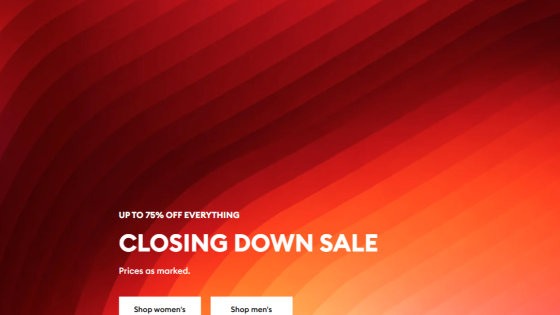
- Mid-2024 (Operational Strain): Reports from the broader retail sector indicated increasing difficulties in managing cash flow, with many businesses struggling to balance rising operational costs with stagnant or declining sales volumes. This period likely saw Gandys exploring various options, including seeking new investment or attempting internal restructuring to streamline operations. The appearance of "closing down sale" imagery in recent months, as depicted, often precedes formal insolvency proceedings, indicating a protracted period of financial distress and attempts to liquidate stock.
- Late 2025 – Early 2026 (Final Attempts and Decision): Facing sustained losses, mounting debt, or an inability to secure crucial funding, the directors would have likely exhausted all other avenues. The decision to file a notice of intention to appoint administrators is typically a last resort, taken when directors believe the company can no longer meet its financial obligations and requires external oversight to navigate its future.
The Administration Process: What It Means
The appointment of administrators is a formal insolvency procedure under UK law. Once appointed, the administrators, who are licensed insolvency practitioners, take control of the company’s assets and operations, superseding the powers of the directors. Their primary duty is to act in the best interests of the company’s creditors.
The objectives of an administration typically involve:
- Rescuing the company as a going concern: This is the preferred outcome, where the business continues to trade, perhaps after a restructuring or sale, preserving jobs and value.
- Achieving a better result for the company’s creditors as a whole than would be likely if the company were wound up (liquidated) without first being in administration. This often involves selling the business or its assets to generate funds.
- Realizing the company’s property to make a distribution to one or more secured or preferential creditors. If rescue is not possible, the administrators will focus on maximizing returns from asset sales.
During this period, the administrators will conduct a thorough review of Gandys’ financial position, evaluate its assets and liabilities, and engage with potential buyers or investors. They will also assess the viability of continuing to trade, either in whole or in part, while seeking a solution.
Statements and Industry Reactions
While specific official statements from Gandys’ founders, Rob and Paul Forkan, or the prospective administrators are yet to be publicly released, their sentiments can be inferred. The founders would likely express deep regret over the situation, acknowledging the challenges while reiterating their pride in the brand’s achievements and its social mission. They would likely convey a hope that the "Orphans for Orphans" legacy can somehow be preserved, irrespective of the company’s commercial fate.
Industry analysts have been quick to weigh in on the news, framing Gandys’ situation within the broader context of retail instability. "This is a stark reminder that even brands with a powerful story and a strong ethical core are not immune to the harsh realities of the market," commented Sarah Jenkins, a retail consultant based in London. "The challenges of balancing purpose with profit are immense, especially for mid-sized players who lack the economies of scale of larger corporations or the agility of pure-play digital startups. High street rents, marketing costs, and the need for constant innovation can quickly become unsustainable when consumer spending contracts."
Another analyst, Mark Thompson, specializing in ethical consumerism, highlighted the specific dilemma for mission-driven brands: "Gandys’ core appeal was its commitment to ‘Orphans for Orphans.’ If the commercial entity falters, there’s a significant question mark over the foundation’s continued funding. This creates a unique layer of public concern beyond typical business failures, as it directly impacts vulnerable communities the brand aimed to support."
Implications for Gandys, Its Mission, and the Wider Sector
The administration of Gandys carries profound implications on multiple fronts:
For the Brand and its Employees: The immediate future for Gandys as a going concern is highly uncertain. While administration aims for rescue, a sale of the business or its assets often leads to significant restructuring, potential job losses, and a shift in brand direction under new ownership. If no suitable buyer emerges, the company could face liquidation, meaning the cessation of trade and the sale of assets to repay creditors. This would be a devastating outcome for the employees who have contributed to the brand’s growth.
For the "Orphans for Orphans" Initiative: This is perhaps the most critical concern. The foundation’s funding has historically been tied to Gandys’ commercial success. Should the company cease trading or be sold to an entity not committed to the same philanthropic model, the long-term sustainability of the "Orphans for Orphans" homes and projects would be in jeopardy. There would be an urgent need for the foundation to secure independent funding or explore new partnerships to continue its vital work. This situation underscores the inherent fragility when a charitable arm is intrinsically linked to the commercial fortunes of a single entity.
For Creditors: Suppliers, landlords, and other creditors will face varying degrees of loss. The administrators will work to maximize returns for these parties, but unsecured creditors often receive only a fraction of what they are owed.
For the Wider Retail Sector: Gandys’ administration serves as another cautionary tale in the ongoing narrative of retail struggles. It highlights that even strong brand identities, compelling origin stories, and ethical missions are not impenetrable shields against economic downturns and intense competition. It reinforces the need for brands to maintain robust financial health, adapt swiftly to market changes, and diversify revenue streams, even while staying true to their core values. For other purpose-driven brands, this event will undoubtedly prompt a review of their own financial resilience and models for sustaining their social impact independently of commercial volatility.
The Future of a Purpose-Led Brand
The coming weeks and months will be crucial for Gandys. The administrators will work diligently to assess the best path forward, whether that involves finding a buyer to take over the brand, restructuring its operations, or, as a last resort, winding down the company. The hope remains that the core values and the spirit of the "Orphans for Orphans" initiative can somehow endure, perhaps through a revitalized brand under new stewardship or through the independent continuation of its charitable work. The story of Gandys, from tragedy to purpose-driven success, has resonated with many, and its current predicament is a poignant reminder of the complex interplay between passion, profit, and persistent market pressures in the modern retail landscape.