




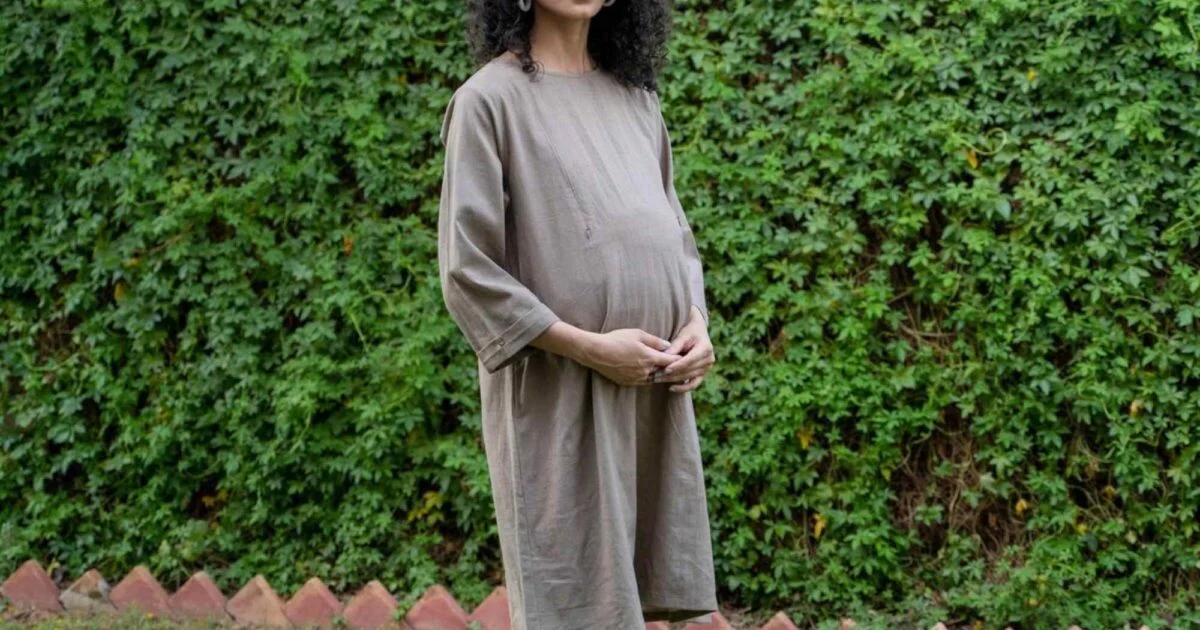
Finding suitable clothing during pregnancy and the postpartum nursing period presents a unique set of challenges for expectant and new parents. Beyond the immediate need for comfort, flexibility, and support for a rapidly changing body, there is a growing demand for options that align with ethical and sustainable values. This guide explores the critical considerations for building a conscious maternity wardrobe, highlighting brands that are leading the way in environmental stewardship and social responsibility, as rigorously assessed by expert rating systems.
The Evolving Landscape of Maternity Fashion
Historically, maternity wear was often an afterthought, relying on oversized versions of regular clothing or simple, functional garments. The mid-20th century saw the emergence of more specialized maternity lines, offering garments tailored to accommodate a growing belly. Today, the global maternity wear market is a significant industry, valued at approximately $20 billion and projected to grow steadily, driven by rising birth rates and increased disposable income in many regions. However, this growth has also brought maternity wear into the orbit of fast fashion, where temporary needs can lead to disposable garments with considerable environmental footprints.
The average pregnancy lasts around 40 weeks, a relatively short period during which a woman’s body undergoes dramatic changes. This transient demand often pushes consumers towards inexpensive, mass-produced items, contributing to the cycle of overconsumption and waste. Yet, a parallel movement towards conscious consumerism has gained traction, with an increasing number of individuals seeking products that reflect their values regarding environmental protection and fair labor practices. This shift is particularly pronounced among parents, who are often acutely aware of the kind of world their children will inherit.
The Imperative for Sustainable Fashion: Beyond the Bump
The fashion industry is notoriously one of the most polluting sectors globally. Its environmental impact spans from extensive water usage in cotton cultivation and textile dyeing, to chemical pollution from synthetic fabric production and finishing processes, and the massive generation of textile waste. An estimated 92 million tons of textile waste are generated annually worldwide, much of which ends up in landfills or is incinerated, contributing to greenhouse gas emissions. The production of a single cotton t-shirt, for example, can require up to 2,700 liters of water, while conventional dyeing processes often release toxic chemicals into waterways.
Beyond environmental concerns, the human cost of fast fashion is equally significant. Many garments are produced in factories where workers face low wages, long hours, and unsafe conditions, often in developing countries with lax labor laws. The demand for cheap, quick production perpetuates a system that exploits vulnerable populations.
In this context, the demand for sustainable and ethical maternity wear is more than a niche trend; it’s a reflection of a broader societal shift towards accountability and transparency. Consumers are increasingly scrutinizing supply chains, demanding to know where their clothes come from, who made them, and under what conditions. Organizations like Good On You play a crucial role in demystifying these complexities, providing comprehensive ratings that assess brands’ impact on people, the planet, and animals, empowering consumers to make informed choices. These ratings consider factors such as the use of lower-impact materials (e.g., organic cotton, linen, recycled synthetics), water and energy efficiency in manufacturing, waste reduction strategies, animal welfare policies, and fair labor practices throughout the supply chain.
Crafting a Conscious Maternity Wardrobe: A Strategic Approach
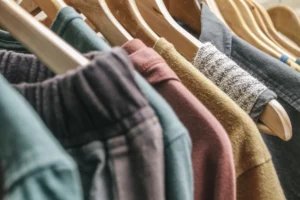
Before investing in new maternity-specific items, a strategic approach to wardrobe planning can significantly reduce environmental impact. The principles of "reduce, reuse, recycle" are paramount. Many existing wardrobe staples can serve well during early pregnancy and even into later stages. Items such as stretchy leggings, oversized cardigans, wrap dresses, and roomy tops or jumpers often do not need to be maternity-specific to provide comfort and style. This approach not only saves money but also minimizes the consumption of new resources.
Secondly, the secondhand market offers a wealth of options. Platforms dedicated to pre-loved children’s and maternity wear, such as Retykle, curate high-quality used items, making it easier for parents to find what they need without contributing to new production. The practice of borrowing maternity clothes from friends or family who have recently navigated pregnancy also represents a highly sustainable and community-oriented solution.
However, when new purchases become necessary, investing in brands committed to ethical and sustainable practices is a powerful way to support a more responsible fashion industry. These brands prioritize durability, versatility, and timeless design, ensuring garments can be worn for multiple pregnancies or transitioned into regular wear, extending their lifecycle and maximizing their value.
Leading the Way: Ethical and Sustainable Maternity Brands
Several brands stand out for their commitment to providing maternity and nursing wear that prioritizes both the wearer’s comfort and the planet’s health. Their approaches vary, but all are united by a dedication to responsible production and material sourcing.
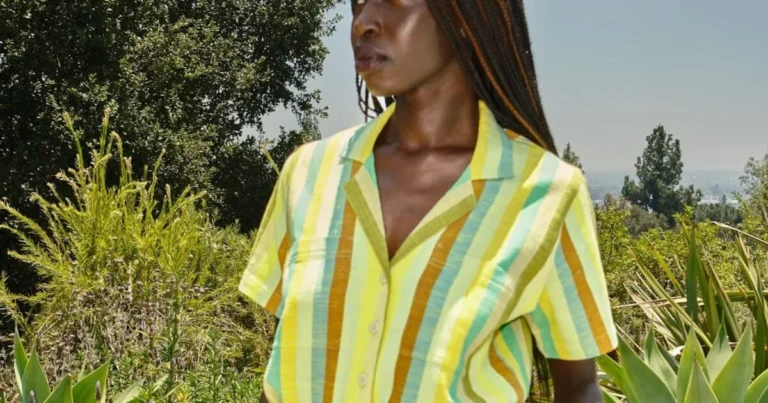
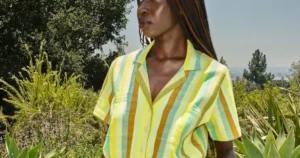
SeamsFriendly exemplifies a bespoke approach to sustainable fashion. This brand offers beautifully tailored pieces designed for all body types, with a strong focus on functionality and utility. What truly sets SeamsFriendly apart is its commitment to customization. Shoppers can personalize designs to their exact preferences, adjusting necklines, sleeve lengths, garment lengths, and even fabric choices. This made-to-order model significantly reduces waste inherent in mass production and ensures a perfect, long-lasting fit. The brand primarily utilizes lower-impact materials like organic cotton and linen, known for their breathability, durability, and reduced environmental footprint compared to conventional alternatives. Their inclusive sizing, ranging from bust sizes 26″-70″ and waist sizes 19″-63″ for womenswear (including petite, regular, and tall heights), and a comprehensive kids’ range, ensures that quality, sustainable fashion is accessible to a broad audience, promoting longevity and wearability beyond the maternity period.
Underprotection, a Danish brand, seamlessly blends ethics with aesthetics, specializing in underwear, loungewear, and swimwear. Their collection features lower-impact materials such as organic cotton, TENCEL™ Lyocell, and recycled polyester, chosen for their reduced environmental impact and luxurious feel. A core tenet of Underprotection is its commitment to transparency and fair labor. The brand exclusively partners with certified factories, adhering to strict social standards that guarantee fair working conditions and equitable wages—a fundamental human right in their philosophy. Furthermore, all packaging, paper, and polybags used by the brand are either recycled or biodegradable, minimizing their environmental footprint at every stage. Underprotection’s mission to celebrate women of all kinds, making them feel beautiful and comfortable, extends naturally to the needs of pregnant and nursing individuals, offering supportive and soft essentials in sizes XS-XL.
Sorella Organics, an Australian label, offers a certified organic sleepwear range that thoughtfully includes maternity wear. Founded by Anna McGregor, whose background in international human rights work profoundly influences the brand’s ethos, Sorella Organics prioritizes ethical sourcing. Their use of Fairtrade certified cotton ensures that strict social standards are met throughout the production and trading processes, guaranteeing fair wages and safe working conditions for cotton farmers and garment workers. This commitment to human rights, combined with the comfort and quality of organic cotton, makes Sorella Organics a compassionate choice for expectant and new mothers. Their collection, available in sizes S-XL, offers an accessible price point, proving that ethical choices don’t always have to come with a premium cost.
For foundational pieces, Subset (formerly Knickey) offers organic cotton underwear sets that are lauded within the responsible fashion market. Produced in a Fairtrade certified factory, these essentials provide comfort and peace of mind. Subset goes a step further in its commitment to circularity by partnering with an NYC non-profit to recycle old undergarments. This innovative program transforms textile waste into insulation and rug pads, diverting fibers from landfills. By participating in their recycling program, consumers are empowered to refresh their underwear drawer responsibly. With most items available in sizes 2XS-4XL, Subset ensures that comfort and sustainability are accessible to a wide range of body types, including those requiring maternity-friendly styles like their Above-Belly Brief.
Australian brand Eco Intimates focuses on organic cotton lingerie, intimates, and sleepwear, catering to women who prioritize both body comfort and ecological consciousness. Their commitment to using organic materials means fewer harmful chemicals come into contact with the skin, a significant benefit during pregnancy and nursing. The brand offers loungewear in XS-2XL and some lingerie styles up to 4XL, providing comfortable and gentle options for sensitive skin and changing body shapes.
Other brands like Q for Quinn extend their sustainable mission to all ages, offering non-toxic, eczema-friendly clothing made from organic, responsibly sourced materials. Similarly, BJ’s PJs, an Australia-based company, crafts minimal, comfortable, and supportive lounge and sleepwear using lower-impact materials, manufacturing garments locally to reduce shipping impact and tracing most of its supply chain. These brands, while not exclusively maternity, embody the values that conscious parents seek.
Beyond Dedicated Maternity Lines: Versatile Sustainable Fashion
Some brands, while not offering specific maternity collections, provide versatile, high-quality garments that naturally accommodate a changing body shape, making them excellent choices for a sustainable maternity wardrobe.
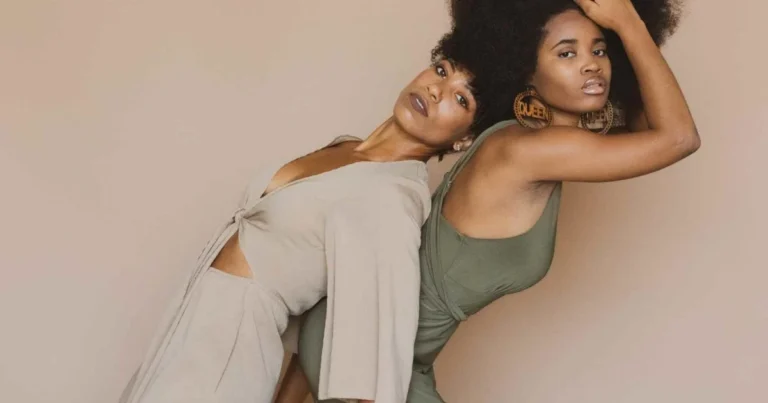
Christy Dawn is a US-based brand renowned for its vintage-inspired women’s clothing and footwear, locally made with surplus (deadstock) fabrics. This approach significantly reduces textile waste by utilizing materials that would otherwise be discarded. Their designs, often featuring flowy silhouettes and adjustable ties, naturally lend themselves to maternity wear, providing comfort and style throughout pregnancy and beyond. With standard sizes XS-XL and extended and petite collections, Christy Dawn ensures a wide range of inclusive options.
Indilisi crafts clothing with a deep respect for heritage crafts and handweaving, utilizing surplus fabrics sourced from deadstock material. Their focus on artisanal techniques and high-quality, natural fibers results in timeless pieces that are durable and designed to last, promoting a slower, more deliberate approach to fashion. Many of their designs offer a relaxed fit that can comfortably accommodate a growing bump.
Oobi, an Australian brand primarily known for girls’ fashion, swimwear, and homewares, also offers pieces that can be integrated into a conscious maternity wardrobe, especially in earlier stages or post-partum. They prioritize low-impact non-toxic dyes and avoid animal products, and their commitment to sea freight for product transport reduces their climate impact. Their comfortable, stylish dresses can often be worn during pregnancy. Oobi also supports the circular economy through pre-loved options available on platforms like Retykle.
Finally, Seek Collective, a US brand, is dedicated to transparency, authenticity, craft, and sustainability. They create thoughtfully made items in India through partnerships with like-minded communities, focusing on natural materials and traditional artisan techniques. Their collection often features loose-fitting and adjustable styles, making them suitable for accommodating a pregnant body while ensuring ethical production and cultural preservation. Most products are available in XS-L, with an extended sizing range up to 4XL.
The Future of Conscious Maternity Consumerism
The journey through pregnancy and early parenthood is transformative, and the choices made during this period, including wardrobe decisions, reflect a deeper commitment to nurturing not just a new life, but also the world that life will inhabit. The growing availability of ethical and sustainable maternity and versatile clothing brands signifies a positive shift within the fashion industry. By supporting these brands, whether through direct purchase, exploring secondhand options, or extending the life of existing garments, consumers play an active role in advocating for a more responsible, transparent, and environmentally friendly future. The collective impact of these individual decisions fosters innovation, drives industry change, and ultimately contributes to a healthier planet for the next generation.
Editor’s note: Feature image via SeamsFriendly, all other images via brands mentioned. Good On You publishes the world’s most comprehensive ratings of fashion and beauty brands’ impact on people, the planet, and animals.
We updated this article on 30 March 2026. Our editors frequently make updates to articles to ensure they’re up to date. We updated the guide and refreshed our selection of brands to ensure we’ve included those with recent ratings.