






In 2017, the urban landscape of New York City became an expansive canvas for acclaimed conceptual artist Barbara Kruger, whose provocative text-based works interrogated the very foundations of societal values during the Performa Biennial. A prominent installation saw a New York City skatepark emblazoned with the stark, interrogative phrases: "Whose hopes? Whose fears? Whose values? Whose justice?" This monumental project marked a significant expansion of Kruger’s signature aesthetic—bold white Futura text on a red background—into unprecedented objects and public environments, extending her critical dialogue far beyond the confines of traditional art spaces.
Kruger herself articulated the enduring core of her practice to Dazed, stating, "My work is about how we are to one another: our adoration, our contempt, our desire and our disgust." She emphasized the multifaceted nature of this engagement, noting its visibility and audibility across various mediums, including gallery and museum installations, still and moving images, and the "expansive terrain of infrastructural and built environments." The 2017 Performa Biennial offered a unique opportunity to add a skatepark to this diverse list, presenting both a novel architectural challenge and an innovative avenue for disseminating her potent messages to a broader, often non-traditional art audience.
The Genesis of "The Drop": Performa 2017 in New York City
The Performa Biennial, renowned for its commitment to commissioning new performance art, provided an ideal platform for Kruger’s ambitious public intervention. Founded by RoseLee Goldberg in 2004, Performa aims to explore the critical role of live performance in the history of twentieth-century art and to stimulate new directions in the field. Kruger’s 2017 project, aptly titled Untitled (The Drop), embodied this ethos by transforming the mundane into the profound, injecting critical discourse into everyday urban interactions.
Curator Job Piston, reflecting on the 2017 endeavor, highlighted the unique artistic hurdles presented by the chosen venue. "The smooth, concave curves of the skatepark, the quarter pipes and U-shapes, opened up an entirely new architectural challenge," Piston observed. This engagement with a dynamic, youth-centric space was deliberate, aiming to infiltrate subcultures and urban environments where traditional art might not typically reach. Beyond the skatepark, Kruger’s phrases permeated the city’s infrastructure, appearing on ubiquitous metro cards, towering billboards, and even adorning a school bus, ensuring her questions became an inescapable part of the daily commute and visual landscape for millions of New Yorkers.
A pivotal and particularly resonant aspect of the 2017 project was Kruger’s creation of a "merch drop-slash-performance art piece." This component directly addressed her complex and often contentious relationship with the streetwear brand Supreme. For years, Supreme had been noted for its visual identity, which many observers, including Kruger herself, perceived as bearing a striking resemblance to her iconic graphic style—specifically, white Futura text on a red rectangle. While Supreme maintained its design was independently developed, the visual parallel fueled a long-standing dialogue within the art and fashion worlds regarding appropriation, originality, and the commercialization of artistic aesthetics.
Kruger’s The Drop was a masterful, ironic commentary on this dynamic. It involved the distribution of hoodies and hats emblazoned with her signature messages, meticulously designed to mimic the highly coveted and culturally significant "drops" characteristic of the streetwear industry. These events, pioneered by brands like Supreme, involve the limited release of new products, often leading to frenzied anticipation and extremely long queues.
Cyril Duval, also known as the French conceptual artist and designer Item Idem, who would later collaborate with Kruger, provided keen insight into the performative strategy. "Long queues were a key element," Duval recounted. "The ‘drop’ was clearly designed to mimic the streetwear phenomenon – the almost obsessive culture of waiting in line – which extends beyond fashion to Apple stores, Black Friday, and other consumerist rituals. Through this performative strategy, she managed to capture attention in a very precise way." This aspect transformed a mere product launch into a live art installation, where the act of consumerism itself became the medium for critique. Kruger was not just selling merchandise; she was selling an experience of consumer desire, thereby exposing and questioning its underlying mechanisms and societal implications.
Kruger’s Artistic Legacy and Context
Barbara Kruger’s artistic practice has, since the late 1970s, consistently challenged viewers to critically examine power structures, consumerism, and gender roles through her distinctive blend of photography and text. A leading figure in conceptual art and feminist art movements, Kruger’s work often appropriates existing images from magazines and advertisements, overlaying them with pithy, often accusatory or interrogative, statements. Her use of Helvetica or Futura Bold Italic typefaces, typically in white against a red rectangular background, has become instantly recognizable, a visual shorthand for critical inquiry.
Her early career saw her working in graphic design for magazines like Mademoiselle, an experience that profoundly influenced her understanding of mass media’s persuasive power. This insider perspective allowed her to dissect and re-present the language of advertising, turning its own tools against it to expose hidden ideologies. Pieces like Untitled (Your body is a battleground) (1989), created for the Women’s March on Washington, exemplify her direct engagement with social and political issues, particularly those concerning women’s rights and autonomy.
The Drop in 2017 was a natural evolution of this trajectory, pushing her inquiry into the increasingly permeable boundaries between art, commerce, and identity. By co-opting the "drop" mechanism, Kruger directly confronted the commodification of culture and the creation of artificial scarcity that drives much of contemporary consumer behavior. Her work consistently asks: Who benefits from these systems? Who sets the values? And who ultimately defines justice in a world saturated with commercial messaging? The project leveraged the spectacle of consumption to force a moment of critical self-reflection, making the public an unwitting participant in a grand performance piece.
The Parisian Recontextualization: Performa’s 20th Anniversary
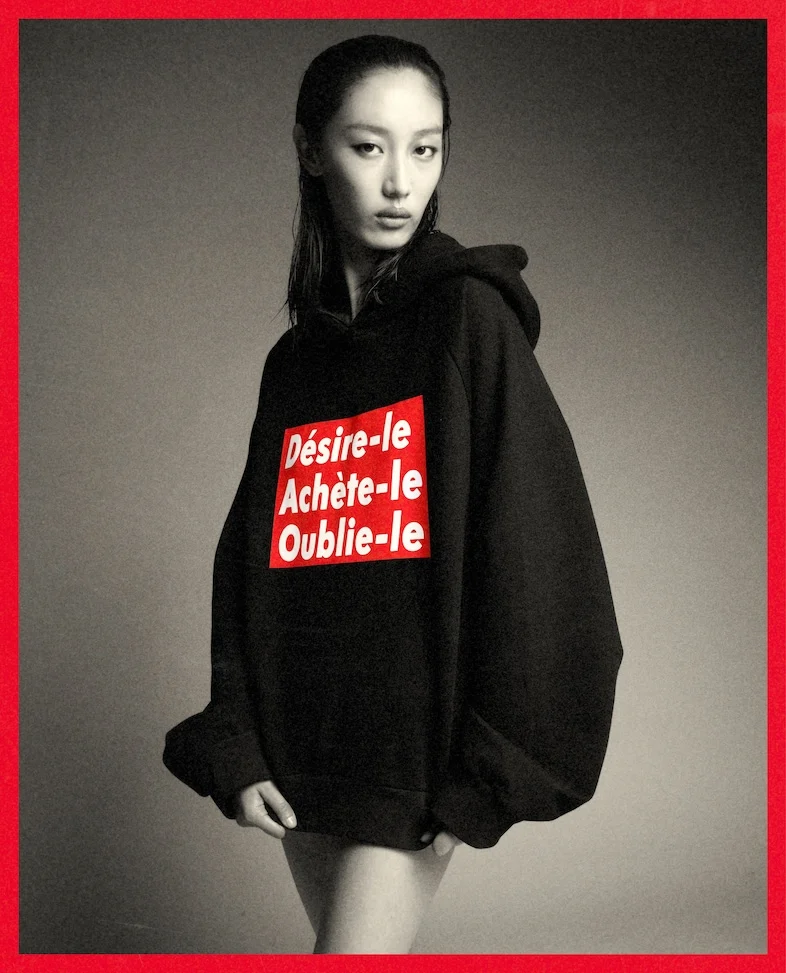
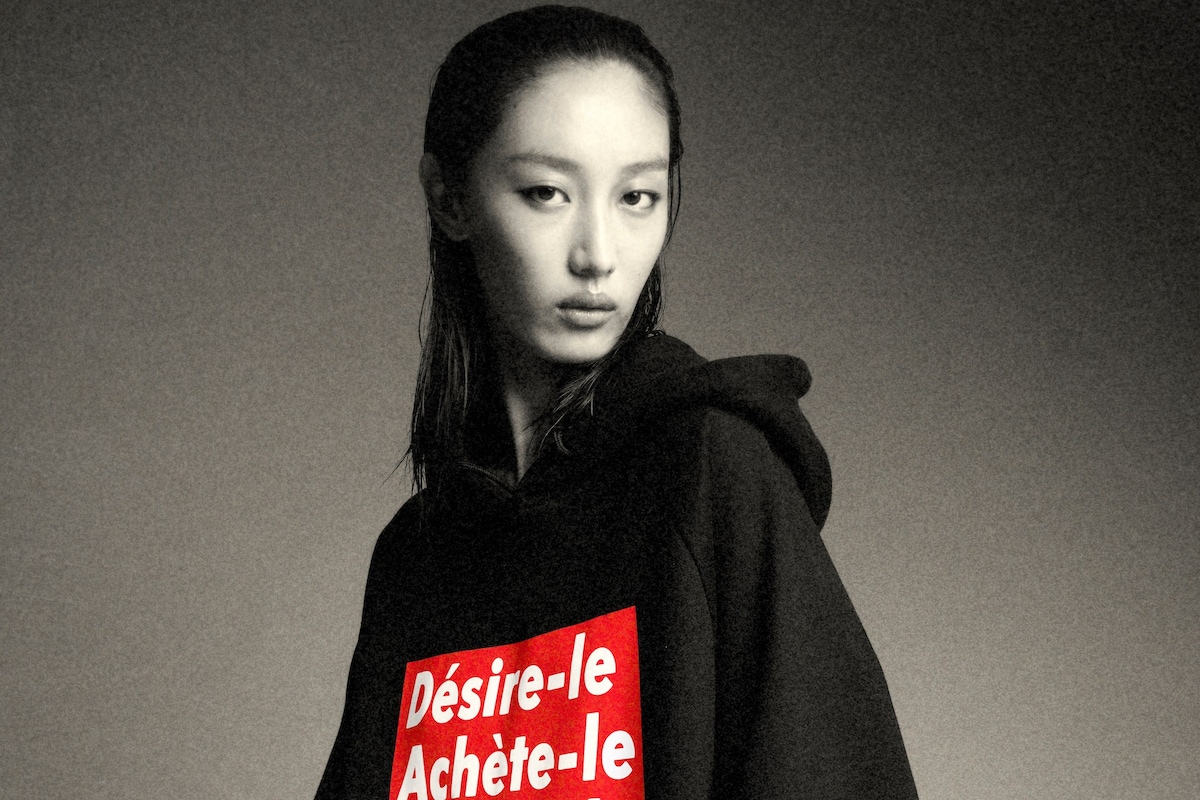
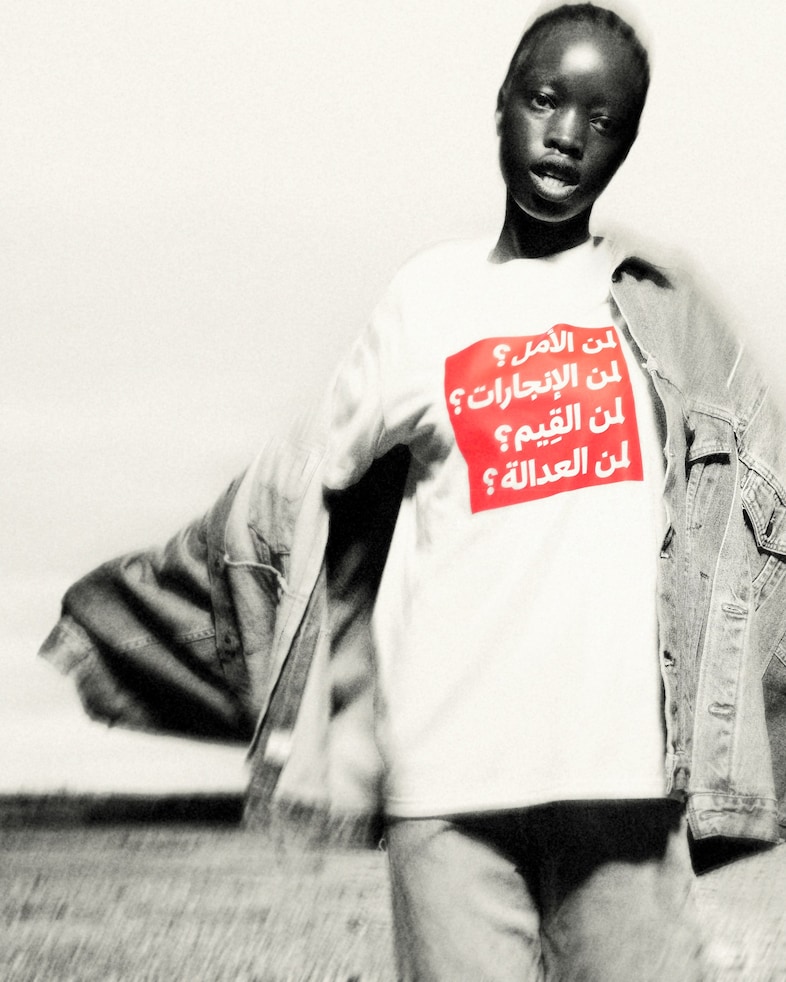
Six years after its initial unveiling, in 2023, Kruger’s seminal The Drop project experienced a thoughtful recontextualization in Paris, coinciding with the 20th anniversary of the Performa Biennial. This iteration was a collaboration with Item Idem (Cyril Duval), further cementing the project’s global resonance and adaptability. The updated merchandise, comprising hoodies and t-shirts, once again featured Kruger’s iconic text-based works from the original project, rendered in her signature white Futura font on red. However, a crucial addition for the Parisian context was the inclusion of translations in French and Arabic.
Duval explained the rationale behind this multilingual approach: "In thinking through the local context of Paris, we discussed the languages that shape its cultural landscape, French, English, and Arabic, as a way to speak directly to the city’s youth and next-generation creatives across art, music, and fashion from the ground up." This strategic linguistic expansion recognized Paris as a vibrant, multicultural metropolis with a significant Arabic-speaking population, particularly among its youth. By offering the messages in multiple languages, Kruger aimed to broaden accessibility and ensure the profound questions posed by her work resonated deeply within the diverse communities of the city, fostering a more inclusive dialogue.
Kruger herself affirmed this intention, stating, "The updated merch is an extension of my translation of texts to match the context in which the work is seen, hopefully making it available to a larger local viewership." This adaptive strategy underscores the universality of her questions while acknowledging the importance of local specificity in cultural engagement.
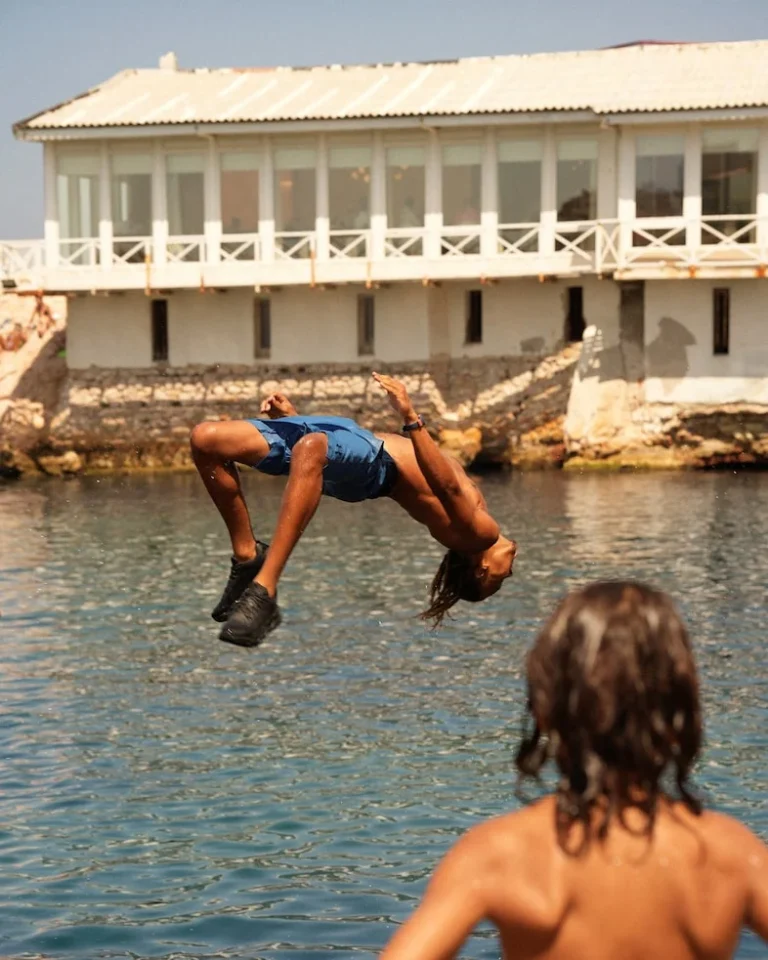
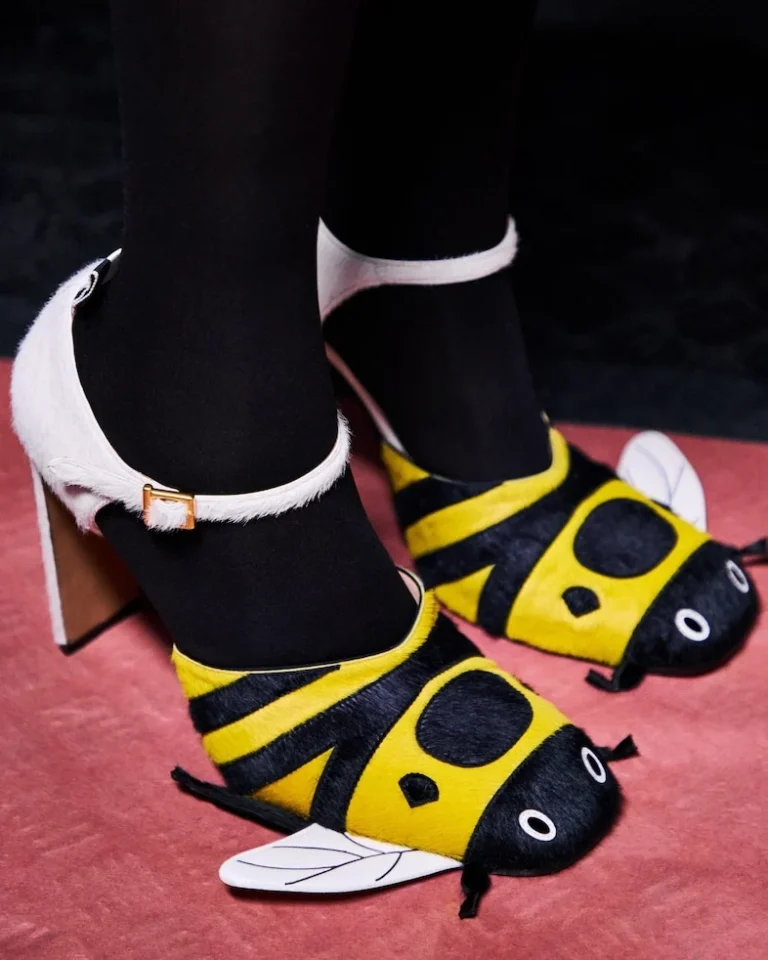
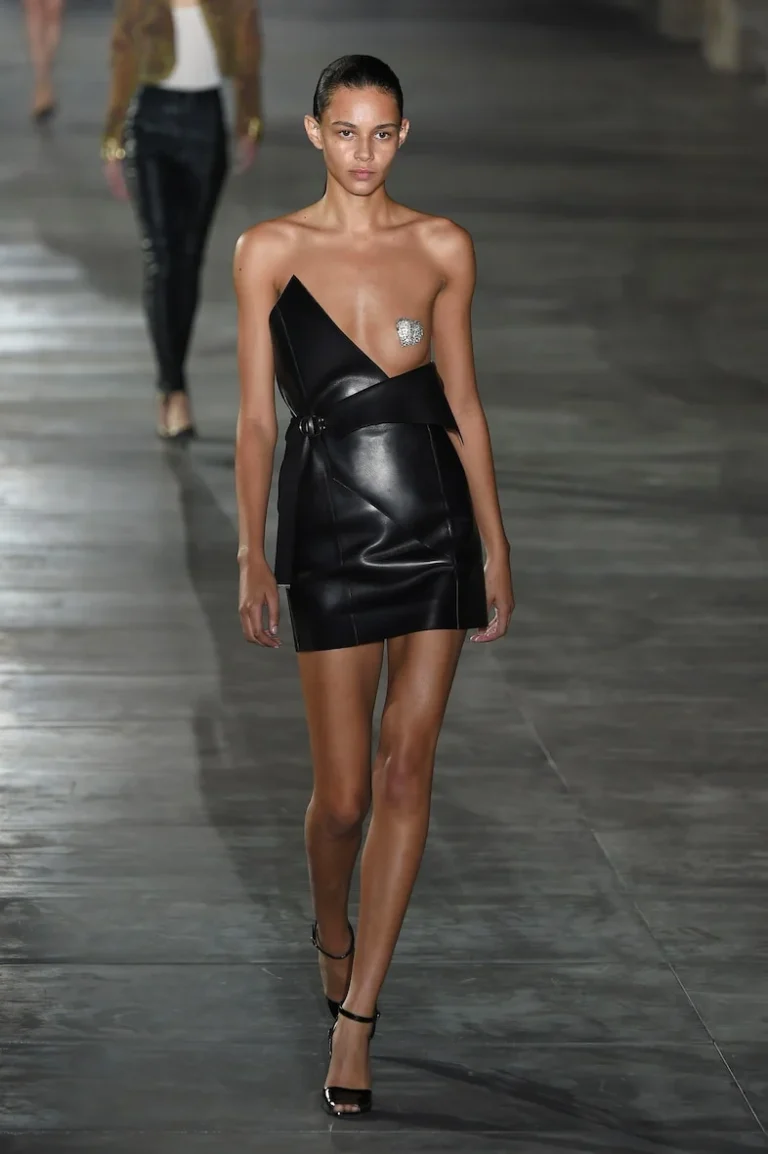
To capture the essence of this new iteration, fashion photographer Rémi Lamandé was commissioned to create a series of striking images, expertly styled by Stephy Galvani. Kruger praised the resulting photography, calling them "terrifically seductive and stylish." The visual campaign pushed the aesthetic of the project further into the realm of advertising and consumer culture, blurring the lines between art, fashion, and commercial imagery in a manner characteristic of Kruger’s work.
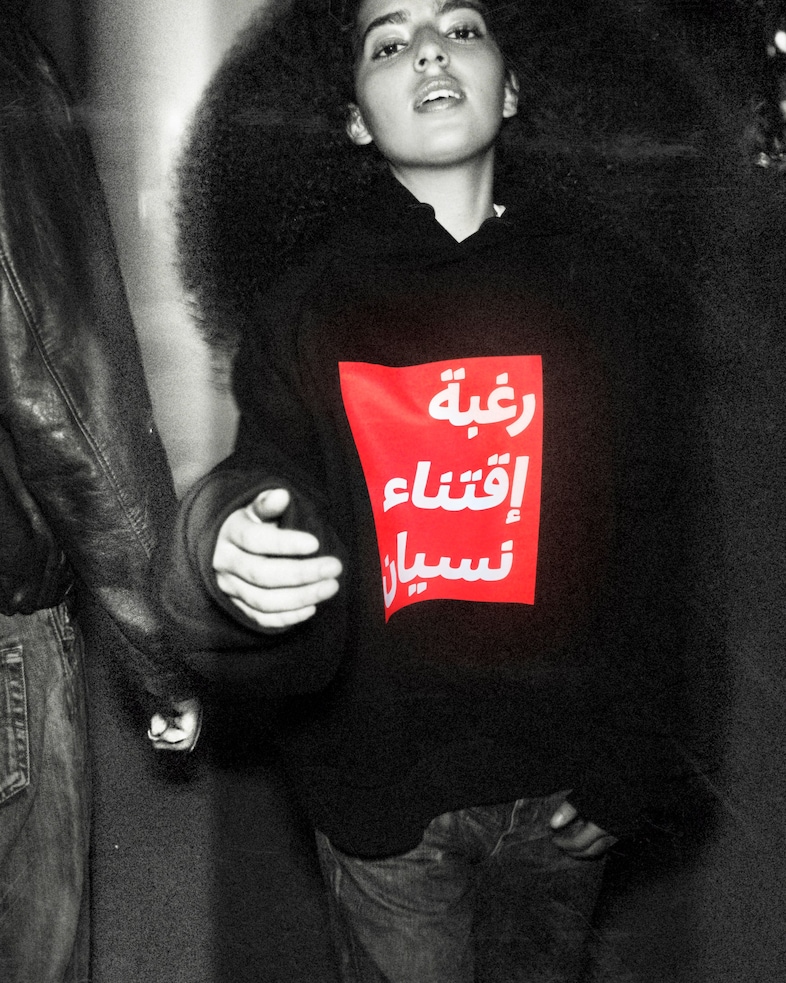
Crucially, the shoot’s casting decisions were deeply intentional. Piston and Duval leaned heavily into diverse, and notably, more overtly feminine, casting. Piston elaborated on this choice: "And that was also tied to the meaning of the work. Barbara’s original piece can be seen as a reaction to those very male-dominated, almost ‘boys’ club’ cultures, like Supreme and others. So for us, it felt essential that the casting pushed in another direction." This deliberate pivot served as a direct counter-narrative to the traditionally masculine-dominated streetwear culture that the project critiques. By featuring a diverse array of models, particularly women, the Parisian recontextualization subtly amplified the feminist undertones inherent in much of Kruger’s oeuvre, broadening the scope of "whose hopes, fears, values, and justice" are being considered. It was a visual statement reinforcing the inclusivity of the critique and challenging the traditional gatekeepers of cultural influence.
The Enduring Relevance in a Hyper-Connected World
Nine years on from Kruger’s original Performa project in New York, and following its 2023 re-imagination in Paris, the sheer volume and velocity of images and text that mediate our understanding of the world have only intensified. The digital age has ushered in an era where "messaging" has become an omnipresent, often torrential, force, profoundly influencing everything from political elections and public discourse to shifting cultural norms and personal identities.
Kruger, ever perceptive to the evolving landscape of communication, reflected on this accelerated reality: "Today, the power of ‘messaging’ has grown to encompass and sometimes dominate our days and nights." She painted a vivid picture of contemporary online existence, describing it as "an aerosol of circulated commentary, of loving and shaming, of organising both pleasure and pain, of caressing and bullying, of narcissism and voyeurism, of creating and destroying." This profound observation highlights the dual nature of digital communication: its capacity for connection and community building, alongside its potential for division, exploitation, and emotional manipulation.
In an era defined by social media echo chambers, the rapid spread of misinformation, and the pervasive influence of algorithmic content curation, Kruger’s foundational questions – "Whose hopes? Whose fears? Whose values? Whose justice?" – resonate with an urgent, heightened pertinence. Her work compels individuals to critically examine the sources of information they consume, the narratives they encounter, and the ideologies embedded within the visual and textual messages that shape their realities.
The success of The Drop across two major cultural capitals underscores the timelessness of Kruger’s artistic inquiry. By translating high art concepts into accessible, public, and even commercial forms, she ensures that critical thought is not confined to galleries but permeates the fabric of everyday life. Her project continues to serve as a potent reminder that we are constantly "getting the message," whether we consciously desire it or not, and therefore, the imperative to question and scrutinize these messages remains as vital as ever. Barbara Kruger’s ongoing engagement with these themes solidifies her position as a crucial voice in contemporary art, continuously challenging the public to become more discerning, reflective, and engaged citizens in a world increasingly defined by the deluge of information.