






In the ever-evolving landscape of men’s fashion, the definition of "smart casual" has undergone a significant transformation, moving away from its historically ambiguous origins. Once a sartorial default for those seeking to strike a balance between formal and informal, it often resulted in forgettable ensembles. However, by 2026, this middle ground has been redefined by a more intentional approach, prioritizing superior fabrics, refined silhouettes, and pieces that possess an inherent presence, simplifying the art of outfit coordination. The contemporary smart casual is less about the direct juxtaposition of formal and casual elements and more about a nuanced understanding of proportion, texture, and deliberate restraint. The fundamental principle is clear: achieving a more polished appearance stems not from accumulating more items, but from making more judicious choices.

The Evolution of Smart Casual: From Ambiguity to Intentionality
For years, "smart casual" served as a sartorial crutch, a loosely defined dress code that allowed men to avoid the strictures of formal tailoring without appearing underdressed. This lack of precision frequently led to outfits that blended into the background, lacking distinctiveness or impact. The shift observed by 2026 signifies a departure from this ambiguity. Instead, the modern interpretation of smart casual is characterized by a deliberate curation of wardrobe staples. This involves a keen awareness of fabric quality, the clean lines of garment construction, and the selection of pieces that can stand alone, making the assembly of a cohesive outfit significantly more straightforward. The emphasis has moved from merely mixing contrasting styles to a deeper appreciation for how proportion, texture, and a sense of measured restraint contribute to an overall sophisticated aesthetic. This evolution reflects a broader trend in menswear towards thoughtful consumption and a greater emphasis on investment pieces that offer versatility and longevity. The fashion industry, responding to consumer demand for clarity and efficacy, has seen a surge in brands focusing on foundational garments that embody this refined approach to casual dressing.

Key Principles of the Modern Smart Casual Wardrobe
The core tenets of the new smart casual revolve around a curated selection of garments that prioritize quality and thoughtful design. This approach minimizes sartorial guesswork and maximizes the impact of each piece. The underlying philosophy is that true style is achieved through considered choices rather than sheer quantity or adherence to fleeting trends. This shift is supported by market data indicating a growing consumer preference for durable, high-quality clothing over fast fashion, with a particular interest in natural fibers and timeless designs. The emphasis on "choosing better" rather than "doing more" resonates with a generation increasingly conscious of sustainability and the long-term value of their wardrobe investments.

Foundational Ensemble: The Soft Blazer and Straight Trouser
The cornerstone of the modern smart casual wardrobe is the pairing of a soft, unstructured blazer with straight-leg trousers. This combination provides a subtle yet effective structure to the frame, while the straight-leg cut maintains a contemporary silhouette, steering clear of overly tailored or dated appearances. A blazer such as the Boglioli K-Jacket, known for its relaxed construction, allows for natural movement and a comfortable drape, avoiding the stiffness often associated with traditional tailoring. When juxtaposed with trousers like NN07’s Mylo straight-leg trousers, crafted from organic cotton blends, the resulting ensemble achieves a harmonious balance. This pairing is exceptionally versatile, lending itself equally well to professional settings that do not require full formal attire, as well as more relaxed social engagements. The ease of wear and the inherent polish of this combination eliminate sartorial friction, ensuring a sharp yet unpretentious look, precisely the objective of smart casual dressing in the contemporary era. Data from menswear retailers consistently shows a strong demand for blazers with softer constructions and trousers with clean, straight-leg fits, underscoring their enduring appeal.

Embracing Summer Style: The Linen Shirt and Drawstring Trouser
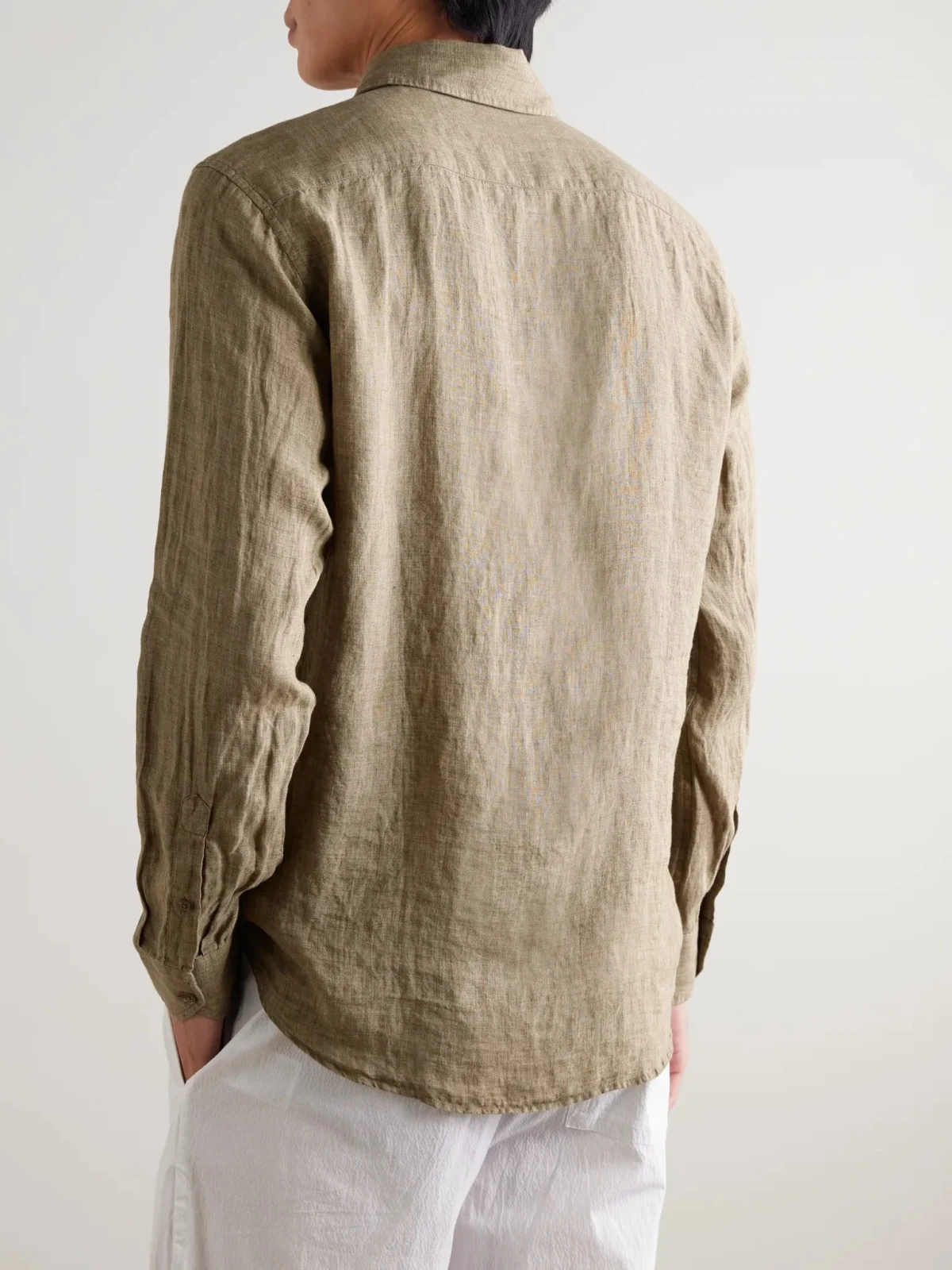
Summer dressing often presents a challenge, with many men oscillating between overly casual attire and attempts to impose structure on fabrics designed for breathability. The modern smart casual offers a solution through the judicious use of natural fibers. A high-quality linen shirt, such as those offered by Frescobol Carioca, introduces a welcome element of texture and movement while maintaining a light and airy feel. When paired with relaxed yet refined drawstring trousers, like MR P.’s linen iterations, the outfit achieves a state of effortless sophistication. These trousers, while offering unparalleled comfort, retain a clean silhouette that prevents the ensemble from appearing sloppy. The tactile quality of linen, combined with the ease of drawstring waistbands, creates an outfit that feels unrestrictive and thoughtfully assembled. This combination is ideal for transitioning from late morning engagements to evening social gatherings without the need for a wardrobe change, embodying the adaptability expected of modern smart casual attire. The market for linen garments has seen consistent growth, particularly for breathable shirts and relaxed-fit trousers, driven by consumer demand for comfort and style in warmer climates.

Elevated Casual: The Knit Polo and Tailored Short
Shorts, once a potential pitfall in an otherwise polished outfit, have been elevated in the contemporary smart casual lexicon. The key to their successful integration lies in pairing them with pieces that enhance their sartorial value. A refined knit polo, such as the MR P. linen-jersey polo, provides a touch of texture and structure, offering a more sophisticated alternative to a standard t-shirt. This is best complemented by tailored shorts from reputable brands like NN07 or Orlebar Brown. These shorts are characterized by clean lines and deliberate proportions, often featuring a slightly shorter cut that avoids an overly casual or heavy appearance. The intentionality of this combination is palpable; it signifies a conscious styling decision rather than a default to comfort. This approach ensures that shorts can be a legitimate component of a smart casual ensemble, contributing to a look that is both relaxed and undeniably put-together. The increasing popularity of tailored shorts, particularly in premium fabrics like linen and cotton blends, reflects a broader trend towards more elevated casual wear.

The Timeless Combination: Blazer and Relaxed Denim
The pairing of a blazer with denim is a menswear staple that has endured for decades. However, its contemporary relevance hinges on precise fit and updated proportions. The era of slim-fit denim has largely given way to the more balanced aesthetic of straight-leg jeans. This shift is crucial for revitalizing the blazer-and-denim combination. Straight-leg jeans, such as NN07’s Sonny model, restore proportional harmony, especially when paired with a relaxed blazer from brands like MR P. or Lardini. The structured upper half of the outfit contrasts effectively with the inherent ease of well-fitting denim, creating a look that feels grounded yet sophisticated. This combination represents one of the most accessible upgrades for many men, as it builds upon a familiar garment category while aligning it with current style sensibilities. The resurgence of straight-leg and relaxed-fit denim styles, alongside a renewed appreciation for well-cut blazers, indicates a move towards more enduring and adaptable wardrobe choices.

Sophistication Through Subtlety: The Tonal Outfit
For an elevated approach to smart casual, the tonal outfit offers a refined and sophisticated aesthetic. By harmonizing colors within a single palette, this strategy effectively minimizes visual clutter and shifts the focus to the nuances of fabric, fit, and detailing. This deliberate monochromatic or near-monochromatic approach inherently conveys a sense of luxury and considered design. Pieces like a Loro Piana linen polo, when paired with trousers in a closely related shade, create a sense of depth and visual interest without relying on stark contrasts. The interplay of different textures within the same color family is what imbues the outfit with its subtle richness and presence. This approach is not about making a bold statement but about projecting an image of intentionality and refined taste. The appeal of tonal dressing lies in its ability to make an outfit appear more cohesive and expensive, even with relatively simple pieces. This trend aligns with a broader consumer interest in minimalist aesthetics and understated luxury.

Modern Utility: The Elevated Workwear Look
Workwear, once characterized by its ruggedness and utilitarian function, has undergone a significant transformation, evolving into a more refined and wearable category. Contemporary workwear pieces now strike a balance between structure and ease, making them a natural fit for smart casual ensembles. An overshirt, such as the MR P. linen overshirt, channels workwear influences through its functional pockets and relaxed silhouette. When paired with practical yet stylish trousers from brands like A.P.C. or Carhartt WIP, the resulting look is both grounded and contemporary. This combination offers a sense of masculine solidity and modern practicality without veering into overly styled territory. It is particularly well-suited for individuals seeking an alternative to a traditional shirt and blazer, providing more presence and utility. The integration of workwear-inspired pieces into smart casual wardrobes reflects a growing appreciation for durable, functional, and aesthetically pleasing garments that bridge the gap between utility and style.

The Art of Restraint: The "Nothing Overdone" Outfit
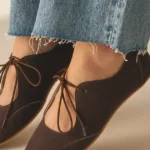
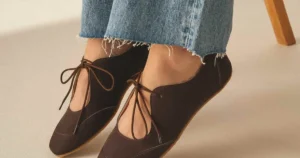
Perhaps the most universally applicable and effective smart casual outfit is the one that is intentionally understated – the "nothing overdone" ensemble. This approach prioritizes simplicity, directness, and pieces that perform their intended function without drawing undue attention. A well-constructed Oxford shirt from a reputable brand like Sunspel provides a clean and structured foundation. This is best paired with straight-leg chinos that maintain a sharp silhouette without feeling restrictive. The addition of suede loafers completes the look, rendering it suitable for a vast array of occasions. This is where true personal style is often most effectively demonstrated – not through ostentatious pieces or adherence to passing trends, but through a consistent commitment to quality, fit, and restraint. The enduring appeal of such ensembles lies in their versatility and the subtle confidence they project. This philosophy champions the idea that less is often more, and that a carefully curated selection of classic pieces can achieve a more impactful and timeless look than an overcomplicated arrangement.

The Final Word on Dressing Better
The prevailing wisdom in contemporary men’s fashion suggests that achieving a polished appearance is not a matter of accumulating more clothing or engaging in elaborate styling rituals. Instead, it hinges on a series of well-considered decisions regarding the core components of one’s wardrobe. The right blazer, the ideal trousers, and the perfectly chosen shoes will invariably contribute more to a put-together look than an overly constructed or excessively styled outfit. When these foundational pieces are selected with care and intentionality, the rest of the styling process becomes significantly more manageable, aligning perfectly with the core ethos of modern smart casual dressing. This paradigm shift is not about merely dressing up; it is fundamentally about dressing better – investing in quality, understanding fit, and embracing a philosophy of curated simplicity. The fashion industry continues to reflect this sentiment, with designers and retailers increasingly emphasizing timeless pieces and sustainable practices, guiding consumers towards a more mindful and impactful approach to personal style. The market for high-quality, versatile garments remains robust, indicating a lasting consumer preference for enduring style over transient trends.