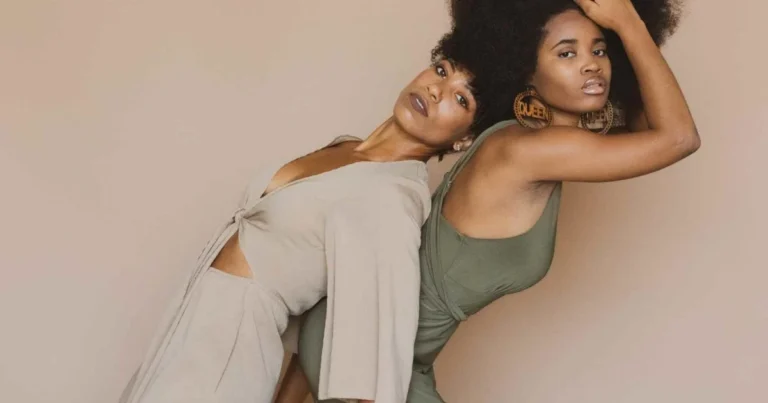






As International Women’s Day is celebrated globally, marking the social, economic, cultural, and political achievements of women, it also serves as a crucial moment to highlight the ongoing struggles for equality and justice. In the realm of global commerce, the fashion industry, often perceived as a domain of creativity and self-expression, stands at a critical intersection with women’s rights and environmental sustainability. This year, the focus turns to a growing movement of dynamic, responsible women-owned brands, rigorously rated "Good" or "Great" on our directory, that are not only challenging the status quo but actively building a more equitable and sustainable future.
The Unseen Costs: Fast Fashion’s Anti-Feminist Footprint
The pervasive model of fast fashion, characterized by rapid production cycles, low prices, and disposable trends, is fundamentally antithetical to feminist principles and environmental stewardship. Since the dawn of globalisation in the 1980s, the vast majority of garment production has shifted from Western nations to countries in the Global South, where labor costs are significantly lower and environmental regulations often less stringent. This geographic relocation has created a complex web of exploitation, with women bearing the brunt of its negative impacts.
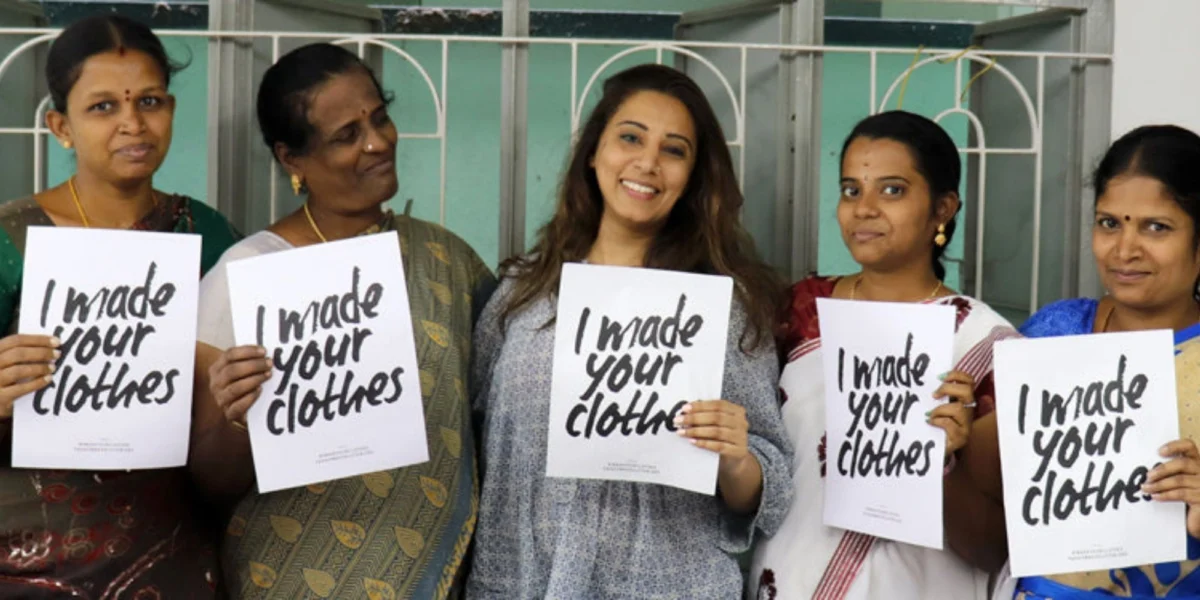
Statistics paint a stark picture: approximately 80% of garment workers worldwide are women, predominantly women of colour from economically vulnerable communities. These women are frequently subjected to severe underpayment, often earning far less than a living wage, trapping them in cycles of poverty. Reports from organizations like the Clean Clothes Campaign and Fashion Revolution consistently document widespread human rights abuses, including forced overtime, unsafe working conditions, and a pervasive culture of harassment and verbal abuse. In some regions, gender-based violence within factories remains a significant, underreported issue, further disempowering female workers.
The pursuit of ever-cheaper clothing, exemplified by a $10 top from a fast fashion giant that is unlikely to survive more than a season, fuels this exploitative system. The true cost of such an item is not reflected in its price tag but in the hidden suffering of its makers and the irreparable damage inflicted upon the planet. Beyond direct labor exploitation, fast fashion perpetuates an anti-feminist agenda by promoting unrealistic beauty standards, which can contribute to body image issues and mental health struggles among women consumers. Economically, the industry’s predominantly male C-suites accumulate immense wealth, while the female workforce at the base of the supply chain remains marginalized. Furthermore, the environmental injustices caused by fast fashion—from massive water pollution and chemical use to extensive waste generation—disproportionately affect women and communities in developing countries, who are often on the front lines of climate change impacts.
In this grim narrative, there is no mythical "knight in shining armour" to rescue the industry. Instead, hope emerges from an empowered community of entrepreneurial women. These visionary leaders are committed to fundamentally transforming the fashion landscape through their unique and innovative approaches, forging a path toward a more ethical and sustainable future. Their work embodies the intersectionality of environmentalism and feminism, recognizing that the liberation of people and the protection of the planet are inextricably linked. For those interested in delving deeper into this crucial intersection, numerous resources are available from organizations advocating for systemic change within the fashion industry. Our expanded ratings now include skincare, cosmetics, and haircare, reflecting a holistic approach to responsible consumption.
A New Paradigm: Women Innovating for Ethical Fashion
The burgeoning movement of women-led sustainable brands represents a powerful counter-narrative to the prevailing fast fashion model. These entrepreneurs are not merely creating products; they are building businesses founded on principles of equity, transparency, and ecological responsibility. Their initiatives demonstrate a profound understanding that true sustainability must encompass social justice, empowering women not just as consumers but as producers, innovators, and leaders.
Desiree Gaitan-Buchanan, founder of Poplinen, articulates this ethos succinctly: "As a woman of color with Latina roots, I started Poplinen because sustainable fashion should not be exclusive, and if we truly want to address sustainability issues globally, the industry is in need of more minority representation within the space. It’s my passion to create earth-friendly, everyday essentials that provide comfort without compromising your style—all while making a more equitable climate future for people and the planet.” Her statement underscores a critical insight: diversity in leadership is essential for truly inclusive and impactful change. By centering marginalized voices, these brands are directly challenging the historically exclusionary practices of the fashion industry.
Similarly, Elizabeth Bold, founder of Little Emperor, emphasizes the power of consumer choice: "When we buy clothes that have been made in factories where workers are underpaid and working in life threatening conditions, we’re supporting it. And when we spend our money with businesses that do the right thing throughout their supply chain, we’re supporting that.” This perspective shifts the narrative from individual blame to collective responsibility, highlighting how consumer purchasing decisions can be a powerful lever for change.
Nayanika Jain and Anurag Sarawgi, co-founders of SeamsFriendly, pinpoint another systemic flaw: "The fashion industry has long relied on a one-size-fits-some template, churning out garments made predominantly from synthetic materials. We envisioned a brand that would turn this model on its head—a brand that offers truly custom-made, customisable clothing, designed for every woman, regardless of her body type, size, or height—and ensuring everything is made from more sustainable materials.” Their vision tackles both the lack of inclusivity in sizing and the environmental impact of material choices, offering a holistic solution that prioritizes the individual and the planet.
These statements reflect a broader trend: women entrepreneurs are leading with empathy, integrity, and a deep commitment to systemic change. They are establishing new benchmarks for ethical production, fair labor practices, and environmental consciousness, proving that profitability and purpose can indeed coexist. By supporting these pioneering brands, consumers contribute directly to empowering women across the supply chain, fostering local economies, promoting innovative sustainable practices, and ultimately, accelerating the shift towards a fashion industry that values people and the planet over fleeting trends and exploitative profits.
North American Trailblazers: Innovation and Local Impact
North America hosts a vibrant ecosystem of women-led brands pushing the boundaries of sustainable fashion. These companies often prioritize local production, innovative materials, and strong community engagement.
- SANTICLER: This US-based label, founded by an early advocate of slow fashion, offers timeless womenswear curating modern silhouettes. SANTICLER designs and produces with intention to reduce waste, utilizing lower-impact materials such as GOTS-certified cotton and responsibly sourced wool. This commitment to quality and ethical sourcing ensures garments are built to last, directly combating fast fashion’s disposability. Available in sizes XS-L.
- Harvest & Mill: Championing an entirely localized supply chain, Harvest & Mill’s pieces are grown, milled, and sewn exclusively in the US, supporting American organic cotton farmers and local sewing communities. The brand focuses on undyed and unbleached basics, significantly reducing water, energy, and dye material consumption. By cultivating diverse cotton varieties, Harvest & Mill actively promotes biodiversity, a crucial element for ecosystem health and climate resilience. Available in sizes S-XL.
- Unbelts: Founded with a dual mission, Unbelts creates stretchy, perfectly fitting belts while ensuring quality jobs throughout its supply chain. This focus on ethical labor practices demonstrates a commitment to the well-being of every individual involved in production.
- POPLINEN: As Desiree Gaitan-Buchanan highlighted, Poplinen’s minimalist wardrobe essentials are crafted from lower-impact materials, including linen, and undergo their final production stage locally in California. The brand’s inclusive sizing, ranging from XS-3XL, and plant-based essentials further exemplify its dedication to accessibility and environmental responsibility. They offer an exclusive 15% off with code POPLINENIWM15 (First order only, US, CA, EU, ends 31 MAR).
- Natasha Tonic: Breaking new ground in swimwear, Natasha Tonic utilizes a natural hemp fiber that is antimicrobial, UV resistant, and durable, offering a healthier choice for both skin and oceans. Each piece is hand-printed, ensuring unique designs and emphasizing artisanal craftsmanship over mass production. Available in sizes XS-XL.
- Kotn: This Certified B Corp, based in Canada, extends its impact beyond fashion by partnering with local NGOs in the Nile Delta. Kotn actively funds school infrastructure, materials, and teacher salaries, providing quality education for children in its farming communities and addressing low literacy rates. Every purchase contributes to this social mission, demonstrating how businesses can be powerful agents for community development. Available in sizes XS-2XL.
- Proclaim: Hailing from Los Angeles, Proclaim crafts beautiful bras, underwear, and basics from responsible materials like recycled plastic bottles and TENCEL. The brand’s commitment to inclusivity is evident in its three shades of "nude," and it ensures that workers in its California factory receive a living wage, with regular supplier visits to verify conditions. Available in sizes S-3XL.
- Parker Clay: More than just a bag brand, Parker Clay, based in the US, actively works to create a future without exploitation by empowering lives in Ethiopia. Through a partnership with the Ellilta Women at Risk program, the brand provides stable income and safe working environments for women transitioning out of prostitution. Parker Clay also supports the preservation of traditional Ethiopian techniques and materials, blending ethical commerce with cultural heritage.
- Chelsea Bravo: Brooklyn-based Chelsea Bravo infuses artistry with simple silhouettes in her collections for women and men. Sustainably made with a high proportion of eco-friendly materials, her contemporary and eye-catching pieces reflect a commitment to both design and environmental consciousness.
- Subset (Knickey): Formerly Knickey, Subset specializes in organic cotton underwear, produced in a Fairtrade certified factory. The US brand goes a step further by partnering with an NYC non-profit to recycle old undergarments into insulation and rug pads, promoting circularity and reducing landfill waste. Available in sizes 2XS-4XL.
- ARTICLE22: This unique brand creates jewelry handcrafted in Laos from recycled materials derived from Vietnam War bombs, plane parts, military hardware, and other aluminum scraps. ARTICLE22 embodies radical innovation, transforming symbols of conflict into beautiful products while providing sustainable income and new skills to local artisans. A proportion of profits is dedicated to clearing unexploded bombs and supporting community development. Available in sizes S-XL.
- Bario Neal: A custom jewelry designer, Bario Neal crafts handmade rings and fine jewelry using conflict-free diamonds and ethically sourced gemstones. Their commitment to lower-impact materials includes reclaimed precious metals and Fairmined gold, ensuring that each uniquely designed piece carries a story of responsible sourcing.
- Minimalist: Anchored in timeless design, Minimalist offers a curated collection of women’s ready-to-wear pieces, all made in New York. The brand aims to be part of the solution for sustainable fashion by using certified lower-impact materials and ensuring fair wages and working conditions in the local New York City factories it supports. Designs are also intended for end-of-life recycling. Available in sizes XS-L.
European and UK Visionaries: Craftsmanship and Circularity
The European and UK market showcases a diverse range of women-led brands that emphasize meticulous craftsmanship, innovative material solutions, and a strong commitment to local ethical production.
- Lefrik: This Spanish brand, founded in 2012, designs urban bags, backpacks, and travel essentials using high-quality, lower-impact fabrics made from recycled plastic PET bottles. Lefrik addresses modern travel needs with fashionable and functional accessories while actively diverting plastic waste from landfills.
- JAN ‘N JUNE: From Hamburg, this German label was created by young female entrepreneurs who sought to fill a gap in the market for sustainable, fair, and transparent fashion. JAN ‘N JUNE offers minimalistic, stylish, and affordable fair fashion, proving that ethical choices can be accessible. Available in sizes XS-XL.
- Mashu: A British vegan accessories label, Mashu specializes in handbags crafted from vegan leather alternatives and interiors featuring vegan suede made from recycled polyester. Their "Good" environmental rating reflects a strong commitment to cruelty-free and lower-impact materials without compromising style.
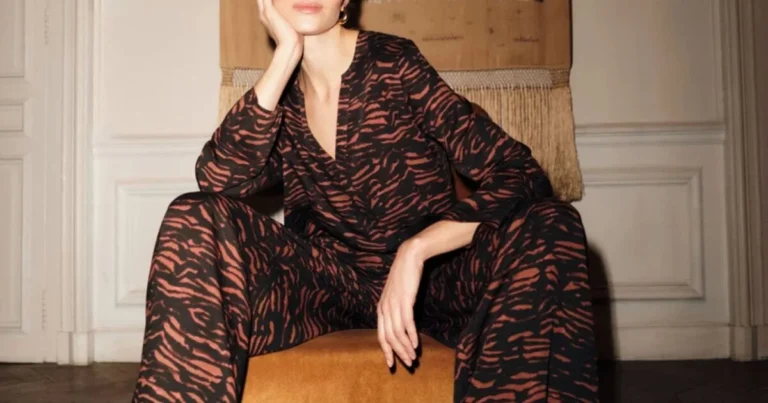
- Facettes Studio: This Parisian brand dedicates itself to "wardrobe essentials for the multifaceted woman," focusing on suits made from upcycled materials. Facettes Studio has banned polyester and polyamide from its collections and provides a repairs and alterations service, promoting longevity and circularity in fashion. Available in sizes FR 34-44.
- ColieCo: Based in Portugal, ColieCo produces lingerie, underwear, and swimwear through a handmade-to-order process. Every garment is manufactured using exclusively lower-impact and responsibly sourced fabrics, ensuring premium pieces with a minimal environmental footprint. Available in sizes 2XS-3XL.
- BASTET NOIR: This brand creates modular 3-piece sets from deadstock fabrics in limited runs, offering multifunctional traveling essentials for the working woman. By utilizing deadstock, BASTET NOIR minimizes textile waste and promotes resource efficiency. Available in sizes 36-42, or in custom sizing.
- Lucy Bee: A UK-based organic skin and body care brand, Lucy Bee is renowned for its coconut-based products. Certified vegan and cruelty-free, the brand explicitly states its ethical sourcing practices, including not using monkeys in coconut harvesting, and avoids palm oil in its formulas, demonstrating a comprehensive approach to ethical beauty.
- Indilisi: With a strong focus on heritage crafts and handweaving, Indilisi creates clothing using surplus fabrics sourced from deadstock material. This approach not only reduces waste but also supports traditional artisanal skills.
- Akyn: Founded by sustainable fashion industry legend Amy Powney, Akyn produces contemporary and timeless womenswear using lower-impact materials. Her expertise and commitment bring a high level of design and ethical standards to the brand.
- HERTH: An Italian lifestyle brand, HERTH’s design philosophy marries sustainability and ethics with timeless aesthetics. They promote slow fashion by creating contemporary pieces with clean silhouettes and meticulous attention to detail, crafted by local Italian artisans using lower-impact materials. HERTH embodies effortless luxury rooted in conscious production. Currently, selected organic silk styles are 50% off (ends 11 MAR). Available in sizes XS-2XL.
- Jyoti – Fair Works: Based in Germany, Jyoti – Fair Works creates GOTS certified cotton products and provides employment for marginalized or disadvantaged groups in India. This direct social impact model ensures that ethical production translates into tangible benefits for vulnerable communities. Available in sizes S-XL.
- Not Basics (Pantee): This UK-based women’s wardrobe essentials brand prioritizes comfort and sustainability. Beginning with underwear made from deadstock t-shirts, Not Basics incorporates a high proportion of recycled and lower-impact materials, with limited production runs to minimize textile waste. Available in sizes XS-3XL.
Australian Innovators: Conscious Design Down Under
Australia’s women-led brands are making significant strides in conscious design, focusing on cruelty-free alternatives, non-toxic processes, and a deep connection to their local environment.
- Sans Beast: Founded in 2018, Sans Beast delivers luxury vegan bags and accessories entirely cruelty-free. The brand is meticulous about its sourcing, utilizing Global Recycled Standard certified materials and innovative plant-based leathers derived from cactus and apple, showcasing a strong commitment to material innovation and animal welfare.
- Oobi: This Australian girl’s fashion, swimwear, homewares, and lifestyle brand not only creates stylish children’s clothes but also ensures the use of low-impact, non-toxic dyes. Oobi avoids animal products and opts for sea freight to transport products, actively working to reduce its climate impact. They are currently offering an exclusive 10% off Easter Collection with code OOBIEASTER10 (ends 2 APR).
- Eco Intimates: Offering organic cotton lingerie, intimates, and sleepwear, Eco Intimates caters to women who prioritize comfort, ethical production, and environmental consciousness. Their range of loungewear (XS-2XL) and lingerie (up to 4XL) emphasizes natural materials for body and Earth.
- nat’v basics: An Australian responsible underwear label, nat’v basics designs pieces for the everyday woman using recycled and lower-impact materials. The brand’s focus on comfortable, minimalist designs eliminates unnecessary frills, allowing wearers to feel good about their ethical choice. Available in AU sizes 6-20.
- BJ’s PJs: Australia-based BJ’s PJs was founded with the mission to create minimal, comfortable, and supportive lounge and sleepwear using lower-impact materials. The brand manufactures its garments locally to reduce shipping impact and traces most of its supply chain, reflecting a commitment to transparency and reduced carbon footprint. Available in sizes XS-4XL.
- TALI & TASI: Formerly Tasi Travels, this Australian brand offers travelwear designed for adventures. Their stunning collection of handmade, made-to-order garments uses lower-impact materials, ensuring a light footprint for conscious travelers. Available in sizes XS/S, S/M, and M/L.
Asian Pioneers: Closing the Loop and Custom Craft
While Asia remains a manufacturing hub often associated with fast fashion, a new wave of women-led brands in the region is demonstrating how innovation and ethical practices can thrive, focusing on circular design and personalized production.
- Loop Swim: Headquartered in Shanghai and founded by two women from the US and India, Loop Swim is dedicated to closing the loop on waste. The brand transforms post-consumer plastic bottles into phenomenal REPREVE UP50+ sun protective swimwear for men, women, and kids. Their trendless, high-quality designs are built to last, retaining shape and color, promoting durability over disposability. Available in sizes XS-XL.
- SeamsFriendly: Co-founded by Nayanika Jain and Anurag Sarawgi, SeamsFriendly creates beautiful tailored pieces for all body types, emphasizing function and utility. The brand utilizes lower-impact materials like organic cotton and linen, and uniquely offers shoppers the ability to customize designs to their exact preferences—from neck style and sleeve length to garment length and fabric. This customizability addresses the "one-size-fits-some" problem of conventional fashion, ensuring a perfect fit and reducing waste associated with ill-fitting clothes. SeamsFriendly offers an exclusive 15% off with code SF-GY15 (Sale items excluded, ends 28 MAR) on various collections including reversible and convertible clothing, most loved designer styles, jumpsuits and rompers, and infinitely customizable clothing for women. The brand’s extensive sizing options (bust 26"-70", waist 19"-63", including petite, regular, and tall heights) and a kids range (bust: 18"-28", waist: 19"-26") further underscore its commitment to inclusivity and sustainable production.
The Collective Impact: Shaping a More Equitable Future
The diverse array of women-led sustainable brands highlighted on International Women’s Day demonstrates a powerful and growing movement dedicated to reshaping the fashion industry. These entrepreneurs are not merely offering alternatives; they are building a new foundation for commerce that prioritizes people, planet, and purpose. Their collective efforts represent a significant pushback against the exploitative and environmentally damaging practices of fast fashion.
By consciously choosing to support these brands, consumers become active participants in this transformation. Each purchase made from a brand committed to fair wages, ethical sourcing, innovative lower-impact materials, and local production sends a clear message to the broader industry: that demand for responsible fashion is strong and growing. This collective action empowers women across the supply chain—from the farmers cultivating organic cotton to the artisans handcrafting jewelry, and the designers innovating new material solutions. It fosters economic resilience in local communities and drives investment in sustainable practices that protect our planet.
The implications extend beyond individual transactions. This movement is fostering greater transparency, accountability, and inclusivity within an industry historically marred by opacity and exploitation. It is inspiring new generations of entrepreneurs to integrate social and environmental responsibility into their business models from inception. As platforms like Good On You continue to provide transparent ratings, they equip consumers with the knowledge to make informed choices, accelerating the shift towards a fashion future that truly celebrates human dignity and ecological balance. Supporting these women-led brands is not just a fashion statement; it is an act of feminist sustainability, investing in a world where ethical production and environmental harmony are the standard, not the exception.