







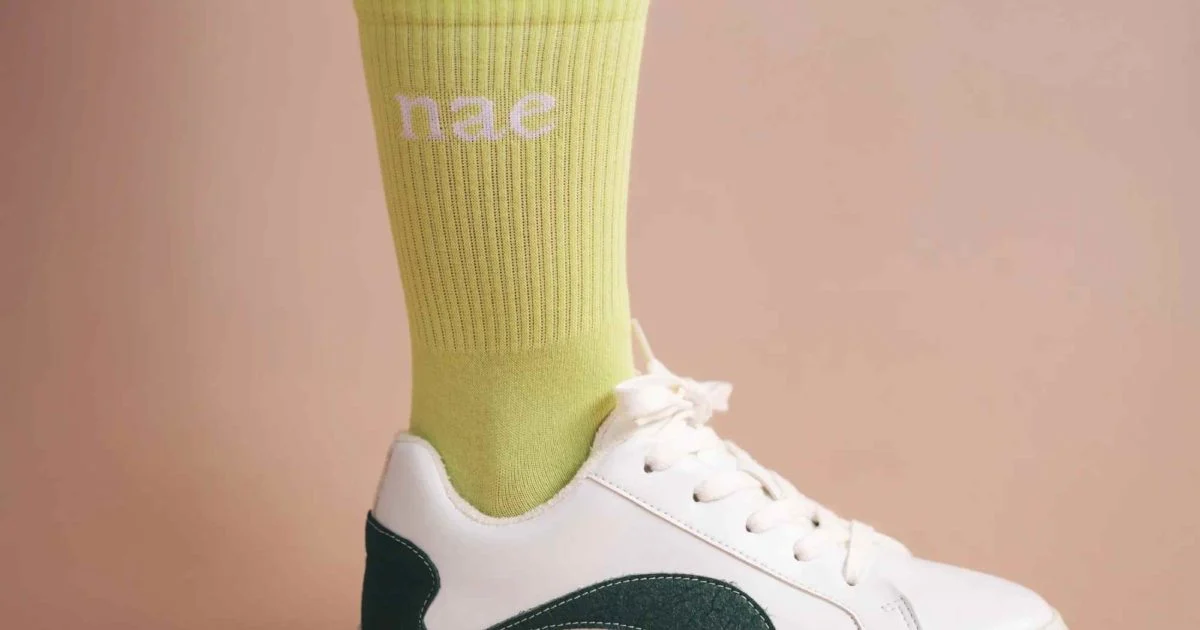
The global footwear industry, a colossal market valued at over $365 billion in 2023, stands at a pivotal juncture, grappling with the urgent imperative for sustainability. Within this vast landscape, sneakers, long elevated from mere athletic gear to ubiquitous everyday fashion staples, represent a significant portion of the environmental and social challenges posed by rapid consumption cycles. While their versatility and comfort have cemented their status as a closet essential across seasons and demographics, the production and disposal of conventional sneakers contribute substantially to global pollution, resource depletion, and often, exploitative labor practices. This article explores the growing movement towards more ethical and sustainable sneakers, highlighting the innovations, challenges, and the brands leading the charge in prioritizing people, the planet, and animal welfare.
The Hidden Cost of Conventional Sneakers: A Footprint Analysis
The journey of a typical pair of sneakers from raw material to retail shelf is far from benign. Conventional sneaker production is resource-intensive and often environmentally damaging. A significant portion of this impact stems from material choices. For instance, traditional leather, a common component, involves extensive land use for cattle farming, deforestation, and the use of harsh chemicals like chromium in the tanning process, which pollutes waterways and poses severe health risks to workers. Synthetic materials, predominantly petroleum-based plastics such as polyester and polyurethane, contribute to the fossil fuel industry’s carbon footprint and shed microplastics into ecosystems throughout their lifecycle and after disposal.
Manufacturing processes further exacerbate these issues. High energy consumption from factories, often powered by fossil fuels, leads to substantial greenhouse gas emissions. The dyeing and finishing stages of textiles and leathers are notorious for their reliance on vast quantities of water and chemicals, discharging untreated wastewater into local environments in many production hubs. A widely cited study by MIT estimates that a single pair of running shoes generates approximately 13 kilograms of carbon dioxide equivalent emissions over its lifetime, a figure comparable to keeping a light bulb on for a week. Beyond environmental degradation, the social dimension is equally critical. The global supply chains for footwear are often opaque, with production concentrated in regions where labor laws are weak or poorly enforced. This can lead to low wages, unsafe working conditions, and even child labor, perpetuating cycles of poverty and exploitation.
The Rise of Fast Fashion and Its Impact on Footwear
The concept of "fast fashion," characterized by rapid trend cycles, inexpensive production, and frequent consumption, has deeply infiltrated the footwear market. Consumers have been conditioned to perceive sneakers as disposable items, replacing them as soon as a trend fades or a new model emerges. This acceleration of consumption drives up demand for ever-cheaper production, placing immense pressure on manufacturers to cut costs, often at the expense of environmental safeguards and worker welfare. The average lifespan of a trend-driven sneaker is shrinking, leading to millions of pairs being discarded prematurely. In the United States alone, it’s estimated that over 300 million pairs of shoes are thrown away annually, most ending up in landfills where their multi-material composition makes them incredibly difficult to recycle or biodegrade. This linear "take-make-dispose" model is inherently unsustainable and highlights the urgent need for a paradigm shift towards circularity and conscious consumption.
A Shifting Tide: The Evolution of Sustainable Footwear
While mass-produced athletic footwear gained prominence in the mid-20th century, the conversation around its environmental and social impact is a more recent development, gaining significant traction in the late 20th and early 21st centuries. Early sustainability efforts often focused on using recycled materials or reducing waste in manufacturing. However, the last decade has seen a rapid evolution, driven by increased consumer awareness, technological advancements, and the pioneering efforts of smaller, mission-driven brands. The global sustainable fashion market, including footwear, is projected to grow significantly, reflecting a substantial shift in consumer values. Reports indicate that a growing percentage of consumers, particularly younger demographics, are willing to pay more for products that are ethically and sustainably produced, signaling a strong market signal for change.
This evolution has seen the emergence of several key pillars defining sustainable sneaker production:
- Innovative and Lower-Impact Materials: The industry is moving beyond traditional leather and virgin synthetics. This includes the widespread adoption of recycled polyester (rPET) from plastic bottles, recycled rubber, and organic cotton certified by standards like GOTS (Global Organic Textile Standard). More excitingly, bio-based alternatives are gaining ground, such as "leather" made from apple peels, grape waste, pineapple leaves (Piñatex), corn, and even mycelium (mushroom roots). These materials often require less water, fewer chemicals, and generate a smaller carbon footprint compared to their conventional counterparts.
- Responsible Manufacturing Processes: Sustainable brands are investing in factories that prioritize renewable energy sources, implement closed-loop water systems to minimize pollution, and adopt lean manufacturing techniques to reduce waste. Made-to-order models, as embraced by some brands, significantly cut down on overproduction and inventory waste.
- Ethical Labor Practices: Transparency and fair treatment of workers are paramount. Brands committed to sustainability often ensure fair wages, safe working conditions, and freedom of association for their employees across the supply chain. Certifications like Fair Trade or adherence to strict codes of conduct are common indicators of such commitments.
- Durability and Circularity: Moving away from disposability, sustainable sneakers are designed for longevity, encouraging consumers to buy less often. Furthermore, brands are increasingly considering the "end-of-life" of their products, exploring options for repair, take-back programs, and designing shoes that can be more easily disassembled and recycled into new products, fostering a truly circular economy.
Leading the Charge: Trailblazers in Ethical Footwear
The shift towards more responsible footwear is being driven by a diverse group of brands, each contributing uniquely to the landscape of sustainable sneakers. These companies are not just making shoes; they are rethinking the entire production paradigm, from sourcing to disposal. Organizations like Good On You play a crucial role in assessing and rating these brands based on their impact on people, the planet, and animals, providing consumers with vital transparency. Our editors meticulously curate and rate brands, ensuring that recommendations align with rigorous ethical standards.
Here’s a closer look at some of the trailblazers prioritizing sustainability in their sneaker offerings:
-
Vesica Piscis: Hailing from Spain, Vesica Piscis exemplifies a commitment to vegan footwear. Their approach integrates a high proportion of lower-impact materials, harnesses renewable energy in manufacturing, and critically, operates on a made-to-order basis. This demand-driven production model drastically curtails waste, addressing one of fast fashion’s most significant environmental shortcomings. The brand’s dedication to sustainable practices extends to offering a wide size range (EU 36-46), ensuring inclusivity.
-
Etiko: This Australian designer stands as a beacon for fair trade and organic production. Etiko not only utilizes organic materials for its clothing and shoes but also actively campaigns for the human rights of workers in traditionally exploitative supply chains. Their consistent advocacy sets a high bar for social responsibility, demonstrating that ethical sourcing and fair labor are non-negotiable foundations for truly sustainable products. Their footwear is available in UK sizes 3-13.
-
Agazi: A vegan footwear brand based in Poland, Agazi showcases remarkable material innovation. Their diverse range, including sneakers, sandals, and heels, is crafted entirely from non-animal-derived materials. They are particularly noted for incorporating cutting-edge alternatives like hemp and leathers made from apple skin and grape waste, proving that luxury and ethical production can go hand-in-hand without compromising style or performance.
-
ID.EIGHT: Born from the collaboration of footwear veterans Dong Seon Lee and Giuliana Borzillo in Italy, ID.EIGHT offers a refined collection of ethical and sustainable sneakers. The brand’s commitment is evident in its material choices, which include lower-impact materials derived from food industry waste—such as apple peels, grape stalks and seeds, and pineapple leaves—alongside recycled cotton and polyester. This innovative approach transforms waste into high-quality footwear, with shoes available in EU sizes 36-46.
-
Komodo: This UK brand places people and the planet at the forefront of its menswear and womenswear collections, including its footwear. Komodo champions responsible materials like GOTS-certified organic cotton and hemp. Crucially, the brand ensures that the majority of its suppliers pay a living wage to their workers, addressing the vital social aspect of sustainability. Most of their range is available in UK sizes 8-16.
-
Flamingos’ Life: Committed to creating vegan sneakers for everyone, Flamingos’ Life utilizes PETA-approved vegan materials, with a particular focus on upcycled components. This Spanish brand demonstrates that fashion-forward design can be achieved without animal products, while also actively reducing waste by repurposing existing materials. Their footwear is available in sizes 36-46.
-
tentree: The Canadian brand tentree distinguishes itself with a bold environmental mission: planting ten trees for every item purchased. Having already planted over 65 million trees, they actively contribute to ecosystem regeneration and provide planting jobs globally. Their "Earth-first" approach means all products, including their shoes, are made under fair, safe working conditions and constructed from lower-impact and recycled materials. tentree’s commitment extends beyond product to active environmental restoration, with clothes typically available from XS-XL.
-
Elk: An independent Australian design pioneer founded in Melbourne in 2004, Elk produces bi-annual collections guided by an ethos where simplicity and sustainability converge with innovation. While known for a broader range of apparel, their footwear reflects this core philosophy, emphasizing quality, timeless design, and responsible practices. Elk’s commitment to thoughtful design contributes to the longevity of their products, aligning with sustainable consumption patterns, with most items in AU sizes 6-18.
The Crucial Role of End-of-Life Solutions
Even the most responsibly made sneakers eventually reach the end of their functional lifespan. Recognizing this, sustainable consumption extends to considering what happens after a shoe can no longer be worn. Throwing shoes into general waste perpetuates the landfill crisis. Instead, conscious consumers are encouraged to explore donation and recycling programs. Organizations like Soles4Souls collect new and gently used shoes to create sustainable jobs and provide relief globally, transforming unwanted footwear into opportunities. Larger companies, such as Nike, have also initiated programs like "Reuse-A-Shoe," which grinds down old athletic shoes to create materials used in sports surfaces and playgrounds. These initiatives are vital steps towards a circular economy for footwear, reducing waste and maximizing resource utility.
Broader Implications and the Path Forward
The growing momentum behind ethical and sustainable sneakers signifies a broader shift in the fashion industry. This movement is not merely a niche trend but a critical response to escalating environmental and social crises. The implications are far-reaching:
- Consumer Empowerment: Access to transparent ratings and information empowers consumers to make informed choices, driving demand for ethical products and holding brands accountable. This collective purchasing power is a potent force for change.
- Industry Transformation: The success of sustainable trailblazers pressures larger, established brands to re-evaluate their own supply chains, materials, and labor practices. While scaling sustainability presents significant challenges for global giants, increased investment in research and development for new materials and processes is becoming inevitable.
- Policy and Regulation: As consumer awareness grows, there is increasing pressure on governments to implement policies that promote sustainable manufacturing, enforce stricter labor laws, and support circular economy initiatives, such as extended producer responsibility schemes.
- Combating Greenwashing: The rise of "green" claims necessitates vigilance against greenwashing, where brands misleadingly market products as environmentally friendly without genuine commitment. Reputable rating systems and transparent reporting are crucial in distinguishing truly sustainable brands from those merely capitalizing on the trend.
The journey towards a fully sustainable footwear industry is ongoing. It requires continuous innovation in material science, greater transparency across complex supply chains, robust ethical labor standards, and a fundamental shift in consumer behavior from fast fashion to mindful consumption. By supporting brands that prioritize people, the planet, and animals, and by responsibly managing the end-of-life of our footwear, we collectively step towards a more sustainable future for fashion.
Editor’s note: Feature image via NAE, all other images via brands mentioned. Good On You publishes the world’s most comprehensive ratings of fashion and beauty brands’ impact on people, the planet, and animals. Use the directory to search thousands of rated brands. We updated this article on 5 March 2026. Our editors frequently make updates to articles to ensure they’re up to date. We refreshed our product round-up to ensure it reflects brands with recent ratings.