






Earlier this month, London’s vibrant East End bore witness to a unique convergence of tattoo artistry and cultural celebration as Studio ÜNÜ, nestled in the heart of the district, hosted "Tattoo Assembly." The event, a brainchild of prominent London tattoo scene fixtures CLUB X and CHURCH OF ENGLAND, drew a diverse crowd that spilled onto the streets, many adorned with the distinctive markers of modern body art: euroscratcher tattoos, intricately textured hand pieces, and bold black out blastovers. This outward display of contemporary tattoo trends hinted at the innovative spirit thriving within the venue, where 20 artists meticulously prepared to transform skin into canvases, challenging traditional perceptions of permanence and artistic expression.
A Hub of Innovation: Inside Studio ÜNÜ
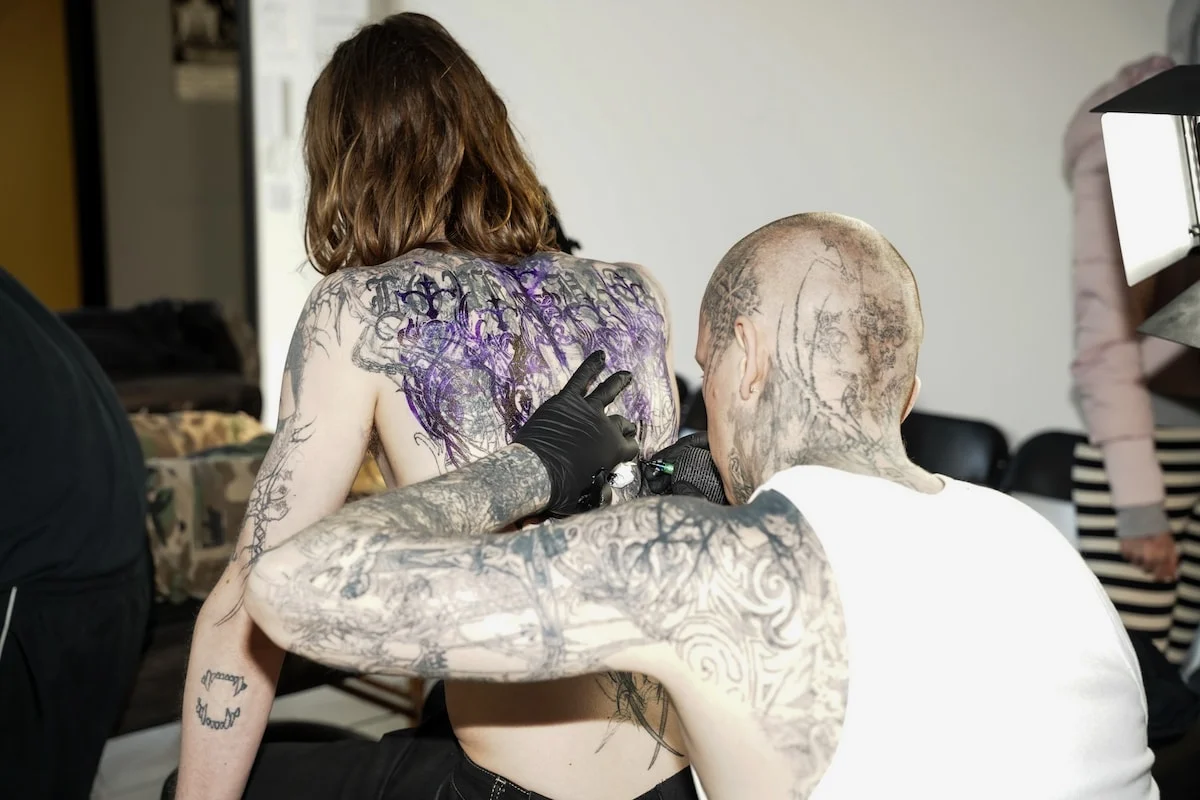
While the exterior showcased the finished artistry, the interior of Studio ÜNÜ presented a meticulously organized yet buzzing environment dedicated to the craft itself. The space was transformed into an active tattoo studio, thoughtfully laid out with multiple tattoo beds, each station equipped with the essential tools of the trade. Kitchen roll and numbing gel were stacked high, testament to the day’s anticipated volume of work, while USBs plugged into decks set a rhythmic, understated backdrop, blending the precision of tattooing with the relaxed atmosphere of a community gathering. This seamless integration of a working studio within a social event underscored the organizers’ vision: to democratize the tattoo experience, making the artistic process transparent and engaging for both seasoned enthusiasts and curious onlookers.
The event commenced with a palpable energy as artists, including celebrated figures such as Jonah Slater, founder of Church of England Studio and the visionary behind Dilara Findikoğlu’s viral dress, alongside renowned practitioners like @djforever123456789, @4play, and @shabalaparabala, meticulously stenciled flash designs and fine-tuned their equipment. As clients poured through the doors, the venue quickly became a dynamic ecosystem. Some gravitated towards the bar area, fostering social connections while perusing exclusive merchandise and observing the intricate work unfolding before them. Others, eager to acquire a new piece of art, took to the chairs, entrusting their skin to some of London’s most sought-after artists. Photographers Hannah Guyer and Poppy Pray were on hand to capture the electric atmosphere and the evolving tapestry of human canvases, their images now serving as a visual chronicle of this landmark event.
The Visionaries: CLUB X and CHURCH OF ENGLAND
Tattoo Assembly represents a significant collaborative effort between two entities deeply embedded in London’s contemporary tattoo landscape: CLUB X and CHURCH OF ENGLAND. Both have cultivated reputations not merely as studios but as cultural catalysts, pushing the boundaries of tattoo artistry and fostering a strong sense of community.
CHURCH OF ENGLAND, spearheaded by Jonah Slater, has become synonymous with innovative, often provocative, and highly conceptual tattoo work. Slater himself is a prominent figure whose distinctive style has garnered international attention, notably through his collaboration with fashion designer Dilara Findikoğlu, which saw his tattoo artistry integrated into high fashion, generating significant viral traction. His studio is known for its experimental approach, attracting clients who seek bespoke designs that often challenge conventional tattoo aesthetics. The studio’s ethos leans towards art as experience, with each tattoo being a unique narrative.
CLUB X, while perhaps operating with a slightly different aesthetic focus, shares a similar commitment to artistic integrity and community building. Often associated with underground tattoo culture and a curated roster of artists who specialize in bold, graphic, and often abstract styles, CLUB X has played a crucial role in establishing platforms for emerging talent and fostering a collaborative spirit within the scene. Their combined expertise and shared vision for an inclusive, artist-centric event were the driving forces behind Tattoo Assembly, aiming to create a space where art, community, and commerce could coalesce organically. Their previous independent events have consistently drawn significant crowds, indicating a deep understanding of what resonates with the modern tattoo demographic.
Anatomy of Modern Tattoo Trends: Euroscratchers, Textured Hands, and Blastovers
The crowd outside Studio ÜNÜ offered a living exhibition of current tattoo trends, providing a snapshot of how contemporary body art is evolving beyond traditional styles. The prevalence of "euroscratcher tattoos," "textured hand tatts," and "black out blastovers" speaks volumes about a shifting aesthetic and a growing desire for unique, often subversive, forms of self-expression.
-
Euroscratcher Tattoos: This term, often used playfully, refers to a style characterized by a somewhat raw, sometimes intentionally naive or "DIY" aesthetic. It eschews the hyper-realism or crisp lines of traditional tattooing in favor of a more spontaneous, often hand-poked or less refined look. This style gained traction partly as a reaction against the polished, commercialized image of tattooing, embracing imperfections and a sense of authenticity. It’s popular among those seeking designs that feel more personal, less mass-produced, and often carry a rebellious or underground charm. Data from recent tattoo conventions across Europe indicates a steady rise in artists specializing in this aesthetic, with social media platforms like Instagram showcasing millions of posts under related hashtags, highlighting its broad appeal, especially among younger demographics who appreciate its anti-establishment undertones.
-
Textured Hand Tatts: Hand tattoos have long been a significant statement, given their high visibility. "Textured hand tatts" push this further, incorporating intricate patterns, stippling, dot work, or negative space techniques to create a tactile visual effect. These are not merely flat designs but pieces that play with light and shadow, giving the impression of depth and three-dimensionality. The hands, being a highly expressive part of the body, become a canvas for nuanced artistry that demands precision and a deep understanding of how design interacts with the unique contours of the hand. This trend often overlaps with fine-line, blackwork, and ornamental styles, reflecting a move towards more sophisticated and detailed aesthetic choices in highly visible areas.
-
Black Out Blastovers: Perhaps the most visually striking trend observed, "black out blastovers" represent a significant departure from conventional tattooing and a bold challenge to the concept of permanence. A blastover involves tattooing new designs directly over existing, often faded or unwanted tattoos, without fully covering them. The original tattoo remains partially visible, creating a layered, almost archaeological effect. "Black out" versions take this a step further, often using solid black ink to cover large areas of skin, sometimes entirely obscuring previous tattoos, or creating stark, bold new patterns. This trend is popular for several reasons: it offers an alternative to painful and expensive laser removal, allows for a dramatic aesthetic change, and can be seen as an act of reclaiming one’s skin and narrative. It symbolizes transformation, renewal, and a powerful assertion of personal agency. Industry analyses suggest a growing demand for such large-scale, transformative work, particularly in urban centers like London, where individuals are constantly seeking new forms of self-expression and artistic evolution.
The Economic and Cultural Significance of Tattoo Assembly
Beyond its immediate artistic impact, Tattoo Assembly carries significant economic and cultural implications for London, particularly for its East End artistic community. The event generated direct revenue for the participating artists, many of whom are independent practitioners relying on such opportunities for exposure and client acquisition. The sale of merchandise, food, and beverages at Studio ÜNÜ also contributed to local commerce. Moreover, the influx of attendees from across London and potentially beyond boosted foot traffic in the surrounding area, benefiting other local businesses.
Culturally, Tattoo Assembly reinforced East London’s reputation as a dynamic hub for contemporary art and subculture. The district has historically been a melting pot of creative expression, from street art to independent galleries, and tattoo culture has long found a welcoming home here. Events like this help to destigmatize tattoos, presenting them not as fringe markers but as legitimate forms of artistic expression and personal narrative. By bringing together diverse artists and a wide audience, Tattoo Assembly fostered dialogue, challenged preconceived notions about body art, and celebrated the rich tapestry of human creativity. It provided a platform for both established luminaries and rising stars, ensuring the continuous evolution and innovation within the tattoo industry.
The collaborative spirit demonstrated by CLUB X and CHURCH OF ENGLAND also serves as a model for future artistic ventures. In an increasingly competitive creative landscape, joint initiatives that pool resources, talent, and audience reach can lead to more impactful and sustainable cultural events. This synergy not only benefits the artists involved but also enriches the cultural offering of the city, providing unique experiences that resonate with a broad public.
A Glimpse into the Future of Tattoo Culture
Tattoo Assembly was more than just a single-day event; it was a powerful statement about the evolving nature of body art and community. The presence of such a diverse array of styles and artists under one roof highlighted the fluidity and dynamism of contemporary tattooing. It showcased a movement away from rigid categorizations and towards a more expansive, inclusive understanding of what a tattoo can be.
The success of the event, evidenced by the enthusiastic crowd and the palpable creative energy, suggests a strong appetite for similar gatherings. It underscores a growing desire among both artists and enthusiasts for spaces that celebrate the craft, foster connection, and push artistic boundaries. As the tattoo industry continues to grow—with market research indicating a global market value projected to reach billions in the coming years, driven by increasing acceptance and diverse artistic innovation—events like Tattoo Assembly will play a crucial role in shaping its trajectory. They serve as crucibles for new trends, platforms for artistic collaboration, and vital community anchors in a rapidly evolving cultural landscape. The impact of this assembly will likely resonate through London’s tattoo scene for months to come, inspiring new collaborations, challenging aesthetic norms, and cementing the city’s status as a global epicenter for cutting-edge body art.