










The global fashion and beauty industry finds itself at a pivotal juncture, wrestling with a confluence of geopolitical instability, evolving ethical standards, and a relentless pursuit of sustainability. This month’s news round-up reveals a landscape marked by high-profile collaborations sparking intense debate, critical supply chain vulnerabilities laid bare by international conflicts, and increasing scrutiny over corporate responsibility, from labor practices to marketing ethics. Amidst these challenges, innovative solutions and shifts in consumer behavior offer glimpses of a more conscious future, even as the industry grapples with the accelerating pace of ultra-fast fashion.
Navigating Controversy and Reputational Shifts in Fashion
The fashion world frequently generates headlines through its creative collaborations and strategic business maneuvers. This month, two distinct stories illustrate the industry’s complex relationship with reputation, commercial ambition, and ethical considerations.
Zara x John Galliano: The "Power Move" and its Repercussions
The announcement of a collaboration between fast-fashion behemoth Zara, owned by Spanish retail giant Inditex, and the controversial designer John Galliano, has ignited a firestorm across the industry. FashionUnited’s analysis highlights the widespread "uproar," with many critics labeling the partnership a calculated "power move from Inditex." The collaboration promises to reinvent Zara’s "archive," a concept that itself has drawn skepticism, given Zara’s long-standing reputation for rapidly reinterpreting — and, according to some allegations, directly lifting — designs from high-end labels and smaller independent creators.
John Galliano’s career has been a rollercoaster of unparalleled creative brilliance and profound personal downfall. Once the visionary head of Givenchy and Dior, his career dramatically imploded in 2011 after he was recorded making antisemitic remarks. Following his public apology and a period of rehabilitation, he has slowly re-emerged, notably as the creative director of Maison Margiela since 2014, a role that has been largely lauded for its artistic integrity. This collaboration with Zara, however, presents a different dynamic. For Galliano, it offers unprecedented mainstream visibility and potentially a significant financial injection, further cementing his return to commercial relevance. For Zara, the allure is clear: associating with a designer of Galliano’s undisputed creative caliber lends an immediate, albeit contested, aura of high fashion legitimacy to a brand often criticized for its disposable model. Inditex, with a reported revenue exceeding €35.9 billion in 2023, is known for its aggressive market strategies, and this move could be seen as an attempt to elevate Zara’s perception, tap into a new segment of fashion-conscious consumers, and generate significant buzz.
Industry responses have been multifaceted. Fashion critics and commentators have questioned the very notion of a "Zara archive," given the brand’s operational model focused on rapid trend replication rather than design longevity. Sustainability advocates have also voiced concerns, fearing that such a high-profile partnership could inadvertently normalize or even celebrate fast fashion practices, despite Galliano’s artistic pedigree. The long-term implications for both reputations remain to be seen. While some argue it further rehabilitates Galliano by placing him squarely in the commercial mainstream, others believe it risks diluting his artistic standing and further tarnishing Zara’s image among those seeking genuinely ethical and original fashion.
SHEIN’s Supply Chain Gambit: Efficiency vs. Ethics
Further illustrating the industry’s complex ethical landscape, Business of Fashion’s exclusive report by Shayeza Walid reveals that ultra-fast fashion giant SHEIN is opening its "on-demand" supply chain infrastructure to other brands for manufacturing. SHEIN’s business model is characterized by its hyper-responsiveness, leveraging sophisticated AI and data analytics to identify micro-trends, rapidly design and produce small batches of clothing, and scale production only for best-selling items. This allows for an astonishing rate of "newness," with thousands of new products listed daily.
While SHEIN’s efficiency and speed are undeniable, its operations have been plagued by severe controversies, including allegations of forced labor, egregious environmental impact due to its high-volume, low-cost production, and rampant intellectual property theft. The company’s astronomical growth, reportedly reaching a valuation of over $66 billion, underscores the market’s demand for ultra-affordable fashion, but also the deep ethical chasm it represents.
The prospect of other brands utilizing SHEIN’s supply chain presents a significant dilemma. For brands seeking to accelerate their time-to-market, reduce costs, and leverage SHEIN’s proven logistical prowess, the temptation is clear. However, Walid aptly points out the substantial "reputational risk" involved. Associating with a retailer facing such widespread criticism for its labor practices and environmental footprint could severely damage a brand’s standing with increasingly conscious consumers and ethical investors. This move by SHEIN could further consolidate the ultra-fast fashion model, blurring the lines between different segments of the industry and potentially accelerating the overall pace of consumption and waste, even for brands not traditionally categorized as "ultra-fast." The implications for industry standards, ethical sourcing, and environmental responsibility are profound, raising questions about whether the pursuit of efficiency can ever truly be decoupled from accountability.
M&S Embraces "Newness": The Fast Fashion Creep
In a strategic shift aligning it closer with the ultra-fast fashion business model, iconic British retailer Marks & Spencer has implemented a monthly product drop program. This initiative, reported by FashionUnited, aims to drastically reduce the time from design to shop floor delivery to just two weeks. M&S states that this will offer "more frequent newness and greater trend credibility."
Historically, M&S has cultivated an image of quality and durability, albeit sometimes struggling to capture younger, trend-driven demographics. This move reflects the intense competitive pressure on traditional high street retailers from online fast fashion giants. By adopting a more agile, trend-responsive model, M&S hopes to increase its market relevance and appeal. However, this acceleration raises concerns about its sustainability commitments. A faster production cycle inherently increases the risk of overproduction and waste, contradicting efforts towards a more circular economy. While M&S has made strides in sustainability reporting and ethical sourcing, the tension between commercial imperative for "newness" and genuine environmental responsibility remains a significant challenge for legacy brands attempting to modernize. The average M&S customer might not be the typical SHEIN shopper, but the retailer’s pivot suggests a broader industry trend towards shorter fashion cycles, impacting even more established players.
Geopolitical Tensions and Supply Chain Vulnerabilities
The globalized nature of the fashion industry means that geopolitical events far removed from design studios and retail floors can have immediate and devastating consequences for its supply chains and, most critically, for its most vulnerable workers.
Strait of Hormuz Closure: A Looming Crisis for Garment Workers
The ongoing US-Israel-Iran conflict has cast a long shadow over global trade, with the Business and Human Rights Centre tracking its profound impacts on supply chains and workers. The potential closure or severe disruption of the Strait of Hormuz is a particular concern. This narrow waterway, situated between the Persian Gulf and the Gulf of Oman, is one of the world’s most critical maritime choke points. Approximately one-fifth of the world’s total oil supply and a significant portion of global trade, including a vast volume of goods destined for and originating from Asia and Europe, passes through this strait daily. For the garment and textile industry, this translates into millions of containers carrying raw materials, finished goods, and machinery.
Shipment delays due to heightened security risks, rerouting requirements, or outright blockades in the Strait of Hormuz are already leading to "fears of factory closures, unpaid wages, and the ‘burden of the additional cost’ that may be placed on suppliers and workers." Garment workers, predominantly women in developing nations, are particularly vulnerable. Many operate on precarious contracts with minimal social safety nets. Delays mean factories cannot ship orders, leading to delayed payments from brands, which in turn leads to delayed or unpaid wages for workers. Suppliers, often operating on thin margins, may be forced to absorb additional freight costs or face financial ruin, risking widespread job losses. The global supply chain, still reeling from the disruptions caused by the COVID-19 pandemic and the Suez Canal blockage in 2021 (which cost global trade an estimated $9.6 billion per day), is demonstrating its fragility once more. Brands face increased logistical costs and pressure to find alternative, often longer and more expensive, shipping routes, ultimately impacting consumer prices and delivery times. The conflict underscores the urgent need for greater supply chain resilience and robust mechanisms to protect human rights within these complex global networks.
Advancements and Challenges in Sustainable Materials and Practices
The push for sustainability continues to drive innovation and critical self-reflection within the industry, challenging long-held assumptions about environmentally friendly practices.
The Biodegradation Dilemma: Rethinking Natural Fibers
A new report, co-authored by Fashion Revolution co-founder Carry Somers, is prompting a significant re-evaluation of natural fibers’ environmental credentials. As reported by Sophie Benson in Vogue Business, an increasingly prevalent question in the industry is "What if Natural Fibers Don’t Biodegrade?" The common narrative positions natural fibers like cotton, wool, and linen as inherently superior to synthetics because they are assumed to biodegrade harmlessly at the end of their life. However, the report highlights that "biodegradation" is a complex process highly dependent on specific environmental conditions.
True biodegradation requires the presence of certain microorganisms, oxygen, moisture, and appropriate temperatures. In typical landfill environments, which are often anaerobic (lacking oxygen) and designed to mummify waste rather than break it down, even natural fibers can persist for decades or even centuries. Furthermore, chemical treatments, dyes, and blends with synthetic components can further impede their natural decomposition. This nuanced understanding challenges the simplistic "natural equals good" message and calls for a more scientific and transparent approach to material assessment. The conversation now shifts to how natural fibers behave in various end-of-life scenarios, compelling the industry to consider the full lifecycle impact, including waste management infrastructure, rather than relying solely on raw material origin. This reframing demands greater clarity in labeling and consumer education about what "biodegradable" truly means in practice, and how it compares to the often-criticized persistence of synthetic fabrics in the environment.
Innovative Dyes: Seaweed’s Green Promise
Addressing another critical environmental concern, Scottish dye company SeaDyes has raised £200,000 to scale its work in creating seaweed-based dyes, as reported by EcoTextile News. The textile dyeing industry is notoriously water-intensive and a significant source of water pollution, with synthetic dyes often containing heavy metals and other toxic chemicals that are released into waterways. The search for sustainable alternatives is therefore paramount.
Seaweed dyes offer a promising solution. They are derived from a renewable, abundant marine resource that requires no arable land, freshwater, or pesticides to grow. The process of extracting pigments from seaweed can be significantly less chemically intensive than synthesizing artificial dyes. While scaling up such innovations presents challenges related to cost-effectiveness, consistency in color range, and durability, this investment signifies growing confidence in bio-based solutions. SeaDyes’ success could pave the way for broader adoption of natural, non-toxic alternatives, reducing the fashion industry’s chemical footprint and its impact on aquatic ecosystems. This development is part of a wider trend of investment in green chemistry and biomaterials, crucial for the industry’s decarbonization and circularity goals.
Decarbonizing Fashion: CFOs at the Helm
In a significant call to action, H&M has partnered with EY to produce a new industry whitepaper urging Chief Financial Officers (CFOs) to prioritize and finance the decarbonization of fashion supply chains. As highlighted by ESG News, the paper emphasizes the need for increased collaboration and funding, repositioning decarbonization not merely as a "nice to have" feature of a sustainability strategy, but as a critical financial strategy.
The fashion industry is estimated to account for 4-10% of global greenhouse gas emissions, a figure that demands urgent attention to align with global climate targets like the Paris Agreement. The whitepaper argues that CFOs, as the custodians of corporate finance, must integrate climate risk and decarbonization into core financial planning. Climate-related business risks include potential regulatory penalties, supply chain disruptions due to extreme weather, increasing carbon taxes, and reputational damage from failing to meet climate commitments. By viewing decarbonization as a strategic financial investment that enhances resilience and reduces long-term risks, companies can unlock new capital, attract environmentally conscious investors, and future-proof their operations. This initiative reflects a maturing understanding within the industry that environmental sustainability is inextricably linked to financial stability and long-term business viability, moving beyond CSR departments to the highest levels of corporate governance.
Consumer Shifts and Regulatory Scrutiny
The evolving landscape of consumer values and increasing regulatory vigilance are reshaping market dynamics and corporate responsibilities within the fashion and beauty sectors.
Thrift Culture Resurgence: UK Charity Shops Find New Life
Amidst the rise of ultra-fast fashion and the proliferation of online resale platforms, UK charity shops are experiencing a remarkable resurgence, primarily driven by young fashion enthusiasts. The Guardian reports that the growing interest in online secondhand resale is having a positive knock-on effect on bricks-and-mortar charity shops, with profits increasing last year. This comes after challenging times, with charity shops struggling to compete with the sheer volume and low prices of fast fashion garments, and often being overwhelmed with donations of poor-quality, unsellable items.
The revival is largely attributable to Gen Z and younger millennials, who are increasingly embracing "thrift culture" for a combination of reasons: affordability, the desire for unique and individualized style, and a growing awareness of the environmental and ethical impacts of new clothing production. This demographic often views secondhand shopping as a sustainable and ethical choice, aligning with their values. While experts caution that challenges, such as managing the influx of low-value fast fashion donations, still persist, the sector has a significant opportunity to reshape its image and operations. By curating offerings, improving merchandising, and leveraging social media, charity shops are transforming into vibrant hubs for circular fashion, contributing to local economies and supporting charitable causes, all while challenging the dominance of new retail.
Holding Brands Accountable: Legal and Ethical Mandates
The legal and ethical spotlight is intensifying on brands across the fashion and beauty sectors, demanding greater accountability for their global operations and marketing practices.
-
Yves Rocher’s "Duty of Vigilance" Ruling: A Landmark for Human Rights. Industriall Union reports on a groundbreaking ruling in France, where cosmetics company Yves Rocher was found to have failed in its "duty of vigilance." France’s 2017 "Duty of Vigilance" law is a pioneering piece of legislation that obliges large French companies to identify and prevent human rights and environmental violations throughout their global supply chains. This case, relating to labor violations within Yves Rocher’s Turkish subsidiary (specifically, allegations of anti-union discrimination and unfair dismissals), marks a significant legal precedent. It underscores the increasing legal liability for parent companies for the actions of their international subsidiaries and suppliers. The ruling sends a strong message to multinational corporations that they must proactively map, assess, and mitigate risks of human rights abuses, moving beyond mere voluntary corporate social responsibility to legally binding obligations. This judgment is likely to encourage similar legislative efforts in other countries and empower civil society organizations to hold corporations accountable for their global impact.
-
Sephora Under Scrutiny: Protecting Minors from "Cosmeticorexia." Reuters reports that the Italian Competition Authority has launched an investigation into beauty retailers Sephora and Benefit. The probe focuses on allegations of prematurely marketing adult cosmetics and skincare products to children, often leveraging very young micro-influencers on social media. The regulator expressed concerns that such practices are contributing to "compulsive purchasing of face masks, serums and anti-ageing creams," behaviors it explicitly linked to "cosmeticorexia"—an emerging term describing an "unhealthy fixation with skincare among minors." This investigation highlights a critical ethical challenge in the digital age: the pervasive influence of social media on impressionable young audiences. The beauty industry, particularly through platforms like TikTok and Instagram, has seen a surge in "skinfluencers" promoting elaborate skincare routines, often featuring products designed for adult skin concerns. Experts warn that exposing children to potent active ingredients can cause irritation and damage to developing skin barriers, while the pressure to achieve "perfect" skin at a young age can foster anxiety, body image issues, and compulsive behaviors. The Italian regulator’s intervention signals a growing global concern about the ethical responsibilities of brands and influencers in marketing to minors, prompting a wider discussion on consumer protection, mental health, and the need for stricter guidelines in digital advertising.
Positive Strides Towards a More Responsible Industry
Amidst the complexities and controversies, several brands continue to demonstrate tangible commitments to positive change, offering examples of innovation and responsible business practices. These "Good" and "Great" rated brands, assessed by rigorous ratings systems, exemplify efforts towards a more sustainable and ethical future.
-
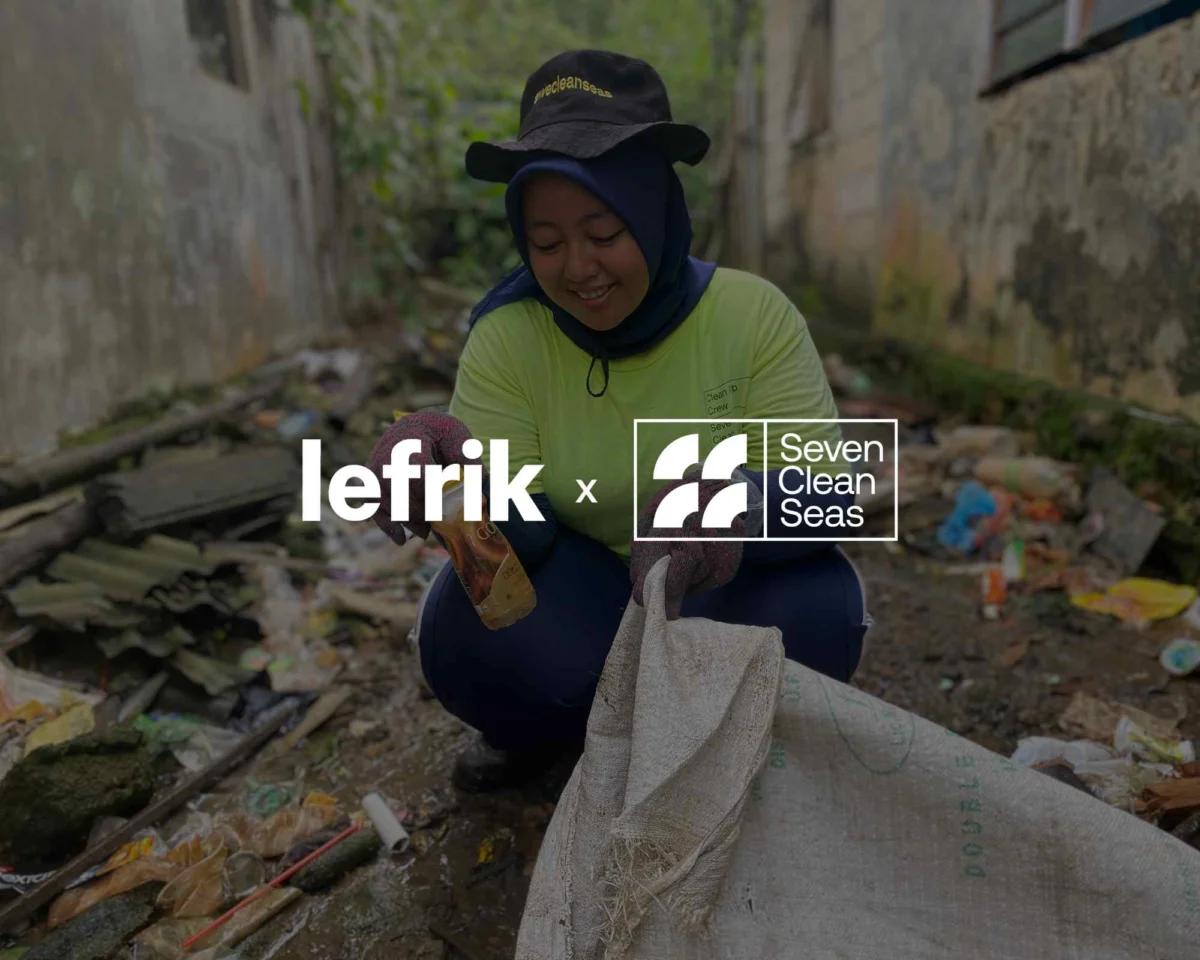
Lefrik x Seven Clean Seas: Sustainable bags brand Lefrik ("Great" rated) has announced a partnership with Seven Clean Seas, an organization dedicated to plastic pollution prevention. For every Lefrik product sold, the brand will allocate resources to support plastic collection efforts in Indonesia. Many Lefrik products are already made from recycled plastic, and this collaboration directly links their design principles with active environmental restoration, reinforcing a circular economy model and addressing ocean plastic waste at its source.
-
DAWN Denim, Shop Like You Give a Damn, and Cotton Diaries Podcast: "Great" rated DAWN Denim and sustainable retailer Shop Like You Give a Damn have joined forces with Cotton Diaries for an insightful new podcast episode. This initiative delves into common myths surrounding cotton and explores the transformative potential of regenerative cotton farming. Regenerative agriculture practices aim to improve soil health, biodiversity, and water retention, offering a significantly more sustainable approach to fiber cultivation compared to conventional methods. This podcast serves as a valuable educational resource, fostering greater understanding and transparency in material sourcing.
-
Kuyichi Celebrates 25th Anniversary with Blog Series: "Great" rated denim brand Kuyichi is commemorating 25 years in business by launching a 25-part blog series. Kuyichi has been a pioneer in sustainable denim, as their inaugural blog post highlights: "Long before sustainable fashion became a movement, [Kuyichi] was simply a response to a reality we could not accept." This series will detail the brand’s history, innovations, and ongoing commitment to ethical and environmental responsibility, offering a deep dive into the evolution of sustainable fashion.
-
Triarchy Launches Investment Drive: Highly rated denim brand Triarchy ("Great" rated) has initiated an investment drive with FrontFundr to secure financial stability and fund its sustainable production ambitions. This includes supporting the development of digitally dyed denim, which significantly reduces water and chemical use, and exploring next-generation materials. This proactive approach to securing capital for sustainable innovation demonstrates a commitment to long-term environmental leadership in the denim sector.
-
Armedangels Launches Wind-Resistant Outerwear with TENCEL Lyocell: "Great" rated brand Armedangels has introduced a new line of wind-resistant jackets made using TENCEL Lyocell, a lower-impact fiber. Traditionally, technical outerwear achieves wind and water resistance through harmful chemical treatments or plastic coatings. Armedangels explains that "Wind protection comes from the fabric itself, not from an added membrane. The material is permanently compacted using heat and pressure, increasing its density. This process provides up to 97% wind resistance while maintaining breathability." TENCEL Lyocell, derived from sustainably sourced wood pulp, is known for its closed-loop production process, making this an excellent example of innovative material science meeting functional design with reduced environmental impact.
Editor’s note: Good On You publishes the world’s most comprehensive ratings of fashion and beauty brands’ impact on people, the planet, and animals. Use our directory to search thousands of rated brands.
The past month underscores the dynamic and often contradictory nature of the fashion and beauty industries. While geopolitical conflicts threaten the livelihoods of millions and ethical debates rage over fast fashion’s acceleration and beauty marketing to minors, there are undeniable currents of innovation and accountability. From groundbreaking legal rulings to pioneering material science and a surging consumer appetite for secondhand goods, the industry is in a constant state of flux. The interplay of commercial ambition, social responsibility, and environmental imperative continues to shape its future, demanding vigilance, transparency, and a commitment to genuine progress from all stakeholders.