










Swedish childrenswear stalwart Polarn O. Pyret (PO.P) celebrates its 50th anniversary this year, marking five decades of an unwavering commitment to durability, timeless design, and a philosophy that starkly contrasts with the fast-fashion paradigm. In an exclusive interview with Drapers, CEO Katrina Bergström articulated the brand’s enduring belief that the future of childrenswear is anchored in garments designed to be worn across generations, a foundational principle that has defined its half-century legacy and, she asserts, will increasingly dictate the trajectory of the wider industry. This milestone not only commemorates PO.P’s significant contribution to the retail landscape but also spotlights a burgeoning movement towards conscious consumption and circularity within the apparel sector.
A Half-Century of Durable Design: PO.P’s Enduring Legacy
Founded in 1976 in Sweden, Polarn O. Pyret — meaning "Polar Bear and the Rascal" — emerged with a clear vision: to create comfortable, high-quality, and functional clothing that could withstand the rigours of childhood and be passed down from one child to the next. At a time when much of the fashion industry was beginning its pivot towards quicker production cycles and disposable trends, PO.P charted a different course, prioritizing robust materials, meticulous craftsmanship, and practical designs. This foundational philosophy, deeply ingrained in the brand’s Scandinavian heritage of functionality and respect for resources, has remained its guiding star through five decades of profound shifts in global retail and consumer behaviour.
The brand’s initial collections were characterized by their bright, often unisex designs, most notably the iconic stripes that quickly became synonymous with PO.P. These weren’t just aesthetic choices; they reflected a commitment to versatility and longevity, allowing garments to be shared between siblings regardless of gender and remain stylish for years. From robust outerwear designed to protect against harsh Nordic winters to soft, breathable basics for everyday play, every item was conceived with an extended lifecycle in mind.
PO.P’s Chronology: Navigating Trends with Timelessness
- 1976: Genesis in Stockholm: Polarn O. Pyret is founded with the mission to "let children be children." The first store opens, offering high-quality, functional children’s clothing. The focus is immediately on durable materials like organic cotton and robust outerwear fabrics.
- 1980s-1990s: Scandinavian Expansion and Brand Building: PO.P expands its presence across Scandinavia, solidifying its reputation for quality and distinctive design. The brand’s striped patterns become instantly recognizable, symbolizing a commitment to timelessness over fleeting fads. Investment in research and development for weather-resistant and child-friendly fabrics becomes a priority.
- Early 2000s: Facing the Fast Fashion Tsunami: As globalization and technological advancements accelerate the rise of fast fashion, PO.P consciously resists the temptation to compromise on quality or price point. The brand doubles down on its core values, educating consumers about the long-term value of durable clothing. Initial steps towards environmental responsibility, such as increasing the use of organic cotton, are taken.
- 2010s: Embracing Circularity and International Growth: Recognizing the growing consumer demand for sustainable options, PO.P intensifies its focus on circular economy initiatives. The "PO.P Second Hand" concept is launched in Sweden, allowing customers to buy and sell pre-loved PO.P garments, extending their lifespan further. Repair services are introduced, encouraging customers to mend rather than replace. International expansion gains momentum, with stores opening in key markets like the UK and the US, bringing the Scandinavian philosophy of durable design to a global audience.
- 2020s-2026: The Sustainability Imperative and 50th Anniversary: With climate change and ethical production at the forefront of global discourse, PO.P’s long-standing commitment to longevity finds renewed resonance. The brand continues to innovate in sustainable materials and production processes, aiming for full circularity. Its 50th anniversary in 2026 serves as a powerful testament to the viability and growing necessity of its business model, celebrating five decades of impact and setting a precedent for the industry’s future.
CEO Katrina Bergström’s Vision: Beyond Fleeting Fads
Speaking to Drapers, CEO Katrina Bergström underscored the strategic imperative behind PO.P’s unwavering commitment to durability. "For fifty years, our mission has been unequivocally clear: to create clothes that can withstand the rigours of childhood – endless play, countless washes, growth spurts – and still look good enough to be passed on, not just to the next child, but to the one after that, and perhaps even beyond," Bergström stated. "This isn’t merely a business model; it’s a profound commitment to sustainability, value, and a more responsible way of consuming. We firmly believe that the true future of childrenswear lies not in chasing transient trends or mass-producing disposable garments, but in crafting pieces with inherent longevity, designed for a multi-generational lifespan."
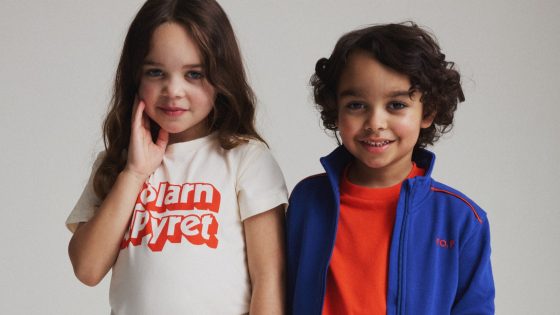
Bergström elaborated on the brand’s meticulous approach to design and production, which includes reinforced knees and elbows, adjustable waistbands, and extendable cuffs – features that enhance functionality and prolong wear. The investment in high-quality, often organic and recycled materials, coupled with robust stitching and ethical manufacturing processes, ensures that each garment meets stringent standards for safety, comfort, and endurance. This approach, she argues, offers a superior value proposition to consumers, despite a potentially higher upfront cost. "Parents are increasingly discerning," Bergström noted. "They understand that a garment that lasts through multiple children represents a significantly lower cost-per-wear and a far better environmental footprint than cheaper, single-use alternatives."
The Childrenswear Market Landscape: A Shift Towards Conscious Consumption
The global childrenswear market, projected to reach approximately $295 billion by 2026 with a compound annual growth rate (CAGR) of around 5.5%, is undergoing a significant transformation. While traditional growth drivers such as rising birth rates and increasing disposable incomes persist, a powerful new force is shaping consumer behaviour: sustainability. Parents, particularly those in younger demographics, are increasingly conscious of the environmental and ethical implications of their purchasing decisions.
Supporting data highlights this paradigm shift:
- Consumer Priorities: Recent market surveys indicate that over 65% of parents globally now prioritize durability when purchasing children’s clothing, while approximately 55% actively seek out sustainable and ethically produced garments. This represents a marked increase from a decade ago, where price and immediate aesthetics often dominated decision-making.
- Growth of Resale and Rental: The burgeoning second-hand apparel market, estimated to be growing at 15-20% annually, sees childrenswear as one of its fastest-expanding segments. Platforms facilitating the buying and selling of pre-owned children’s clothing, as well as rental services for special occasions or rapidly outgrown items, are gaining traction. This trend directly aligns with PO.P’s longevity model, validating the market’s readiness for durable, multi-owner garments.
- Textile Waste Crisis: The urgency of this shift is underscored by the global textile waste crisis, with an estimated 100 million tons of textiles discarded annually. A significant portion of this waste comprises children’s clothing, often due to its rapid obsolescence through growth or deterioration. Brands like PO.P offer a tangible solution to mitigate this environmental burden.
- Ethical Production Concerns: Beyond environmental impact, parental concern over labour practices and supply chain transparency in the fashion industry has intensified. Brands that can demonstrate ethical sourcing and manufacturing, often associated with higher quality and durability, gain a significant competitive advantage.
Supporting Data and Industry Context
The environmental footprint of the global fashion industry is immense, accounting for up to 10% of global carbon emissions and significant water consumption. Fast fashion, characterized by rapid production cycles, low prices, and planned obsolescence, exacerbates these issues, leading to massive textile waste and resource depletion. In contrast, brands like PO.P embody the principles of the circular economy, which advocates for designing out waste and pollution, keeping products and materials in use, and regenerating natural systems.
For instance, the carbon footprint of producing a single children’s t-shirt can be reduced by up to 70% if it is worn by three different children instead of being discarded after one. Similarly, extending the active life of clothing by just nine months can reduce carbon, water, and waste footprints by 20-30%. These statistics provide a compelling business case for longevity, not only from an environmental perspective but also in terms of fostering brand loyalty and perceived value among a growing segment of conscious consumers.
PO.P’s Circular Economy Initiatives: A Blueprint for the Future

PO.P’s commitment to longevity extends beyond the design and manufacturing phases, encompassing comprehensive circular economy initiatives that actively promote the extended lifecycle of its garments. The "buy, wear, wash, pass on, repeat" mantra is not just a slogan; it’s a tangible operational model.
- PO.P Second Hand: Launched initially in Sweden and now expanding across other markets, this program facilitates the resale of pre-loved PO.P clothes. Customers can sell items they no longer need, and others can purchase high-quality used garments at a reduced price. This not only keeps clothes in circulation but also makes the brand’s premium quality more accessible.
- Repair Services: Understanding that even the most durable garments can suffer wear and tear, PO.P offers repair services for its products. This encourages mending over replacement, fostering a culture of care and resourcefulness among consumers.
- Material Innovation: The brand continuously invests in research and development to incorporate more sustainable materials, including certified organic cotton, recycled polyester, and innovative bio-based fabrics, ensuring that even when a garment eventually reaches the end of its multi-generational life, its environmental impact is minimized.
- Design for Disassembly: PO.P designers are increasingly focused on creating garments that can be more easily disassembled and recycled at the very end of their lifespan, closing the loop on material use.
These initiatives position PO.P not just as a retailer but as an ecosystem for sustainable children’s fashion, providing a practical blueprint for how other brands can transition towards a more responsible model.
Implications for the Industry and Consumers
The enduring success of Polarn O. Pyret at its 50th anniversary carries significant implications for the broader fashion industry and consumer behaviour alike.
- For Brands: PO.P’s model demonstrates that a focus on durability and timelessness can be a viable and profitable business strategy, even in a competitive market. It challenges the prevailing fast-fashion paradigm by proving that brand loyalty, premium positioning, and a strong ethical stance can drive sustained growth. While requiring significant upfront investment in materials, design, and manufacturing processes, the long-term benefits include reduced waste, stronger brand reputation, and a loyal customer base willing to invest in quality. It also encourages innovation in repair, resale, and recycling infrastructure.
- For Consumers: This approach offers significant long-term value. While the initial price point for PO.P garments may be higher than fast-fashion alternatives, the cost-per-wear dramatically decreases as garments are used by multiple children or for extended periods. This translates into tangible savings for families over time. Furthermore, it empowers consumers to make more environmentally conscious choices without sacrificing quality or style, aligning their purchasing habits with their values.
- For the Planet: The widespread adoption of PO.P’s philosophy would have a transformative impact on the environment. By significantly extending the lifespan of clothing, it reduces textile waste, conserves natural resources (water, energy, raw materials), and lowers greenhouse gas emissions associated with manufacturing and transportation. It champions a shift from a linear "take-make-dispose" economy to a circular one, fostering a more sustainable relationship between fashion and the environment.
- Regulatory Environment: As governments worldwide begin to consider extended producer responsibility (EPR) schemes for textiles and stricter environmental regulations for manufacturing, brands with inherent longevity and circularity built into their models, like PO.P, will be well-positioned to meet future compliance requirements and potentially benefit from policy incentives.
The Future of Childrenswear: A Paradigm Shift
As Polarn O. Pyret enters its next half-century, its 50th anniversary serves not merely as a celebration of past achievements but as a powerful declaration of intent for the future. The brand’s unwavering commitment to longevity, quality, and circularity offers a compelling vision for a childrenswear industry that prioritizes responsibility over rapid consumption.
The enduring appeal of quality, comfort, and safety in children’s clothing, combined with a growing global awareness of environmental urgency, suggests that PO.P’s model is not an anomaly but a harbinger of a broader paradigm shift. The role of education and consumer awareness will be crucial in accelerating this transition, empowering more parents to make informed choices that benefit their families, their finances, and the planet. By championing designs worn across generations rather than chasing fleeting trends, Polarn O. Pyret is not just dressing children; it is actively shaping a more sustainable and resilient future for fashion.