







Pilling, those ubiquitous small, unsightly bobbles that manifest as "tumbleweeds" of loose fibers on garments, is an unfortunate and often inevitable reality, even for the most exquisitely crafted knitwear. This phenomenon occurs naturally through friction and wear, yet a pilled sweater is not, by definition, a ruined one. A recent comprehensive investigation sought to identify the most effective restoration methods, testing nine common household and specialized tools on a 100% wool sweater. The findings, meticulously evaluated based on cost, efficiency, and safety, provide a definitive ranking for consumers aiming to extend the lifespan and aesthetic appeal of their cherished garments.
Understanding the Pilling Phenomenon: A Deeper Dive into Fiber Dynamics
Fabric pilling, scientifically known as "fibrillation," is a complex process stemming from the inherent characteristics of textile fibers and the mechanical stresses they endure. It begins when individual fibers on the fabric surface break, loosen, and migrate due to abrasion during wear, washing, or even storage. These detached fibers then intertwine, forming tiny, tangled balls, or "pills," which remain attached to the fabric by stronger, anchored fibers. The propensity for pilling varies significantly depending on fiber type, yarn construction, and fabric weave.

Natural fibers like wool, cotton, and cashmere are particularly susceptible due to their inherent staple length and surface scales (in the case of wool). Synthetic fibers, especially polyester, often exhibit strong pilling resistance initially, but when they do pill, the pills tend to be more tenacious and harder to remove because of the fibers’ strength and resistance to breakage. Blended fabrics, combining natural and synthetic fibers, can sometimes be the worst offenders, as the stronger synthetic fibers hold onto the weaker, pilled natural fibers, making removal difficult. The friction points — underarms, cuffs, sides of garments where they rub against bags or seatbelts — are typically where pilling is most concentrated. While often seen as a sign of wear, pilling is also, paradoxically, an indicator of quality in some natural fibers, reflecting their luxurious softness and shorter staple lengths.
The Methodology: A Rigorous Assessment of Depilling Techniques
To provide actionable insights for consumers, a structured experiment was conducted. A standard 100% wool sweater, chosen for its common susceptibility to pilling, was subjected to controlled pilling across various sections. Nine distinct tools, ranging from readily available household items to purpose-built fabric care devices, were then applied to these pilled sections. Each tool’s performance was rigorously assessed against three key metrics:
- Cost: The initial investment required for the tool.
- Efficiency: The speed and ease with which pills were removed from a designated area.
- Safety: The risk of damage to the garment’s integrity, such as snagging, thinning, or creating holes.
The objective was not merely to remove pills but to restore the garment’s appearance without compromising its delicate structure, a crucial distinction often overlooked in casual garment care.

The Gold Standard: The Electric Fabric Shaver
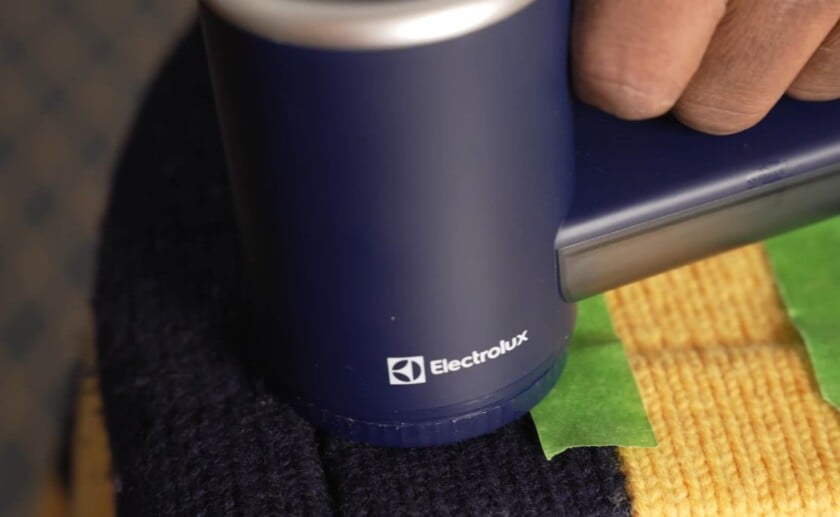
For individuals committed to maintaining a sophisticated and enduring wardrobe, the electric fabric shaver, also commonly known as a de-fuzzer, emerges as an indispensable investment. This specialized device consistently outperformed all other tested methods, earning a top score for its balanced attributes.
An electric fabric shaver operates by utilizing a rotating blade beneath a protective mesh screen. As the device glides over the fabric surface, the mesh allows only the raised pills to pass through, where they are cleanly cut by the blades. This mechanism ensures that the main fabric fibers remain undisturbed, minimizing the risk of damage while effectively shearing away the unsightly bobbles. During the experiment, an electric fabric shaver swiftly cleared heavily pilled sections of the wool sweater with minimal effort and without applying excessive pressure, demonstrating its superior efficiency. Its design inherently prioritizes safety, with the protective screen acting as a barrier against accidental snags or cuts to the underlying fabric. While requiring an initial outlay, typically ranging from $15 to $40 for quality models, its long-term benefits in preserving valuable knitwear justify the investment, making it the professional’s choice for garment restoration.
The Best Budget Alternative: The Unsung Hero – The Nail File
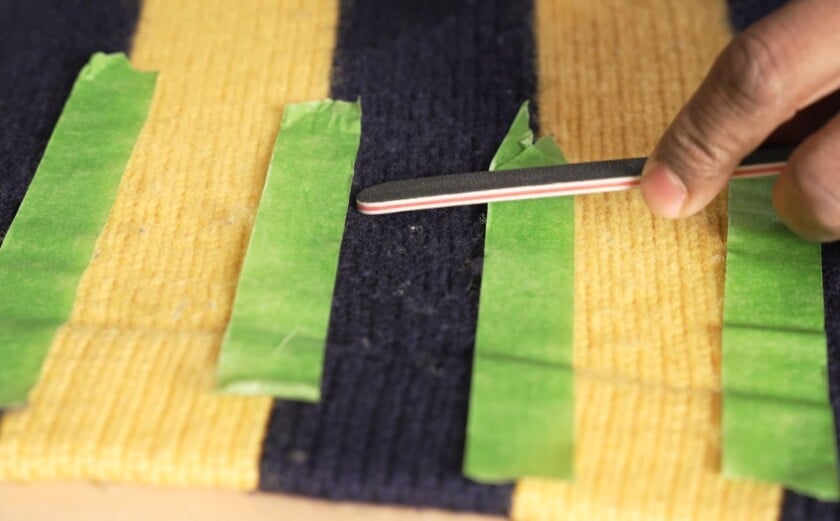
In a surprising revelation from the rigorous testing, a simple emery board or nail file proved to be an exceptionally effective and remarkably cost-efficient solution, often outperforming many ostensibly specialized tools. This common grooming accessory, with its abrasive yet controlled surface, demonstrated impressive capabilities in lifting and removing pills from the wool sweater.
The technique involves gently stroking the nail file across the pilled area, using light, controlled movements. The fine grit of the emery board effectively catches and dislodges the tangled fibers without exerting undue stress on the garment’s weave. Its low cost (often less than a dollar) and widespread availability make it an unparalleled budget hack. However, its use demands a degree of caution and a light touch to prevent accidental abrasion of the main fabric. While highly efficient for its price point, it requires more manual effort and time compared to an electric shaver, particularly for extensively pilled garments. Nonetheless, for quick touch-ups or as an emergency solution when specialized equipment is unavailable, a nail file from a standard grooming kit serves as a surprisingly potent temporary substitute, provided users exercise deliberate care.
Mediocre Performers: Safe but Lacking in Efficiency
Several other tools, while generally safe for garment care, demonstrated limitations in efficiency, particularly when confronted with a heavily pilled garment. Their utility is often restricted to minor pilling or ongoing maintenance rather than comprehensive restoration.
-
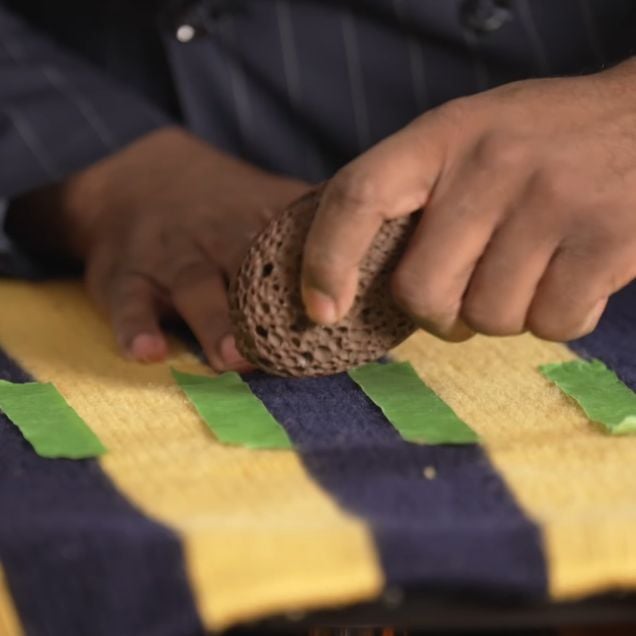
Pumice Stone (6/10): A classic method in fabric care, the pumice stone (or specialized fabric shaver stone) works by gently abrading the surface of the fabric, lifting and trapping pills. It performed reasonably well in the tests, falling between the nail file and coarse sandpaper in terms of abrasiveness. It is effective for moderate pilling but can be somewhat messy, shedding stone particles and requiring more passes to achieve a clean finish. Its safety is moderate, as excessive pressure can still damage delicate weaves.
-
Electric Facial Shaver (8/10): A conventional electric shaver, typically used for facial hair, surprisingly offered a medium-high efficiency rating. Similar to the dedicated fabric shaver, it uses a rotating blade system. It can be fast but carries a medium safety risk due to potentially coarser blades and a lack of specific fabric-protection features, making fiber clogging a concern. Users must exercise significant care to avoid snagging the fabric.
-
Manual Razor (8/10 Efficiency, Low Safety): A sharp manual razor proved highly effective at swiftly removing pills, akin to shaving facial hair. However, its efficiency comes at a significant cost in safety. The exposed blade presents a high risk of cutting or snagging the fabric, potentially creating irreparable damage, especially on delicate knits. This method is generally advised against for all but the most experienced and cautious users, and even then, its use on valuable garments is highly discouraged due to the inherent risk.
-
Clothes Brush (5/10): While essential for daily garment maintenance to remove lint and surface dust, a clothes brush exhibited low efficiency in removing established pills. Its primary function is preventive and aesthetic rather than restorative. It can help prevent new pills from forming by removing loose fibers before they tangle but is largely ineffective against existing bobbles. Its safety, however, is unequivocally high.
-
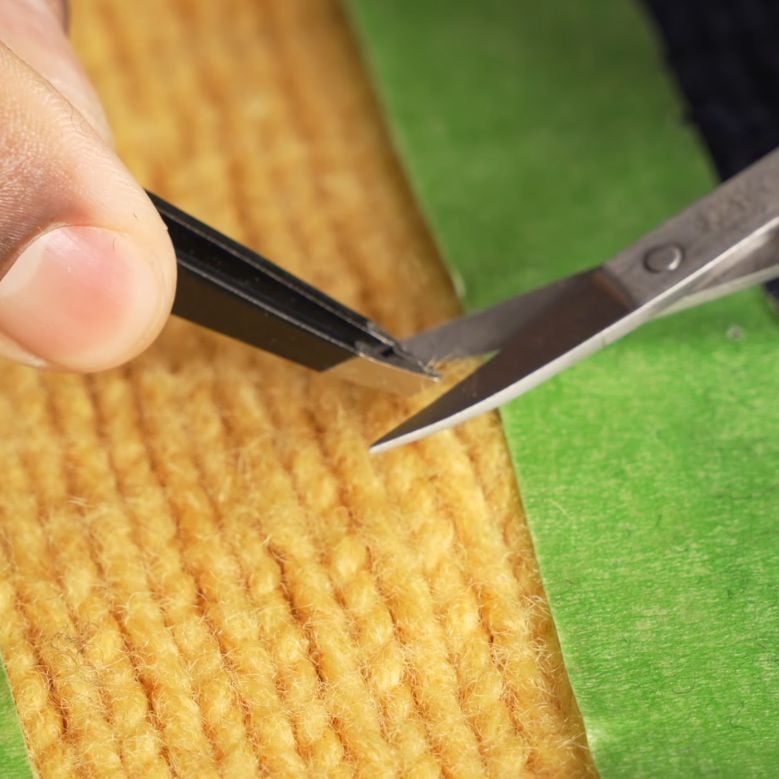
Tweezers and Nail Scissors (3/10): These tools are undeniably safe and offer precise "surgical" removal for one or two isolated bobbles. However, their efficiency for a whole sweater is extremely low, rendering them practically useless for anything beyond spot-fixes. The time commitment required for comprehensive depilling makes them an impractical solution.
-
Lint Roller / Tape (2/10): A lint roller or adhesive tape is designed to pick up loose surface fuzz, pet hair, and dust. While it can superficially adhere to some very loose pills, it is largely ineffective for truly removing firmly attached fabric pills. Its performance in the test was minimal, highlighting its role as a superficial cleaner rather than a depilling agent.
Pilling Removal Methods to Strictly Avoid
Not every household hack or internet suggestion is worth the risk to your valuable knitwear. Certain methods pose a significant threat of irreversible damage and should be avoided entirely.
- Sandpaper (1/10 Efficiency, Very Low Safety): While its abrasive nature might seem logical for removing pills, sandpaper is exceptionally aggressive. Its coarse grit not only removes pills but also indiscriminately abrades and thins the fabric, leading to permanent damage, visible wear, and potentially holes. The risk of ruining a garment far outweighs any perceived benefit, earning it the lowest possible safety rating and a strong recommendation to avoid.
Summary Table: Pilling Removal Methods Ranked
| Method | Score | Efficiency | Safety | Verdict |
|---|---|---|---|---|
| Electric Fabric Shaver | 10/10 | High | High | The professional’s essential choice. |
| Nail File | 10/10 | High | High | The ultimate budget-friendly hack. |
| Electric Facial Shaver | 8/10 | Medium-High | Medium | Fast, but caution advised for fiber clog. |
| Manual Razor | 8/10 | High | Low | Highly effective, but extremely high-risk. |
| Pumice Stone | 6/10 | Medium | Medium | Reliable, but can be slightly messy. |
| Clothes Brush | 5/10 | Low | High | Best for maintenance, not significant repair. |
| Tweezers & Scissors | 3/10 | Very Low | High | Only for precise, minor spot-fixes. |
| Lint Roller / Tape | 2/10 | Very Low | High | Catches only superficial loose fuzz. |
| Sandpaper | 1/10 | Low | Very Low | Absolutely avoid. High risk of damage. |
The Golden Rule of Knitwear Maintenance: Proactive Care and Sustainable Wardrobes
While pilling is an inherent and often unavoidable consequence of wearing high-quality natural fibers, it absolutely does not signify the end of a cherished garment’s lifespan. As this comprehensive investigation has demonstrated, equipping oneself with the right tool can swiftly restore a tired sweater to its former glory, often in mere minutes. This not only preserves the garment’s aesthetic value but also aligns with growing consumer demand for sustainable fashion practices. By extending the life of clothing, consumers reduce textile waste, a significant environmental concern.
However, the most discerning and gentlemanly approach to style always emphasizes proactive care. To significantly minimize the occurrence of future pilling, a consistent regimen of preventative measures is highly recommended:

- Wash Inside Out: Turning garments inside out before washing reduces surface friction against other clothes in the machine, protecting the outer fibers.
- Use Gentle Detergents: Harsh chemicals can weaken fibers, making them more prone to breakage and pilling. Opt for gentle, wool-specific detergents.
- Gentle Cycle and Cold Water: Aggressive washing cycles and hot water increase agitation and fiber stress. A delicate cycle with cold water is ideal.
- Avoid Overloading the Washer: Giving garments ample space to move freely prevents excessive rubbing.
- Air Dry When Possible: Tumble drying, especially at high heat, significantly increases friction and can "bake" pills onto the fabric. Laying knitwear flat to dry preserves its shape and minimizes fiber disturbance.
- Rotate Garments: Allowing sweaters to rest between wears gives fibers a chance to recover, reducing continuous stress on specific areas.
- Choose Quality Fabrics: While no fabric is entirely pill-proof, tightly woven natural fibers like silk, high-grade linen, and long-staple wool varieties are generally more resistant than loose weaves or synthetic blends. Some manufacturers also offer "anti-pill" finishes.
According to industry reports, extending the active life of clothing by just nine months can reduce carbon, water, and waste footprints by 20-30%. By adopting these simple yet effective care practices, consumers not only preserve their investments but also contribute positively to environmental sustainability. The ability to restore a garment, rather than discard it, represents a powerful form of consumer empowerment and a cornerstone of a truly sustainable wardrobe.
For a deeper understanding of comprehensive garment preservation, including detailed instructions on washing, drying, and storage techniques, consumers are encouraged to consult specialized guides on sweater care and broader wardrobe maintenance. This commitment to thoughtful care transforms clothing from disposable items into enduring assets.
Frequently Asked Questions
What is fabric pilling?
Fabric pilling occurs when small, fuzzy balls of tangled fibers form on the surface of a garment. This is a common occurrence in clothes made from various materials, including wool, cotton, polyester, and blends, resulting from friction and wear.

How can I prevent pilling on my clothes?
Preventing pilling involves a multi-faceted approach. Firstly, choose fabrics wisely, opting for tightly woven materials or those labeled as "anti-pill." During washing, turn garments inside out, use a gentle cycle with cold water, and avoid overloading the washing machine to reduce friction. Air drying whenever possible also minimizes the abrasive action of tumble dryers.
Are there any fabrics that are more resistant to pilling?
Yes, certain fabrics exhibit greater resistance to pilling. High-quality natural fibers such as silk and linen, as well as long-staple, tightly woven wools, are generally less prone to pilling. Manufacturers sometimes apply "anti-pill" treatments to synthetic blends to improve their resistance.
Can pilling be completely avoided?
While it is challenging to completely eliminate pilling, especially with regular wear and friction, consistent adherence to preventive measures can significantly reduce its occurrence. Regular maintenance and careful handling are key to minimizing the formation of pills.
How do I remove pilling from my clothes?
The most effective and safest method for removing pilling is to use an electric fabric shaver, which gently shaves off pills without damaging the fabric. For a budget-friendly alternative, a fine-grit nail file can be used with light, controlled strokes. Other methods include a pumice stone for moderate pilling, and for very minor, isolated pills, careful use of tweezers or small scissors is possible, though highly inefficient for larger areas. Methods like sandpaper or aggressive manual razors should be strictly avoided due to the high risk of damaging the garment.