









The world of horology continues its dynamic evolution, with manufacturers across the spectrum introducing new timepieces that cater to diverse tastes and technical aspirations. This edition of "The Flyback" delves into several notable recent releases, examining their design philosophies, technical innovations, and market positioning. While the initial overview may begin with a detailed examination of a particular release, the subsequent sections will broaden the scope to encompass other significant offerings, providing a comprehensive snapshot of the current watch landscape.
Christopher Ward C63 True GMT: A Deep Dive into Functionality and Naming Conventions
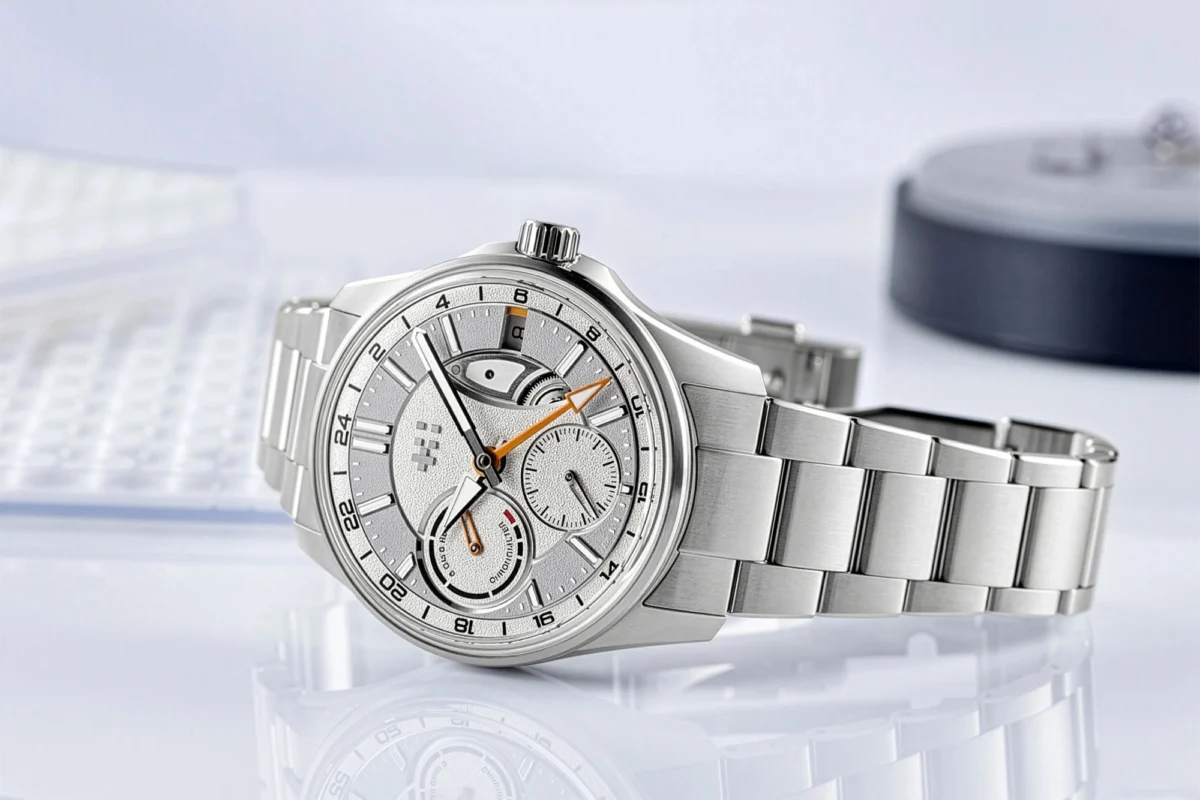
Christopher Ward’s latest offering, the C63 True GMT, presents a compelling blend of aesthetic appeal and functional complexity. The watch features an attractive color palette, with options including a black dial accented by teal elements, a design choice that enhances visual depth and legibility. The brand’s signature Lightcatcher case design, known for its multifaceted finishing and interplay with light, further elevates the timepiece’s visual presence. The textured dial, a hallmark of quality watchmaking, contributes to the overall sense of refinement, while the integrated rubber straps offer a comfortable and sporty feel, a testament to the brand’s attention to detail in wearability.
However, the introduction of the "True GMT" designation has sparked a discussion within the horological community regarding nomenclature and the precise definition of GMT complications. Christopher Ward’s assertion of "True GMT" implies a distinction from other GMT watches, a point that warrants closer examination. Historically, the term "GMT" was popularized by Rolex with their reference 6542 in the 1950s, intended for Pan Am pilots to track a second time zone independently of the local time. This functionality, where the local hour hand can be adjusted independently of the GMT hand, is often referred to as a "true" or "traveler’s" GMT. In contrast, "caller" or "office" GMTs adjust the GMT hand independently, which is less convenient for frequent travelers.

Christopher Ward’s introduction of a "True GMT" likely stems from the need to differentiate its new in-house movement from its existing GMT offerings. These previous models may have utilized movements where the GMT hand was independently adjustable, fitting the "caller" GMT definition. The new movement in the C63 True GMT is designed to allow for the independent adjustment of the local hour hand, aligning with the "traveler’s" GMT functionality. This distinction is crucial for consumers seeking a watch specifically for international travel.
Another aspect of the C63 True GMT that has drawn attention is the inclusion of a superfluous aperture revealing the "GMT bridge." While the brand terms it as such, this component is static and its visual display does not offer functional insight. This design choice appears to be an attempt to showcase the brand’s technical prowess and justify the watch’s value proposition. In an era where brands are increasingly transparent about their manufacturing processes, this open-worked element, along with the 120-hour power reserve indicator, can be seen as an effort to highlight the engineering within.
The C63 True GMT is positioned as a premium offering within Christopher Ward’s collection. It boasts a 40.5mm case, which is slightly thicker than some of their other GMT models, measuring 1.45mm more than the next thickest GMT variant. This increase in case thickness may be attributed to the new in-house movement and its associated complications. The price point of $3,995 USD on a rubber strap and $4,135 USD on a bracelet places it at a significant premium compared to other models in their lineup, such as the Sealander Extreme GMT, which offers comparable functionality at a lower price point. This pricing strategy suggests that the "True GMT" functionality and the in-house movement are key selling points for this particular model.
Krayon X PAC-MAN™: A Fusion of High Horology and Retro Gaming Nostalgia
In a surprising departure from its typically serious and technically focused creations, Krayon has unveiled a collaboration that injects a dose of playful nostalgia into the world of haute horlogerie: the Krayon X PAC-MAN™ watch. This limited edition timepiece represents a unique intersection of high watchmaking artistry and the enduring appeal of a 1980s arcade classic.

The founders of Krayon, a husband-and-wife team, have cited their personal connection to the "Pac-Man Generation" as inspiration for this novel endeavor. This generational identifier, though not a formally recognized demographic term, speaks to the cultural impact of the iconic game. The watch itself is housed in a 39mm platinum case, a material choice that underscores its luxury status.
The Krayon X PAC-MAN™ watch reimagines the brand’s existing Krayon Anywhere platform, a highly complex mechanism that displays the time in any chosen location worldwide. In this special edition, the dial is transformed into a vibrant tableau depicting the classic Pac-Man maze. The iconic character of Pac-Man serves a dual purpose, acting as a day/night indicator, visually traversing the maze throughout the day.
The surrounding elements of the game are ingeniously repurposed to represent astronomical phenomena. The scattered dots and familiar ghosts are employed to illustrate the sunrise and sunset times for the selected location. A particularly clever detail is the representation of the "power pellet," which signifies local sunset. When Pac-Man reaches this power pellet, the transition into evening begins. This intricate display of time and celestial events is a testament to Krayon’s mastery of micro-mechanics and its creative application.
This collaboration is not merely a cosmetic exercise; it integrates sophisticated complications into a playful theme. The use of platinum, coupled with the meticulous craftsmanship required for such a complex dial, places the Krayon X PAC-MAN™ watch firmly in the realm of ultra-luxury timepieces. With a limited production run of just 15 pieces and a price tag of CHF 188,000, the watch is an exclusive offering targeted at collectors who appreciate both technical innovation and cultural resonance. The success of such ventures highlights a growing trend of luxury brands exploring collaborations that tap into shared cultural experiences, broadening their appeal beyond traditional watch enthusiasts.

Dennison ALD Dual Time "Shades" Dial: A Focus on Bracelet Innovation
Dennison has introduced its new ALD Dual Time collection, featuring a series of watches that stand out not only for their aesthetic appeal but also for a significant innovation in bracelet design. While the brushed split dials and the brand’s first foray into incorporating indices are noteworthy design elements, it is the bracelet that commands particular attention.
The 37mm quartz-powered watches in the ALD Dual Time collection are offered in several striking color combinations, featuring fumé dials. However, the true highlight is the newly developed "Pebble Link" bracelet. This innovative design eschews common choices like Milanese mesh or traditional Oyster-style links, opting instead for a unique construction that seamlessly echoes the fluid lines of the watch case. The individual links are smoothly rounded, creating a tactile and visually cohesive integration with the case’s form.
This emphasis on bracelet design is a refreshing development in the watch industry, where bracelets can often be an afterthought or a standardized component. Dennison’s decision to invest in a custom-designed bracelet that complements the case so effectively elevates the overall appeal of the ALD Dual Time collection. The thoughtful integration of form and function in the "Pebble Link" bracelet demonstrates a commitment to holistic design.
Priced at $740 USD on a strap and $820 USD on the bracelet, the Dennison ALD Dual Time "Shades" Dial offers an accessible entry point into a well-designed and thoughtfully executed timepiece. The availability of the innovative bracelet as an option at a relatively modest price increase makes it a particularly attractive proposition for consumers seeking a distinctive and well-crafted watch. This focus on the bracelet as a key design element underscores the evolving priorities of watch manufacturers in creating complete and aesthetically harmonious products.

Timex 1976 Lexington Reissue: A Nostalgic Alternative
Timex continues its strategy of leveraging its rich heritage with the reissue of the 1976 Lexington. This vintage-inspired timepiece offers a rectangular case shape, reminiscent of iconic designs such as the Cartier Tank, providing a more accessible alternative for those drawn to this classic aesthetic.
The 1976 Lexington reissue captures the essence of its 1970s predecessor, featuring clean lines and a refined dial. The affordability of Timex watches has historically made them popular entry points into watch collecting, and this reissue is no exception. At a price point of $149 USD, it offers a taste of vintage-inspired design without a significant financial commitment.
This release aligns with a broader trend in the watch industry, where brands are increasingly reissuing popular models from their archives. This strategy not only appeals to existing enthusiasts who have a nostalgic connection to these watches but also introduces new generations of consumers to classic designs. The Timex 1976 Lexington serves as a charming and budget-friendly option for individuals seeking a stylish and historically significant dress watch.
Doxa Sub 200 II: A Deliberate Shift in Proportions
In a move that runs counter to the prevailing trend of downsizing watches, Doxa has opted to increase the case size of its popular Sub 200 dive watch with the introduction of the Sub 200 II. This decision marks a significant departure from the more compact dimensions of its predecessor and invites an examination of the rationale behind this shift.

The original Doxa Sub 200 measured 42mm in diameter, with a thickness of 13.8mm and a lug-to-lug measurement of 46mm. In contrast, the new Sub 200 II boasts a larger 44mm diameter, a slightly reduced thickness of 12.8mm, and an increased lug-to-lug measurement of 48mm. This increase in overall wrist presence is a deliberate choice by the brand.
While the industry has seen a gradual movement towards smaller, more historically accurate case sizes in recent years, Doxa’s decision suggests a different market dynamic or a specific customer base preference. It is possible that the existing Doxa customer base, accustomed to the brand’s typically robust offerings, has a strong affinity for larger watches. Alternatively, the brand may have identified an opportunity to cater to a segment of the market that prefers more substantial dive watches.
The Sub 200 II is available in five new colorways, including fumé dials in blue, green, and brown, as well as sunray dials in black and a striking red. These new color options, coupled with the increased case size, offer a fresh perspective on the iconic Sub 200 design. The pricing for the Doxa Sub 200 II starts at $1,690 USD, positioning it as a competitive option within the mid-range dive watch market. The brand’s willingness to diverge from prevailing trends, while still offering appealing aesthetics and functionality, underscores its commitment to its core identity and customer base.
The diverse range of releases highlighted in this edition of "The Flyback" underscores the multifaceted nature of the contemporary watch industry. From the technically ambitious and conceptually debated GMT movements to the playful fusion of gaming culture with high horology, and the subtle yet significant innovations in design and proportion, the watchmaking world continues to offer compelling narratives and desirable creations for enthusiasts and collectors alike.