








The cinematic landscape often revisits the enduring cultural touchstone of the American shopping mall, a place that, during the zenith of in-person retail, served as a quintessential rite of passage for generations of teenagers. Within these sprawling temples of commerce, a distinct social ecosystem thrives, complete with its own intricate hierarchies: coveted retail positions, popular food court haunts, and unspoken rules governing adolescent interactions. This complex teenage mall hierarchy forms the compelling backdrop for the new American comedy horror film, Forbidden Fruits, a production that deftly blends elements of satire, supernatural horror, and profound social commentary.
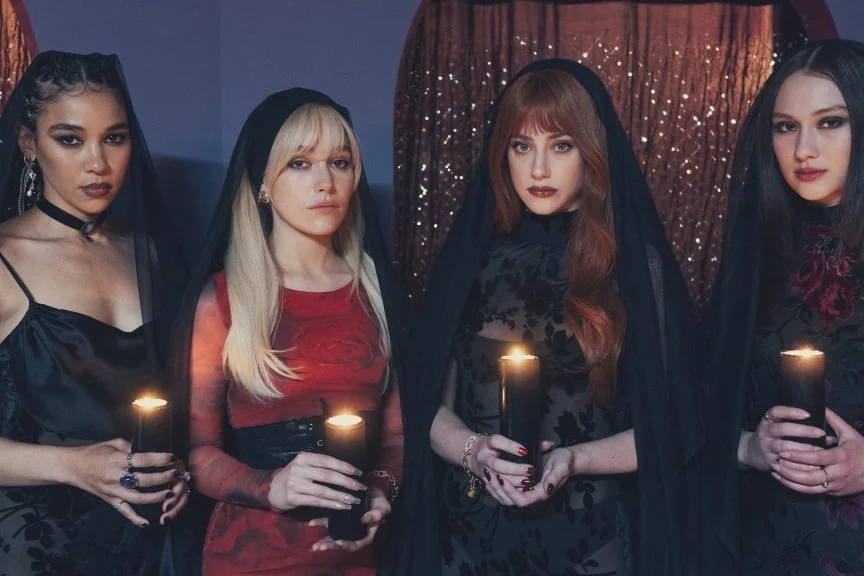
Directed by Meredith Alloway and based on Lily Houghton’s play "Of the woman came the beginning of sin and through her we all die," Forbidden Fruits stars a formidable ensemble cast including Lili Reinhart, Lola Tung, Victoria Pedretti, Alexandra Shipp, and Emma Chamberlain. These actresses portray retail employees, each symbolically named after a fruit and representing a different phase of the retail cycle, who navigate the demanding environment of an overpriced boutique, "Free Eden," located in a Dallas shopping mall. By day, they are purveyors of fast fashion; by night, they transform into the architects of a clandestine, witchy femme cult operating from the mall’s hidden basement. The film, which premiered at SXSW on March 16, quickly garnered attention for its unique premise and its exploration of female solidarity and rebellion within the confines of consumer culture.
The Mall as a Modern-Day Microcosm: A Cultural Nexus
The choice of a shopping mall as the primary setting for Forbidden Fruits is deeply intentional, tapping into a rich vein of American cultural history and evolving social dynamics. Malls, which proliferated across the United States from the 1950s through the 1990s, once served as vital community hubs, offering not just retail therapy but also spaces for social interaction, entertainment, and employment for young people. For many, working at a mall retail store or food establishment was a formative experience, providing a first glimpse into the world of work, responsibility, and the often-unspoken rules of social interaction outside of school or home.
However, the 21st century has witnessed a significant shift in the mall’s cultural standing. The rise of e-commerce, changing consumer habits, and demographic shifts have led to the decline of many traditional enclosed malls, transforming some into "dead malls" or prompting others to reinvent themselves as mixed-use developments. Despite this broader trend, the idea of the mall – as a symbol of consumerism, aspiration, and a particular kind of youthful ennui – persists in the collective imagination. Forbidden Fruits leverages this cultural resonance, presenting the mall not merely as a location but as a character in itself, a capitalist labyrinth where the protagonists seek to carve out their own subversive dominion.
Notably, the mall featured in Forbidden Fruits is the same iconic setting as the early 2000s teen comedy classic, Mean Girls. This deliberate parallel is underscored by a pivotal scene that, much like its predecessor, takes place at the mall fountain, a traditional gathering spot. This connection immediately positions Forbidden Fruits within a lineage of quintessential teen comedies that defined the early aughts, a period characterized by sharp social observation and a burgeoning awareness of female agency. The film’s aesthetic, meticulously crafted by stylist Sarah McMillan, further cements this connection. McMillan dressed the cast in a fusion of classic mall brands – Hot Topic, American Eagle, Reformation – combined with designer vintage pieces, creating a look that is both nostalgic and contemporary, perfectly encapsulating the film’s "campy" sensibility. "All of it is filtered through the mall," McMillan stated, emphasizing the pervasive influence of the setting on the characters’ identities and expressions.
Narrative Core: Retail, Rituals, and Rebellion
At the heart of Forbidden Fruits lies the story of these fruit-named retail workers who, disillusioned by the banality and exploitation of their day jobs, seek empowerment through a clandestine coven. Lili Reinhart portrays Apple, the icy and controlling ringleader, whose strict "rules" govern the coven’s activities, reminiscent of the rigid social codes prevalent in Mean Girls. The narrative gains a new dimension with the initiation of Pumpkin, played by Lola Tung, a new recruit from the unfashionable pretzel shop, Sister Salt’s. Her initiation ritual, involving the consumption of a concoction of underwear water and tears from a cowboy boot, exemplifies the film’s embrace of a camp horror aesthetic, drawing clear parallels to the visceral and often unsettling magic depicted in films like Jennifer’s Body.
The coven’s activities extend beyond initiation rites, encompassing practices such as confessing sins to a changing room mirror and hexing boyfriends, rituals that reflect a deep-seated desire for control and retribution in a world that often feels disempowering for young women. This blend of mundane retail life with supernatural rebellion creates a unique genre hybrid that speaks to contemporary anxieties and aspirations. The film’s exploration of sisterhood, particularly its hierarchical and potentially cult-like manifestation under Apple’s leadership, raises questions about the nature of female collectives – whether they are truly spaces of liberation or merely new forms of oppression.
Mythology and Modern Feminism: The Lilith Archetype
The thematic depth of Forbidden Fruits is significantly enriched by its overt references to biblical and mythological figures, most notably Lilith and the Garden of Eden. The boutique’s name, "Free Eden," directly invokes the biblical paradise, while Apple’s license plate, "6LILITH6," explicitly links her character to the ancient Mesopotamian and later Jewish mythological figure. Lilith, often depicted as a winged demon in ancient lore, was reimagined in medieval Jewish texts as Adam’s first wife, created from the same earth but refusing to be subservient to him. Her defiance led to her expulsion from Eden and replacement by Eve, who is traditionally portrayed as more compliant.
In modern times, particularly since the feminist movements of the 1970s, Lilith has undergone a profound reinterpretation. She has been reclaimed as a powerful symbol of female autonomy, defiance against patriarchal norms, and untamed feminine strength. Forbidden Fruits cleverly integrates this archetype, positioning Apple as a modern-day Lilith figure, albeit one whose "autonomy" is still tethered to the capitalist structure of the mall and largely dictated by her own controlling nature. This nuanced portrayal challenges simplistic notions of empowerment, suggesting that even in the pursuit of liberation, new forms of control can emerge.
Director Meredith Alloway elaborated on this connection, stating, "Being a witch is being a sister; they’re sort of synonymous." She further drew parallels between oppression and witchcraft, nodding to the historical context of the Salem witch trials, where women were persecuted for perceived deviance and power. Alloway describes the characters as "trying to build a garden in a cement parking lot, a capitalist place," an evocative metaphor for the struggle to cultivate community and agency within a system designed for consumption and conformity. The film deliberately leaves it ambiguous whether Apple is leading a coven or a cult, allowing the audience to grapple with the complexities of power dynamics within female groups. This ambiguity is crucial, as it reflects the contemporary feminist discourse around female collectives – their potential for radical empowerment versus the risks of internal hierarchies and unchecked authority.
The enduring popularity of the witch as a feminist icon is undeniable, particularly evident in social media movements where phrases like "we are the daughters of the witches you couldn’t burn" resonate widely. This reclamation speaks to a collective desire to draw strength from historical figures of female resistance, transforming symbols of persecution into emblems of resilience and power. Forbidden Fruits taps into this cultural phenomenon, offering a contemporary narrative that both celebrates and scrutinizes the implications of such empowerment.
Director’s Vision and Thematic Intent: Healing in a Capitalist World
Meredith Alloway’s directorial vision for Forbidden Fruits extends beyond genre thrills and social commentary, delving into deeply personal themes of healing and grief. Alloway articulated her motivation, stating, "We are living in systems that have oppressed women, and it’s because they are scared of what we can do, particularly when we get together." This statement underscores the film’s core message about the transformative power of female solidarity, even amidst its inherent challenges.
A significant undercurrent in the film is the shared experience of grief. Alloway and playwright Lily Houghton connected over their experiences as members of the "dead dads club," a bond that is mirrored by most of the characters in the film, with the notable exception of Fig (Victoria Pedretti). This shared trauma serves as a catalyst for their bond, highlighting how collective suffering can forge powerful, albeit sometimes complicated, connections. Alloway suggests that much of the chaos that unfolds in the film could be averted if the characters were more honest and vulnerable with one another, rather than attempting to "spare people from their own shit." This observation points to a critical insight: true sisterhood requires not just shared experience but also radical honesty and mutual support, qualities that can be difficult to maintain within a hierarchical or cult-like structure. The film’s chaotic climax, confined entirely within the mall, emphasizes the inescapable nature of their chosen environment and the internal struggles that prevent genuine healing.
Alloway’s personal connection to the Lilith archetype is further evidenced by her long-standing habit of wearing a Lilith signet ring from Awe Inspired. This jewelry brand, known for its empowering narratives, released a collaborative collection with Forbidden Fruits on March 26. The collection includes pieces such as a tooth pendant (a reference viewers will understand after watching the film), a poison vial necklace, a snake in the garden ring, a spiked heart locket, and a Lilith pendant. The brand’s ethos for this collaboration powerfully encapsulates the film’s message: "the figures we were taught to fear are often the ones most worth becoming."
Alloway eloquently articulates the allure of Lilith: "I think people connect to Lilith because she was too tempting and had too much power, so they were like ‘Get her out of here, let’s get Eve in here.’" She reflects on the psychological impact of being taught that women are the "origin of sin," concluding with a defiant modern reinterpretation: "Well, as you get older, you can be like, ‘That’s so cunty’." This statement, while provocative, captures the essence of reclaiming narratives and re-evaluating historical condemnations of female power through a contemporary feminist lens. It’s a call to embrace qualities that patriarchal societies have historically demonized, transforming them into sources of strength and self-affirmation.
Broader Impact and Implications: A New Voice in Teen Cinema
Forbidden Fruits arrives at a time when audiences are increasingly seeking nuanced portrayals of female experiences, particularly those that challenge traditional archetypes and explore the complexities of power, community, and identity. The film’s unique blend of comedy, horror, and social commentary positions it as a significant contribution to contemporary teen cinema, moving beyond simplistic narratives of high school popularity to delve into deeper psychological and societal issues.
By setting its story within the anachronistic yet enduring symbol of the American mall, Forbidden Fruits offers a trenchant critique of consumer culture and its impact on young women. The contrast between the characters’ mundane retail jobs and their secret, subversive rituals highlights the search for meaning and agency in environments that often feel devoid of both. The film’s exploration of cult dynamics within a feminist framework is particularly relevant, prompting viewers to consider the fine line between empowering sisterhood and manipulative control. It asks profound questions about leadership, consent, and the responsibility that comes with wielding collective power.
The enthusiastic reception at SXSW and the subsequent cultural dialogue surrounding the film, including the themed merchandise collaboration, suggest that Forbidden Fruits has struck a chord with an audience eager for narratives that are both entertaining and thought-provoking. It is a film that dares to ask what happens when the figures we are taught to fear – witches, defiant women, those who refuse to conform – become the very models for liberation. In doing so, Forbidden Fruits not only entertains but also invites a critical examination of societal structures, historical narratives, and the ongoing journey toward female autonomy in a world still grappling with its implications.
Forbidden Fruits is out now, offering a fresh, campy, and incisive look at youth culture, consumerism, and the enduring power of sisterhood – for better or for worse – within the most unexpected of settings. The "Awe x Forbidden Fruits" collaboration is also available now, allowing fans to connect with the film’s powerful themes through symbolic jewelry.