











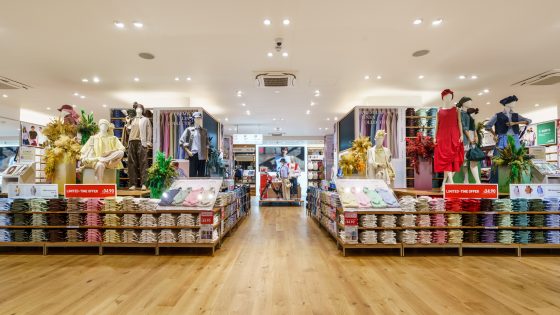
Tomorrow, March 26, 2026, marks a significant moment for Uniqlo’s presence in the United Kingdom, as its meticulously revamped Covent Garden store reopens to the public. The transformation sees the prominent retail space increase its trading area by an impressive 30%, signaling a profound strategic investment by the Japanese global apparel giant. Ahead of this anticipated unveiling, Drapers secured exclusive insights from Alessandro Dudech, Uniqlo’s UK Chief Operating Officer, who articulated the brand’s ambitious vision for "redesigning the shopping experience" within this flagship location. This expansion and conceptual overhaul underscore Uniqlo’s continued commitment to physical retail, even as the industry navigates an increasingly digital-first landscape, aiming to create a seamless, engaging, and highly personalized customer journey that transcends traditional transactional models.
A Strategic Investment in Experiential Retail
The decision to substantially upscale and reimagine the Covent Garden store is not merely an act of expansion but a deliberate move to elevate the physical retail experience to new heights. Alessandro Dudech’s emphasis on "redesigning the shopping experience" points towards a holistic approach that integrates innovative technology, enhanced customer services, and a deeper connection to the brand’s core philosophy of LifeWear. This involves a departure from conventional store layouts, opting instead for dynamic spaces designed to encourage exploration, interaction, and discovery. Industry analysts suggest that such investments are critical for modern retailers seeking to differentiate themselves in a competitive market, transforming stores from mere points of sale into brand embassies and community hubs. The additional 30% trading space provides Uniqlo with the canvas to implement these ambitious concepts, potentially introducing interactive displays, bespoke styling services, customization stations, and curated product presentations that reflect the vibrant culture of Covent Garden itself.
The core of this redesign is expected to revolve around creating a more intuitive and inspiring environment for shoppers. This could include improved flow dynamics, enhanced visual merchandising that tells a clearer brand story, and dedicated zones for specific product categories or collaborative collections. Furthermore, the integration of digital tools within the physical space – such as click-and-collect points, in-store ordering kiosks for extended online inventories, and perhaps even augmented reality fitting room experiences – is likely to be a central pillar of this "redesign." These elements aim to bridge the gap between Uniqlo’s robust online presence and its physical footprint, offering customers the flexibility and convenience that define contemporary retail expectations.
The Significance of Covent Garden as a Flagship Location
Covent Garden is not just another retail district; it is a cultural and commercial nexus in the heart of London, drawing millions of tourists and local residents annually. Its historic charm, combined with a curated mix of high-end boutiques, independent shops, world-class restaurants, and entertainment venues, makes it a prime location for any brand looking to establish a strong identity and reach a diverse international audience. For Uniqlo, a brand that prides itself on global accessibility and quality, securing and enhancing a flagship presence here is strategically invaluable.
Uniqlo’s initial establishment in Covent Garden was a testament to the brand’s foresight in recognizing key urban hubs. The decision to invest further in this particular store highlights its enduring belief in the power of physical interaction within a bustling, high-footfall environment. This location serves as a critical touchpoint for introducing new collections, testing innovative retail concepts, and reinforcing brand loyalty among both existing customers and new demographics. The increased square footage allows for a more comprehensive showcase of Uniqlo’s extensive LifeWear range, from essential basics to seasonal collaborations and advanced performance wear, providing a richer brand immersion than previously possible. Moreover, a prominent presence in Covent Garden allows Uniqlo to directly engage with London’s dynamic fashion scene, positioning itself as a key player in a city renowned for its trendsetting influence.
Uniqlo’s UK Trajectory and Global Ambitions
Uniqlo, the flagship brand of Fast Retailing Co., Ltd., first entered the UK market in 2001, opening its inaugural store in London. Since then, the brand has steadily expanded its footprint across the country, building a loyal customer base attracted by its philosophy of LifeWear: innovative, high-quality, comfortable clothing designed to make everyone’s life better. The UK market has consistently been a vital part of Uniqlo’s European growth strategy, serving as a gateway to broader continental expansion.
Globally, Fast Retailing has reported robust performance, with Uniqlo International – which includes Europe, North America, and Asia (excluding Japan) – often being a key driver of growth. In its fiscal year 2023 results, Fast Retailing highlighted strong revenue and profit growth, attributing much of this success to Uniqlo International’s record performance. Such financial health provides the impetus and capital for strategic investments like the Covent Garden revamp. The company’s long-term vision, as articulated by founder Tadashi Yanai, is to become the world’s number one apparel retailer, a goal that necessitates continuous innovation and investment in both product and customer experience across its global store network. The Covent Garden project is a tangible manifestation of this ambitious global strategy, demonstrating Uniqlo’s commitment to setting new benchmarks in retail excellence. This expansion follows a broader pattern of Uniqlo investing in major flagships globally, from Ginza in Tokyo to Fifth Avenue in New York, each designed to be more than just a store but an embodiment of the brand’s values and vision.
Beyond Retail: Sustainability and Community Integration
A modern retail redesign would be incomplete without a strong emphasis on sustainability and community engagement, two pillars that have become increasingly critical for consumer perception and brand longevity. While specific details for the Covent Garden store’s sustainable initiatives were not explicitly outlined in the initial announcement, it is highly probable that Uniqlo will leverage this enlarged space to showcase and expand its commitment to environmental and social responsibility.
Uniqlo has a well-documented global sustainability agenda, which includes initiatives like its "RE.UNIQLO" program, focused on recycling and reusing clothing, and efforts to reduce its environmental footprint across the supply chain. The redesigned Covent Garden store could potentially feature dedicated areas for clothing repair services, encouraging longevity of garments, or collection points for recycling unwanted Uniqlo items. Workshops on sustainable fashion practices, upcycling, or even local community partnerships that utilize textile waste could also be integrated, transforming the store into an educational hub.
Furthermore, community integration is often a hallmark of contemporary flagship stores. The additional space might allow for collaborations with local artists, designers, or charitable organizations, hosting pop-up events, exhibitions, or workshops that resonate with the vibrant Covent Garden community. Such initiatives not only enhance the store’s appeal but also foster a deeper connection with local residents, positioning Uniqlo as a responsible and engaged corporate citizen rather than just a global retailer. This approach aligns with a broader trend in retail where physical stores are evolving into multi-functional spaces that offer experiences beyond mere shopping, cultivating loyalty and a sense of belonging among customers.
The Evolving Landscape of Physical Retail
The timing of Uniqlo’s significant investment in its Covent Garden store is particularly noteworthy, occurring at a juncture when the retail industry is undergoing profound transformation. The rise of e-commerce, accelerated by the recent global pandemic, led many to question the future of brick-and-mortar stores. However, leading retailers like Uniqlo are demonstrating that physical retail is far from obsolete; rather, it is evolving. The focus has shifted from sheer transactional efficiency to creating immersive, experiential destinations that complement and enhance online shopping.

Consumers today expect more from their physical retail interactions. They seek engaging experiences, personalized services, expert advice, and a tangible connection with brands. Uniqlo’s "redesigning the shopping experience" directly addresses these evolving consumer demands. By expanding its physical presence and enriching the in-store journey, Uniqlo is positioning itself to capture the best of both worlds: the convenience and breadth of online shopping, combined with the sensory richness and human connection that only a physical store can offer. This strategy is reflective of a wider industry trend where successful retailers are viewing their physical stores as powerful marketing tools, brand-building assets, and crucial components of an integrated omnichannel strategy, rather than standalone sales channels. The 30% increase in trading space is not just about selling more clothes, but about creating more opportunities for brand interaction and customer engagement.
Economic and Market Implications
The reopening of the upsized Uniqlo Covent Garden store carries significant economic and market implications, both for Uniqlo and for London’s retail ecosystem. For Uniqlo, this investment is a strong signal of confidence in the UK market and its long-term growth prospects. It reinforces the brand’s competitive position against other global apparel retailers in one of the world’s most competitive fashion capitals. A highly visible and innovative flagship store can serve as a powerful marketing tool, drawing new customers and reinforcing brand loyalty, ultimately contributing to increased sales and market share.
For London, and specifically Covent Garden, Uniqlo’s investment is a welcome boost to the high street. In an era where some retailers are contracting their physical footprints, a major expansion by a global player like Uniqlo injects vitality and confidence into the retail landscape. It signifies the enduring appeal and economic viability of prime urban locations. Such developments can lead to increased footfall, benefiting surrounding businesses, and can also contribute to job creation, both directly within the store and indirectly through supply chains and supporting services. Furthermore, by pushing the boundaries of the shopping experience, Uniqlo’s Covent Garden store could set new benchmarks for retail design and customer service, inspiring other businesses in the area to innovate and elevate their own offerings, thereby contributing to the overall enhancement of London’s reputation as a global retail destination.
The expansion also reflects a broader understanding that while online sales continue to grow, physical stores remain critical for brand discovery, product trial, and building emotional connections with consumers. The investment in a larger, more experiential store in a prime location like Covent Garden is a testament to the hybrid retail model that is increasingly defining success in the post-pandemic era, where digital fluency and physical immersion go hand-in-hand.
In conclusion, Uniqlo’s revamped Covent Garden store, with its 30% increased trading space and a focus on "redesigning the shopping experience," represents a strategic masterstroke by the global apparel giant. Under the guidance of UK COO Alessandro Dudech, this flagship is poised to become more than just a store; it aims to be an immersive brand destination, a community hub, and a testament to the evolving power of physical retail. As the doors open tomorrow, it will undoubtedly set a new standard for engagement, innovation, and sustainability in the heart of London’s vibrant retail scene, solidifying Uniqlo’s position as a leader in the global fashion industry.