








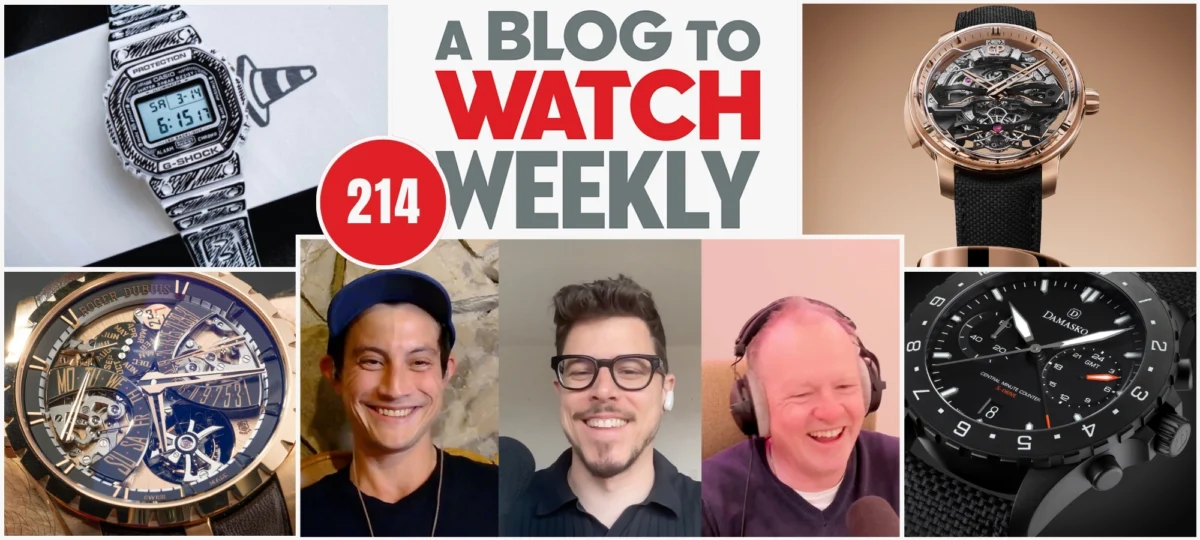
This week on aBlogtoWatch Weekly, the podcast’s hosts, Rick, Ripley, and David, embarked on an in-depth exploration of a fundamental yet often overlooked aspect of horology: watch comfort. The discussion, which formed the core of the latest episode, delved into the myriad factors that contribute to a watch feeling "good" on the wrist, moving beyond mere aesthetics to address the tactile and ergonomic realities of wearing timepieces, particularly those in the luxury segment. The conversation also broadened to encompass significant developments in the wider watch world, including strategic shifts in Formula 1 sponsorships and the evolving landscape of brand identity in the digital age. The episode concluded with a lively segment of the "Brand Wheel," a recurring feature where the hosts engage in critical analysis of established watch brands.
The Unsung Hero: Watch Comfort Under Scrutiny
The podcast episode opened with an uncharacteristic but necessary deep dive into watch comfort, a subject the hosts characterized as surprisingly neglected within the industry. Rick, Ripley, and David systematically dissected various elements that influence how a watch feels on the wrist. This included an examination of clasp design, with particular attention paid to the mechanics of deployment clasps, butterfly clasps, and the often-frustrating intricacies of micro-adjustment systems. The stiffness and material properties of watch straps, whether leather, rubber, or metal bracelets, were also brought under the microscope. The hosts highlighted how the flexibility, texture, and weight distribution of a strap can significantly impact long-term wearability.
A central theme of this discussion was the paradox of high-end watches often failing to achieve optimal comfort. The hosts posited that despite significant advancements in materials science, intricate complications, and exquisite finishing, many luxury timepieces can still feel cumbersome or irritating after extended wear. They attributed this to a potential overemphasis on aesthetic grandeur or complex engineering at the expense of practical ergonomics. The team also touched upon the psychological impact of comfort, noting how an uncomfortable watch can detract from the overall enjoyment and appreciation of even the most technically impressive piece.
To inject a dose of levity and to illustrate their point about the need for more scientific approaches to comfort testing, the hosts humorously proposed a novel, albeit unconventional, testing methodology involving a crushed Red Bull can. This anecdote, while presented with a comedic tone, underscored their genuine desire for brands to invest more in understanding and improving the wearer’s experience. The suggestion also inadvertently opened a playful avenue for potential podcast sponsorship, hinting at the intersection of niche interests and broader consumer products.
Industry Shifts: Formula 1, CEO Visibility, and Brand Narratives
The conversation then pivoted to broader trends impacting the watch industry. Formula 1, a sport with a long-standing and often lucrative relationship with watch brands, was a significant topic. The hosts discussed the strategic implications of recent and potential sponsorship moves within F1, analyzing how these partnerships can shape brand perception and reach new demographics. They explored how the high-octane environment of Formula 1 provides a unique platform for brands to associate themselves with speed, precision, innovation, and global reach.
The role of Chief Executive Officers (CEOs) and prominent brand figures in shaping public perception was also examined. The hosts discussed how the visibility and public pronouncements of these leaders can influence brand narratives, investor confidence, and consumer loyalty. In an era where transparency and authenticity are increasingly valued, the presence of a strong, relatable CEO can be a powerful asset for a watch company. Conversely, missteps or a lack of engagement can also have a detrimental effect.
Furthermore, the podcast explored how brand identity is cultivated both on and off the racetrack. This includes the design language of watches, marketing campaigns, public relations efforts, and the selection of brand ambassadors. The hosts deliberated on how brands can effectively leverage their heritage, technical prowess, and aspirational qualities to create a compelling and cohesive identity that resonates with watch enthusiasts and a wider audience alike. The discussion highlighted the importance of authenticity in these narratives, emphasizing that genuine connections with the sport or the brand’s core values are more impactful than superficial associations.

The Brand Wheel: A Critical Assessment of Horological Houses
The episode concluded with a return of the popular "Brand Wheel" segment, a feature that allows the hosts to critically evaluate and categorize watch brands based on various criteria. This iteration of the segment introduced a new dynamic, with the crew debating which brands should be retained in their current form, which might benefit from strategic changes, and which, in their opinion, warrant complete elimination from the horological landscape.
This segment is known for fostering robust debate and offering sharp, often provocative, insights into the state of the industry. The hosts likely drew upon their collective knowledge and experience to justify their positions, considering factors such as innovation, market relevance, historical significance, and overall brand strategy. While specific brands were not detailed in the provided summary, the premise of the segment suggests a thorough and critical examination of the strengths and weaknesses of various watchmaking houses. The "Brand Wheel" serves as a platform for industry analysis, encouraging listeners to think critically about the brands they admire and the direction the industry is heading.
Throughout the episode, aBlogtoWatch Weekly aimed to deliver insightful analysis, grounded in factual observation, and punctuated by the hosts’ distinct personalities. The discussion, which skillfully navigated from the granular details of watch comfort to the macro-level strategies of major brands, exemplifies the podcast’s commitment to providing authentic watch conversations. The blend of serious industry commentary with moments of lightheartedness, such as the Red Bull can anecdote, underscores the accessible yet informed approach that has become a hallmark of the aBlogtoWatch platform.
Broader Impact and Implications
The discussions on aBlogtoWatch Weekly, while presented in a podcast format, have tangible implications for the watch industry and its consumers. The emphasis on watch comfort, for instance, could prompt brands to re-evaluate their design and engineering priorities. A greater focus on ergonomics could lead to more wearable watches across all price points, enhancing customer satisfaction and potentially reducing return rates. This could involve investing in advanced material science for straps, developing more intuitive clasp mechanisms, and conducting more rigorous wearer trials.
The analysis of Formula 1 sponsorships highlights the ongoing importance of strategic marketing partnerships. As the sports sponsorship landscape evolves, with new technologies and media platforms emerging, watch brands must adapt their strategies to maximize their return on investment and connect with audiences effectively. This might involve exploring digital activations, influencer collaborations beyond traditional ambassadors, and data-driven sponsorship evaluations. The trend of CEO visibility also suggests a need for greater authenticity and personal branding from industry leaders. In an era of social media and instant information, a CEO’s public persona can significantly impact a brand’s reputation and its ability to attract talent and investment.
The "Brand Wheel" segment, by encouraging critical assessment, serves as a barometer for the health and direction of the watch industry. The hosts’ opinions, while subjective, are informed by a deep understanding of the market and can spark dialogue among enthusiasts and industry professionals. This kind of critical discourse is vital for driving innovation and ensuring that brands remain relevant and competitive. It also helps consumers make more informed purchasing decisions by understanding the underlying strategies and market positioning of different watch manufacturers.
The content of this aBlogtoWatch Weekly episode underscores the multifaceted nature of the watch industry. It is a sector where technical innovation, aesthetic design, marketing savvy, and a deep understanding of consumer psychology all converge. By addressing topics ranging from the tactile experience of wearing a watch to the strategic decisions that shape global brand perception, the podcast continues to be a valuable resource for anyone interested in the authentic conversations surrounding horology. The commitment to exploring both the micro and macro aspects of the watch world ensures that listeners gain a comprehensive and nuanced perspective on this enduringly popular industry.